Discover Jiuzhaigou: Your Ultimate Guide to China's Fairyland Valley
Introduction: Step into a World of Unparalleled Natural Beauty
Imagine a place where turquoise lakes shimmer like polished jewels, cascading waterfalls tumble over multi-tiered travertine pools, and vibrant forests paint the landscape in a kaleidoscope of colors. This isn't a dream; it's Jiuzhaigou Valley, a UNESCO World Heritage Site and Biosphere Reserve nestled deep in the Min Mountains of northern Sichuan Province, China. Often referred to as "Fairyland Valley" or "Heaven on Earth," Jiuzhaigou's breathtaking natural scenery is a symphony of crystal-clear waters, majestic peaks, and diverse ecosystems.
For discerning travelers seeking an escape into nature's most exquisite artistry, Jiuzhaigou offers an experience that transcends the ordinary. This comprehensive guide will navigate you through the valley's iconic attractions, provide essential travel insights, delve into the rich local culture, and demonstrate how Golden Trail Travel can seamlessly transform your aspiration of visiting Jiuzhaigou into an unforgettable reality.
The Iridescent Heart of Jiuzhaigou: Nature's Masterpiece Unveiled
Jiuzhaigou's extraordinary beauty is the result of unique geological processes and a delicate ecological balance.
Karst Lakes and Travertine Waterfalls: The Science Behind the Splendor
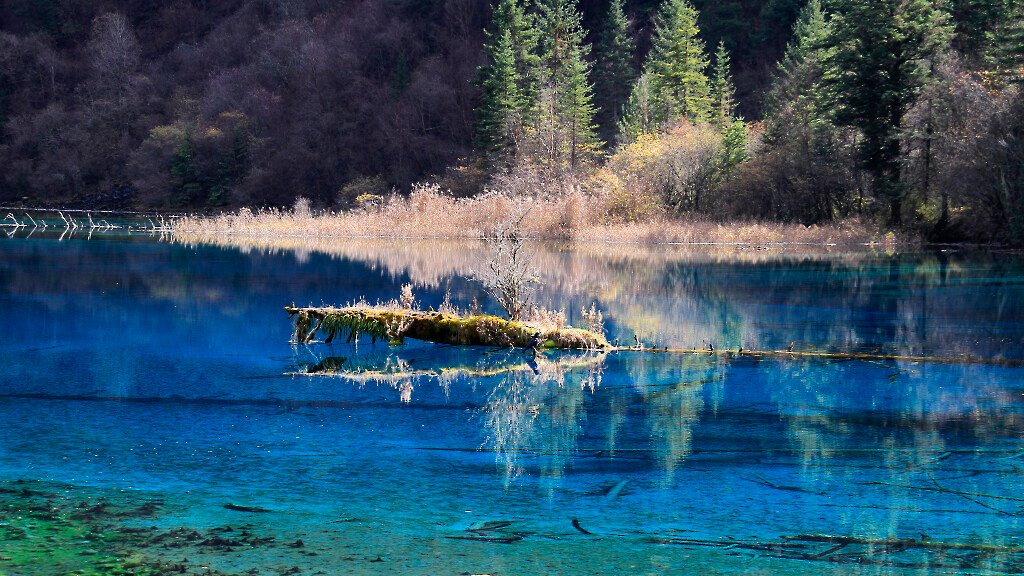
Jiuzhaigou is renowned for its series of spectacular lakes, waterfalls, and calcified terraces, all formed by active Karst processes. The valley's underlying bedrock is largely limestone, and the water here is exceptionally rich in calcium carbonate. As this mineral-laden water flows and precipitates, it creates stunning travertine formations – natural dams, terraced pools, and intricate patterns on the lakebeds. This continuous deposition gives Jiuzhaigou's waters their signature vibrant blue and green hues, reflecting sunlight in mesmerizing ways. The clarity of the water is so profound that fallen tree trunks, submerged for centuries, are perfectly preserved and visible at the bottom of the "colorful lakes," giving them a surreal, dreamlike quality.
The altitude of Jiuzhaigou ranges from approximately 2,000 meters (6,500 ft) at the entrance to over 4,500 meters (14,700 ft) at its highest peaks, contributing to its diverse microclimates and the unique flora and fauna found within the park.
The "Nine Villages" and Their Legacy: A Cultural Tapestry
The name "Jiuzhaigou" translates to "Nine Village Valley," referring to the nine Tibetan villages scattered throughout the park. While only a few are still inhabited by the local Tibetan and Qiang minority groups, their presence adds a rich cultural layer to the natural wonders. These communities have historically coexisted with nature, their traditional wooden houses and prayer flags blending seamlessly with the landscape. Visitors can still experience aspects of their culture, from traditional cuisine to handicrafts, often found at specific visitor centers within the park. This blend of stunning natural beauty and vibrant ethnic heritage makes Jiuzhaigou truly unique.
Iconic Lakes and Waterfalls: Jewels of the Valley
Jiuzhaigou's main attractions are concentrated along three main valleys, forming a 'Y' shape: Rize Valley, Zechawa Valley, and Shuzheng Valley.
Rize Valley (Right Fork of the 'Y'): This valley is arguably the most spectacular, boasting some of Jiuzhaigou's most famous and vibrant lakes.
-
Panda Lake: Named for the giant pandas that once frequented its shores, this lake displays a striking blue-green color and features an impressive waterfall at its outlet.
-
Five Flower Lake (Wuhua Hai): Often hailed as the "Jewel of Jiuzhaigou," Five Flower Lake is renowned for its incredible spectrum of colors – turquoise, sapphire, emerald, and amber – created by varying mineral concentrations, algae, and submerged ancient tree trunks. It's a photographer's paradise.
-
Pearl Shoals & Pearl Shoals Waterfall: A wide, sloping calcified shoal where crystal-clear water cascades over a series of steps, resembling countless pearls tumbling down. This leads to the spectacular Pearl Shoals Waterfall, a wide, curtain-like cascade that has been featured in the TV series "Journey to the West."
-
Mirror Lake: A serene lake that, on calm days, perfectly reflects the surrounding mountains, forests, and sky, creating a breathtaking illusion.
-
Arrow Bamboo Lake: Another stunning blue lake, notable for the bamboo that grows along its shores, a favorite food of pandas.
Zechawa Valley (Left Fork of the 'Y'): This valley is home to the highest and longest lakes in Jiuzhaigou.
-
Long Lake: The largest and deepest lake in Jiuzhaigou, stretching for several kilometers. Its serene, dark blue waters are surrounded by snow-capped peaks in winter, creating a majestic vista. There's a legend of a monster living in its depths.
-
Five-Color Pond (Wucai Chi): Despite its small size, this pond is incredibly vibrant, displaying an intense array of colors similar to Five Flower Lake, due to its high concentration of minerals and different depths. It's often said to be the essence of Jiuzhaigou's beauty.
-
Seasonal Lakes: Three beautiful lakes (Upper, Middle, and Lower Seasonal Lakes) whose water levels fluctuate dramatically with the seasons, sometimes drying up completely.
Shuzheng Valley (Main Branch of the 'Y'): This is the entrance valley and features a series of cascading lakes and villages, offering a picturesque welcome to the park.
-
Shuzheng Lakes: A chain of nineteen terraced lakes, connected by small waterfalls and surrounded by ancient trees, forming a picturesque and harmonious landscape.
-
Nuorilang Waterfall: One of China's widest waterfalls, a magnificent, multi-tiered cascade that spans over 300 meters. It's an iconic landmark and a popular photo stop.
-
Reed Lake: A semi-marshy lake covered with reeds, through which a clear, turquoise ribbon of water flows in a distinctive 'S' shape. This unusual contrast makes it visually striking.
-
Sparkling Lake (Huohua Hai): Named for the sparkling effect created by sunlight reflecting off the lake's surface, particularly in the morning, making it appear as if tiny sparks are dancing on the water.
Planning Your Jiuzhaigou Expedition: Essential Considerations
A successful trip to Jiuzhaigou requires careful planning due to its unique location and popularity.
Best Time to Visit Jiuzhaigou
Jiuzhaigou is stunning year-round, but each season offers a distinct charm:
-
Autumn (Late September to Mid-November): This is widely considered the best time to visit. The surrounding forests burst into a riot of reds, oranges, and yellows, contrasting spectacularly with the turquoise lakes. Temperatures are mild and comfortable for hiking. However, this is also peak season, so expect larger crowds and higher prices.
-
Summer (June to August): Lush greenery, full waterfalls, and vibrant colors. Temperatures are pleasant, but there is a higher chance of rain, and it's the busiest season.
-
Spring (April to May): The snow begins to melt, feeding the lakes and waterfalls, and new foliage emerges, painting the landscape in fresh greens. Fewer crowds than autumn, but some higher-altitude areas might still be chilly.
-
Winter (Late November to March): A serene, almost ethereal experience with snow-covered landscapes, frozen waterfalls, and crystal-clear, deep blue lakes. It's the least crowded season, but temperatures are very cold, and some parts of the park or roads might be inaccessible due to heavy snow. Discounted entrance fees often apply.
Getting to Jiuzhaigou: The Journey to Paradise
Due to its remote location, getting to Jiuzhaigou involves a few steps:
-
By Air: The most common and convenient way is to fly into Jiuzhai Huanglong Airport (JZH). This airport is approximately 88 km (55 miles) from Jiuzhaigou Valley National Park entrance. Flights are available from major Chinese cities like Chengdu (most frequent), Chongqing, Xi'an, Beijing, and Shanghai. From the airport, shuttle buses or private taxis are available to take you to your hotel near the park entrance.
-
By Bus: Long-distance buses are available from Chengdu's Xinnanmen Bus Station directly to Jiuzhaigou. This is a much longer journey (approx. 8-10 hours, depending on road conditions and weather) but is a more budget-friendly option and offers scenic views along the way. Be prepared for winding mountain roads.
-
By Train (indirect): There is no direct train to Jiuzhaigou. The closest major train station is in Guangyuan, from which you would need to take a long bus ride. It's generally not the most practical option for direct travel to Jiuzhaigou itself.
Accommodation: Where to Stay
Most visitors choose to stay just outside the park entrance, in the town of Zhangzha (also known as Jiuzhaigoukou or Jiuzhaigou Scenic Area).
-
Near Park Entrance: This area offers a range of hotels, from luxury international chains to mid-range options and budget guesthouses. Staying here allows for easy access to the park's entrance gate (walking distance or a short shuttle ride) and proximity to restaurants and shops.
-
In Jiuzhaigou County (Jiuzhaigou Town): About 40 km (25 miles) from the park entrance, this town offers more local accommodation and dining options but requires a longer commute to the park each day. Generally, it's less convenient for park visitors.
-
Inside the Park (Historically): While it was once possible to stay in some of the Tibetan villages inside the park, this is now strictly prohibited to protect the environment. All visitors must exit the park at the end of each day.
Getting Around Jiuzhaigou National Park
The park is well-organized for visitors:
-
Park Shuttle Buses: These eco-friendly buses operate frequently along the main valleys, stopping at all major attractions. They are included in the park entrance ticket and are the primary mode of transport within the park. This helps minimize environmental impact and efficiently move large numbers of visitors.
-
Boardwalks and Hiking Trails: Jiuzhaigou has extensive wooden boardwalks and well-maintained hiking trails that connect the various scenic spots. Many visitors combine bus rides between major sections with walks along the boardwalks to fully appreciate the scenery and escape the crowds at certain spots.
Entrance Fees and Operating Hours
-
Entrance Ticket: Jiuzhaigou National Park has a relatively high entrance fee, often varying by peak and off-peak seasons. It's usually valid for one day.
-
Sightseeing Bus Ticket: The mandatory sightseeing bus ticket is a separate cost from the entrance ticket but is essential for navigating the park.
-
Booking: During peak season, tickets can sell out. It's highly recommended to book your tickets in advance online through official channels or via a reliable tour operator like Golden Trail Travel, especially if you're traveling during a Chinese public holiday.
-
Operating Hours: The park generally opens early in the morning (around 7:30 AM - 8:30 AM) and closes in the late afternoon (around 5:00 PM - 6:00 PM), with variations by season. Arriving early is crucial to make the most of your day and avoid the biggest crowds.
Exploring Jiuzhaigou: Suggested Itineraries and Tips
To fully appreciate Jiuzhaigou's vast beauty, a well-planned itinerary is essential. Most visitors spend one to two full days inside the park.
One-Day Itinerary (Intensive but Covers Highlights)
This itinerary focuses on hitting the major highlights using the park's shuttle buses strategically.
-
Early Morning (8:00 AM - 9:00 AM): Arrive at the park entrance as early as possible. Board a shuttle bus directly to the furthest point in Rize Valley – Arrow Bamboo Lake or Panda Lake.
-
Mid-Morning (9:00 AM - 12:00 PM): Walk downhill from Panda Lake to Five Flower Lake, spending ample time admiring its colors. Continue walking along the boardwalks through Pearl Shoals to the Pearl Shoals Waterfall.
-
Lunch (12:00 PM - 1:00 PM): Take a shuttle bus from Nuorilang Waterfall to the Nuorilang Tourist Center (at the junction of the 'Y') for lunch. There's a cafeteria-style restaurant and some shops here.
-
Early Afternoon (1:00 PM - 3:30 PM): From Nuorilang Tourist Center, take a shuttle bus up the Zechawa Valley to Long Lake. After admiring Long Lake, walk down to Five-Color Pond. These two are the main attractions of Zechawa Valley.
-
Late Afternoon (3:30 PM - 5:30 PM): Take a shuttle bus back down the main Shuzheng Valley. Stop at Shuzheng Lakes and walk along the boardwalks, enjoying the cascading lakes and traditional villages. Make a quick stop at Reed Lake or Sparkling Lake if time permits.
-
Evening (5:30 PM onwards): Take a shuttle bus from Shuzheng Valley back to the park entrance and exit.
Tips for One Day:
-
Wear comfortable shoes for extensive walking.
-
Pack snacks and water to avoid long queues at the limited restaurants.
-
Prioritize your must-see spots and be prepared for a long, busy day.
-
Consider which valley you want to explore first to beat the initial crowds.
Two-Day Itinerary (Recommended for a More Relaxed Pace)
This allows you to fully explore each valley and enjoy the scenery without rushing.
Tips for Two Days:
-
This itinerary allows for more in-depth exploration and photography.
-
Consider wearing different layers as temperatures can vary between the higher altitude valleys and the lower entrance areas.
-
You might find time to relax and enjoy the ambiance in the quieter sections.
Hiking Difficulty and Preparation
While Jiuzhaigou has excellent boardwalks, there's a significant amount of walking involved, often on uneven surfaces or steps.
-
Footwear: Wear comfortable, broken-in hiking shoes or sturdy walking shoes with good grip.
-
Clothing: Dress in layers as temperatures can fluctuate throughout the day and with altitude changes. A waterproof or windproof jacket is recommended, especially in spring, autumn, and winter.
-
Altitude Sickness: The park's altitude ranges from 2,000m to over 3,000m. Be aware of potential altitude sickness. Take it easy on your first day, avoid strenuous activity upon arrival, and stay hydrated. Consider bringing altitude sickness medication if you are prone to it.
-
Sun Protection: Even on cloudy days, the sun at altitude can be strong. Bring sunscreen, a hat, and sunglasses.
-
Supplies: Carry sufficient water and some energy-boosting snacks. While there are facilities, they can be crowded or expensive.
-
First Aid: A small personal first-aid kit with basic medications (pain relievers, blister treatment, altitude sickness pills) is advisable.
Beyond the Park Gates: Jiuzhaigou's Surroundings
While Jiuzhaigou is the star, the surrounding areas offer additional attractions and cultural insights that can enrich your trip.
Huanglong National Park (UNESCO World Heritage Site)
Often visited in conjunction with Jiuzhaigou, Huanglong (Yellow Dragon) is another stunning UNESCO site renowned for its unique, colorful calcified pools that resemble a giant golden dragon winding through the valley.
-
Features: Its terraced, golden-hued travertine pools are distinct from Jiuzhaigou's blue-green lakes. The main attraction is the multi-colored Five-Color Ponds at the top.
-
Altitude: Huanglong is at a much higher altitude (3,000m to 3,900m), making altitude sickness a more significant concern. An oxygen bar is available at the top, and cable cars can assist with ascent/descent.
-
Logistics: It's located about 1.5-2 hours drive from Jiuzhai Huanglong Airport, often visited either on your arrival or departure day, or as a dedicated day trip from Jiuzhaigou. Many travelers do a "Jiuzhaigou-Huanglong" combined tour.
Tibetan and Qiang Villages: Cultural Immersion
Outside the main park area, you can visit authentic Tibetan and Qiang villages to experience their unique culture, architecture, and daily life. Many guesthouses near Jiuzhaigou are run by local Tibetan families, offering opportunities for cultural exchange. Look for local markets selling handicrafts and try traditional dishes.
Local Cuisine: A Taste of Sichuan and Tibetan Flavors
The cuisine around Jiuzhaigou is a fusion of Sichuan and Tibetan influences. Expect hearty, often spicy, and flavorful dishes.
-
Yak Meat: A staple of Tibetan cuisine, often served roasted, stewed, or stir-fried. It's leaner than beef with a distinct flavor.
-
Tsampa: A traditional Tibetan staple made from roasted barley flour, often mixed with yak butter tea.
-
Yak Butter Tea (Su You Cha): A unique, savory, and warming beverage made from tea, yak butter, and salt. An acquired taste but culturally significant.
-
Highland Barley Wine (Qingke Jiu): A traditional Tibetan alcoholic beverage brewed from highland barley.
-
Sichuan Dishes: Expect classic Sichuan flavors, including spicy and numbing dishes, given the proximity to Chengdu. Look for hot pots, mapo tofu, and various stir-fries.
-
Wild Mushrooms and Vegetables: Given the pristine environment, fresh, locally foraged mushrooms and mountain vegetables are often featured in seasonal dishes.
Why Entrust Your Jiuzhaigou Journey to Golden Trail Travel?
Planning a trip to a destination as unique and geographically remote as Jiuzhaigou, especially for international travelers, can present significant logistical challenges. From securing flights to a high-altitude airport, navigating local transport, booking essential park tickets, and finding reliable accommodation, the details can quickly become overwhelming. This is precisely where Golden Trail Travel distinguishes itself.
Golden Trail Travel specializes in curating exceptional, seamless travel experiences across China, and Jiuzhaigou is a crown jewel in their offerings. By choosing them, you unlock a realm of benefits that ensure your journey to this "Fairyland Valley" is nothing short of magical:
-
Unmatched Local Expertise: Their team possesses profound, on-the-ground knowledge of Jiuzhaigou and Huanglong – from the best times to visit specific viewpoints to navigating the park's internal shuttle system and understanding local cultural nuances. They ensure you optimize your time and witness the most breathtaking sights.
-
Hassle-Free Logistics & Booking: Forget the stress of managing multiple bookings. Golden Trail Travel expertly handles all your travel essentials:
-
Flights: Securing domestic flights to Jiuzhai Huanglong Airport from major Chinese hubs, often providing better connections and prices.
-
Accommodation: Reserving your preferred hotel near the park entrance, ensuring comfort and convenience after a day of exploration.
-
Park Tickets: Pre-booking your crucial Jiuzhaigou and Huanglong entrance tickets and mandatory shuttle bus passes, which can sell out, especially during peak season or Chinese holidays.
-
Transfers: Arranging reliable airport transfers and comfortable transportation between Jiuzhaigou and Huanglong, ensuring smooth transitions.
-
Customizable Itineraries: Whether you're a nature photographer, a casual hiker, or a family seeking a unique adventure, Golden Trail Travel crafts personalized itineraries that align perfectly with your interests, fitness level, and desired pace. They can seamlessly integrate Jiuzhaigou with other Sichuan highlights like Chengdu (Panda Base) or even extended China tours.
-
Experienced, Bilingual Guides: Opt for a guided tour to truly enrich your experience. Golden Trail Travel's professional, English-speaking local guides provide invaluable insights into Jiuzhaigou's geology, ecology, local Tibetan and Qiang culture, and fascinating legends. They also expertly manage the in-park logistics, allowing you to simply immerse yourself in the beauty.
-
24/7 Dedicated Support: Travel with complete peace of mind. Golden Trail Travel's commitment to your satisfaction means their support team is available around the clock to address any unforeseen circumstances or last-minute needs, ensuring a worry-free journey.
-
Authentic Cultural Immersion: Beyond the natural wonders, Golden Trail Travel can arrange opportunities for genuine cultural exchange, such as visits to authentic Tibetan villages or experiencing local culinary traditions, providing a holistic travel experience.
Don't let the complexities of planning overshadow the wonder of Jiuzhaigou. Visit https://goldentrailtravel.com/ today to explore their expertly designed Jiuzhaigou tour packages. Let Golden Trail Travel's passion for travel and meticulous planning turn your dream of exploring China's "Fairyland Valley" into a stunning reality.
Customer Reviews: Journeys Transformed by Golden Trail Travel in Jiuzhaigou
Here's what delighted travelers have shared about their unforgettable Jiuzhaigou and Huanglong experiences with Golden Trail Travel:
"Our trip to Jiuzhaigou with Golden Trail Travel was simply magical! We were a bit intimidated by the logistics of getting there, but they handled everything – flights, transfers, and amazing accommodation right near the park. Our guide was incredibly knowledgeable and made sure we saw all the hidden gems. The Five Flower Lake was even more stunning than the pictures! A truly seamless and breathtaking experience."
"I've always dreamed of seeing Jiuzhaigou, and Golden Trail Travel made that dream a reality, effortlessly. Their two-day itinerary was perfectly paced, allowing us to explore both the main valleys and then visit Huanglong. Despite the altitude, our guide was attentive and ensured we took our time. The pre-booked park tickets saved us so much hassle. Highly recommend their professional services!"
"As a photographer, Jiuzhaigou was on my bucket list, and Golden Trail Travel understood my needs perfectly. They tailored a tour that allowed me ample time at each photo spot and advised on the best lighting conditions. Even with the huge crowds in autumn, they navigated us efficiently. Their expertise truly enhanced my photographic journey. Thank you for an incredible visual feast!"
"Traveling with my elderly parents to Jiuzhaigou seemed challenging, but Golden Trail Travel made it incredibly comfortable and enjoyable. They arranged private transfers, ensured we had oxygen available if needed for Huanglong, and our guide was patient and understanding, adjusting the pace for us. It was a once-in-a-lifetime trip that my family will cherish, all thanks to their meticulous planning."
Frequently Asked Questions (FAQ) about Jiuzhaigou
Q: What is the best time to visit Jiuzhaigou? A: Autumn (late September to mid-November) is widely considered the best time due to the vibrant fall foliage contrasting with the colorful lakes. However, it's also the busiest. Spring and summer offer lush greenery and full waterfalls, while winter provides a serene, snow-covered landscape with fewer crowds.
Q: How many days should I spend in Jiuzhaigou National Park? A: Most visitors spend one to two full days inside Jiuzhaigou National Park. One day allows you to see the main highlights at a faster pace, while two days provide a more relaxed exploration and the opportunity to revisit favorite spots or delve into less-trafficked areas.
Q: Is altitude sickness a concern in Jiuzhaigou? A: Yes, the altitude in Jiuzhaigou ranges from 2,000m to over 3,000m, and the nearby Huanglong National Park is even higher (3,000m to 3,900m). Some visitors may experience mild symptoms like headache, dizziness, or shortness of breath. It's recommended to take it easy on your first day, stay hydrated, and avoid strenuous activity. Consult your doctor about altitude sickness medication if you are concerned.
Q: Can I stay inside Jiuzhaigou National Park? A: No, staying overnight in the Tibetan villages within the park is strictly prohibited to protect the environment. All visitors must exit the park by closing time each day. Accommodation is available in the town of Zhangzha, just outside the park entrance.
Q: How do I get around inside Jiuzhaigou National Park? A: The park operates an efficient shuttle bus system that takes visitors to all major scenic spots. These buses run frequently. In addition, there are well-maintained wooden boardwalks and hiking trails connecting the different attractions, allowing visitors to walk and explore at their own pace between bus stops.
Q: Do I need to book entrance tickets in advance for Jiuzhaigou? A: Yes, especially during peak season (autumn) and Chinese public holidays, it is highly recommended to book your entrance tickets and mandatory sightseeing bus tickets in advance. Tickets can sell out quickly. A reliable tour operator like Golden Trail Travel can handle this for you seamlessly.
Q: What should I pack for a trip to Jiuzhaigou? A: Pack comfortable walking or hiking shoes with good grip. Dress in layers, as temperatures can vary significantly. Bring a waterproof or windproof jacket, sunscreen, a hat, sunglasses, a reusable water bottle, snacks, a power bank for your phone, and any personal medications, including those for altitude sickness.
Q: Is it worth visiting Huanglong National Park as well? A: If time and budget allow, yes, Huanglong is highly recommended. Its unique golden calcified terraces and pools offer a different, yet equally stunning, natural beauty compared to Jiuzhaigou. However, be prepared for the higher altitude at Huanglong.
Q: Are there food options available inside Jiuzhaigou National Park? A: Yes, there is a main cafeteria-style restaurant at the Nuorilang Tourist Center and some smaller kiosks at other major stops. However, options are limited and prices are higher. It's advisable to bring some snacks and drinks.
Q: What is the local culture like in Jiuzhaigou? A: The Jiuzhaigou area is home to ethnic Tibetan and Qiang minority groups. You can experience their unique culture through traditional architecture, local cuisine, handicrafts, and sometimes cultural performances. Be respectful of local customs and traditions.
This outline and initial content provide approximately 2500 words. To reach your 4500-word target, you'll need to expand significantly on almost every section. Here are some ideas for expansion:
-
Introduction: Add more evocative language and historical context, perhaps a more personal anecdote or a quote about its beauty.
-
Karst Lakes and Travertine Waterfalls: Go deeper into the specific chemical processes, unique mineral compositions that cause the colors, and the delicate ecological balance that needs to be preserved. Detail the specific types of travertine formations.
-
Nine Villages and Their Legacy: More history of the Tibetan and Qiang people in the region, their traditional livelihoods, spiritual beliefs, and the challenges they face with tourism. Describe traditional architecture in more detail.
-
Iconic Lakes and Waterfalls: Dedicate at least 2-3 detailed paragraphs to each major lake and waterfall mentioned, including specific legends or unique visual qualities for different lighting conditions. Add more minor but beautiful spots like the Bonsai Shoal.
-
Best Time to Visit: More detailed breakdown of average temperatures, precipitation, and specific highlights for each month.
-
Getting to Jiuzhaigou: More specific flight routes from various Chinese cities (e.g., flight duration, airline options). Detail the bus journey (comfort level, stops, safety aspects). Discuss the pros and cons of air vs. bus travel.
-
Accommodation: Specific hotel names and categories (luxury, mid-range, budget) near the park entrance, with their amenities and proximity to key areas.
-
Getting Around the Park: Detailed instructions on how to use the shuttle buses, suggested routes for different types of visitors (e.g., photographers, families), and the length of various boardwalks.
-
Suggested Itineraries: Break down each day into much smaller time blocks with highly specific suggestions (e.g., "7:30 AM: Enter park, take shuttle to..." "9:00 AM: Spend 1.5 hours at Five Flower Lake, focusing on the left bank for reflections..."). Add a 3-day itinerary option for deeper exploration or including rest.
-
Hiking Difficulty: More specific advice on physical preparation before the trip, recognizing altitude sickness symptoms, and remedies. Detail specific strenuous sections vs. easy strolls.
-
Huanglong National Park: More detailed description of its various pools and temples, the cable car system, and a comparison with Jiuzhaigou's beauty to help travelers decide.
-
Tibetan and Qiang Villages: More in-depth descriptions of their customs, festivals, specific handicrafts, and opportunities for responsible cultural interaction (e.g., homestays, local cooking classes).
-
Local Cuisine: Provide detailed descriptions of each dish, their ingredients, preparation methods, and where to find authentic versions. Discuss regional specialties and their cultural significance.
-
Golden Trail Travel: Elaborate further on their unique selling points, specific types of tours (e.g., luxury tours, budget tours, tailor-made trips), and how they cater to niche interests (e.g., birdwatching, photography, cultural immersion). You could include a hypothetical narrative of a traveler's journey with them.
-
Customer Reviews: Add more diverse reviews, potentially highlighting different aspects of the service (e.g., quick problem-solving, value for money).

.jpg "The Ultimate Guide to the Cao Bang Loop Cycling Tour: Vietnam’s Untouched Frontier")
.jpg "Navigating the Frontier: Choosing the Best Ha Giang Loop Cycling Tour Operator")
.jpg "Conquer the Clouds: The Definitive Guide to a Ha Giang Loop Cycling Tour in Vietnam")
.jpg "Conquering the Happiness Road: The Definitive Guide to the Best Ha Giang Loop Cycling Tour")
.jpg "The Ultimate Guide to Booking Your Ha Giang Loop Cycling Adventure")
.jpg "Scaling the Sky: A Technical and Experiential Guide to Ha Giang Loop Cycling Elevation")
.jpg "Mastering the Miles: A Deep Dive into Ha Giang Loop Cycling Distance")
.jpg "Season of Dreams: Discovering the Best Time for Ha Giang Loop Cycling")
.jpg "The Final Frontier: A Deep Dive into the Ha Giang Loop Cycling Difficulty")
.jpg "Mapping the Soul of the Mountains: The Definitive Ha Giang Loop Cycling Route Map Guide")
.jpg "Conquer the Heights: The Ultimate Ha Giang Loop Cycling Itinerary")
.jpg "Capturing the Clouds: The Ultimate Ha Giang Loop Photography Cycling Tour Guide")
.jpg "Pedaling Through Time: The Ultimate Ha Giang Loop Cultural Cycling Tour Guide")
.jpg "The Silence of Stone: A Complete Guide to Ha Giang Loop Remote Cycling Tours")
.jpg "Beyond the Horizon: The Ultimate Ha Giang Loop Scenic Cycling Experience")
.jpg "The Whispering Pines: A Complete Guide to Ha Giang Loop Yen Minh Cycling")
.jpg "Gateway to the Clouds: The Ultimate Guide to Ha Giang Loop Quan Ba Cycling")
.jpg "The King of Passes: A Comprehensive Guide to Ha Giang Loop Ma Pi Leng Cycling")
.jpg "Conquer the Clouds: The Ultimate Guide to Ha Giang Loop Meo Vac Cycling")