Java, Indonesia: The Heartbeat of an Archipelago – An Epic Journey Through Volcanoes, Temples, and Timeless Culture
Java, Indonesia – the very name conjures images of smoking volcanoes, ancient temples shrouded in mist, emerald rice paddies stretching to the horizon, and vibrant cultural traditions echoing through centuries. As the geographical and historical heart of the Indonesian archipelago, Java is an island of unparalleled diversity, breathtaking natural beauty, and profound spiritual depth. It is where ancient empires rose and fell, leaving behind architectural marvels that defy belief, and where the pulse of modern Indonesia beats with an infectious energy.
From the bustling streets of Jakarta to the serene majesty of Borobudur, Java offers an immersive experience unlike any other. It’s a land where adventure beckons from volcanic peaks, tranquility resides in lush landscapes, and history whispers from every stone. For travelers seeking a truly comprehensive understanding of Indonesia, its rich heritage, and its vibrant present, Java is not just a destination; it is an essential journey.
The Island of Fire and Faith: A Brief History of Java
Java's history is a tapestry woven with threads of ancient kingdoms, religious transformations, colonial influence, and the birth of a nation. Its strategic location and fertile volcanic soil have made it a cradle of civilization for millennia.
Ancient Kingdoms and Spiritual Awakening
Evidence suggests human habitation on Java dates back millions of years with the discovery of "Java Man" (Homo erectus erectus). However, the island truly flourished with the rise of powerful Hindu-Buddhist kingdoms from the 4th to the 15th centuries.
-
Tarumanagara and Srivijaya: Early kingdoms like Tarumanagara (4th-7th centuries) and the powerful maritime empire of Srivijaya (7th-13th centuries), though centered in Sumatra, exerted significant influence over Java, facilitating trade and the spread of Indian religions.
-
Mataram Kingdom (8th-10th centuries): This period is considered the golden age of Javanese classical culture. The Sailendra dynasty, associated with the Mataram Kingdom, oversaw the construction of some of the world's most magnificent religious monuments, notably Borobudur, the largest Buddhist temple, and the intricate Hindu temple complex of Prambanan. These structures stand as enduring testaments to the sophisticated artistry, engineering prowess, and deep spiritual devotion of the time.
-
Majapahit Empire (13th-15th centuries): Emerging from East Java, the Majapahit Empire became one of the greatest thalassocracies (maritime empires) in Southeast Asian history. Under leaders like Gajah Mada, it unified much of the archipelago and fostered a golden age of arts, literature, and trade. While predominantly Hindu-Buddhist, it was a cosmopolitan empire that laid the groundwork for future cultural exchange.
The Rise of Islam and European Influence
Islam began spreading in Java in the 13th century, initially through trade routes and later through Sufi mystics (Wali Songo). By the 16th century, powerful Islamic sultanates like Demak, Banten, and Mataram (a new Islamic Mataram) had replaced the Hindu-Buddhist kingdoms, establishing a new cultural and religious landscape. This period saw the development of unique Javanese Islamic traditions that blended local customs with Islamic teachings.
European powers, primarily the Portuguese, British, and Dutch, arrived in the 16th century, drawn by the lucrative spice trade. The Dutch East India Company (VOC) gradually gained control over much of Java through treaties, warfare, and economic manipulation. They established Batavia (modern-day Jakarta) as their administrative and trading hub, initiating a long period of colonial rule.
Independence and Modern Java
The Dutch colonial period (1800-1942) profoundly shaped Java's infrastructure, economy (especially through plantation systems), and administrative structure. During World War II, the Japanese occupation (1942-1945) weakened Dutch control and fueled nationalist sentiments. Following Japan's surrender, Indonesia declared its independence on August 17, 1945, igniting a four-year struggle against returning Dutch forces.
Java was at the forefront of this independence struggle. Jakarta became the capital of the newly formed Republic of Indonesia, and its history continues to influence the nation's political and cultural landscape. Today, Java remains the most populous island in Indonesia, a dynamic blend of its ancient past, colonial imprints, and a rapidly modernizing present.
The Diverse Regions of Java: A Traveler's Compendium
Java is too vast and varied to be experienced in a single visit. It is typically divided into three main provinces – West Java, Central Java, and East Java – each offering distinct landscapes, cultures, and attractions.
1. West Java: Jakarta, Bandung, and Lush Greenery
West Java is characterized by its mountainous terrain, vibrant cities, and tea plantations.
-
Jakarta: The Pulsating Capital:
-
Metropolitan Buzz: Jakarta is Indonesia's sprawling capital and largest city, a vibrant mosaic of cultures, commerce, and relentless energy. It's the economic and political heart of the nation.
-
Historical Landmarks: Explore Kota Tua (Old Town), the historical Dutch colonial heart of Batavia, with its charming architecture, Fatahillah Square, and museums like the Jakarta History Museum.
-
Cultural Hubs: Visit the National Museum for a deep dive into Indonesian history, or the National Monument (Monas), a towering symbol of independence.
-
Shopping & Dining: Jakarta boasts world-class shopping malls, diverse culinary scenes from street food to fine dining, and lively nightlife.
-
Gateway: For many international travelers, Jakarta serves as the primary entry point to Indonesia.
-
Bandung: The "Paris of Java":
-
Highland Retreat: Located in a volcanic basin, Bandung offers a cooler climate and stunning mountain scenery. It's a popular weekend getaway for Jakartans.
-
Volcanic Wonders: Explore Tangkuban Perahu, an active volcano with accessible craters, and the stunning Kawah Putih (White Crater), a volcanic lake with ethereal turquoise waters.
-
Tea Plantations: Wander through the lush Ciwidey tea plantations, offering picturesque views and refreshing air.
-
Fashion & Culinary Scene: Bandung is famous for its factory outlets offering branded goods at discount prices, and a thriving culinary scene with unique cafes and local delicacies.
-
Bogor: Nature and Gardens:
-
Botanical Gardens: Home to the magnificent Bogor Botanical Gardens (Kebun Raya Bogor), a vast 87-hectare oasis established in 1817, perfect for a leisurely stroll and a visit to the presidential palace.
-
Puncak Pass: A scenic mountain resort area popular for its tea plantations, waterfalls, and cool climate.
2. Central Java: Ancient Empires and Spiritual Heartlands
Central Java is the historical and cultural heartland of Java, famous for its ancient temples, traditional arts, and rich spiritual heritage.
-
Yogyakarta (Jogja): The Cultural Capital:
-
Royal City: Yogyakarta is a special region and the only Indonesian province still ruled by a monarchy, the Sultanate of Yogyakarta. It's the epicenter of Javanese arts and culture.
-
Borobudur Temple: The undisputed highlight. This UNESCO World Heritage site is the world's largest Buddhist temple, a colossal 9th-century marvel adorned with thousands of relief panels and stupas. Witnessing sunrise over Borobudur is a truly spiritual and unforgettable experience.
-
Prambanan Temple: Another magnificent UNESCO site, this is Indonesia's largest Hindu temple complex, dedicated to the Trimurti (Brahma, Vishnu, Shiva). Its towering spires and intricate carvings are a testament to ancient Javanese Hindu architecture.
-
Sultan's Palace (Kraton Ngayogyakarta Hadiningrat): Explore the grand royal palace, a living museum of Javanese culture, and a center for traditional arts.
-
Water Castle (Taman Sari): A beautiful ruin of a former royal garden and bathing complex.
-
Malioboro Street: The bustling commercial heart of Jogja, famous for street vendors, local crafts (especially batik), and delicious street food.
-
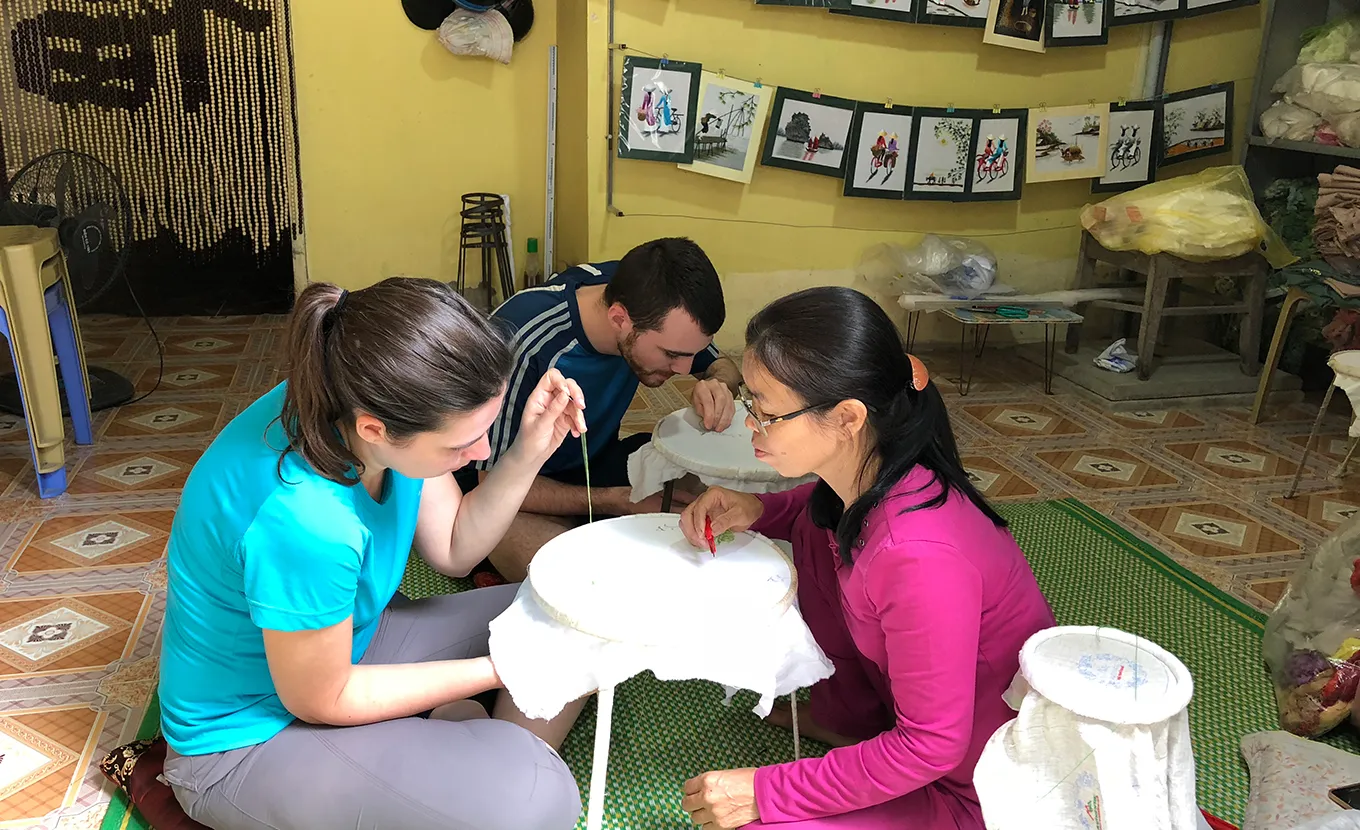
Batik and Wayang Kulit: Immerse yourself in traditional Javanese arts like batik (wax-resist dyeing) and Wayang Kulit (shadow puppet theatre). Many workshops offer opportunities to learn and appreciate these crafts.
-
Solo (Surakarta): Sister City of Culture:
-
Royal Traditions: Solo also boasts a rich royal heritage, with two palaces (Kraton Mangkunegaran and Kraton Kasunanan) and a strong tradition of Javanese arts and crafts.
-
Antiques and Batik: Solo is particularly known for its antique markets and high-quality batik.
-
Dieng Plateau: The Land of Gods:
-
Highland Beauty: A stunning volcanic plateau located at an altitude of over 2,000 meters, offering breathtaking landscapes.
-
Ancient Temples: Home to some of Indonesia's oldest Hindu temples, simple yet historically significant.
-
Volcanic Activity: Witness steaming vents, bubbling mud pits, and a vibrant multi-colored lake (Telaga Warna).
3. East Java: Dramatic Landscapes and Marine Wonders
East Java offers a blend of dramatic volcanic landscapes, national parks, and coastal beauty.
-
Mount Bromo: The Icon:
-
Sunrise Spectacle: One of Indonesia's most iconic volcanoes, Mount Bromo is part of the Bromo Tengger Semeru National Park. Witnessing sunrise over its desolate, moon-like landscape, with the misty caldera and other volcanic peaks in the background, is a truly epic experience.
-
Sea of Sand: Traverse the "Sea of Sand" (Pasir Berbisik) to reach the base of Bromo, then climb steps to peer into its steaming crater.
-
Ijen Crater: Blue Fire Phenomenon:
-
Electric Blue Flames: Famous for its ethereal "blue fire" phenomenon, visible only at night, caused by the combustion of sulfuric gases.
-
Sulphur Miners: Observe the resilient local sulphur miners who carry heavy loads of sulphur up and down the crater in challenging conditions.
-
Turquoise Acidic Lake: The crater is home to the world's largest highly acidic lake, a stunning turquoise color during the day.
-
Malang: Cool Climate and Colonial Charm:
-
Plantation Hub: A charming city surrounded by mountains and tea/coffee plantations, known for its cooler climate and Dutch colonial architecture.
-
Colorful Villages: Visit the vibrant Kampung Warna-Warni Jodipan (Rainbow Village), a former slum transformed into a colorful tourist attraction.
-
Surabaya: The City of Heroes:
-
Second Largest City: Indonesia's second-largest city and a major port.
-
Historical Significance: Known as the "City of Heroes" for its role in the Battle of Surabaya during the Indonesian National Revolution. Explore historical sites and monuments.
-
Culinary Delights: A bustling city with a diverse food scene.
-
Baluran National Park: Little Africa:
-
Savanna Landscape: Located in the easternmost part of Java, this park is known for its dry savanna landscape, resembling the African plains, complete with acacias and various wildlife.
-
Wildlife: Spot deer, wild buffalo, peacocks, and various bird species.
Culture and Traditions: The Soul of Java
Java's rich cultural tapestry is deeply intertwined with its history and diverse regions.
-
Batik: A traditional textile art using wax-resist dyeing techniques. Javanese batik is renowned for its intricate patterns and philosophical meanings. Yogyakarta and Solo are excellent places to buy high-quality batik and even try making your own.
-
Wayang Kulit (Shadow Puppet Theatre): A mesmerizing form of traditional entertainment where intricate leather puppets cast shadows onto a screen, accompanied by a gamelan orchestra and a skilled puppeteer (dalang) who narrates epic stories from the Ramayana and Mahabharata. It's a deep dive into Javanese philosophy and mythology.
-
Gamelan Music: The traditional ensemble music of Java (and Bali), characterized by its use of metallophones, xylophones, drums, and gongs. Its ethereal and rhythmic sounds are an integral part of Javanese ceremonies, dances, and Wayang Kulit performances.
-
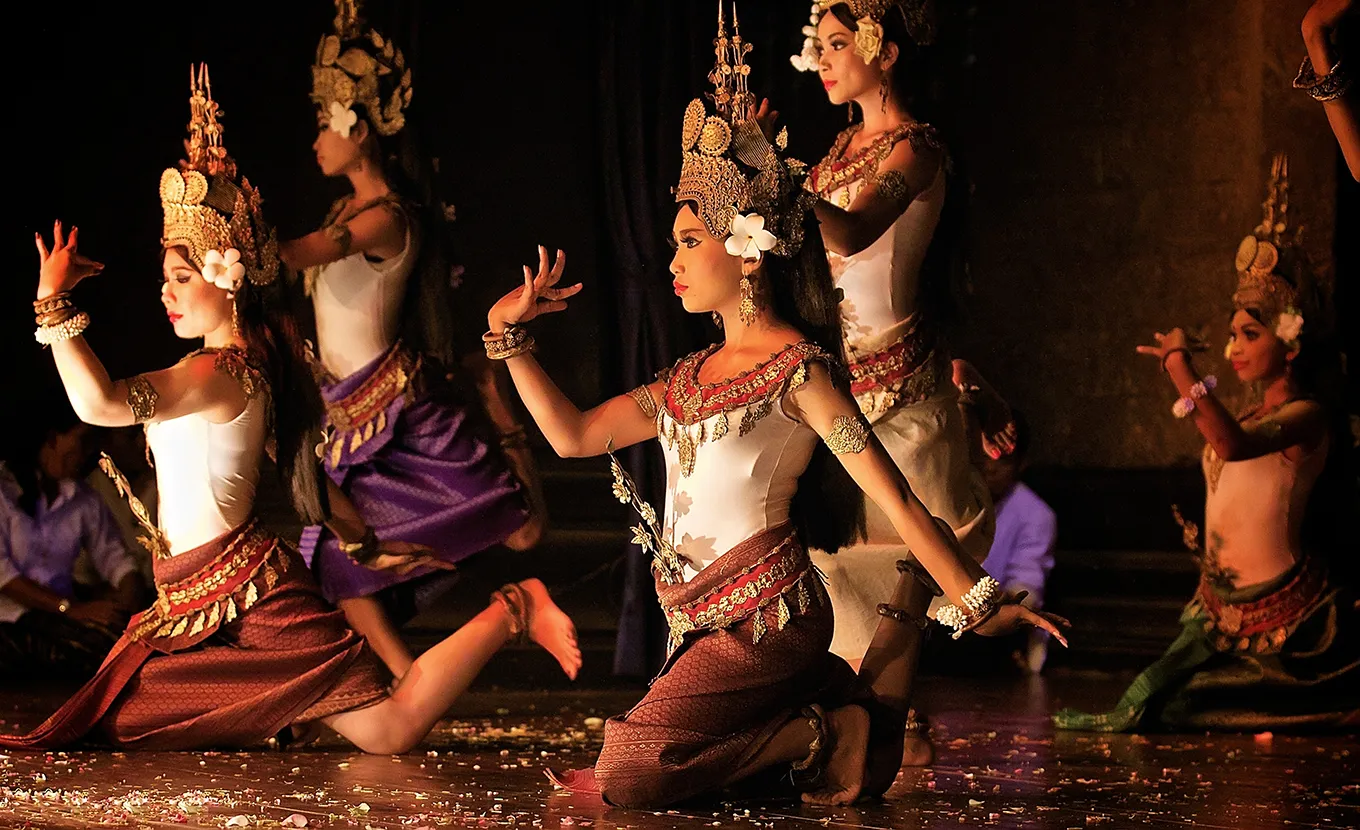
Javanese Dance: Elegant and highly stylized dance forms that tell ancient stories, often performed to gamelan music.
-
Keraton (Palaces): The royal palaces in Yogyakarta and Solo are not just architectural marvels but also living centers of Javanese tradition, where royal ceremonies, arts, and customs are preserved.
-
Traditional Markets: Explore the bustling traditional markets (pasar) for an authentic sensory experience, brimming with local produce, spices, crafts, and street food.
-
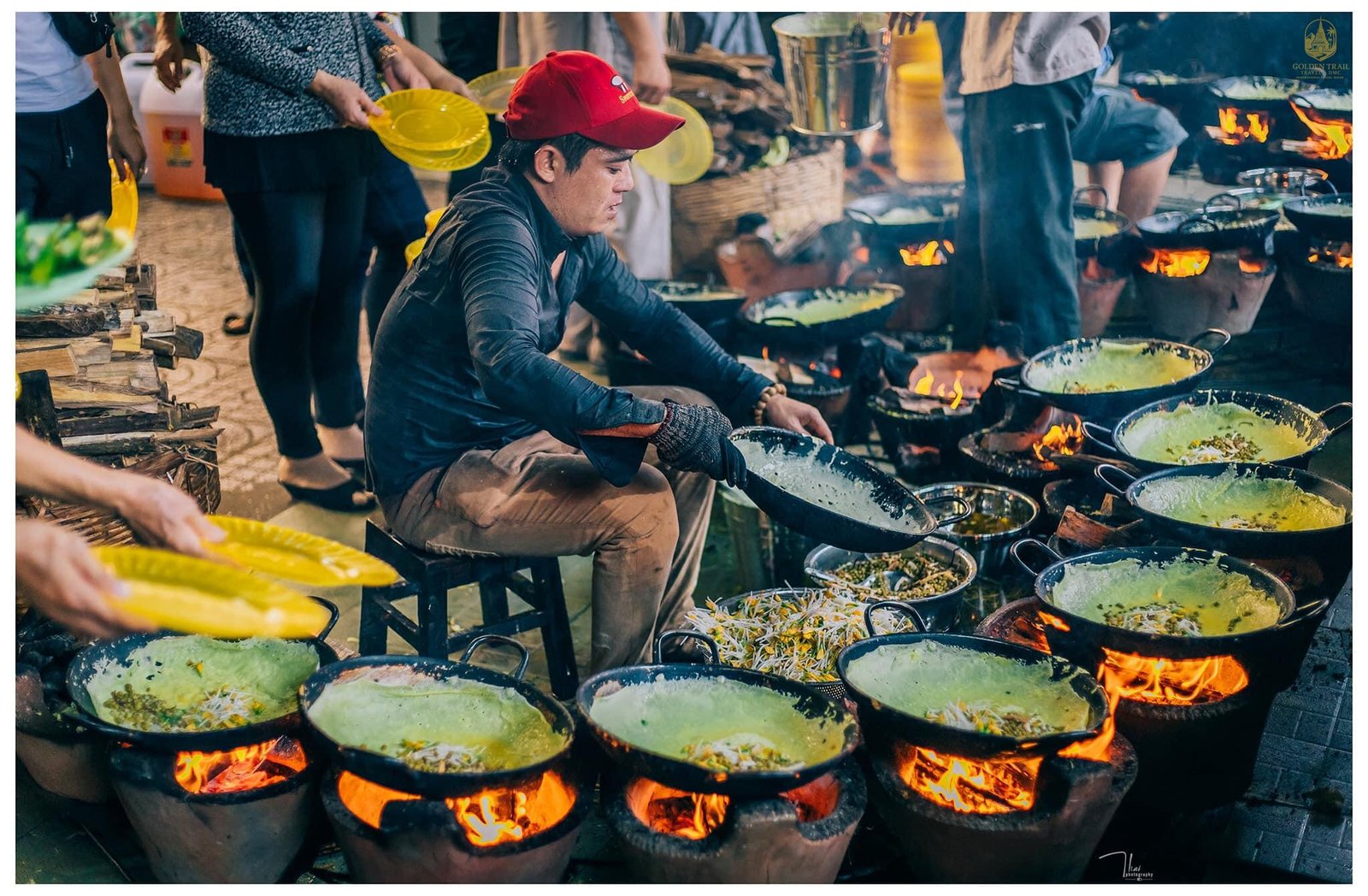
Cuisine: Javanese cuisine is rich and diverse. Don't miss Nasi Goreng (fried rice), Mie Goreng (fried noodles), Gudeg (jackfruit stew), Sate (skewered grilled meat), and Rawon (black beef soup).
Planning Your Java Adventure: Essential Tips for Travelers
Java is an incredible destination, but a little planning goes a long way to maximize your experience.
-
Visa Requirements: Check Indonesia's visa regulations based on your nationality. Many countries have visa-free entry for tourism for up to 30 days.
-
Currency: Indonesian Rupiah (IDR). ATMs are widely available in cities, but carry some cash for smaller transactions in rural areas.
-
Language: Bahasa Indonesia is the official language. English is commonly spoken in tourist areas and major hotels, but learning a few basic Indonesian phrases will be appreciated.
-
Connectivity: SIM cards are readily available at airports and convenient stores. Wi-Fi is common in hotels and cafes.
-
Transportation:
-
Flights: Major airports include Jakarta (CGK), Yogyakarta (YIA), Surabaya (SUB), and Bandung (BDO). Domestic flights are efficient for inter-city travel.
-
Trains: Java has an excellent and comfortable train network connecting major cities like Jakarta, Bandung, Yogyakarta, and Surabaya. This is a highly recommended way to travel and see the scenery.
-
Buses: Public buses are available but can be slow and less comfortable for long distances.
-
Private Car with Driver: For flexibility, especially when visiting temples or volcanoes, hiring a private car with a driver is often the most convenient option.
-
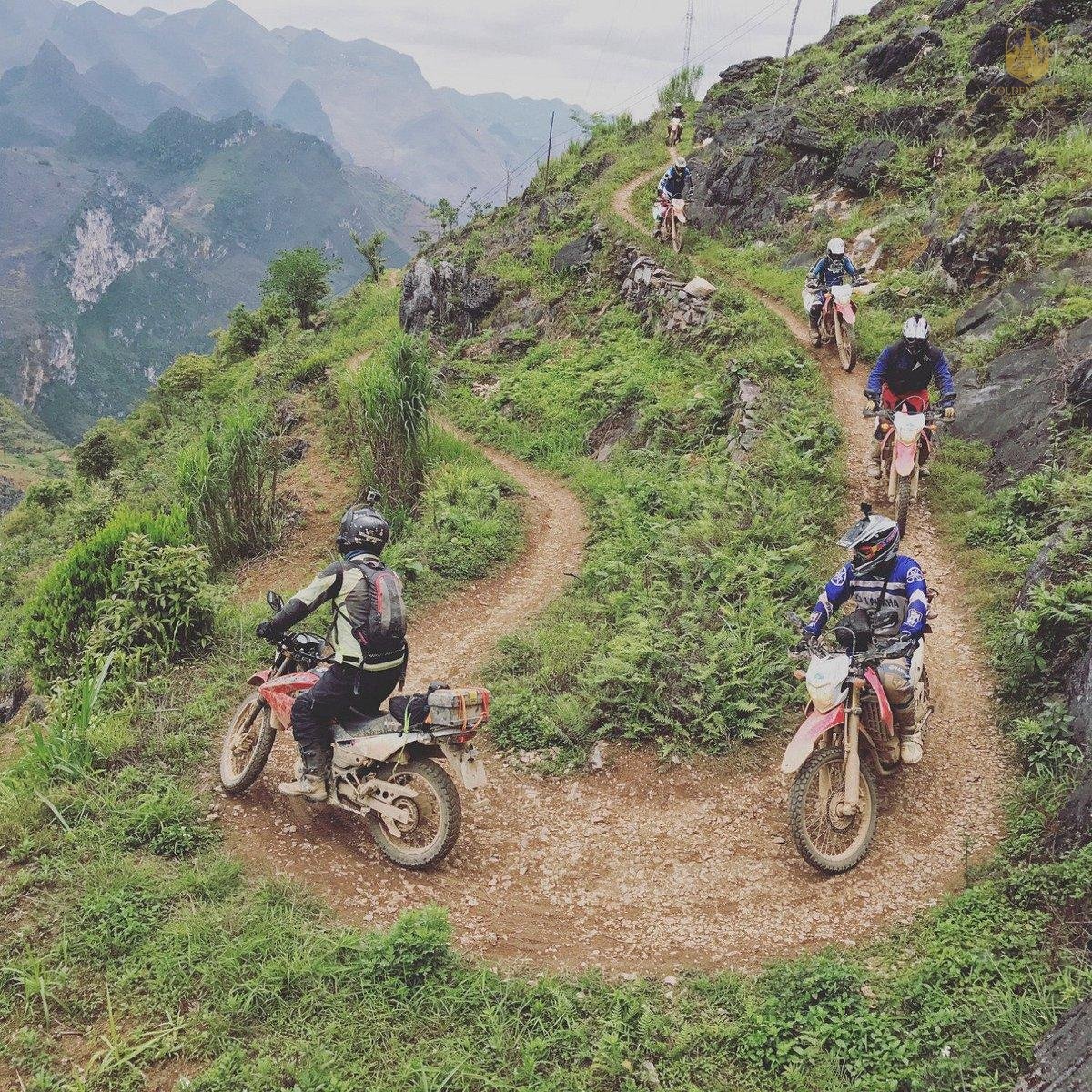
Motorbike: For experienced riders, motorbikes offer freedom, but traffic can be challenging.
-
Best Time to Visit: The dry season, from May to September, is generally the best time to visit Java, offering sunny days and lower humidity, ideal for outdoor activities like volcano treks and temple visits. The wet season (October to April) brings rain, but often in short, heavy bursts, and landscapes are lush.
-
Dress Code:
-
Modesty: While generally liberal in tourist areas, Java is predominantly Muslim. Dress modestly, especially when visiting religious sites. Shoulders and knees should be covered.
-
Comfort: Light, breathable clothing is essential due to the tropical climate.
-
Volcano Treks: Bring layers, sturdy hiking shoes, and headlamps for early morning volcano treks, as it can be very cold before sunrise.
-
Health & Safety: Consult your doctor about recommended vaccinations. Be aware of tropical diseases like dengue fever (use repellent). Drink bottled water. Exercise caution when swimming in natural waters.
-
Food Safety: Be mindful of street food, choosing vendors with high turnover. Enjoy the local cuisine but listen to your gut.
-
Respect Local Customs: Be polite, use your right hand for giving and receiving, and remove your shoes when entering homes or mosques.
-
Book in Advance: Especially during peak season (July-August, December), book accommodation, popular tours (e.g., Borobudur sunrise), and inter-city transport in advance.
-
Travel Insurance: Always recommend comprehensive travel insurance.
Experience Java with Golden Trail Travel
Planning an epic journey through Java's volcanoes, temples, and cultural heartlands can be complex given the island's vastness and diversity. Let Golden Trail Travel simplify your adventure. As your trusted travel partner, Golden Trail Travel specializes in crafting immersive and seamless tours across Indonesia, including the captivating island of Java.
With Golden Trail Travel, you can expect:
-
Customized Itineraries: Whether you dream of witnessing sunrise over Borobudur, trekking Mount Bromo, exploring Jakarta's history, or diving deep into Javanese culture, they can design a personalized itinerary tailored to your interests and budget.
-
Seamless Logistics: From airport transfers and comfortable accommodations to reliable transportation (trains, private cars) and expert local guides, Golden Trail Travel handles all the details, allowing you to relax and soak in the experience.
-
Expert Local Knowledge: Benefit from their deep understanding of Java's hidden gems, best routes, and cultural nuances, ensuring an authentic and enriching journey.
-
Convenient Booking: Easily plan and book your entire Java adventure online through their user-friendly platform.
Visit https://goldentrailtravel.com/ today to start planning your unforgettable journey to Java, Indonesia – where ancient wonders meet modern marvels!
Customer Reviews: Journeys of a Lifetime in Java
Visitors consistently rave about their experiences in Java, highlighting the island's majestic beauty, rich culture, and the warmth of its people.
"Java absolutely blew my mind! Witnessing the sunrise over Borobudur was one of the most spiritual moments of my life, followed by the dramatic landscape of Mount Bromo. The cultural immersion in Yogyakarta with batik workshops and Wayang Kulit was incredible. Thanks to Golden Trail Travel for organizing such a perfect itinerary – everything ran smoothly!" - Sarah K., Germany
"From the bustling chaos of Jakarta to the serene rice paddies, Java offers such a diverse experience. I loved exploring the street art in Bandung and trekking to Kawah Ijen to see the blue flames. It was challenging but so rewarding. The people are incredibly friendly. Highly recommend a visit!" - David L., United States
"As a history buff, Central Java was a dream come true. Prambanan's intricate temples are breathtaking, and walking through the Sultan's Palace in Jogja felt like stepping back in time. The food was delicious, and the traditional music was captivating. https://goldentrailtravel.com/ made booking all our internal travel and guides so easy." - Aisha M., United Kingdom
"We spent a week exploring East Java, and it was pure adventure! Mount Bromo and Ijen Crater treks were highlights, offering truly surreal landscapes. The local guides were fantastic, providing great insights. Make sure to pack warm clothes for the early morning volcano trips!" - Chloe P., Australia
"Java is a land of incredible contrasts and profound beauty. The balance between ancient wonders and vibrant modern life is fascinating. The people are so welcoming, and the scenery is just stunning. Every moment was a discovery. I'm already planning my next trip back!" - Marco S., Italy
Frequently Asked Questions (FAQ) about Java, Indonesia
Q1: Where is Java located? A1: Java is one of the main islands of Indonesia, situated between Sumatra to the west and Bali to the east. It is the most populous island in the world.
Q2: What are the main attractions in Java? A2: Key attractions include the ancient temples of Borobudur and Prambanan (near Yogyakarta), active volcanoes like Mount Bromo and Ijen Crater (East Java), the bustling capital city of Jakarta, and cultural hubs like Yogyakarta and Bandung.
Q3: What is the best time to visit Java? A3: The dry season, from May to September, is generally the best time to visit Java, offering ideal weather for outdoor activities and clear skies.
Q4: How do I get around Java? A4: You can travel between major cities by domestic flights, comfortable trains, or long-distance buses. For flexibility within regions, hiring a private car with a driver is highly recommended.
Q5: What cultural experiences can I have in Java? A5: Immerse yourself in Javanese culture through traditional arts like batik making, Wayang Kulit (shadow puppet theatre), and Gamelan music. Visit the Sultan's Palace in Yogyakarta for royal traditions.
Q6: Is Java suitable for family travel? A6: Yes, Java offers a wide range of attractions suitable for families, from exploring ancient temples and botanical gardens to enjoying unique cultural performances and lighter treks.
Q7: What should I wear when visiting temples in Java? A7: When visiting religious sites like temples, it's respectful to dress modestly, ensuring your shoulders and knees are covered. Scarves are often available for rent or provided at temple entrances.
Q8: What are the iconic natural wonders in Java? A8: The most iconic natural wonders are Mount Bromo (famous for its sunrise and caldera) and Ijen Crater (known for its blue flames and turquoise acidic lake).
Q9: Can I book tours and travel arrangements for Java online? A9: Yes, you can conveniently book tours, accommodations, and travel arrangements for Java through reputable travel agencies like Golden Trail Travel at https://goldentrailtravel.com/.
Q10: What is the food like in Java? A10: Javanese cuisine is diverse and flavorful. Popular dishes include Nasi Goreng, Mie Goreng, Gudeg (jackfruit stew), Sate, and Rawon (black beef soup).
Q11: What makes Yogyakarta special? A11: Yogyakarta is considered the cultural capital of Java, preserving strong Javanese traditions, including its Sultanate, and is the gateway to Borobudur and Prambanan temples.
Q12: Is it safe to travel in Java? A12: Java is generally safe for tourists. As with any travel, practice common sense, be aware of your surroundings, and take precautions against petty crime. Stay updated on any volcanic activity if planning treks.