15 Ng. 100 Đ. Nguyễn Xiển, Thanh Xuân Nam, Thanh Xuân, Hà Nội 100000

15 Ng. 100 Đ. Nguyễn Xiển, Thanh Xuân Nam, Thanh Xuân, Hà Nội 100000
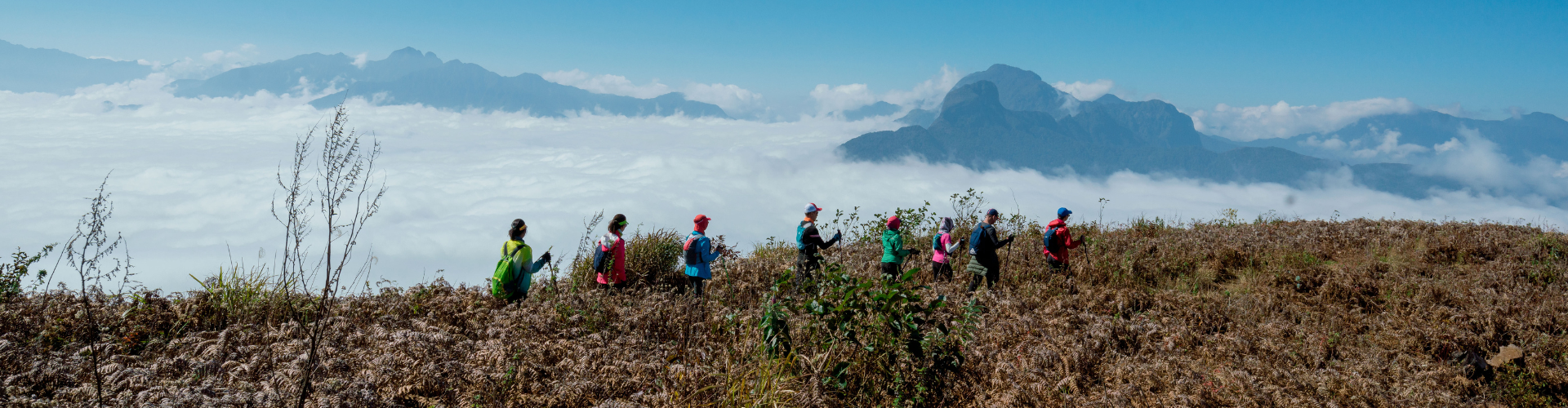
Nestled amidst the emerald hills and meandering rivers of Myanmar's Northern Shan State lies Hsipaw (pronounced See-paw), a town that effortlessly blends the charm of a bygone era with the rugged allure of an untouched trekking paradise. For travelers seeking an authentic, off-the-beaten-path adventure away from Myanmar's more trodden routes, Hsipaw offers a compelling invitation. It’s a place where the echoes of ancient Shan principalities meet the vibrant pulse of local life, and where every trekking trail leads to a deeper connection with diverse ethnic communities and breathtaking natural beauty.
Hsipaw isn't about grand pagodas or bustling metropolises; it's about the genuine warmth of its people, the serene beauty of its landscapes, and the profound experience of trekking through villages where time seems to stand still. It serves as a vital hub for exploring the rarely seen northern reaches of the Shan State, providing access to stunning waterfalls, lush tea plantations, and the chance to witness traditional livelihoods firsthand. From its poignant royal history to its burgeoning reputation as a responsible tourism destination, Hsipaw offers a unique glimpse into the soul of Myanmar.
This comprehensive guide will unravel the captivating essence of Hsipaw, exploring its unique blend of history and adventure, delving into its diverse trekking opportunities, providing essential practical advice for your visit, and highlighting how Golden Trail Travel can seamlessly orchestrate your authentic Shan State expedition, ensuring comfort, safety, and a truly unforgettable journey. Prepare to lace up your boots and discover the unspoiled charm of Hsipaw.
Hsipaw's history is deeply rooted in its past as the seat of a powerful Shan princely state (Saopha), one of the largest and most influential of its kind. This rich heritage still subtly permeates the town's atmosphere.
A Poignant History: The most significant historical landmark is the Shan Palace, also known as the Hsipaw Haw. This stately but now somewhat dilapidated residence was once home to the last ruling Shan Prince of Hsipaw, Sao Kya Seng, and his Austrian wife, Inge Sargent (Thuzar). Their story, marked by tragic political events following the 1962 military coup, is a poignant reminder of Myanmar's complex modern history.
Limited Access: Access to the palace is often restricted and depends on the presence and willingness of the current caretakers (relatives of the last prince). If granted entry, it's a rare glimpse into a vanishing world, often involving a donation. Always be respectful and understand that it's a private residence.
Historical Significance: Even from the outside, the palace serves as a powerful symbol of the lost autonomy and grandeur of the Shan princely states.
Mahamyatmuni Pagoda: Similar to its namesake in Mandalay, Hsipaw has its own Mahamyatmuni Pagoda, housing a revered Buddha image. It's an active place of worship and a central spiritual site for the local community.
Nine Buddha Hill (Bawgyo Pagoda): Located a short distance from Hsipaw, this pagoda complex is one of the most revered sites in Northern Shan State, especially during its annual festival. It houses a very old and highly venerated Buddha image.
Active Monasteries: Several monasteries dot the town and surrounding hills, where you can observe monastic life and participate in respectful donations if you wish.
Authentic Atmosphere: The old town area near the central market retains a laid-back, authentic charm. You'll see traditional Shan houses, bustling tea shops, and locals going about their daily routines.
Hsipaw Market: The morning market is a vibrant hub of activity, where Shan, Palaung, Lisu, and other ethnic groups come to trade produce, textiles, and local handicrafts. It's a fantastic place for people-watching and experiencing local life.
Hsipaw's historical fabric, though subtle, adds a layer of depth to its adventurous allure, inviting visitors to ponder its past while engaging with its vibrant present.
Trekking is the undisputed king of activities in Hsipaw, drawing adventurers from around the globe to its verdant hills and remote villages. Unlike the more established Inle Lake treks, Hsipaw offers a rawer, less-trodden experience.
Half-Day and Full-Day Treks:
Sunset Hill (Thein Taung Monastery): A relatively easy walk to a hilltop monastery offering panoramic views of Hsipaw and the Dokhtawady River, particularly beautiful at sunset.
Bawgyo Pagoda: A longer walk or a short drive to a significant Shan Buddhist site.
Local Villages: Hikes to nearby Shan, Palaung, or Lisu villages offer glimpses into traditional farming practices, home-based weaving, and daily life.
Waterfalls: Explore Nam Hu Nwe Waterfall or other seasonal cascades, often involving walks through lush jungle paths.
Multi-Day Treks (Most Popular):
2-Day / 1-Night or 3-Day / 2-Night Treks: These are the most popular options, leading deeper into the hills and focusing on genuine cultural immersion.
Overnight Stays: Trekkers typically spend nights in basic village homestays or monastery guesthouses. This is the heart of the Hsipaw trekking experience, offering unparalleled opportunities to interact with ethnic communities, share meals, and witness traditional ways of life firsthand.
Route Variations: Treks can be tailored to different fitness levels and interests, focusing on tea plantations, mountain scenery, particular ethnic villages, or specific waterfalls.
Focus on Authentic Encounters: Unlike some other trekking regions, Hsipaw treks prioritize genuine cultural exchange over challenging terrain, though some routes can be physically demanding.
Northern Shan State is a mosaic of ethnic groups, and trekking from Hsipaw provides intimate encounters with them:
Shan: The dominant group in Hsipaw town and its immediate surroundings, known for their distinct language, delicious cuisine (like Shan noodles), and vibrant festivals.
Palaung: Often found in the higher hills, recognizable by their distinctive traditional dress and involvement in tea cultivation. You might see them carrying large baskets for picking tea leaves.
Lisu: Another highland group with unique customs and sometimes colorful clothing.
Ta'ang, Kachin, and others: Depending on the specific trek route, you might encounter other smaller ethnic groups.
Responsible Interaction: Guides from reputable tour operators (like Golden Trail Travel) are crucial for facilitating respectful and meaningful interactions, ensuring that visits benefit local communities.
Varied Landscape: Treks take you through a diverse landscape of rice paddies, ginger fields, seasonal vegetable farms, lush bamboo groves, dense forests, and rolling hills.
Tea Plantations: Many treks pass through beautiful tea plantations, offering a chance to learn about tea processing and sample local brews.
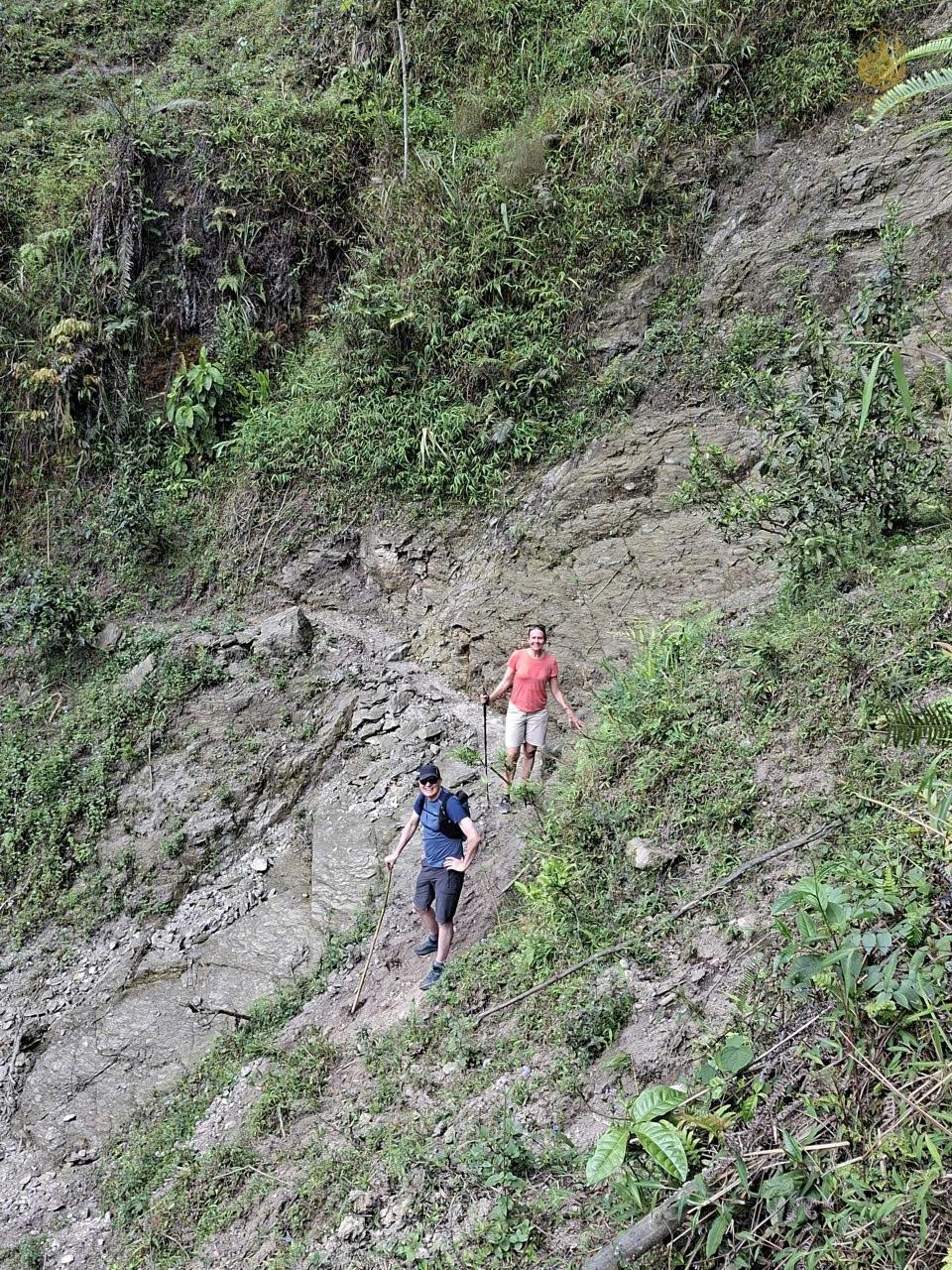
Rustic Trails: Trails are often unpaved, sometimes muddy after rain, and can involve climbs and descents. Be prepared for authentic, natural pathways.
Safety and Navigation: The trails can be remote and unmarked. A local guide is essential for safety, navigation, and knowing which villages are welcoming to tourists.
Cultural Bridge: Most importantly, a guide acts as a cultural interpreter, translating languages, explaining customs, and facilitating respectful and enriching interactions with villagers. They are key to understanding the nuances of the region.
Community Support: Booking a trek through a reputable agency ensures that local guides are properly paid and that your tourism directly benefits the communities you visit.
Even without embarking on a multi-day trek, Hsipaw offers a charming array of local experiences.
Boat Trips: Take a leisurely boat trip along the Dokhtawady River, offering a different perspective of the surrounding landscapes and local riverside life. You can visit riverside villages, explore the "Little Bagan" area (a collection of ancient stupas), or simply enjoy the serene ride.
Bridge: The main bridge crossing the river is a focal point and offers good views.
Shan Noodles: Hsipaw is a fantastic place to sample authentic Shan noodles, a regional specialty. Enjoy them dry with a rich sauce or in a flavorful broth.
Tea Leaf Salad (Lahpet Thoke): A quintessential Burmese dish, often found in tea shops.
Local Restaurants: Explore the town's small, family-run restaurants for fresh, affordable Burmese and Shan dishes.
Street Food: Venture into the night market or street stalls for local snacks and delicacies.
Relaxed Atmosphere: Hsipaw has numerous quaint tea shops, perfect for enjoying a cup of local tea or coffee, observing daily life, and planning your next adventure.
Shan Tea: Don't miss the opportunity to try various local teas, often grown in the surrounding hills.
Morning Market: As mentioned, the morning market is a must-visit for its vibrant atmosphere and a chance to see various ethnic groups in their traditional attire.
Souvenirs: Find unique local handicrafts, Shan shoulder bags, and textiles.
Hsipaw's laid-back ambiance encourages you to slow down, explore on foot or by bicycle, and immerse yourself in the unhurried rhythm of Shan State life.
Traveling to Hsipaw requires a bit more planning than other mainstream destinations in Myanmar, but the rewards are immense.
Dry Season (October to February): This is the ideal time to visit Hsipaw for trekking and comfortable weather. Temperatures are cooler, and skies are generally clear. This is also peak season for the Bawgyo Pagoda Festival (usually around March, check lunar calendar).
Shoulder Seasons (March-April & September): Treks are still possible but can be hotter in March/April. September sees the end of the rainy season; the landscape is lush, but trails can be muddy, and there may be leeches.
Rainy Season (May to August): Heavy rains make trekking difficult and often impossible due to muddy, slippery trails and leeches. Many trekking operators may close. Travel is generally not recommended during these months.
By Train (The Goteik Viaduct Experience - Most Popular):
Route: The most iconic way to reach Hsipaw is by train from Mandalay or Pyin Oo Lwin. The journey takes 10-14 hours from Mandalay (or 5-7 hours from Pyin Oo Lwin).
Goteik Viaduct: The highlight of this journey is crossing the Goteik Viaduct, a colonial-era railway bridge, one of the highest bridges in the world when it was built. It's an incredible engineering marvel and offers spectacular views. This journey is an adventure in itself.
Booking: Train tickets can be arranged through local agents or reputable tour operators. Golden Trail Travel can arrange your train tickets and ensure comfortable seating.
By Bus:
Route: Buses connect Hsipaw with Mandalay (around 6-8 hours) and other major cities. It's faster than the train but less scenic and often less comfortable.
By Private Car/Taxi:
Route: Possible from Mandalay, offering more flexibility but at a higher cost. The journey takes around 5-6 hours.
Combined: Many travelers take the scenic train from Pyin Oo Lwin (or Mandalay) to Hsipaw and then opt for a bus or private car for their onward journey.
Walking: The town itself is easily walkable.
Bicycle/Motorbike Rental: Available for exploring nearby attractions or short rides around the town.
Motorbike Taxi/Tuk-Tuk: For convenient short trips.
Hsipaw offers a range of guesthouses and a few simple hotels, mostly catering to backpackers and trekkers. Don't expect luxury, but comfortable, clean rooms are available.
Book in Advance: Especially during peak season, it's advisable to book your accommodation ahead of time.
Small Backpack: For your trekking essentials. Your main luggage can be transferred separately by your tour operator.
Comfortable Trekking Shoes/Boots: Well-worn, sturdy footwear suitable for uneven terrain.
Lightweight Layers: For varying temperatures (cool mornings/evenings, warm days).
Rain Jacket/Poncho: Even in dry season, unexpected showers can occur.
Sun Protection: Hat, sunglasses, high SPF sunscreen.
Insect Repellent: Essential for treks and overnight stays in villages.
Headlamp/Flashlight: For homestays (electricity can be limited).
Basic First-Aid Kit: Band-Aids, antiseptic wipes, pain relievers, blister treatment.
Water Bottle: For refilling.
Small Towel:
Camera & Power Bank:
Small Denominations of Myanmar Kyat (Cash): For small purchases or donations in villages.
Embarking on a journey to Hsipaw, especially for trekking, is an immersive experience that benefits immensely from the expertise of a trusted tour operator like Golden Trail Travel.
Expert Local Guides: Golden Trail Travel provides highly experienced, English-speaking local guides who are intimately familiar with the Hsipaw region, its trekking trails, and its diverse ethnic communities. These guides are invaluable for:
Navigation & Safety: Ensuring you stay on track and are safe in remote areas.
Cultural Interpretation: Acting as a bridge between cultures, facilitating meaningful interactions, and explaining local customs, languages, and traditions. This transforms a hike into a profound cultural exchange.
Insider Knowledge: Leading you to hidden gems, the best viewpoints, and reliable local eateries.
Tailored Trekking Routes: Whether you're a seasoned trekker looking for a multi-day immersion or prefer a shorter, more relaxed hike, Golden Trail Travel can customize a trekking itinerary that perfectly matches your fitness level, interests, and desired duration.
Authentic Cultural Immersion: They specialize in arranging authentic village homestays or monastery stays, providing genuine insights into rural Shan life. Their commitment to responsible tourism ensures that your visit benefits local communities directly.
Seamless Logistics & Comfort: Golden Trail Travel handles all the practicalities, making your journey stress-free:
Train Tickets & Transfers: Securing your scenic train tickets (e.g., across the Goteik Viaduct) and arranging comfortable transfers from the station to your accommodation.
Luggage Transfer: For multi-day treks, they can arrange for your main luggage to be transferred by car to your next destination (e.g., Mandalay or Inle Lake), so you only need to carry a small daypack during your hike.
Accommodation & Meals: Pre-booking your guesthouses/homestays and arranging delicious, locally sourced meals during your trek.
Responsible Tourism: Golden Trail Travel is deeply committed to ethical and sustainable tourism practices. They ensure that their tours benefit local communities directly, promote environmental awareness, and encourage respectful cultural exchange. This means your adventure contributes positively to the region.
24/7 Support: With a dedicated team, you have constant support and peace of mind throughout your journey, especially valuable in remote areas.
Ready to explore the unspoiled charm and authentic trekking trails of Hsipaw? Visit Golden Trail Travel's website today to discover their curated Shan State tours and book your unforgettable adventure: https://goldentrailtravel.com/
Hsipaw's diverse landscapes and vibrant cultural scenes offer endless opportunities for stunning photography.
Landscapes:
Rolling Hills & Valleys: Capture the undulating patterns of the hills, often with mist in the mornings.
Rice Paddies & Farmland: The lush green or golden hues of the agricultural fields.
Dokhtawady River: Peaceful river scenes, especially at sunrise or sunset.
Goteik Viaduct: An iconic photographic subject, especially from the train or designated viewpoints.
Cultural Photography:
Ethnic Minorities: The distinctive traditional clothing and daily life of the Shan, Palaung, Lisu, and other groups. Always ask for permission before taking close-up portraits, especially in villages.
Village Life: Candid shots of daily routines – farmers working, children playing, women weaving or preparing food.
Hsipaw Market: The vibrant colors, diverse faces, and bustling activity of the morning market.
Shan Palace: Capture its stately, albeit weathered, grandeur.
Monasteries & Pagodas: Peaceful scenes of worship or monastic life.
Sunrise/Sunset: The "golden hours" over the hills and river can be incredibly picturesque, painting the sky with vivid colors.
Remember to be respectful and discreet, particularly when photographing people in their daily lives or in sacred spaces.
Hsipaw, while a destination in itself, can be seamlessly integrated into a broader Myanmar itinerary for a truly comprehensive experience.
Mandalay: Often serves as the gateway to Hsipaw, with the scenic train journey starting from here or Pyin Oo Lwin. Mandalay offers a wealth of historical sites, cultural experiences, and bustling markets.
Pyin Oo Lwin: A former British hill station near Mandalay, often combined with the Goteik Viaduct train journey to Hsipaw. It offers botanical gardens, colonial architecture, and a cooler climate.
Inle Lake & Kalaw: For those wanting to explore more of the Shan State, Hsipaw complements these southern Shan destinations well. After Hsipaw, you could travel back to Mandalay and then fly to Heho (for Inle Lake/Kalaw), or take a longer bus journey.
Bagan & Yangon: These iconic destinations can be integrated before or after your Shan State adventure, creating a diverse itinerary that blends ancient history, vibrant city life, and authentic highland culture.
Golden Trail Travel specializes in crafting complex, multi-destination itineraries that cater to adventurous travelers, seamlessly linking Hsipaw with other incredible parts of Myanmar. They handle all the intricate logistics, allowing you to focus solely on the discovery and immersion.
Hsipaw is more than just a dot on the map; it's an invitation to step back in time and connect with the very soul of Myanmar. It’s a place where the grandeur of a forgotten royal past blends with the rugged beauty of untouched nature, and where the most profound experiences are found in the genuine smiles of its ethnic communities.
For the adventurous traveler seeking authenticity, cultural immersion, and breathtaking natural landscapes away from the crowds, Hsipaw offers an unparalleled journey. It promises not just scenic views but meaningful encounters, challenging treks, and a deep appreciation for the enduring traditions of the Shan State.
Let Golden Trail Travel be your trusted partner in unlocking the wonders of Hsipaw. With their expertise in navigating remote regions, commitment to responsible tourism, and passion for creating authentic experiences, your journey to Myanmar's captivating Northern Shan State will be seamless, insightful, and profoundly unforgettable. Embrace the call of the wild and embark on an adventure to Hsipaw – a true jewel in Myanmar's crown.
Q1: Where is Hsipaw located? A1: Hsipaw is located in the Northern Shan State of Myanmar, nestled amidst hills and along the Dokhtawady River.
Q2: What is Hsipaw most famous for? A2: Hsipaw is most famous as a trekking hub for multi-day hikes to ethnic minority villages and surrounding nature. It's also known for its Shan princely state history (the Shan Palace) and as a stop on the scenic Goteik Viaduct train journey.
Q3: What kind of trekking can I do in Hsipaw? A3: Hsipaw offers half-day, full-day, and multi-day treks (typically 2-3 days). Multi-day treks often involve overnight stays in village homestays or monastery guesthouses, focusing on cultural immersion with ethnic groups like the Shan, Palaung, and Lisu.
Q4: Do I need a guide for trekking from Hsipaw? A4: Yes, it is highly recommended to trek with an experienced local guide. They ensure your safety, navigation in remote areas, and crucially, act as a cultural interpreter, facilitating respectful interactions with local communities.
Q5: What is the best time of year to visit Hsipaw for trekking? A5: The best time to visit Hsipaw for trekking and comfortable weather is during the dry season, from October to February. The rainy season (May to August) should be avoided due to muddy trails and leeches.
Q6: How do I get to Hsipaw, and what is the Goteik Viaduct? A6: The most popular and scenic way to get to Hsipaw is by train from Mandalay or Pyin Oo Lwin. The journey includes crossing the Goteik Viaduct, an impressive colonial-era railway bridge, one of the highest in the world. Buses and private cars are also options.
Q7: Can I visit the Shan Palace in Hsipaw? A7: Access to the Shan Palace (Hsipaw Haw) is often restricted as it is a private residence. If allowed, it's a rare glimpse into a historical site, usually requiring a donation. Always respect the caretakers' wishes.
Q8: What local ethnic groups might I encounter in Hsipaw? A8: You'll primarily encounter Shan people in town, and on treks, you'll meet Palaung, Lisu, and other smaller ethnic groups, each with distinct cultures and traditional attire.
Q9: What should I pack for a trek from Hsipaw? A9: Pack comfortable trekking shoes, lightweight layers, rain gear, sun protection, insect repellent, a small backpack (for essentials), a headlamp, basic toiletries, and enough cash in small denominations.
Q10: Why should I book my Hsipaw trip with Golden Trail Travel? A10: Golden Trail Travel provides expert local guides for cultural interpretation and safety, tailors trekking routes to your preferences, arranges authentic homestays, handles all complex logistics (train tickets, luggage transfers), and operates with a strong commitment to responsible and sustainable tourism, ensuring a profound and hassle-free experience.
Here are some hypothetical customer reviews to highlight positive experiences with Golden Trail Travel's tours to Hsipaw:
Review 1: "Hsipaw Trek: A Glimpse into Real Myanmar!" - Sarah B., USA "Our 2-day trek from Hsipaw with Golden Trail Travel was the absolute highlight of our Myanmar trip. Our guide, Ko Saw, was an incredible storyteller and deeply knowledgeable about the Shan and Palaung cultures. Staying in a local village homestay was truly authentic – simple but so welcoming. The landscapes were stunning, and we felt like we were seeing the 'real' Myanmar. Golden Trail Travel handled everything flawlessly, from our train tickets to Hsipaw to luggage transfer. Cannot recommend them enough!"
Review 2: "Beyond the Goteik: Hsipaw's Hidden Treasures" - David P., UK "Everyone talks about the Goteik Viaduct, and it's impressive, but Hsipaw itself is the real treasure! Our Golden Trail Travel guide took us on a fantastic day hike to a remote tea plantation, and we got to interact with the local farmers. The town has such a peaceful, authentic vibe. Golden Trail Travel's organization was excellent, and their guides are clearly passionate about responsible tourism. A genuine, off-the-beaten-path experience."
Review 3: "Authentic Cultural Immersion in the Shan Hills" - Emily W., Australia "What an incredible cultural immersion! Our trek with Golden Trail Travel from Hsipaw was exactly what we hoped for. We learned so much about the different ethnic groups and their way of life. Our guide was patient, informative, and made sure our interactions were respectful. The homestay experience was basic but incredibly rewarding. If you're looking for genuine connections and beautiful scenery, Hsipaw with Golden Trail Travel is the way to go!"
Review 4: "Seamless Adventure to a Charming Town" - Mark L., Germany "Getting to Hsipaw via the Goteik Viaduct train, arranged by Golden Trail Travel, was an adventure in itself. Once there, the town's charm and the beautiful trekking options unfolded. We did a full-day hike to a waterfall and then explored the local market. Golden Trail Travel's local team was professional and always available. They really know how to make travel in Myanmar enjoyable and stress-free."
Review 5: "My Favorite Myanmar Experience" - Chloe T., Canada "Hsipaw completely captured my heart. It's so laid-back and authentic. My solo trek with a Golden Trail Travel guide was absolutely perfect – challenging but incredibly rewarding culturally. I loved visiting the Shan Palace and just soaking in the atmosphere of thein-town. Golden Trail Travel's commitment to supporting local communities made me feel good about my trip. This was easily my favorite part of my Myanmar journey!"

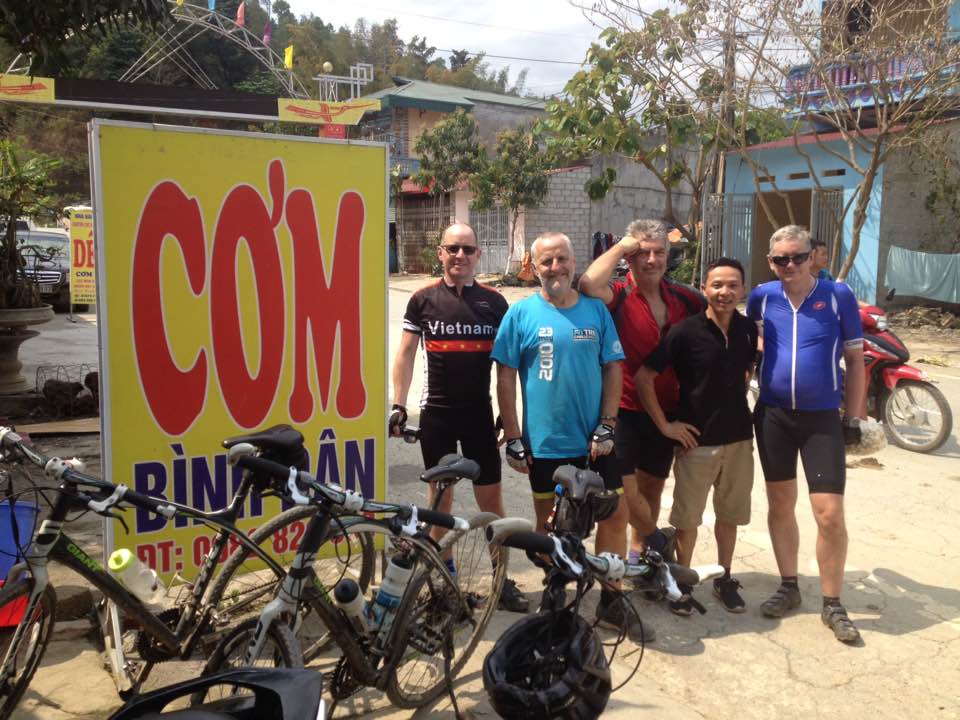
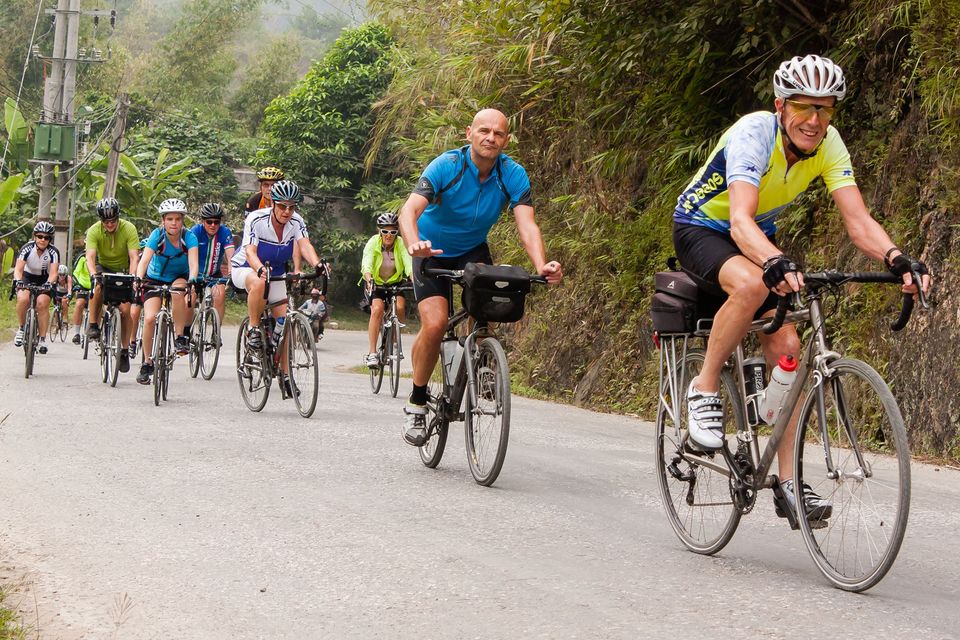
Vietnam offers a wide selection of places where biking tours can be arranged. The collection includes such places as Mai Chau valley, Tam Coc, Sapa, Bac Ha, Ha Giang, Hue, Hoian, Nha Trang and the Mekong delta.
May 28, 2025
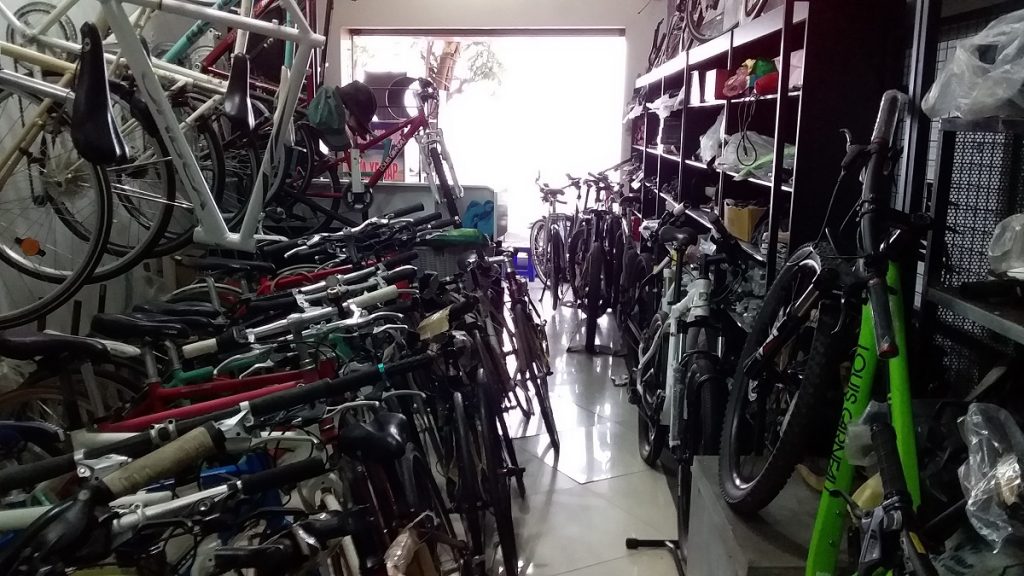
Bicycles are no longer the most important mean of transport of Hanoian people. Now it is the time of scooters and motorcycles. People go to work by motorbike. They go on holidays by motorbike as well. Therefore, it is still easy for you to find a bicycle shop in Hanoi
May 28, 2025

If you look for Hanoi bicycle rental service in Hanoi, then you have just found the right place. Lotussia Travel offers a wide array of bicycles for you to rent. We have all bicycles for your travel needs including mountain bicycles for mountain biking, road bicycles for easy bicycle touring, and small bicycles for kids as well.
May 28, 2025
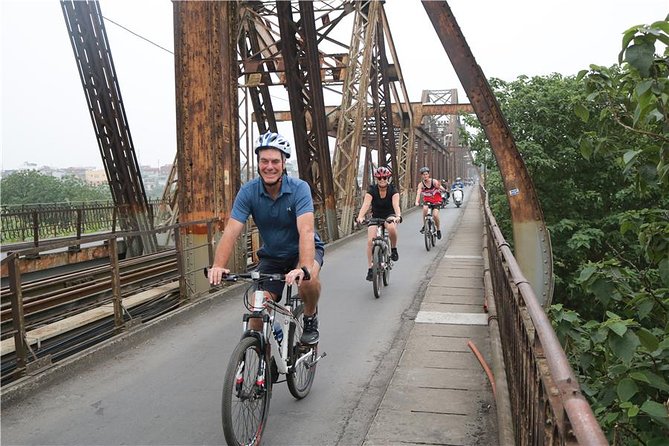
Hanoi, the capital of Vietnam offers a wide selection of both day cycling tours and short cycling excursions. The most popular Hanoi cycling tours are the half-day and one-day tours are arranged in Hanoi city and its surrounding countryside area.
May 28, 2025

Vietnam mountain bikes, also known as trailbikes are the workhorse category of mountain bikes. An all mountain bike is a mountain bike built to handle almost everything a mountain biker will run into on a full day of riding.
May 28, 2025

I had done my research before sign-ing up for a four day and three night cycling tour in Lao Cai province with Golden Trail Travel. My friends thought I was mad, cycling around one of the most mountains parts of northern Vietnam. But, the trip is well planned, so you’re never on your own. But I didn’t tell my friends that – I liked to think they pictured me huff-ing and puffing on my father’s rickety old Peugeot up and down the hills under a blazing hot sun.
May 28, 2025
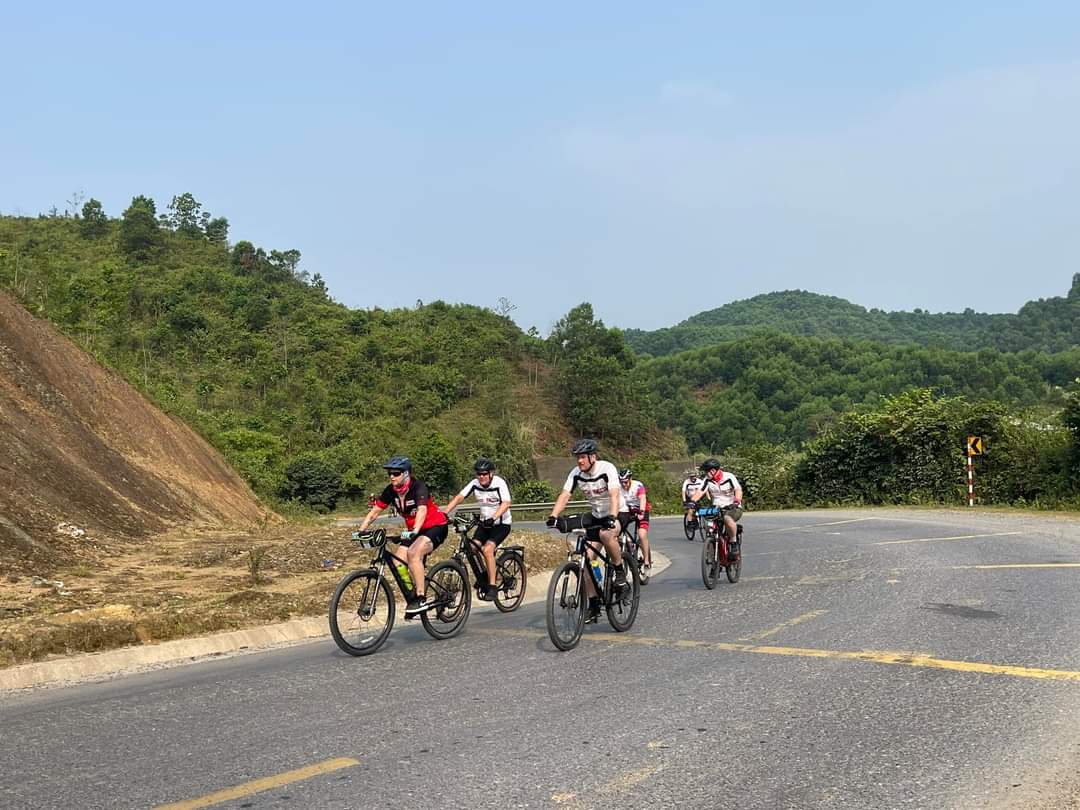
The best biking trails for cycling from Hanoi to Luang Prabang, Laos is the north-west Vietnam. After a visit to Hanoi, the capital of Vietnam, you can take the overnight train, usually departs at 21:00 pm in Hanoi and arrive around 5:00 am the following day.
May 28, 2025
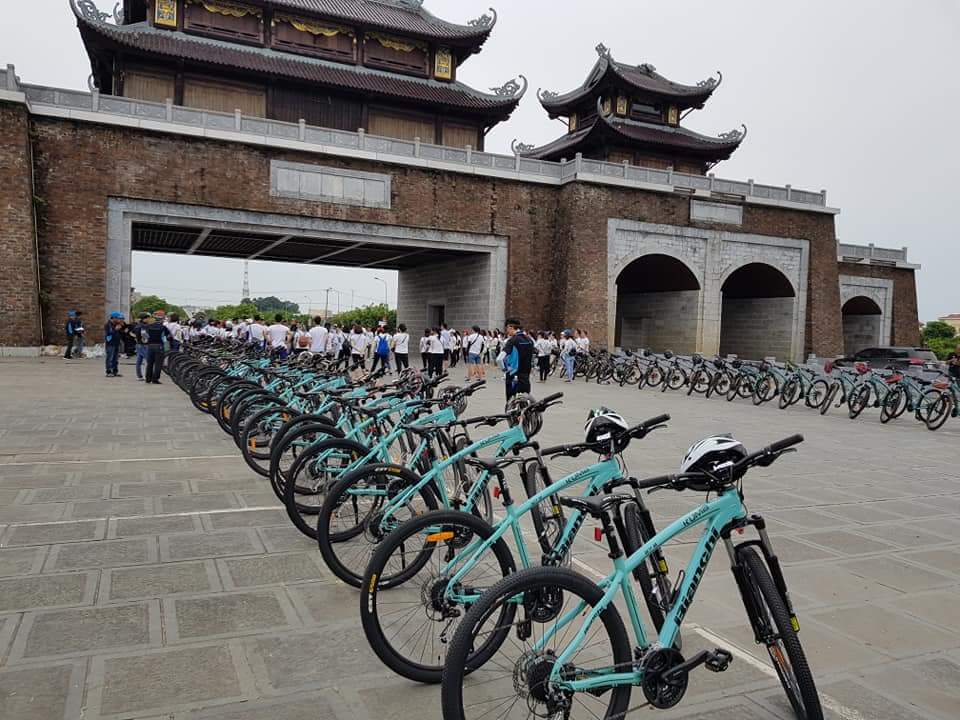
If you look for a bicycle hire service in Hanoi, then you have just found the right place. Vietnam Cycling is a Hanoi based tour operator offering both bicycle tours and bike hire service.
May 28, 2025
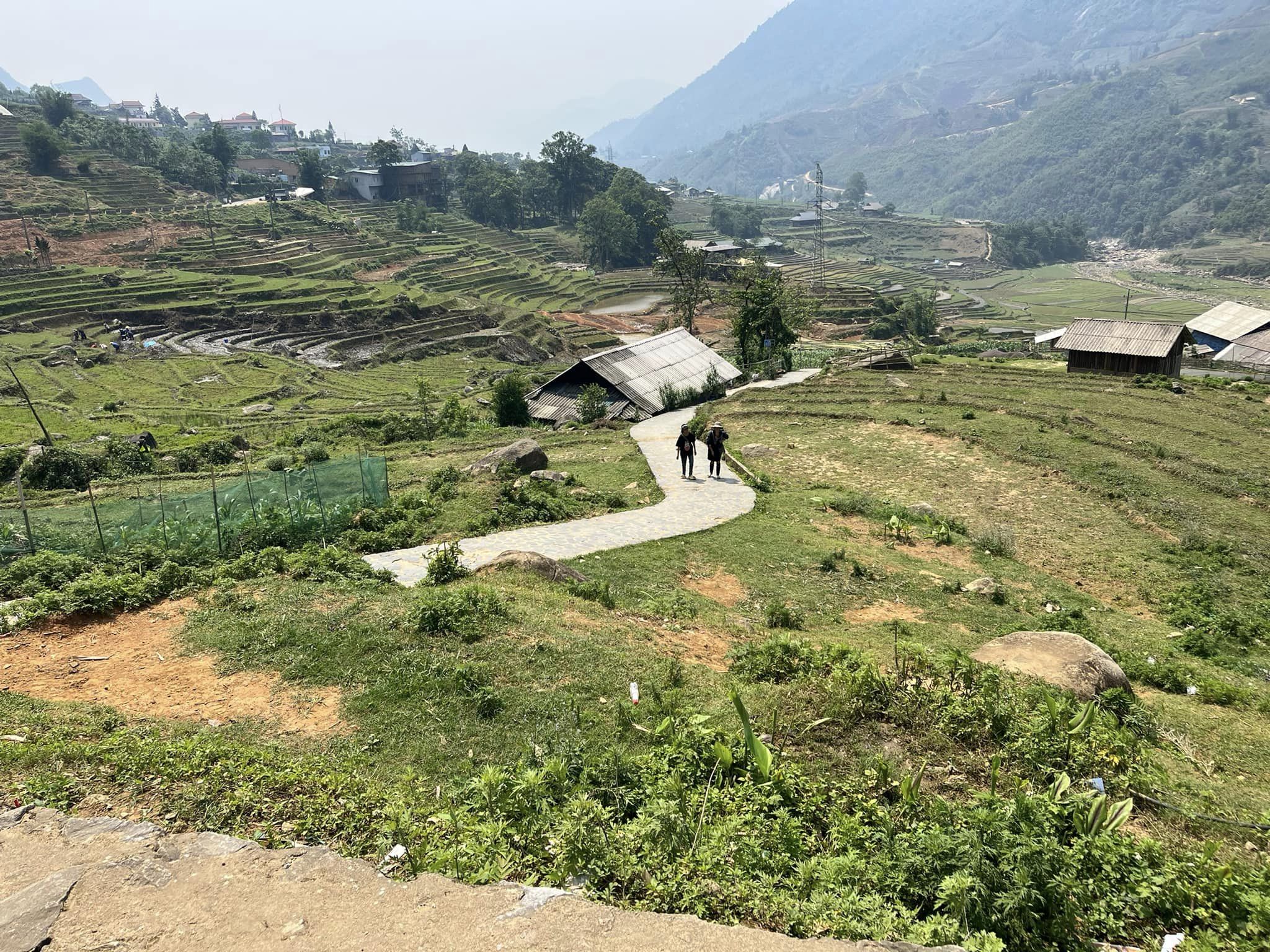
Cycling in Vietnam in March can be a truly unforgettable experience. The country is known for its beautiful natural landscapes, bustling cities, and rich culture, all of which can be explored by bike.
May 28, 2025
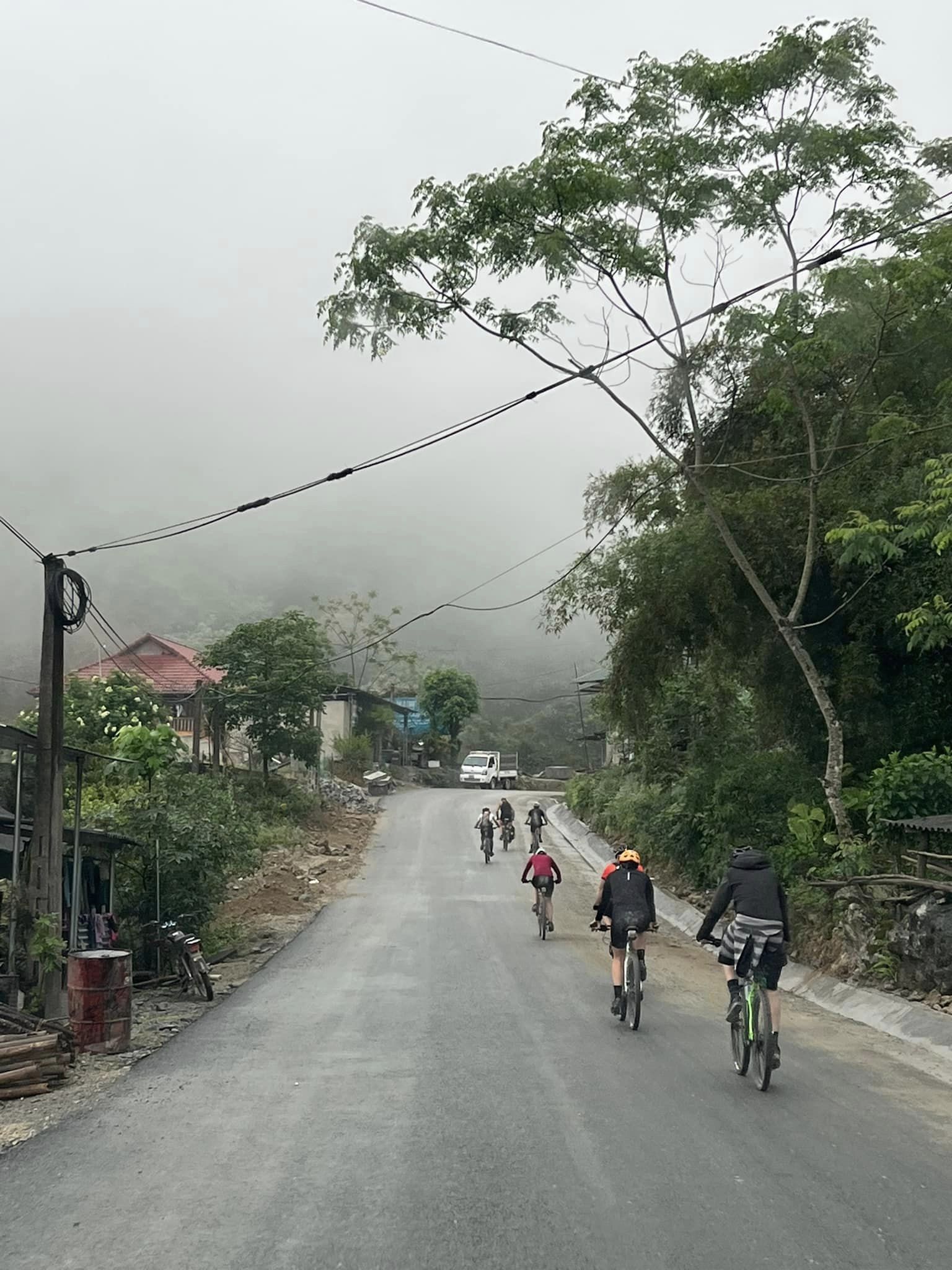
April is a great time to visit Vietnam and go cycling, as the weather is generally warm and dry, with temperatures ranging from the mid-70s to mid-80s Fahrenheit (25-30°C). The country is known for its beautiful natural landscapes, bustling cities, and rich culture, all of which can be explored by bike
May 28, 2025
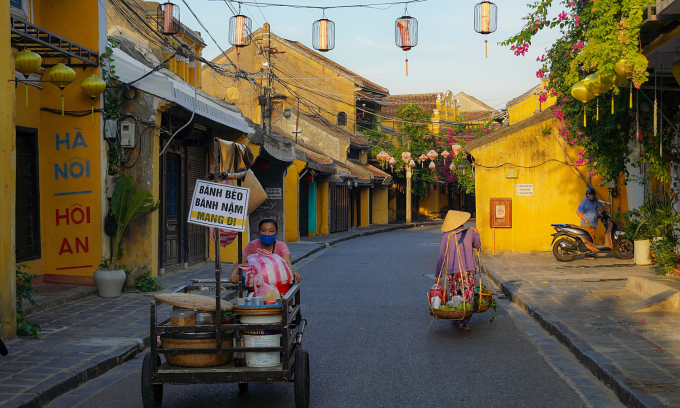
Architectural Digest has ranked Tran Phu Street in Hoi An, known for its century-old homes and monthly lantern festival, as one of the 71 most beautiful streets in the world.
May 28, 2025
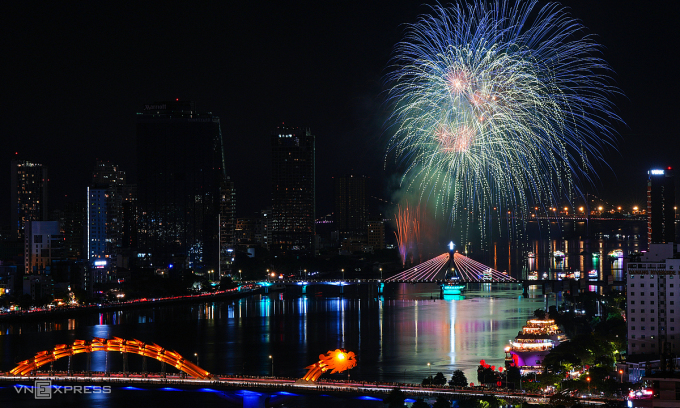
There are plenty of hotels, eateries, and homes in Danang that provide views of the International Fireworks Festival, but they are not free.
This evening, June 8, is the opening night of the Danang Fireworks International Festival.
Nearly 10,200 seats, double that of 2023, are available in the festival viewing stands, and all of the tickets for the last night have been sold.
May 28, 2025
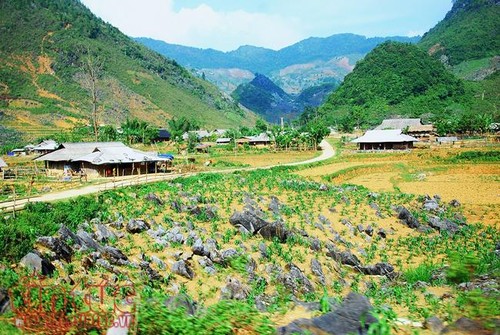
Tua Chua, a mountainous district of Dien Bien province offers great fun trekking homestay tours, hiking, walking experience in the north west region of Vietnam. Look for some jungle trek, trekking homestay, hill tribe trek in an off the beaten path destination in Vietnam? Tua Chua might be a perfect choice.
May 28, 2025
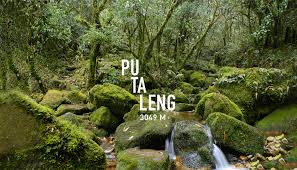
Pu Ta Leng Mountain is located in Hoang Lien Son mountain range, at Ta Leng village, Tam Duong commune, Lai Chau province. Its peak, at 3,049 meters above sea level is the second highest peak in Indochina.
May 28, 2025
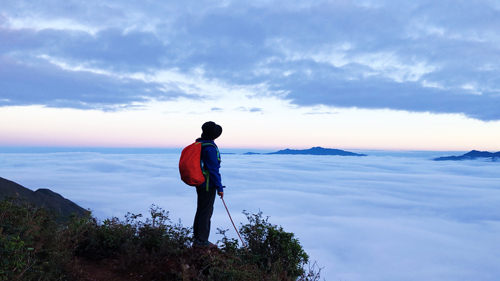
Ta Chi Nhu mountain is situated in Tram Tau District, in the northern mountainous province of Yen Bai, Vietnam. It is one of top places of mountain climbers and “cloud” hunters.
May 28, 2025
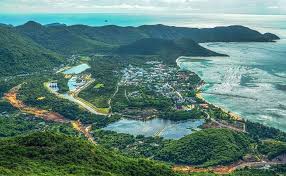
Con Dao National Park is a natural reserve area on Con Dao Island, in Ba Ria Vung Tau Province in coastal southeastern Vietnam. The park includes a part of the island and the surrounding sea. The national park is characterized by a diverse ecosystem. Many species of corals and especially the sea turtles, dolphins, and endangered dugongs are found here
May 28, 2025
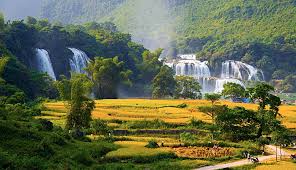
Trekking North East Vietnam to discover tropical forest, karst mountains and Tay, Nung, Dzao hill tribes at the north of the Red River Delta, Vietnam.
May 28, 2025
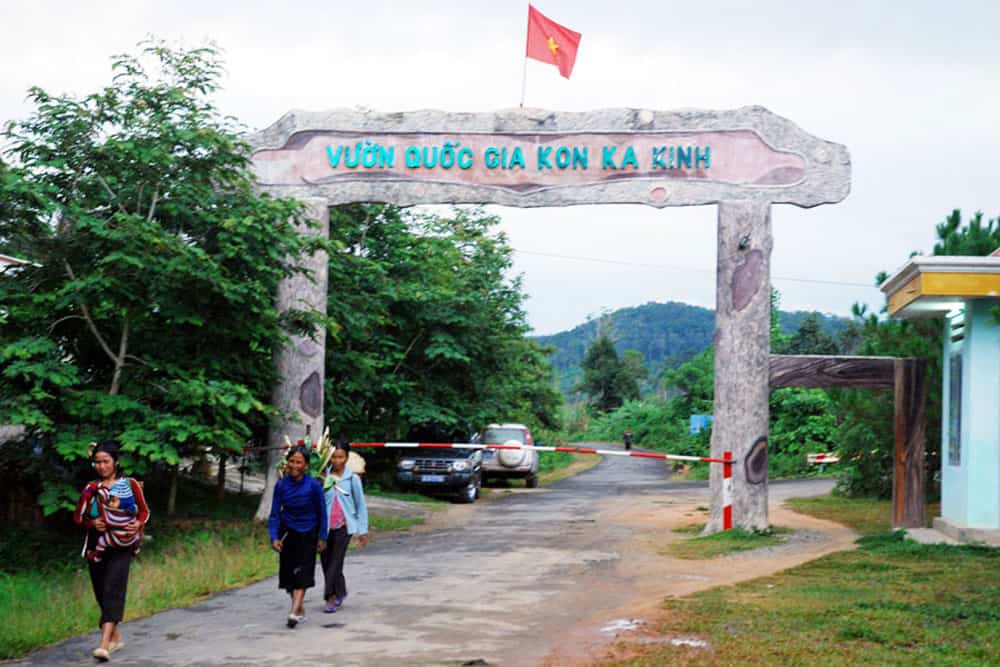
Kon Ka Kinh National Park is located in Kon Pne, Dakrong and Krong communes, K’Bang district, Ha Dong commune, Dak Doa district, and Ayun commune, Mang Yang district, Gia Lai province. The national park is situated on the Kon Tum plateau in the central Annamite mountains.
May 28, 2025
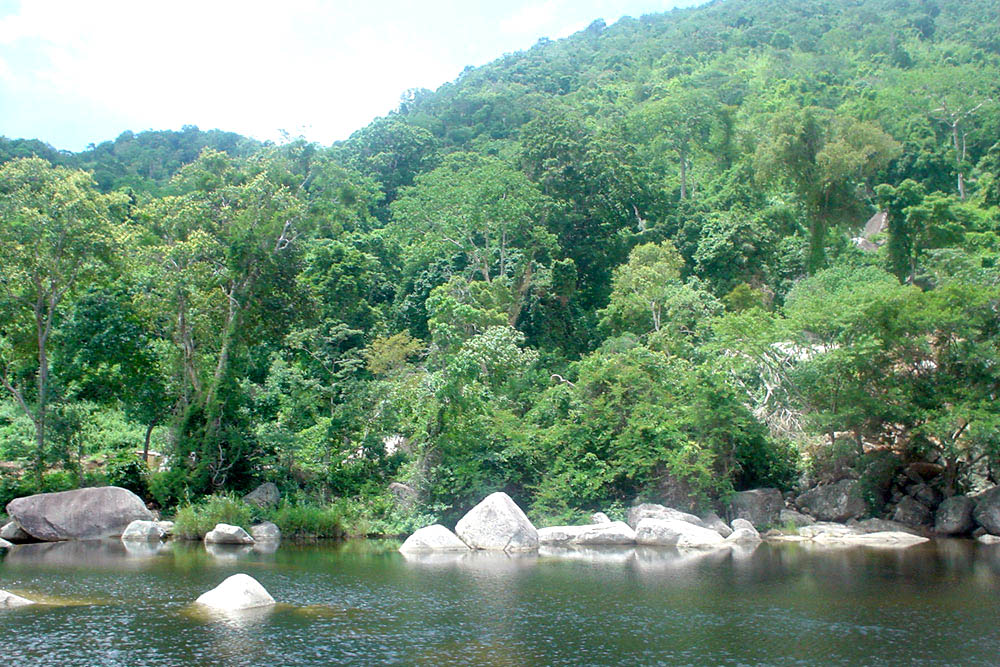
Chu Yang Sin National Park is located in Lak and Krong Bong districts, Dak Lak province, 60 km to the south-east of Buon Ma Thuot city. The national park encompasses a range of high mountains in the northern part of the Southern Annamite Mountains. The national park is centered on Mount Chu Yang Sin, which, at 2,442 m, is the highest point in the southern Annamites. The topography of the national park is characterized by steep slopes and narrow valleys.
May 28, 2025
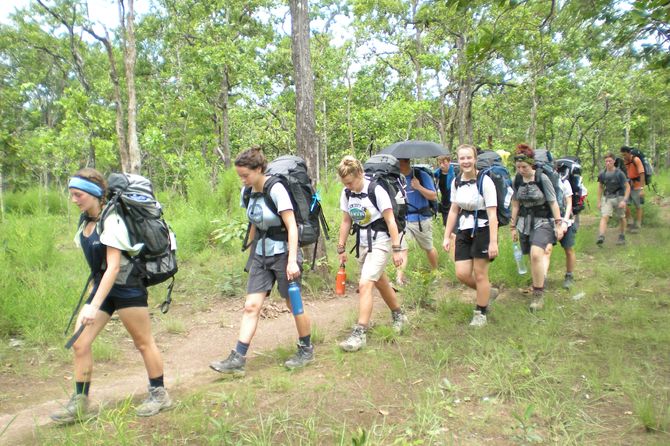
Chu Mom Ray National Park lies in the two districts of Sa Thay and Ngoc Hoi in Kon Tum Province, central highlands of Vietnam. It is the only national park in Vietnam which shares the border with the two countries of Laos and Cambodia.
May 28, 2025