15 Ng. 100 Đ. Nguyễn Xiển, Thanh Xuân Nam, Thanh Xuân, Hà Nội 100000
15 Ng. 100 Đ. Nguyễn Xiển, Thanh Xuân Nam, Thanh Xuân, Hà Nội 100000
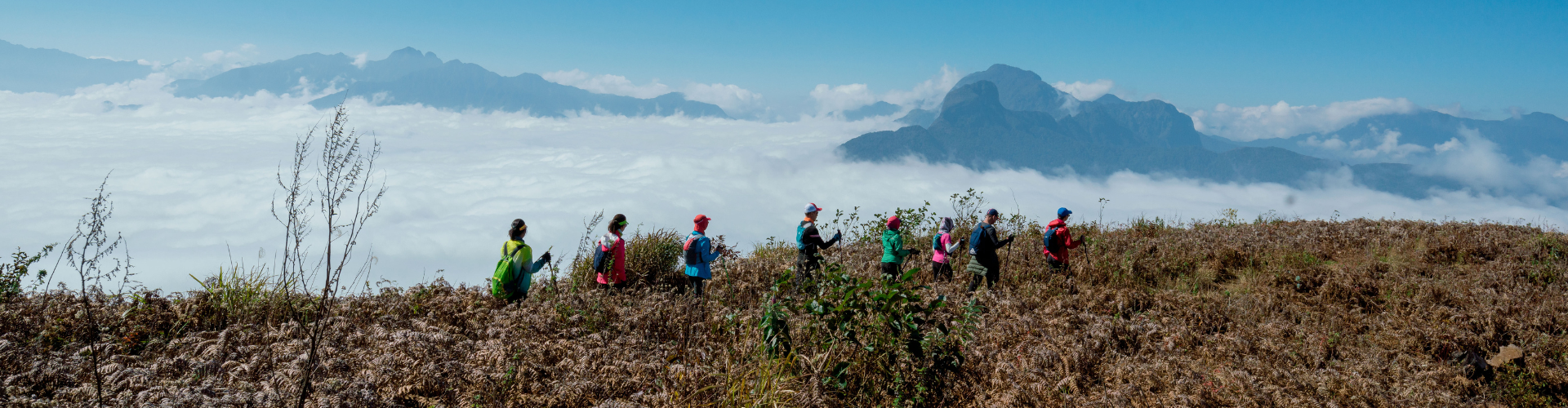
Imagine standing at the base of a colossal pyramid of black rock, its northern face rising dramatically into the heavens, often shrouded in swirling clouds or bathed in the ethereal glow of sunrise. The air is thin, crisp, and charged with an almost tangible spiritual energy. Around you, pilgrims from across the globe, of all ages and walks of life, embark on a sacred circumambulation, their footsteps echoing a millennia-old tradition. This is Drirapuk Monastery (Dirapuk), a humble yet profoundly significant stop on the challenging Mount Kailash Kora (Parikrama), the revered pilgrimage route around the holy mountain. Situated at an astonishing altitude of approximately 5,050 meters (16,568 feet), Drirapuk offers the closest, most awe-inspiring views of Mount Kailash's North Face, making it an unforgettable and pivotal point for every pilgrim and adventurer on this spiritual odyssey through the rugged Tibetan Himalayas. If you seek a journey that tests your physical limits while profoundly nourishing your soul, a night at Drirapuk is an essential and transformative experience on the path to spiritual liberation.
Drirapuk is more than just a guesthouse; it's a place of profound spiritual importance, particularly for those undertaking the sacred Kailash Kora.
The primary reason for Drirapuk's prominence is its unparalleled proximity to the North Face of Mount Kailash. This side of the mountain is considered the most sacred and visually dramatic, often depicted in Buddhist and Hindu iconography. From Drirapuk, Kailash looms directly before you, its towering, dark granite walls appearing almost within reach. The sheer scale and mystical aura of the mountain from this vantage point are truly overwhelming, leaving a lasting impression on all who behold it. For many, seeing Kailash up close from Drirapuk is the spiritual climax of their pilgrimage.
The Mount Kailash Kora (also known as Parikrama or circumambulation) is a 52-kilometer (32-mile) trek around the base of the holy mountain, typically completed in three days. Drirapuk marks the end of the first day's trek, a challenging but rewarding journey from Darchen.
Day 1 of Kora: Darchen (4,670m) to Drirapuk (5,050m) – approximately 20-22 km (6-8 hours). This first leg of the Kora is relatively gentle in elevation gain but covers a significant distance.
Spiritual Significance of the North Face: For many pilgrims, the North Face viewed from Drirapuk is considered the most sacred, representing the abode of Shiva (in Hinduism) or the mandala of Demchog (Chakrasamvara) (in Buddhism). It is believed that a single circumambulation cleanses the sins of a lifetime, and 108 circumambulations can lead to enlightenment.
While basic, Drirapuk is home to a small monastery (Drirapuk Monastery), which provides spiritual support for pilgrims. Monks reside here year-round, performing daily rituals and offering blessings. The presence of the monastery adds to the sacred atmosphere, reinforcing Drirapuk's role as a place of retreat, prayer, and deep spiritual connection amidst the challenging environment.
Staying at Drirapuk is not about comfort; it's about the unique combination of breathtaking natural beauty, profound spiritual energy, and the physical challenge of extreme high altitude.
This is undoubtedly the highlight. From the guesthouse, the temple, or any vantage point around Drirapuk, the North Face of Mount Kailash dominates the horizon.
Iconic Features: You can clearly see the distinctive vertical lines and horizontal strata that resemble a gigantic swastika or "Om" symbol, formations that contribute to the mountain's mystique.
Sunrise and Sunset: These times offer particularly magical views as the low-angle light dramatically illuminates the dark rock face, often transforming its appearance with ethereal glows of gold, orange, and purple. The crisp, clean air at this altitude allows for incredibly sharp visibility.
Photography: Bring your camera with extra batteries (cold drains them quickly) and be prepared for truly once-in-a-lifetime photographic opportunities.
The small Drirapuk Monastery (DirapukGompa) itself is a humble but deeply revered site.
Pilgrim Offerings: Pilgrims often visit the monastery to offer prayers, light butter lamps, and receive blessings from the resident monks.
Spiritual Atmosphere: Despite its basic structure, the monastery exudes a powerful spiritual energy, enhanced by the constant murmur of mantras and the presence of devoted pilgrims.
Simple Beauty: Inside, you'll find simple altars, Buddha statues, and vibrant thangka paintings.
Accommodation at Drirapuk is extremely rustic, typically consisting of:
Communal Dormitories: Most guesthouses offer unheated dormitory-style rooms with multiple beds.
Basic Facilities: Expect pit toilets (outside), no running water (often just a bucket of water for basic washing), and limited or no electricity (some places might have a generator for a few hours in the evening for charging).
Warmth is Key: The nights are bitterly cold, even in summer. Guests must rely on their high-quality sleeping bags (essential!), warm clothing, and the company of fellow pilgrims for warmth.
Simple Food: Meals are basic but hearty, usually consisting of noodle soup, rice, and simple vegetable or meat dishes, prepared to provide warmth and energy.
Staying here is part of the pilgrimage experience, a test of endurance and a reminder of the simple life revered by many practitioners of Tibetan Buddhism.
Drirapuk is a unique melting pot of spiritual seekers. You'll encounter:
Tibetan Pilgrims: Many undertaking the Kora with deep devotion, some prostrating the entire route.
Indian Pilgrims: Primarily Hindus and Jains, for whom Kailash is sacred.
International Trekkers: Adventurers and spiritual seekers from around the world.
This diverse gathering creates a powerful shared experience, fostering camaraderie and mutual respect among those undertaking this challenging spiritual journey.
Drirapuk marks the completion of the first segment and the preparation for the most challenging part of the Mount Kailash Kora.
The trek to Drirapuk from Darchen is an approximately 20-22 km (12-14 miles) journey that takes most people 6-8 hours.
Initial Path: The path generally follows the Lha Chu (God River) valley.
Gentle Ascent (Overall): While there are some gradual ascents and descents, the overall elevation gain from Darchen (4,670m) to Drirapuk (5,050m) is manageable, making it a good first day for acclimatization.
Views: The route offers stunning views of the surrounding valleys, prayer flag-strewn hillsides, and the initial glimpses of the distant Kailash.
The night at Drirapuk is crucial for rest and preparation for Day 2 of the Kora, which involves crossing the infamous Dolma La Pass (DrolmaLa) at an staggering 5,630 meters (18,471 feet) – the highest point of the circumambulation.
Early Start: Most pilgrims begin Day 2 very early in the morning from Drirapuk to tackle the pass, aiming to cross it before midday when weather conditions can deteriorate.
Physical and Mental Test: The ascent to Dolma La is steep, rocky, and extremely challenging due to the altitude. It requires significant physical endurance and mental fortitude.
Spiritual Significance of Dolma La: The pass is deeply sacred, believed to be the abode of the goddess Dolma (Tara). Pilgrims often leave personal belongings or offerings here, symbolizing shedding past karmas.
After crossing Dolma La, the path descends steeply to Zultrul Puk (ZutulpukGompa) (4,820m), the second overnight stop. Drirapuk is thus the pivotal point, marking the turning point from relatively easier trekking to the most arduous part of the Kora.
Staying at Drirapuk means embracing extreme high-altitude conditions. Proper preparation is not just advisable; it's absolutely essential for safety and comfort.
Prioritize Acclimatization: Your tour (like those offered by Golden Trail Travel) will ensure you spend sufficient time acclimatizing in Lhasa (3,650m), Shigatse (3,800m), and possibly other stops before reaching Darchen. Do not rush this process.
Hydration: Drink vast amounts of water (4-5 liters per day). Avoid alcohol and caffeine.
Slow Pace: Trek slowly, taking frequent breaks. "Go high, sleep low" is the principle, which is why Drirapuk is a key overnight stop.
Listen to Your Body: Pay close attention to symptoms like headache, nausea, dizziness, fatigue, or difficulty sleeping. Inform your guide immediately if symptoms worsen.
Medication: Consult your doctor about prophylactic medications like Diamox (Acetazolamide) before your trip.
Oxygen: Your tour guide will carry emergency oxygen. Guesthouses at Drirapuk may have oxygen for a fee.
Food: Eat light, carbohydrate-rich meals. Avoid heavy, fatty foods.
High-Quality Sleeping Bag: A very warm, negative-rated sleeping bag is non-negotiable (comfort rating around -15°C to -20°C).
Layered Clothing: Thermal base layers, fleece, down jacket, waterproof/windproof outer shell. Temperatures plummet at night.
Warm Hat, Gloves, Scarf/Balaclava: Protect from extreme cold and wind.
Sun Protection: High-altitude sun is intense (sunscreen, sunglasses, wide-brimmed hat).
Sturdy Trekking Boots: Broken-in, waterproof, ankle support.
Trekking Poles: Highly recommended for stability on uneven terrain and steep ascents/descents.
Headlamp/Flashlight: No electricity at night.
Personal Medications & First Aid: Essential.
Snacks: High-energy snacks (chocolate, nuts, dried fruit).
Power Bank: To charge electronics (no reliable electricity).
Water Bottle/Camelbak: Essential for hydration.
Toiletries: Wet wipes, hand sanitizer, toilet paper.
Cash: For basic purchases at guesthouses.
Undertaking the sacred journey to Mount Kailash, particularly the Kora, is an incredibly challenging but profoundly rewarding experience. Due to its remote location, extreme altitude, and the complex permit requirements for foreigners in Tibet, an organized tour with a highly experienced and reliable operator like Golden Trail Travel is absolutely mandatory.
Mastery of Tibet & Kailash Permits: Golden Trail Travel specializes in navigating the intricate and often changing permit system for Tibet, including the highly specific permits required for the Kailash region (Tibet Travel Permit, Alien's Travel Permit, Military Permit, Frontier Pass). They handle all the paperwork, ensuring a seamless and stress-free entry.
Unrivaled Altitude Acclimatization Strategy: Your safety is their top priority. Golden Trail Travel designs itineraries that incorporate crucial acclimatization days in Lhasa, Shigatse, and Darchen before you even begin the Kora. They provide expert guidance on managing AMS and ensure you have access to emergency oxygen and support throughout your high-altitude trek, including at Drirapuk.
Expert Local Tibetan Guides & Support Team: Your journey will be led by licensed, English-speaking Tibetan guides who are not only knowledgeable about the spiritual and historical significance of Kailash but are also highly experienced in high-altitude trekking and safety protocols. Their support team (drivers, yak/porter arrangements) ensures all logistics are handled efficiently.
Thoughtfully Arranged Logistics: From securing flight/train tickets within China to providing robust 4WD vehicles for the challenging Tibetan roads, and arranging the best available (though basic) guesthouse accommodations along the Kora, Golden Trail Travel manages every detail, allowing you to focus on your spiritual journey.
Authentic Cultural & Spiritual Immersion: Beyond just reaching sights, Golden Trail Travel provides opportunities for genuine cultural and spiritual immersion. Your guides will offer insights into Tibetan Buddhism, explain the significance of rituals, and facilitate respectful interactions, deepening your understanding of the Kailash pilgrimage.
Dedicated 24/7 Support & Safety: With an unwavering commitment to traveler safety and round-the-clock support, Golden Trail Travel provides complete peace of mind. They are prepared for any unforeseen circumstances, ensuring you have a secure and fulfilling experience in this remote and challenging region.
It is crucial to understand that independent travel to Tibet, and especially to the Mount Kailash region, is strictly forbidden for foreigners. You must:
Obtain a Tibet Travel Permit (TTP).
Obtain additional permits for the Kailash region (Alien's Travel Permit, Military Permit, Frontier Pass).
Travel with a licensed tour guide throughout your journey.
Travel in a private vehicle arranged by a licensed tour agency for all routes outside Lhasa.
Have a pre-arranged and approved itinerary.
For the Kora, you will typically use yaks or porters to carry your main luggage, trekking only with a daypack.
Golden Trail Travel expertly manages all these complex requirements, transforming your spiritual pilgrimage to Kailash into a seamless and safe reality.
Option 1: Mount Kailash Pilgrimage via Lhasa & Everest (15-18 Days) This is the most comprehensive and recommended itinerary, providing ample acclimatization and covering all major highlights of Tibet before the challenging Kailash Kora.
Days 1-3: Lhasa Acclimatization & Exploration.
Arrive Lhasa. Explore Potala Palace, Jokhang Temple, Barkhor Street, Drepung & Sera Monasteries.
Days 4-6: Lhasa to Shigatse & Tingri (En route to Everest).
Drive from Lhasa to Gyantse (Yamdrok Lake, Pelkor Chode).
Drive to Shigatse (Tashilhunpo Monastery).
Drive to Tingri/Shegar (acclimatization stop, panoramic views of Himalayas).
Days 7-8: Everest Base Camp (EBC) & Back to Shigatse.
Drive to Rongbuk Monastery & EBC. Witness Mount Everest. Overnight at EBC (basic).
Drive back to Shigatse.
Days 9-10: Shigatse to Saga.
Long driving days from Shigatse/Lhasa to Saga (another crucial stop before Kailash region). Gradual ascent to higher plains.
Days 11-12: Saga to Darchen (Kailash Base).
Drive from Saga to Lake Manasarovar (holy lake, spiritual significance). Spend time at the lake.
Continue to Darchen (4,670m), the base village for the Kailash Kora. Rest and final preparations.
Day 13: Kora Day 1: Darchen to Drirapuk (20-22 km trek).
Begin the sacred Kora. Trek along the Lha Chu valley.
Arrive at Drirapuk (5,050m). Witness the spectacular North Face of Mount Kailash.
Overnight in a basic guesthouse at Drirapuk.
Day 14: Kora Day 2: Drirapuk to Zultrul Puk (22 km trek via Dolma La Pass).
The most challenging day. Early morning start.
Ascend to Dolma La Pass (5,630m). Descend to Zultrul Puk.
Overnight in a basic guesthouse at Zultrul Puk.
Day 15: Kora Day 3: Zultrul Puk to Darchen (12 km trek) & Return to Saga.
Complete the final section of the Kora.
Meet vehicle at Darchen. Drive back to Saga.
Days 16-18: Return to Lhasa & Departure.
Drive back towards Shigatse/Lhasa over two days, absorbing the vast landscapes.
Day 18: Transfer to Lhasa Gonggar Airport (LXA) for onward flight.
Option 2: Kailash Kora & Lake Manasarovar (Approx. 13-14 Days, if starting closer) This option focuses more directly on the Kailash region after adequate acclimatization.
Days 1-7 (or longer): Similar to the Lhasa & Shigatse acclimatization and journey to Saga.
Days 8-12: Follow Kailash Kora Days 11-15 above (Darchen, Drirapuk, Dolma La, Zultrul Puk, return to Darchen/Saga).
Days 13-14: Return to Lhasa and departure.
Ready to embark on your profound pilgrimage to Mount Kailash and experience the magic of Drirapuk? Visit Golden Trail Travel's website to explore their curated Tibet & Kailash tours and easily book your adventure: https://goldentrailtravel.com/
Drirapuk is more than just a stop on a trek; it is the spiritual heart of the Mount Kailash Kora experience. It's the moment when the sheer magnitude and mystical power of the holy mountain become overwhelmingly real. The sight of Kailash's North Face, so close and so utterly majestic, leaves an indelible mark on your soul. It’s a place where the line between the physical journey and the spiritual quest blurs, where every breath is a reminder of your connection to something far greater than yourself.
The challenging conditions – the thin air, the biting cold, the basic guesthouses – strip away the comforts of modern life, pushing you to rely on your inner strength and the camaraderie of fellow pilgrims. This shared endurance, coupled with the awe-inspiring presence of Kailash, creates a unique bond among travelers and a profound sense of accomplishment.
Whether you are a devout pilgrim, a seasoned trekker, or an adventurous soul seeking a truly transformative experience, the night at Drirapuk and the views it offers will be among the most powerful and unforgettable moments of your life. It's a testament to the enduring power of faith, the grandeur of the Himalayas, and the profound journey of the human spirit.
Q1: Where is Drirapuk located? A1: Drirapuk (Dirapuk) is a monastery and guesthouse complex located in Ngari Prefecture, Tibet Autonomous Region, China. It is situated on the north side of Mount Kailash, serving as the first overnight stop on the Mount Kailash Kora (circumambulation).
Q2: What is the altitude of Drirapuk? A2: Drirapuk is at an astonishing altitude of approximately 5,050 meters (16,568 feet) above sea level. This makes it a very high-altitude location, requiring significant acclimatization.
Q3: What is Drirapuk famous for? A3: Drirapuk is famous for offering the closest and most spectacular views of the North Face of Mount Kailash, considered the most sacred and visually dramatic side of the holy mountain. It's the primary overnight stop after the first day of the Kailash Kora.
Q4: What kind of accommodation is available at Drirapuk? A4: Accommodation at Drirapuk is extremely basic. It typically consists of unheated communal dormitory rooms with multiple beds. There is usually no running water (only bucket water for basic washing), and electricity is either non-existent or limited to a few hours from a generator. Expect pit toilets outside. A very warm sleeping bag is essential.
Q5: How do I get to Drirapuk? A5: Drirapuk is only accessible by trekking from Darchen (the base village for the Kailash Kora). The trek from Darchen to Drirapuk is approximately 20-22 km and takes 6-8 hours on Kora Day 1. Foreigners must be part of an organized tour with a licensed guide and driver.
Q6: What about altitude sickness at Drirapuk? A6: Altitude sickness (AMS) is a major concern at Drirapuk's high elevation (5,050m). It is crucial to have spent several days acclimatizing in Lhasa (3,650m) and Shigatse (3,800m) before starting the Kailash Kora. Stay well hydrated, trek slowly, and inform your guide immediately if you experience severe symptoms. Emergency oxygen is usually available.
Q7: How long is the Mount Kailash Kora, and how many days does it take? A7: The Mount Kailash Kora (inner circumambulation) is approximately 52 kilometers (32 miles) long. It is typically completed in three days of trekking, with overnight stops at Drirapuk and Zultrul Puk.
Q8: Do I need special permits to visit Drirapuk and do the Kailash Kora? A8: Yes, foreigners require multiple permits: a Tibet Travel Permit (TTP), an Alien's Travel Permit, a Military Permit, and a Frontier Pass. All these permits must be arranged by a licensed tour operator like Golden Trail Travel, as independent travel is forbidden.
Q9: What should I pack for an overnight stay at Drirapuk? A9: Essential items include a very warm, negative-rated sleeping bag, layered warm clothing (thermals, fleece, down jacket, waterproof shell), warm hat, gloves, headlamp, power bank, personal medications, high-energy snacks, water bottles, and toiletries (wet wipes, hand sanitizer).
Q10: Can I hire yaks or porters for the Kailash Kora? A10: Yes, it is highly recommended to hire yaks (to carry main luggage) and/or local porters (to carry daypacks) for the Kailash Kora. Your tour operator, such as Golden Trail Travel, will assist in arranging these services in Darchen.
"Staying at Drirapuk and seeing the North Face of Kailash up close was the most profound experience of my life. The conditions were basic, but the spiritual energy and the views were simply out of this world. Golden Trail Travel managed every single detail, from permits to yaks, making this challenging pilgrimage possible and safe." — Eleanor V., USA
"The Mount Kailash Kora was a test of endurance and faith, and Drirapuk was the jewel in the crown of Day 1. The sunrise over Kailash from our guesthouse was ethereal. Golden Trail Travel's team, especially our Tibetan guide, was exceptional. Their expertise in managing the altitude and logistics was truly reassuring." — Dr. Anya Sharma, India
"Drirapuk truly puts you face-to-face with Kailash. It's rugged, cold, and basic, but entirely worth it for the views and the spiritual connection. Golden Trail Travel's attention to detail, from acclimatization plans to ensuring we had warm sleeping bags, made all the difference on this epic journey." — Michael W., UK
"Our pilgrimage to Kailash with Golden Trail Travel was life-changing. The night at Drirapuk was unforgettable, despite the simplicity. Sharing that experience with pilgrims from around the world, all drawn to this sacred mountain, was incredibly moving. We couldn't have done it without Golden Trail Travel's meticulous planning and support." — The Dubois Family, France
"Golden Trail Travel organized our entire Kailash Kora, and they were outstanding. Their pre-trip advice was spot on, and during the trek, our guide's knowledge and care were invaluable, especially at high points like Drirapuk and Dolma La. This is a challenging trip, but with Golden Trail Travel, it felt secure and deeply rewarding." — Li Mei and Family, Singapore


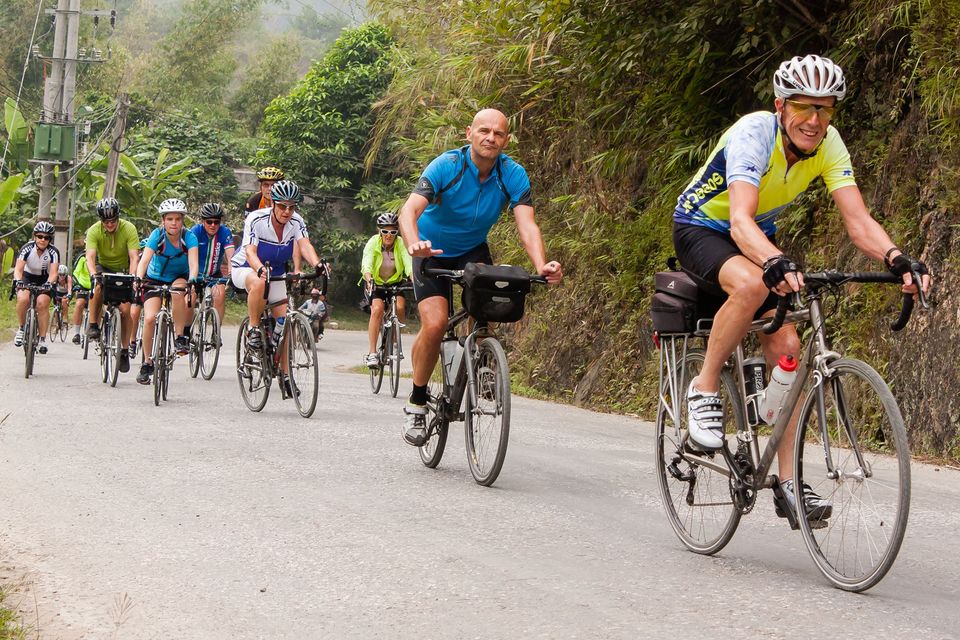
Cycling from Vietnam North to South is more than just a bike tour—it’s an unforgettable journey through history, culture, and nature. From misty mountains in the north to sun-kissed beaches in the south, this coast-to-coast ride offers incredible variety, both in terrain and experience.
December 03, 2025
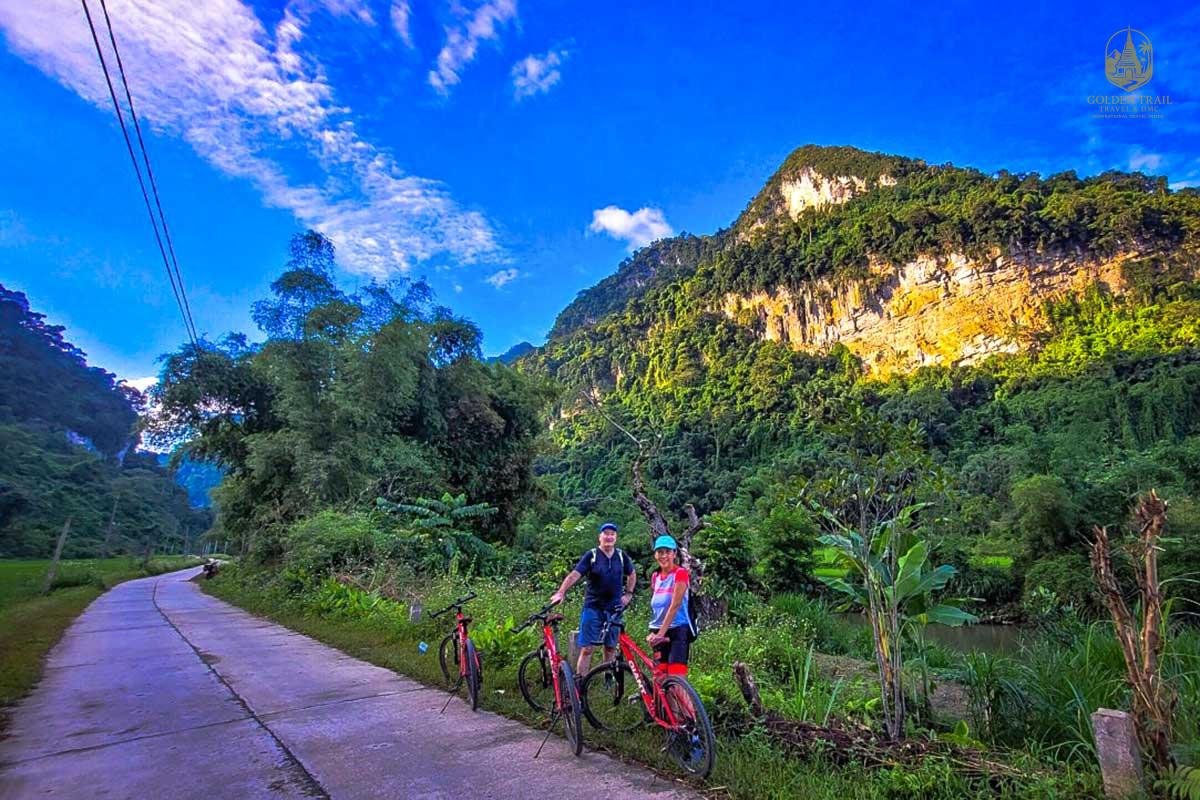
If you're seeking the ultimate off-the-beaten-path cycling experience in Vietnam, look no further than the Hanoi to Ba Be to Cao Bang cycling route. This journey takes you from the bustling capital into the untouched wilderness of the northern highlands, weaving through remote ethnic villages, lush valleys, shimmering lakes, and towering limestone mountains.
December 03, 2025

If you’re looking for a cycling experience that blends majestic landscapes, ethnic culture, and hidden natural wonders, then the Cao Bang cycling 3 days 2 nights itinerary is exactly what you need. Located in Vietnam’s northeast near the Chinese border, Cao Bang is a treasure trove of limestone peaks, rice terraces, waterfalls, and local villages—best discovered on two wheels.
December 03, 2025

Deep in the heart of Cao Bang Province, hidden beneath towering limestone mountains and lush green valleys, lies a natural masterpiece—Nguom Ngao Cave. While many visit this underground wonder by car or bus, the most immersive and rewarding way to experience it is via the Nguom Ngao Cave bike route, a journey that combines scenic cycling, cultural encounters, and the awe of exploring one of Vietnam’s most stunning caves.
December 03, 2025

In the remote highlands of Cao Bang Province, where forested mountains meet ancient trade paths, lies a village that has been crafting tools from fire and steel for more than 300 years. Welcome to Phuc Sen Forging Village, a vibrant cultural destination and living museum of Vietnam’s traditional blacksmithing heritage.
December 03, 2025
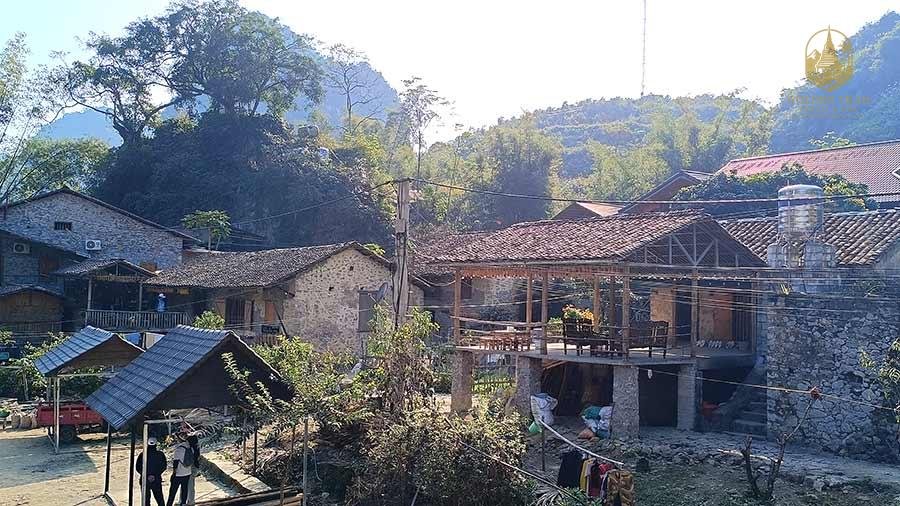
If you're dreaming of a place where time slows down, where tradition lives in every stone, and where hospitality is woven into daily life, then staying at a Khuoi Ky stone village homestay is exactly what you’re looking for. Located in Cao Bang province, just a few kilometers from the majestic Ban Gioc Waterfall, Khuoi Ky is a unique Tay ethnic village famous for its centuries-old stone houses—a rare architectural and cultural gem in Vietnam.
December 03, 2025
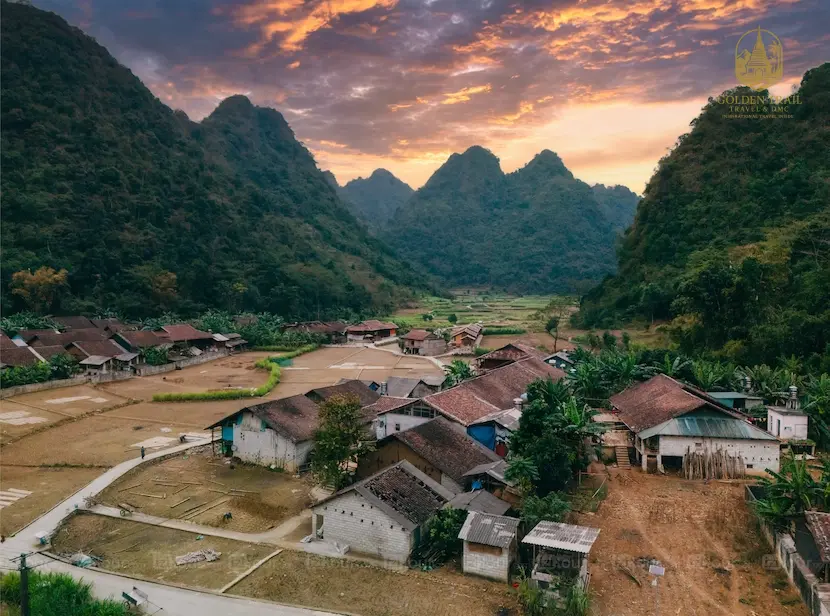
If you're looking for a cycling experience that combines peaceful countryside, authentic craft traditions, and warm cultural encounters, then Phia Thap incense village biking is the perfect choice. Located in Quang Uyen District, Cao Bang province, this small Tay ethnic village is famous for its centuries-old craft of making traditional incense—and offers the ideal setting for a tranquil and immersive ride.
December 03, 2025

For true adventurers seeking the most remote, authentic, and visually stunning cycling journey in Southeast Asia, border belt cycling in Vietnam offers a rare and unforgettable experience. Winding along Vietnam’s rugged northern frontier, this epic route brings you face-to-face with dramatic mountains, borderland culture, misty valleys, and local communities that few travelers ever meet.
December 03, 2025
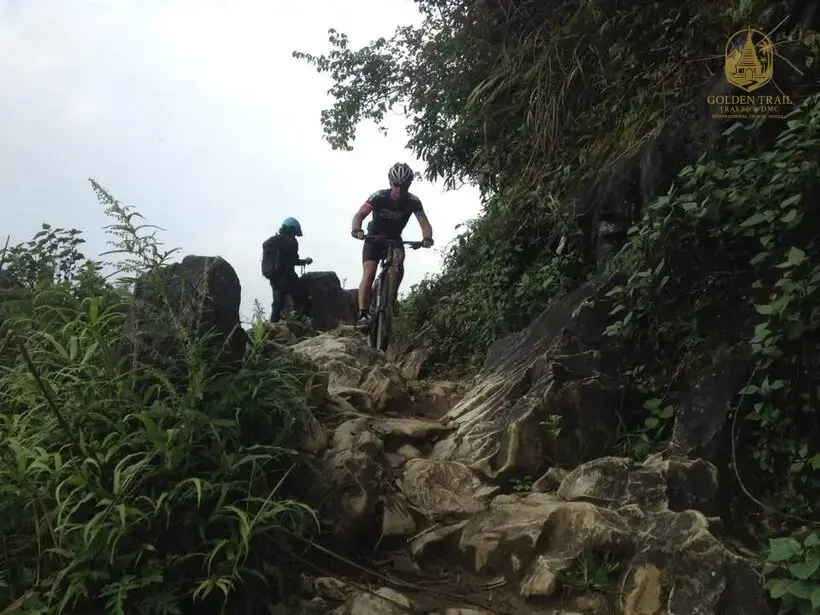
Looking for the ultimate off-the-grid adventure? Off-road cycling in Cao Bang is your gateway to Vietnam’s raw beauty—where limestone peaks pierce the sky, jungle trails wind through ancient valleys, and remote ethnic villages greet you with warm smiles. This is not just a ride. It’s an expedition into one of Vietnam’s least-explored and most stunning provinces.
December 03, 2025

For cyclists seeking a ride that combines striking natural beauty, rich cultural heritage, and smooth mountain roads, Ma Phuc Pass cycling is a must. Located in Cao Bang province, Northern Vietnam, Ma Phuc Pass (Đèo Mã Phục) offers a scenic and rewarding ride through one of the most geologically fascinating regions in Southeast Asia.
December 03, 2025

Tucked away in the remote mountains of Bac Me District, Ha Giang province, Khau Coc Cha Pass is one of Vietnam’s steepest and most spectacular mountain roads. For passionate cyclists in search of a thrilling climb, breathtaking landscapes, and untouched highland culture, the Khau Coc Cha pass cycling route is an unmatched adventure.
December 03, 2025

Located in Cao Bang province, in northern Vietnam near the Chinese border, Non Nuoc Cao Bang UNESCO Global Geopark offers some of the most breathtaking cycling terrain in Southeast Asia. With towering limestone karsts, emerald rivers, deep caves, and ethnic minority villages, this region is a dream for adventurous riders seeking an off-the-beaten-track experience.
December 03, 2025
.jpg "Northeast Vietnam Cycling: Discover Vietnam’s Most Underrated Biking Adventure")
If you're seeking a cycling adventure that offers towering mountains, quiet roads, authentic ethnic villages, and breathtaking natural landmarks, Northeast Vietnam cycling is your ultimate journey. Far from the bustling cities and over-touristed coastal routes, this region is a cyclist’s paradise—raw, remote, and absolutely unforgettable.
December 03, 2025

If there’s one destination in Vietnam that leaves every traveler speechless, it’s Ban Gioc Waterfall. Tucked away on the border between Vietnam and China, this majestic cascade is the centerpiece of a cycling tour like no other.
December 03, 2025

If you're dreaming of a cycling route that combines jaw-dropping scenery, thrilling mountain passes, and authentic cultural encounters, look no further than cycling from Ha Giang to Cao Bang. This legendary journey in Northern Vietnam isn’t just a ride—it’s a life-changing adventure through the most breathtaking highlands of Southeast Asia.
December 03, 2025

Nestled in Vietnam’s mountainous northeast, the Cao Bang cycling loop is a hidden gem waiting to be discovered by adventurous souls. This epic cycling route winds through dramatic karst landscapes, lush valleys, remote ethnic villages, and UNESCO-recognized wonders—offering a once-in-a-lifetime experience for any two-wheel traveler.
December 03, 2025
.webp "Ethnic Minority Villages in Hoàng Su Phi: Where Rice Terraces Meet Living Culture")
Join our Ha Giang trekking tour for an authentic adventure through the breathtaking Hoang Su Phi rice terraces and stay in remote ethnic villages where time seems to slow down.
December 03, 2025
.jpg "12-Day Northern Vietnam Cycling Tour: Mu Cang Chai, Ha Giang & Hoang Su Phi Bike Adventure")
it’s an epic 12-day bike adventure that takes you deep into the heart of the country's most spectacular and remote regions.
December 02, 2025

For travelers looking to combine trekking and biking in a single immersive adventure, Kho Muong village trekking biking offers the perfect opportunity. The terrain is dramatic yet rewarding, with paths that wind through forests, rice terraces, suspension bridges, streams, and ancient karst formations. Whether you want to explore on foot, ride mountain bikes, or combine both for a full adventure, Kho Muong offers routes suitable for all intermediate-level nature explorers
November 29, 2025

Cycling to Pom Coong Village is one of the most rewarding and immersive travel experiences you can enjoy in Mai Chau Valley, northern Vietnam. Whether you are a nature lover, cultural explorer, photography enthusiast, or someone simply seeking peace away from the city, Pom Coong Village offers a perfect blend of scenic beauty, ethnic heritage, and gentle countryside cycling. The village sits in the heart of Mai Chau Valley, surrounded by rice fields, bamboo forests, grazing buffalo, peaceful streams, and traditional Thai stilt houses.
November 29, 2025