15 Ng. 100 Đ. Nguyễn Xiển, Thanh Xuân Nam, Thanh Xuân, Hà Nội 100000
15 Ng. 100 Đ. Nguyễn Xiển, Thanh Xuân Nam, Thanh Xuân, Hà Nội 100000
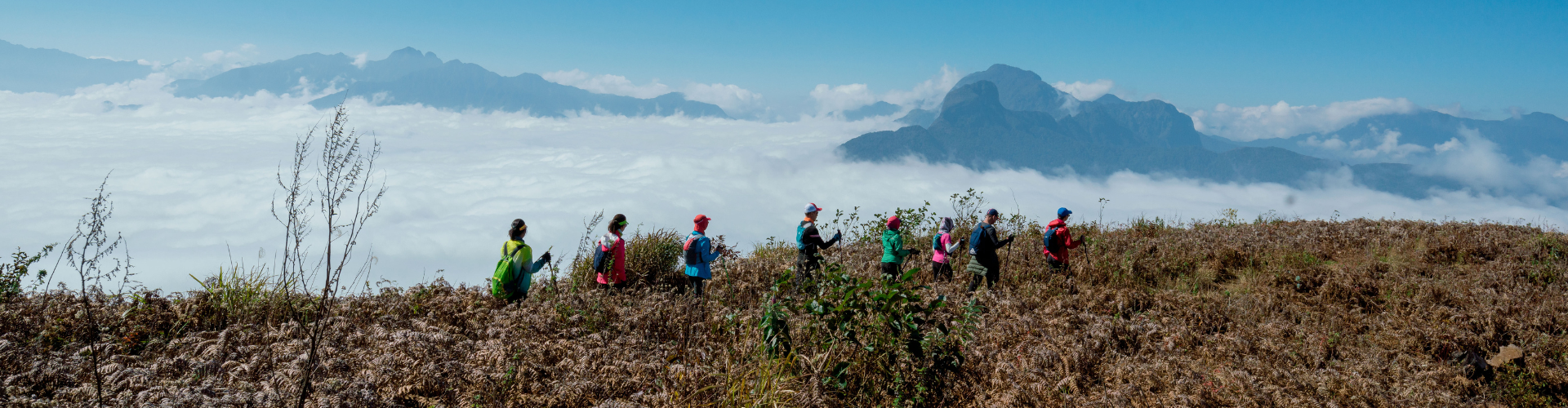
Imagine a sprawling imperial wonderland nestled amidst verdant hills, a place where emperors escaped the summer heat and governed a vast empire from serene palaces and magnificent temples. Welcome to Chengde, a city in Hebei Province, approximately 250 kilometers (155 miles) northeast of Beijing. Best known for its UNESCO World Heritage-listed Mountain Resort and its surrounding Eight Outer Temples, Chengde offers a captivating journey back to the glory days of the Qing Dynasty (1644-1911), revealing a unique blend of imperial architecture, diverse religious influences, and breathtaking natural beauty.
For travelers seeking a profound cultural immersion, an exploration of China's imperial history beyond Beijing, and a tranquil escape into picturesque landscapes, Chengde presents an irresistible allure. In this comprehensive guide, we'll unravel the rich tapestry of Chengde, exploring its iconic Mountain Resort, its magnificent Outer Temples, the surrounding natural attractions, and practical tips for an unforgettable visit. Moreover, we'll highlight how Golden Trail Travel (https://goldentrailtravel.com/) can elevate your Chengde adventure, crafting bespoke tours that seamlessly blend historical discovery with your comfort and interests, ensuring a stress-free and deeply enriching experience.
Chengde's rise to prominence began in the early 18th century when the Kangxi Emperor of the Qing Dynasty began constructing the Mountain Resort (Bishu Shanzhuang) as a summer residence and hunting ground. Over the next century, his successors, especially the Qianlong Emperor, expanded it into a vast imperial complex. More than just a summer palace, Chengde became a secondary political center where emperors conducted state affairs, received foreign dignitaries, and managed relations with ethnic minorities in the vast Qing Empire.
Today, Chengde stands as a remarkable testament to Qing imperial power and aesthetic sensibilities. Its unique collection of Han Chinese, Manchu, Tibetan, and Mongolian architectural styles in the Outer Temples reflects the Qing's policy of religious and ethnic diversity within a unified empire. The entire Mountain Resort and its adjacent temples were inscribed as a UNESCO World Heritage Site in 1994, recognized for their outstanding universal value.
The Mountain Resort (避暑山庄 - Bishu Shanzhuang), also known as the "Summer Resort," is the largest existing imperial garden in China and a true marvel of landscape architecture. Spanning over 5.6 square kilometers, it's roughly twice the size of Beijing's Summer Palace. The resort is ingeniously divided into four main areas: the Palace Zone, the Lake Zone, the Plain Zone, and the Mountain Zone.
Main Halls: This is where the emperors conducted state affairs, received officials, and resided during their summer stays. Buildings like Hall of Benevolence and Longevity (Renshou Dian) and Hall of Pines and Cranes (Songhe Zhuan) showcase exquisite Qing Dynasty imperial architecture, complete with intricate carvings, vibrant paintings, and imperial furnishings.
Emperor's Living Quarters: Explore the private residences, courtyards, and smaller gardens where the imperial family lived, offering a glimpse into their daily lives.
Scenic Islands and Pavilions: Inspired by the famous landscapes of Jiangnan (south of the Yangtze River), the Lake Zone features a series of interconnected lakes dotted with charming islands, bridges, and pavilions. Paths wind along the shorelines, offering picturesque views at every turn.
Duchesse of Zhou's Island (Zhou Gongcheng Dao): A notable island with beautiful structures.
Ru Yi Zhou (如意洲 - Ruyi Island): Known for its elegant pavilions and a sense of tranquility.
Misty Rain Tower (Yanyu Lou): A two-story pavilion offering splendid views over the lake, especially on misty mornings, reminiscent of Jiangnan scenery.
Imperial Hunting Grounds: This vast area was once used for imperial hunting and equestrian activities, reflecting the Manchu origins of the Qing Dynasty.
Wenjin Pavilion (文津阁): A magnificent library building that once housed one of the four complete copies of the Siku Quanshu, the largest collection of books in Chinese history.
Forests and Temples: The largest part of the resort, characterized by dense forests, valleys, and scattered smaller temples and pavilions. It offers opportunities for peaceful walks and enjoying the natural landscape.
"Eight Views of Chengde": Throughout the resort, there are designated "Eight Views" (though more existed), specific spots chosen by the emperors for their aesthetic appeal and historical significance. Look for signs pointing them out.
Surrounding the Mountain Resort are a collection of magnificent temples known as the Eight Outer Temples (外八庙 - Wai Ba Miao). These temples were built for various purposes: to accommodate ethnic minority leaders (especially Mongols and Tibetans) visiting the Qing court, to signify imperial power, and to express the Qing's embracing policy towards different religious beliefs, particularly Tibetan Buddhism. Each temple boasts a distinct architectural style, making the complex a fascinating study in religious art and cross-cultural influences.
Puning Temple (普宁寺 - Temple of Universal Peace): One of the most famous and imposing of the Outer Temples, built to commemorate the victory over a Zunghar rebellion. It is a stunning example of Han and Tibetan Buddhist architecture, often referred to as the "Big Buddha Temple" due to its central and colossal (22-meter tall) wooden statue of Avalokiteshvara (Guanyin) with a thousand hands and eyes, one of the largest wooden statues in the world.
Pule Temple (普乐寺 - Temple of Universal Joy): Characterized by its unique, round, domed main hall, the "Moonlight Pavilion" (Xuguang Ge), which resembles Beijing's Temple of Heaven, but with Tibetan Buddhist elements. It served as a venue for ceremonies and receptions involving Mongolian and other ethnic leaders.
Putuo Zongcheng Temple (普陀宗乘之庙 - Temple of Potaraka Doctrine): Often called the "Mini Potala Palace" due to its striking resemblance to the Potala Palace in Lhasa, Tibet. This massive temple complex, with its predominantly red and white walls, golden roofs, and fortress-like appearance, was built to commemorate the Qianlong Emperor's 60th birthday and his mother's 80th birthday. It's an incredible example of Tibetan architecture outside Tibet.
Xumi Fushou Temple (须弥福寿之庙 - Temple of Sumeru Happiness and Longevity): Another impressive Tibetan Buddhist temple, built for the Panchen Lama's visit to Chengde to celebrate Qianlong's 70th birthday. It also features golden roofs and distinctly Tibetan architectural elements.
Anyuan Temple (安远庙 - Temple of Distant Peace): Known for its unique main hall, the "Dacheng Hall", which is square and features a pagoda-like structure. It draws inspiration from the Yining Temple in Xinjiang.
Puruo Temple (溥仁寺 - Temple of Universal Goodness) & Shuxiang Temple (殊像寺 - Temple of Wonderful Image): These temples also have unique features and contribute to the architectural diversity of the Outer Temples.
While the Mountain Resort and Outer Temples are the main draws, Chengde also offers glimpses into its natural surroundings and local life.
Wulie River (武烈河): The river that flows through Chengde and provides water to the Mountain Resort's lakes. Its banks offer pleasant areas for walks.
Surrounding Mountains: The city is embraced by mountains, offering opportunities for hiking and enjoying panoramic views, especially in the autumn when the foliage changes color.
Local Cuisine: Taste hearty Northern Chinese dishes, often featuring local ingredients. Try Chengde Apricot Wine (from the region's famous apricots), various milky tea preparations (reflecting Manchu and Mongolian influence), and traditional Manchu hot pot.
Qing Dynasty Street: A recreated historical street near the Mountain Resort's entrance, offering shops and restaurants in a traditional style.
While Chengde is a magnificent destination, navigating its vast imperial resort and numerous temples, especially for international travelers, can be logistically challenging – from securing transport and tickets to understanding historical contexts and overcoming language barriers. This is where Golden Trail Travel (https://goldentrailtravel.com/) becomes your invaluable partner, ensuring a seamless, enriching, and truly memorable journey through Chengde's imperial past.
Seamless Logistics & Transfers: Chengde is well-connected to Beijing by high-speed rail, but once there, getting around the sprawling Mountain Resort and between the scattered Outer Temples requires efficient transport. Golden Trail Travel expertly handles all your transportation needs, from airport pick-ups in Beijing to high-speed rail tickets, comfortable private transfers within Chengde, ensuring a smooth and stress-free journey.
Expertly Designed Itineraries: Golden Trail Travel offers meticulously crafted tours that capture the very best of Chengde, balancing the vastness of the Mountain Resort with the unique charm of the Outer Temples. They optimize routes to ensure you see the most significant sites efficiently, maximizing your time and minimizing fatigue.
Knowledgeable Local Guides: Benefit from the profound insights of professional, English-speaking local guides. They not only handle all logistics and communication but also illuminate Chengde's rich imperial history, the intricate details of Qing Dynasty architecture, and the fascinating stories behind each temple, enhancing your understanding and appreciation of this UNESCO site.
Accommodation Expertise: Golden Trail Travel can arrange suitable accommodation in Chengde, from comfortable hotels near the resort to more boutique options, catering to various preferences and budgets, ensuring a restful stay after a day of exploration.
Authentic Cultural Immersion: Golden Trail Travel is committed to providing genuine experiences. Their tours can include opportunities to try local cuisine, explore traditional markets, or observe local life, allowing for a deeper cultural connection beyond just the imperial sites.
Customization Options: Whether you are a history buff, a photography enthusiast, a family with children, or simply curious about Chinese imperial culture, Golden Trail Travel can tailor your Chengde tour to your specific interests, pace, and budget. They can also seamlessly integrate Chengde into a broader Beijing or North China itinerary.
Exceptional Customer Service: Their dedicated team provides personalized support from your initial inquiry to your return home, addressing all your questions and ensuring your comfort and satisfaction throughout your journey.
Easy Online Booking: Visit their user-friendly website at https://goldentrailtravel.com/ to explore their diverse Chengde and China tour packages, view detailed itineraries, and conveniently book your dream adventure online.
Here’s a possible itinerary, showcasing how Golden Trail Travel can help you explore the highlights of Chengde:
Morning: Golden Trail Travel's private vehicle and English-speaking guide will pick you up from your Beijing hotel or airport. Transfer to Beijing Railway Station for a comfortable high-speed rail journey (approx. 1 hour) to Chengde.
Noon: Upon arrival in Chengde, your guide and private vehicle will meet you at the station. Transfer to your hotel for check-in.
Afternoon: Begin your exploration of the Mountain Resort (Bishu Shanzhuang). Focus on the Palace Zone, exploring the emperor's residence and halls. Then, delve into the picturesque Lake Zone, taking a leisurely stroll or an optional boat ride, admiring its pavilions and scenic islands.
Evening: Enjoy a delightful dinner featuring local Chengde cuisine.
Morning: After breakfast, embark on a fascinating journey to explore the magnificent Eight Outer Temples.
Start with the majestic Puning Temple, marveling at its colossal wooden Guanyin statue and its blend of Han and Tibetan architecture.
Then, visit the awe-inspiring Putuo Zongcheng Temple (Mini Potala Palace), a grand testament to Tibetan Buddhist influence.
(Optional, depending on time/interest) Explore Pule Temple with its unique circular hall or Xumi Fushou Temple.
Lunch: Enjoy a local lunch in Chengde.
Afternoon: Golden Trail Travel will arrange your transfer back to Chengde Railway Station for your high-speed rail journey back to Beijing.
Evening: Upon arrival in Beijing, you'll be transferred to your Beijing hotel or the airport for your onward flight.
This itinerary is fully customizable. Golden Trail Travel can extend your stay to allow for more in-depth exploration of specific temples, include visits to the Plain and Mountain Zones of the resort, or even combine your Chengde trip with other nearby attractions or a broader North China itinerary.
Chengde experiences a distinct four-season climate, and each season offers a different charm:
Spring (April - May): Pleasant temperatures, fresh air, and blooming flowers make it lovely for exploring the gardens and temples. The crowds are also relatively smaller.
Summer (June - August): This is historically when the emperors used the resort to escape the Beijing heat, and it remains popular. While comfortable by Beijing standards, it can still be warm. The resort is lush and green. This is peak tourist season, so expect larger crowds, especially during school holidays.
Autumn (September - October): Often considered the best time to visit. The weather is cool, dry, and clear, and the surrounding mountains are ablaze with vibrant fall foliage (reds, oranges, yellows), creating truly spectacular photographic opportunities against the ancient architecture. Crowds are fewer than in summer.
Winter (November - March): Cold and dry, with potential for snow. The landscape takes on a stark, quiet beauty. Fewer tourists mean a more peaceful experience, but some outdoor areas might be less comfortable.
Avoid major Chinese national holidays (e.g., May Day in early May, National Day in early October, and Chinese New Year in Jan/Feb), as attractions will be extremely crowded, and transportation/accommodation prices will surge.
Comfortable Walking Shoes: You'll be doing a lot of walking, especially within the vast Mountain Resort and around the temples.
Dress Respectfully: When visiting temples, dress modestly. Shoulders and knees should be covered. Remove hats before entering prayer halls.
Sun Protection: Bring sunscreen, a hat, and sunglasses, especially during spring, summer, and autumn.
Stay Hydrated: Carry water, particularly during warmer months or extensive walking.
Mobile Payments/Cash: While WeChat Pay and Alipay are widely accepted, having some small cash for minor purchases or in more local eateries is still useful. Your Golden Trail Travel guide can assist.
VPN for Western Apps: Many Western apps (Google, Facebook, Instagram, WhatsApp) are blocked in China. If you need access, a reliable VPN is necessary.
Photography Etiquette: Be mindful when taking photos in temples. Avoid photographing monks and nuns without permission. Respect private spaces and meditation areas.
Book in Advance: Especially if traveling during peak season or around Chinese holidays, booking tours and accommodation (through Golden Trail Travel) well in advance is highly recommended.
Local Guides: Given the historical complexity and architectural nuances, an English-speaking guide (provided by Golden Trail Travel) is invaluable for truly understanding Chengde's significance.
Inner-Resort Transport: The Mountain Resort is vast. Consider using the electric shuttle buses available within the resort to cover longer distances, especially in the Plain and Mountain Zones, to save time and energy. Your guide will advise.
A1: Chengde is famous for its Mountain Resort (Bishu Shanzhuang), a UNESCO World Heritage site that served as a summer palace for Qing Dynasty emperors, and its surrounding Eight Outer Temples, known for their diverse architectural styles blending Han, Tibetan, and Mongolian influences. It's a key historical and cultural destination outside Beijing.
A2: Chengde is approximately 250 kilometers (155 miles) northeast of Beijing. The easiest and fastest way to get there is by high-speed rail, which takes about 1 hour from Beijing Railway Station or Beijing Chaoyang Railway Station. Golden Trail Travel can arrange comfortable transfers and train tickets.
A3: To adequately explore the main areas of the Mountain Resort and visit several of the most important Outer Temples, we recommend spending 2 full days (1 night) in Chengde. This allows for a more relaxed pace and in-depth exploration.
A4: Within the Mountain Resort, must-see sites include the Palace Zone (where emperors lived and worked), the picturesque Lake Zone with its islands and pavilions (like Misty Rain Tower), and at least a glimpse of the vast Plain Zone.
A5: The most important and impressive of the Eight Outer Temples are Puning Temple (known for its colossal wooden Guanyin statue), Putuo Zongcheng Temple (the "Mini Potala Palace"), and Pule Temple (with its unique circular hall).
A6: Chengde's architecture is unique for its diverse blend of styles. The Mountain Resort reflects traditional Han Chinese imperial garden design, while the Outer Temples showcase a fascinating mix of Han Chinese, Tibetan Buddhist, and Mongolian architectural elements, often with gilded roofs and intricate details.
A7: Autumn (September to October) is generally considered the best time to visit, with comfortable temperatures, clear skies, and stunning fall foliage. Spring (April to May) is also pleasant with blooming flowers. Summers (June-August) are warm but also popular.
A8: While you can navigate some areas independently, an English-speaking guide (like those provided by Golden Trail Travel) is highly recommended. They can provide invaluable historical context, explain the complex architecture and religious significance, and assist with logistics and local interactions, greatly enhancing your experience.
A9: In Chengde, try local specialties like Chengde Apricot Wine, various milky tea preparations (reflecting Manchu influence), Manchu hot pot, and hearty Northern Chinese stews and noodles.
A10: For a reliable and well-organized tour to Chengde, we highly recommend booking directly with a specialized tour operator like Golden Trail Travel. They offer expertly planned itineraries, experienced English-speaking guides, and seamless logistics. Visit their official website at https://goldentrailtravel.com/ to explore their diverse Chengde and China tour packages and make secure bookings.
"Our trip to Chengde with Golden Trail Travel was truly like stepping back into imperial China. The Mountain Resort is incredibly vast and beautiful, and the Outer Temples, especially the 'Mini Potala Palace,' were absolutely stunning. Our guide, Li Ming, was a walking encyclopedia of knowledge, bringing every historical detail to life. Golden Trail Travel handled all the train and local transfers seamlessly. I wholeheartedly recommend them for a captivating cultural experience!"
"Having seen Beijing's palaces, I was curious about Chengde, and it did not disappoint. The scale of the Mountain Resort and the unique fusion of architectural styles in the Outer Temples were truly impressive. Golden Trail Travel organized a perfect itinerary, ensuring we saw the highlights without feeling rushed. Their expert guide made the history incredibly engaging. A must-do for history buffs!"
"Chengde offered a wonderful mix of history and beautiful scenery for our family. The kids loved exploring the vast gardens of the Mountain Resort, and the colorful temples were a sight to behold. Golden Trail Travel made the entire trip smooth and comfortable, from the high-speed train to local transport. Our guide was patient and made learning about Chinese history fun for everyone. Highly recommend them for family tours!"
"Chengde was a delightful escape from the bustle of the big cities. The serenity of the Mountain Resort's lakes and the architectural grandeur of Puning Temple were unforgettable. Golden Trail Travel perfectly captured the essence of Chengde in their tour. Their attention to detail and personalized service allowed me to truly relax and absorb the rich history and beauty. A truly enriching travel experience."
"As a scholar of East Asian history, I deeply appreciated Golden Trail Travel's comprehensive and insightful tour of Chengde. Our guide's profound knowledge of Qing Dynasty history, imperial politics, and religious art provided an invaluable layer to our visit. The logistics were flawlessly managed, allowing for maximum exploration. For an academically enriching and perfectly executed tour of Chengde, Golden Trail Travel is unparalleled. Visit https://goldentrailtravel.com/ for their superb offerings!"
Chengde stands as a magnificent testament to a bygone imperial era, offering a unique opportunity to step into the world of Qing Dynasty emperors. Its UNESCO World Heritage site, encompassing the vast and serene Mountain Resort and the breathtakingly diverse Eight Outer Temples, provides an unparalleled blend of historical grandeur, architectural brilliance, and natural beauty. It's a destination that reveals the depth and breadth of Chinese imperial culture and its interactions with various ethnic and religious traditions.
Don't let the complexities of planning such a culturally rich journey deter you. With Golden Trail Travel (https://goldentrailtravel.com/), your Chengde adventure will be expertly crafted, seamlessly managed, and deeply enriching. Their unwavering commitment to personalized service, knowledgeable guides, and comfortable logistics ensures that you can focus solely on discovering the profound imperial legacy and serene charm of Chengde, creating memories that will resonate for a lifetime.


In this comprehensive guide, you will discover everything about renting a bike in Tam Coc—from where to rent, how much it costs, the best cycling routes, safety tips, essential advice, and how you can combine your bike rental with professional tours from Golden Trail Travel, one of the most reputable travel operators in Ninh Binh.
November 28, 2025

If you're dreaming of a journey filled with limestone mountains, golden rice fields, ancient temples, and quiet rural charm, a Ninh Binh cycling tour is your ultimate travel experience. Unlike other destinations in Vietnam, Ninh Binh reveals its beauty slowly — the deeper you ride into the countryside, the more magical it becomes.
November 28, 2025

Tuyet Tinh Coc, known as the “Am Tuyet Lake” or “Valley of Love” in Ninh Binh, is one of Vietnam’s most picturesque natural wonders. Featuring turquoise lakes surrounded by towering limestone cliffs, this hidden valley remains peaceful, mysterious, and exceptionally photogenic. It is a place where nature feels untouched, and the serenity makes you slow down and breathe deeply.
November 27, 2025

Cuc Phuong National Park, the oldest national park in Vietnam, stands as one of Southeast Asia’s most remarkable biodiversity treasures. With its ancient rainforest, vibrant ecosystems, limestone mountains, wildlife rescue centers, and hidden prehistoric caves, Cuc Phuong offers one of the most immersive outdoor experiences for travelers.
November 27, 2025

While boat trips are the most popular activity here, one of the most rewarding, immersive, and family-friendly ways to explore this natural paradise is cycling. Cycling through Van Long Nature Reserve allows travelers to discover stunning landscapes, interact with locals, enjoy the fresh countryside air, and feel deeply connected to nature.
November 27, 2025
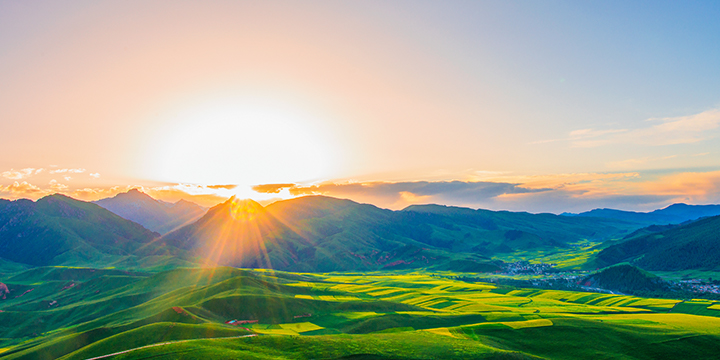
Venture into the heart of northern Vietnam with the 5 Days Ha Giang Moderate Trekking Tour, an unforgettable adventure that strikes the perfect balance between nature, culture, and exploration.
November 26, 2025

Vietnam is opening its arms to the world. From the misty peaks of Ha Giang to the emerald waters of Phu Quoc, the S-shaped land has never been more accessible. As we step into 2025, Vietnam’s immigration policies have evolved significantly, making it easier than ever for millions of international travelers to visit without the hassle of paperwork or fees.
November 21, 2025

Vietnam calls to the soul of the wanderer. Whether it is the limestone pillars of Ha Long Bay rising from emerald waters, the chaotic yet charming energy of Hanoi’s Old Quarter, or the serene lanterns glowing in Hoi An, this S-shaped country is a bucket-list destination. But before you can sip egg coffee by Hoan Kiem Lake or trek through the terraced rice fields of Sapa with Golden Trail Travel, there is one administrative hurdle you must clear: The Vietnam Electronic Visa (E-visa).
November 21, 2025
.webp "Experience Buon Ma Thuot in Style – 2 Days Discovering Vietnam’s Coffee Capital & Highland Culture")
This 2-day journey invites you to explore the raw beauty, rich culture, and warm-hearted spirit of the Central Highlands — a region where every corner tells a story and every experience awakens your senses.
November 21, 2025

Planning a trip to the breathtaking landscapes of Vietnam? From the limestone karsts of Ha Long Bay to the bustling streets of Ho Chi Minh City, Vietnam is a destination that promises unforgettable experiences. However, before you pack your bags, there is one crucial step: obtaining your Vietnam E-visa
November 21, 2025

Vietnam is a country of timeless charm, but there is one time of year when the nation transforms completely. It is a season when the chaotic traffic of the cities subsides into a peaceful hush, when the streets are painted in vibrant shades of red and yellow, and when the smell of burning incense and savory sticky rice cakes fills the air.
November 21, 2025

Phu Quoc Island has rapidly transformed from a sleepy fishing outpost into one of Southeast Asia’s premier island destinations. The southern Long Beach is bustling with backpackers and beach bars, while the developed areas of Bai Truong dazzle with massive international resorts. But nestled on the central-west coast, shielded by swaying coconut palms and volcanic rock formations, lies a stretch of coastline that remembers the "old" Phu Quoc.
November 21, 2025

When travelers think of Southeast Asian cuisine, their minds often drift immediately to the Pad Thai of Bangkok or the Pho of Hanoi. However, sandwiched between these two culinary giants lies a hidden gem that has been quietly bubbling away for centuries: Cambodia.
November 21, 2025

Hanoi is a city of captivating contrasts. In the Old Quarter, the energy is electric—a symphony of honking motorbikes, sizzling street food, and vibrant commerce. It is a city that never sleeps, pulsating with history and modernization. However, for the discerning traveler, the true soul of Northern Vietnam often lies just beyond the city limits.
November 21, 2025
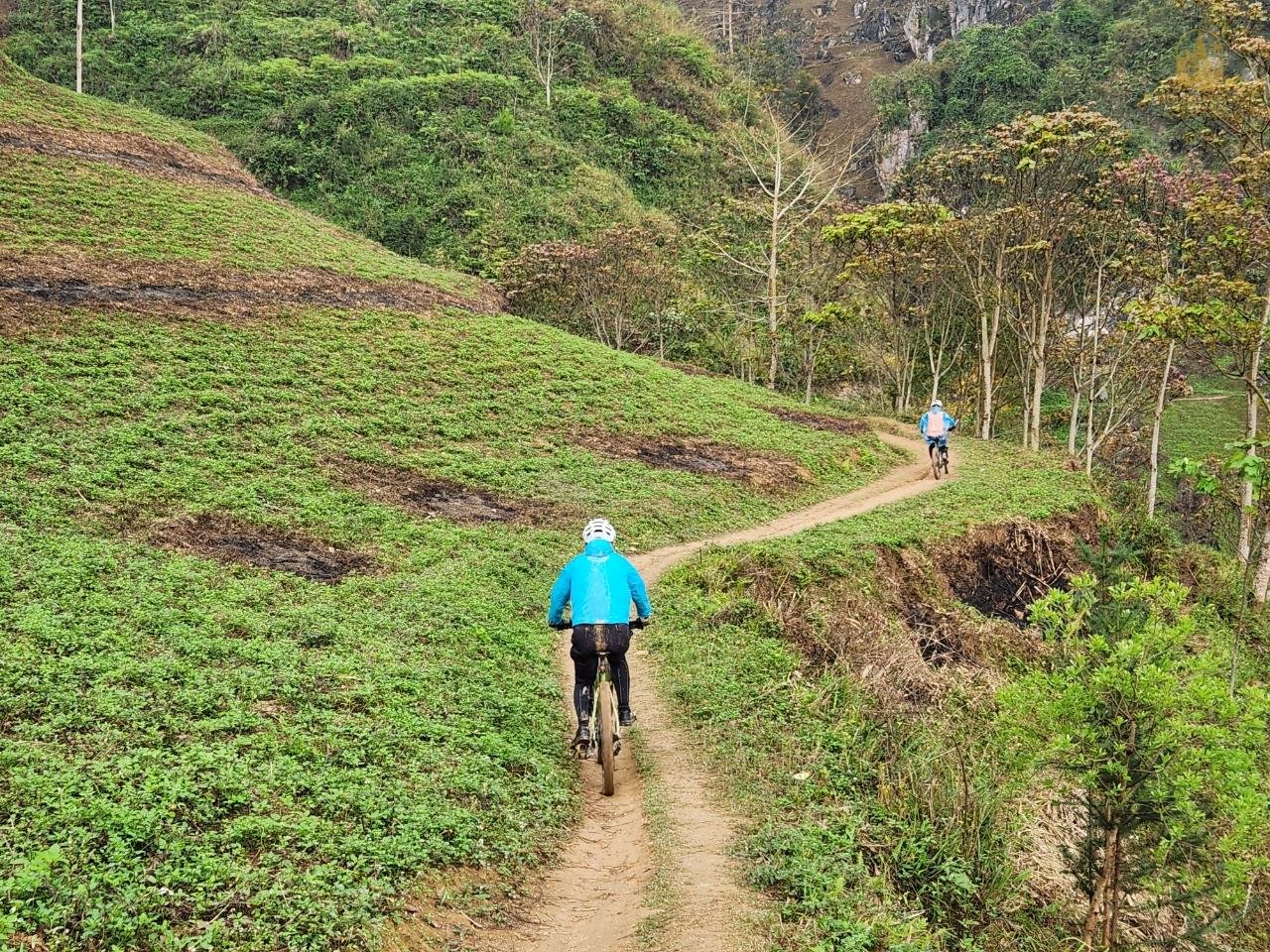
There are cycling trips, and then there are odysseys. Biking from Hanoi to Ho Chi Minh is not merely a vacation; it is a rite of passage. It is the act of traversing an entire nation, tracing the S-shape of the Dragon along the edge of the East Sea.
November 20, 2025
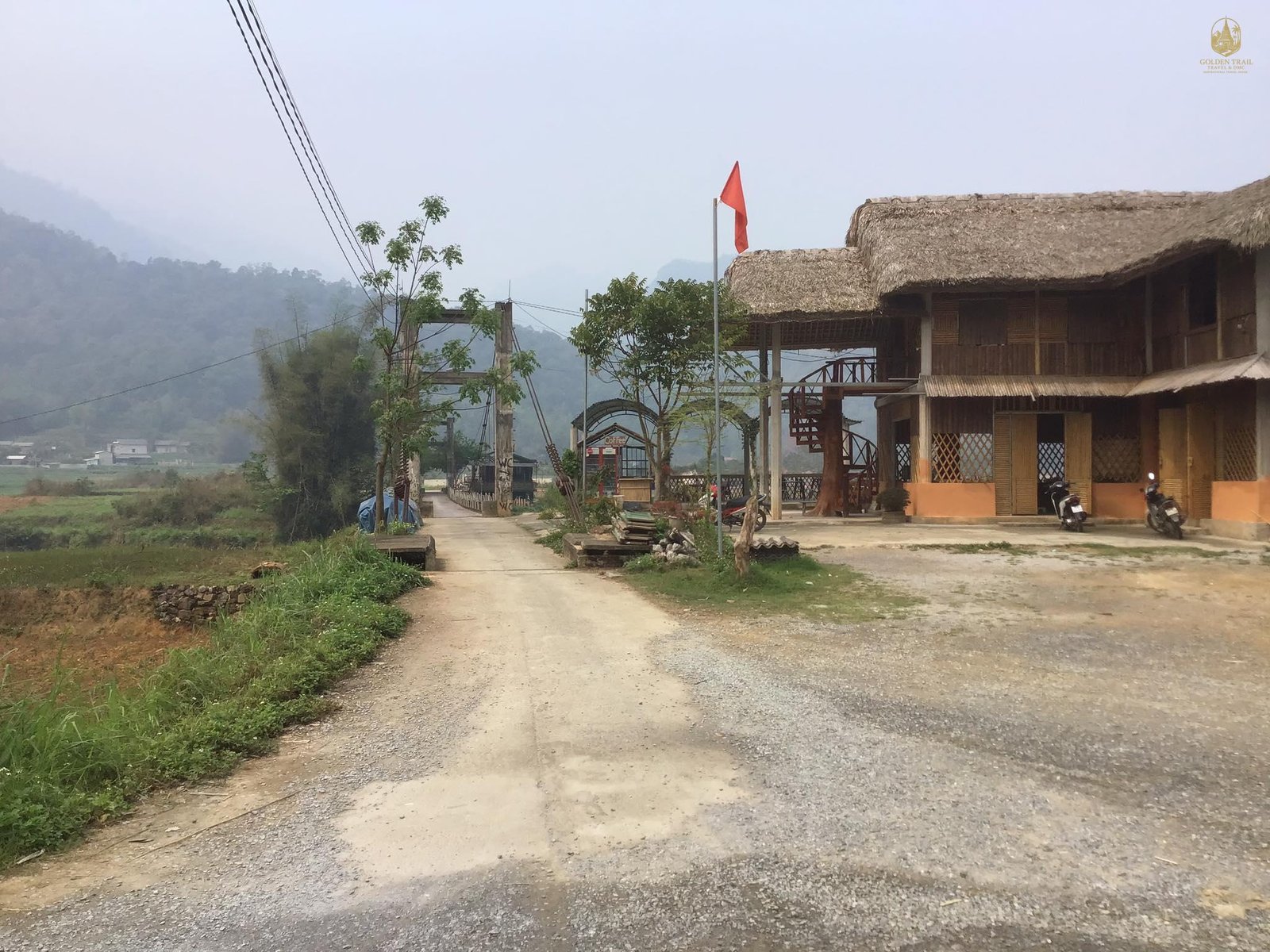
There are roads that exist simply to connect Point A to Point B. And then, there are roads that are destinations in themselves—roads that carry the weight of history, the majesty of nature, and the soul of a nation. Riding the Ho Chi Minh Trail is the latter. It is not just a journey; it is a pilgrimage through the very heart of Vietnam.
November 20, 2025
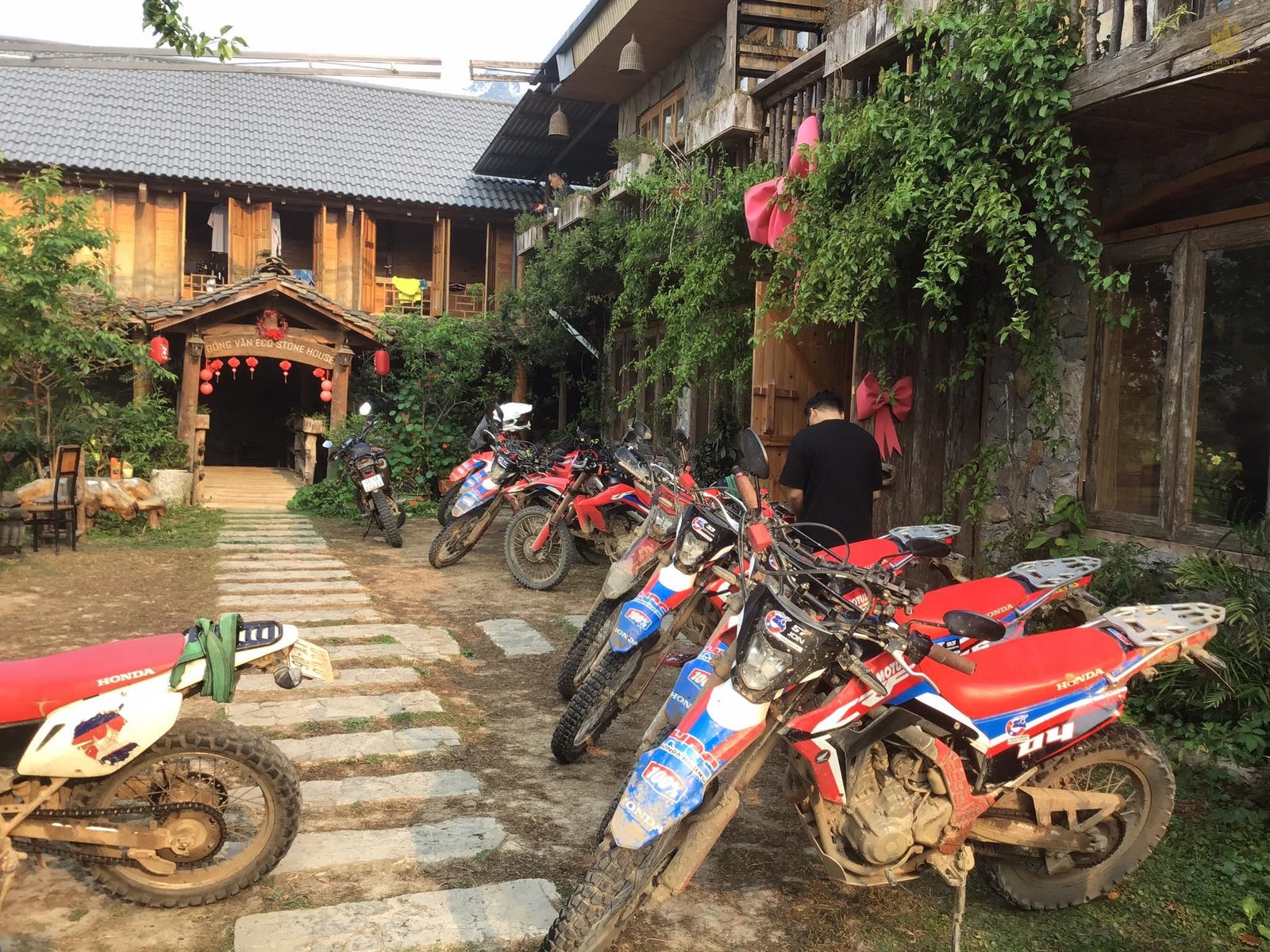
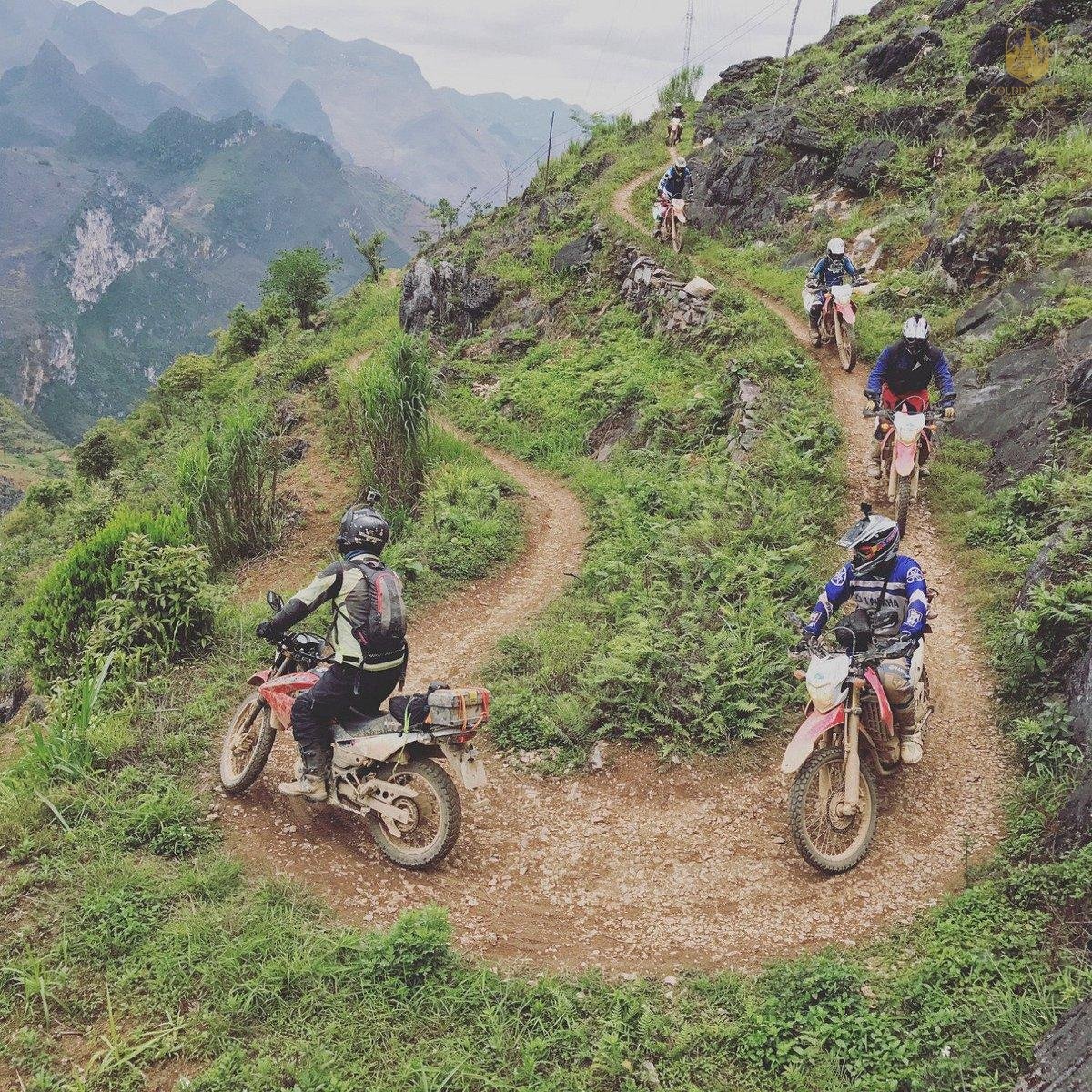
There are road trips, and then there are pilgrimages. Route 66 in the USA offers nostalgia; the Great Ocean Road in Australia offers scenery. But a Ho Chi Minh Trail motorbike tour offers something far more profound: a journey through the very soul of a nation.
November 20, 2025
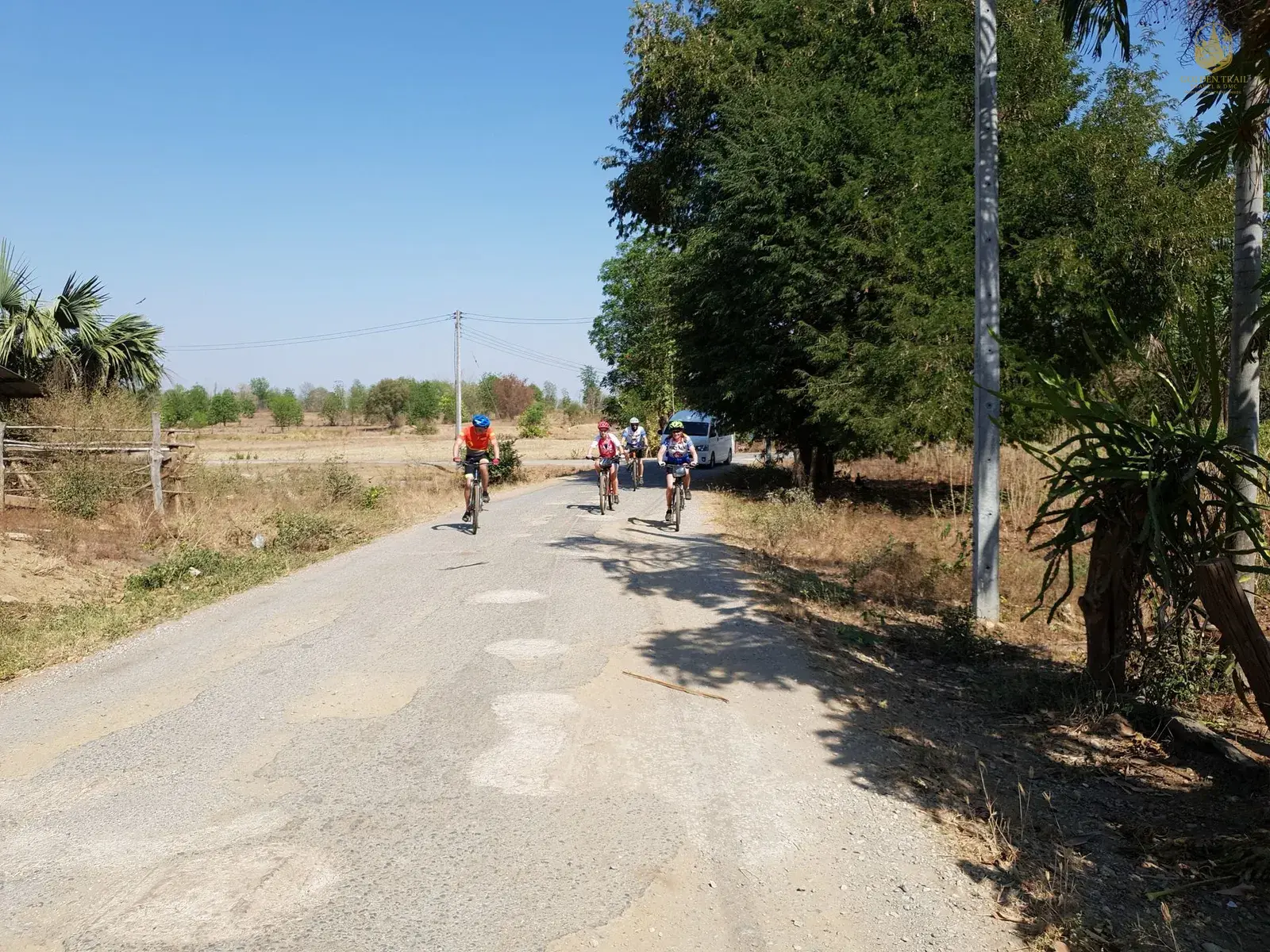
There are roads that take you to a destination, and then there are roads that take you back in time. Cycling the Ho Chi Minh Trail is the latter. It is arguably one of the most profound, challenging, and visually stunning cycling expeditions on the planet.
November 20, 2025
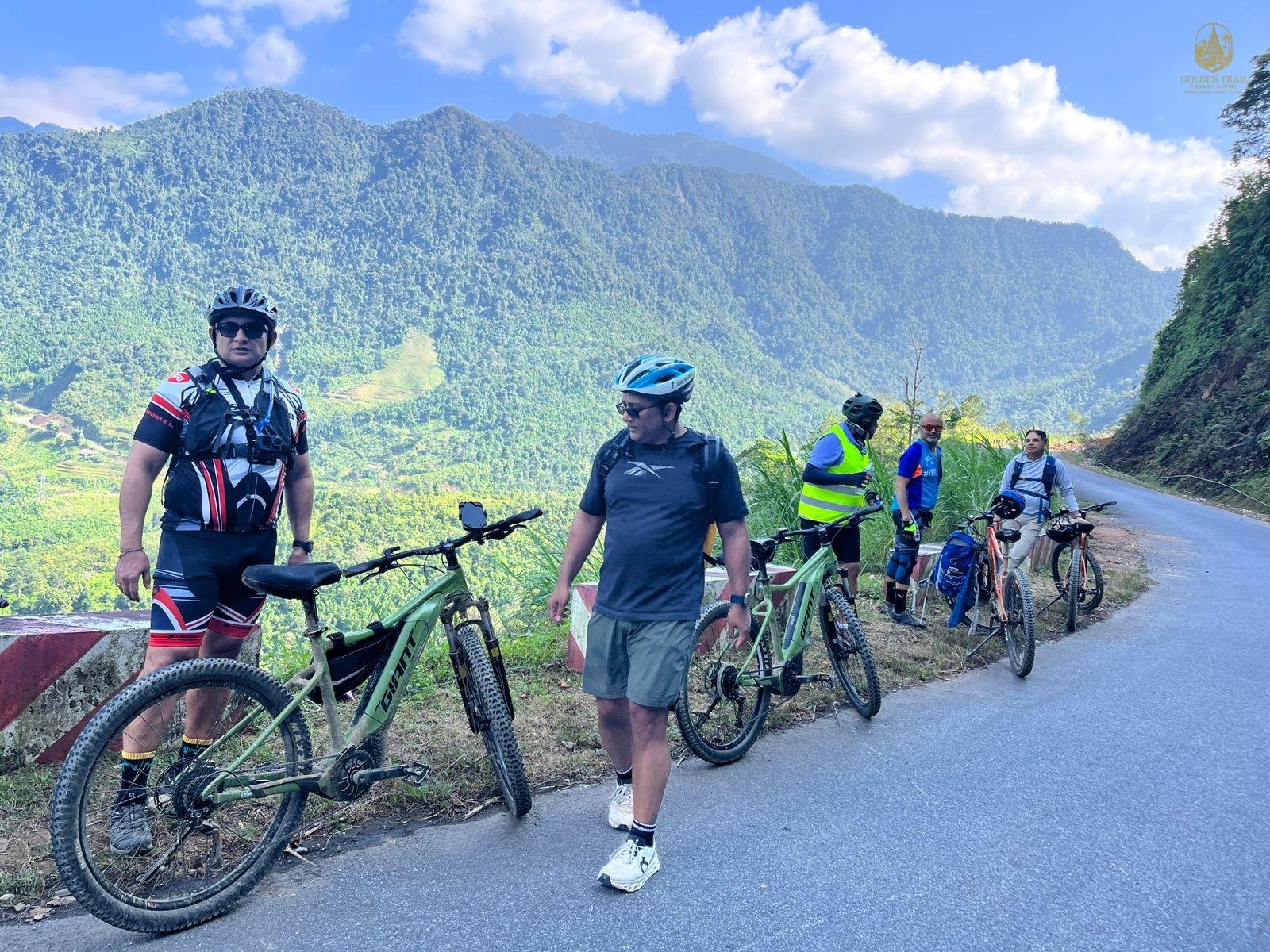
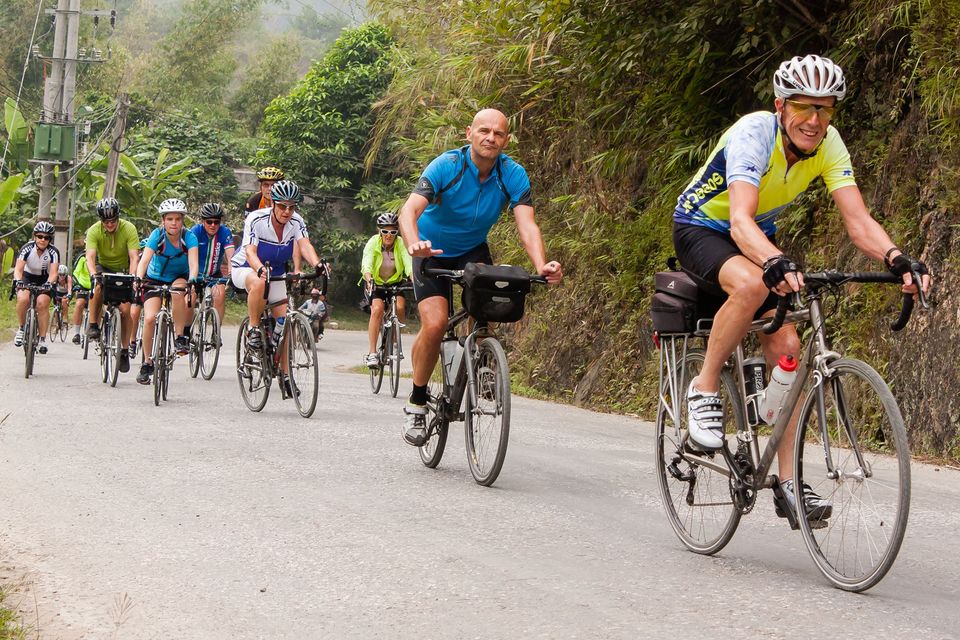
Vietnam is a country of sensory density. To the average tourist peering out from the window of a sleeper bus, it is a blur of neon lights, green rice paddies, and chaotic traffic. But to the cyclist, the map of Vietnam looks entirely different. Beneath the main highways lies a vast, intricate web of secondary roads, single tracks, dyke paths, and mountain passes. These are the bike trails Vietnam has kept secret for decades.
November 20, 2025
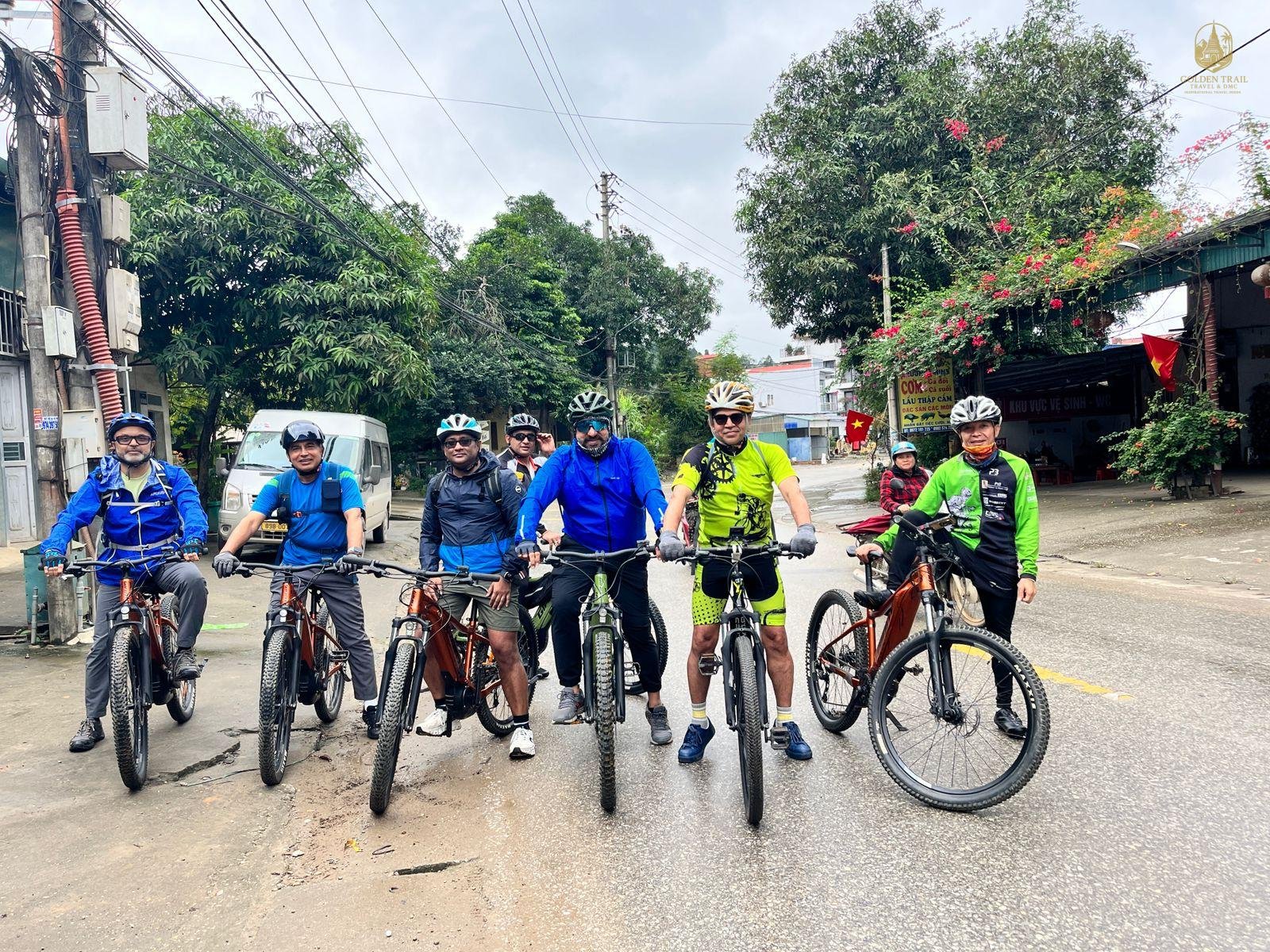
Ha Giang is one of the most extraordinary and visually stunning destinations in Southeast Asia. Located in Vietnam’s far north, near the Chinese border, the region is known for its towering limestone mountains, deep valleys, winding passes, ethnic minority villages and dramatic canyon landscapes. While many travelers explore Ha Giang by motorbike, one of the most rewarding and immersive ways to experience the region is through a Ha Giang bicycle tour.
November 20, 2025