15 Ng. 100 Đ. Nguyễn Xiển, Thanh Xuân Nam, Thanh Xuân, Hà Nội 100000

15 Ng. 100 Đ. Nguyễn Xiển, Thanh Xuân Nam, Thanh Xuân, Hà Nội 100000
Nestled in the far reaches of Vietnam's northeastern frontier, bordering China, Cao Bang Province is a land of unparalleled natural beauty, dramatic karst landscapes, and profound historical significance. It's a destination that calls to intrepid travelers and history enthusiasts alike, offering a refreshing escape into a world of towering limestone peaks, pristine rivers, lush rice terraces, and the thunderous majesty of the Ban Gioc Waterfall – one of Vietnam's most iconic natural wonders. Beyond its breathtaking scenery, Cao Bang is also steeped in the revolutionary history of Vietnam, serving as a crucial base for Ho Chi Minh during the early days of the independence movement, and home to a rich tapestry of ethnic minority cultures.
This extensive guide will take you on an immersive journey through Cao Bang, unveiling its stunning natural landscapes, exploring its significant historical sites, appreciating its diverse ethnic communities, offering thrilling adventures, and providing practical tips for planning your impactful and unforgettable Northeastern Vietnam expedition. We'll also highlight how Golden Trail Travel can seamlessly craft your Cao Bang adventure, ensuring a truly remarkable and hassle-free trip to this extraordinary province.
Cao Bang's identity is defined by its dramatic geological formations and its pivotal role in Vietnam's modern history. The province is part of the Non Nuoc Cao Bang UNESCO Global Geopark, a testament to its unique karst topography and geological heritage spanning hundreds of millions of years.
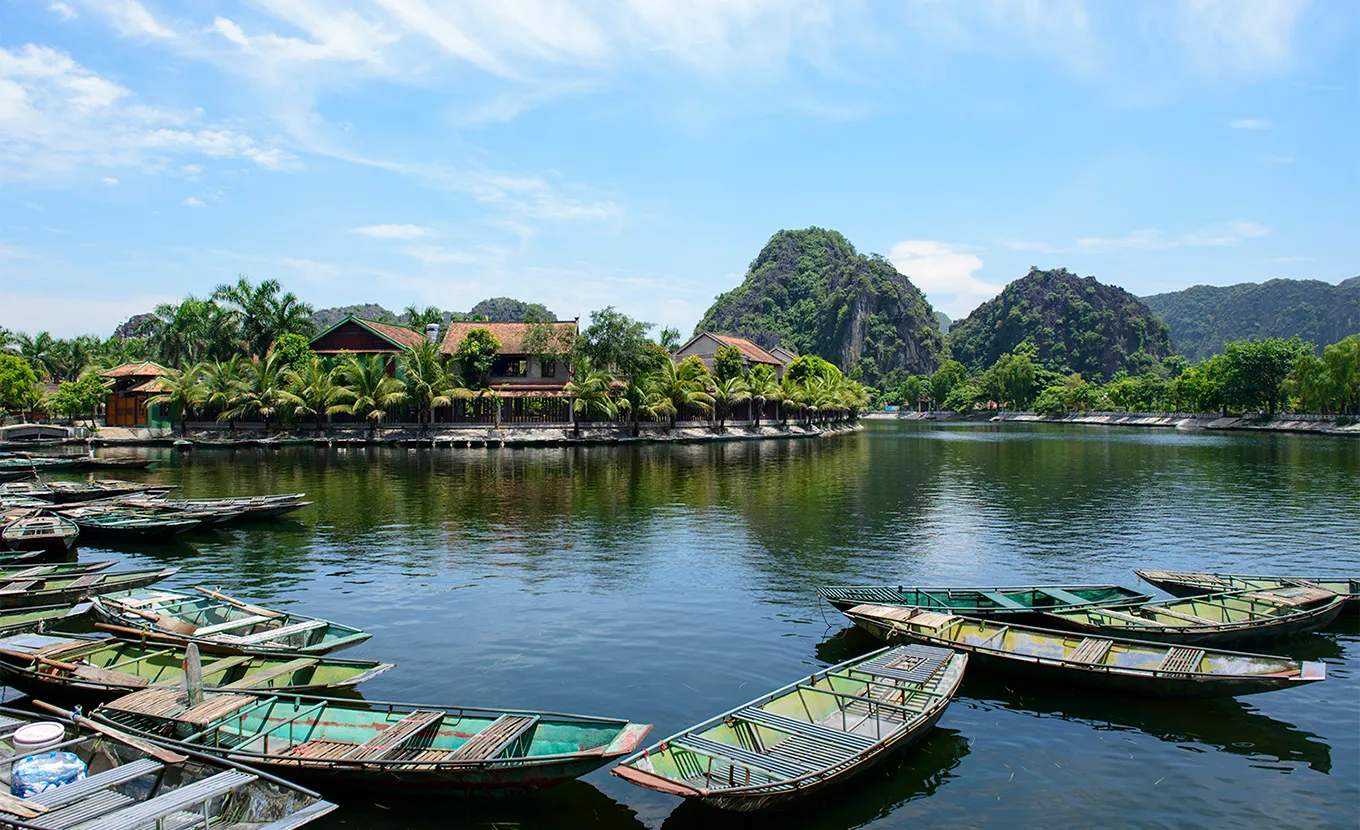
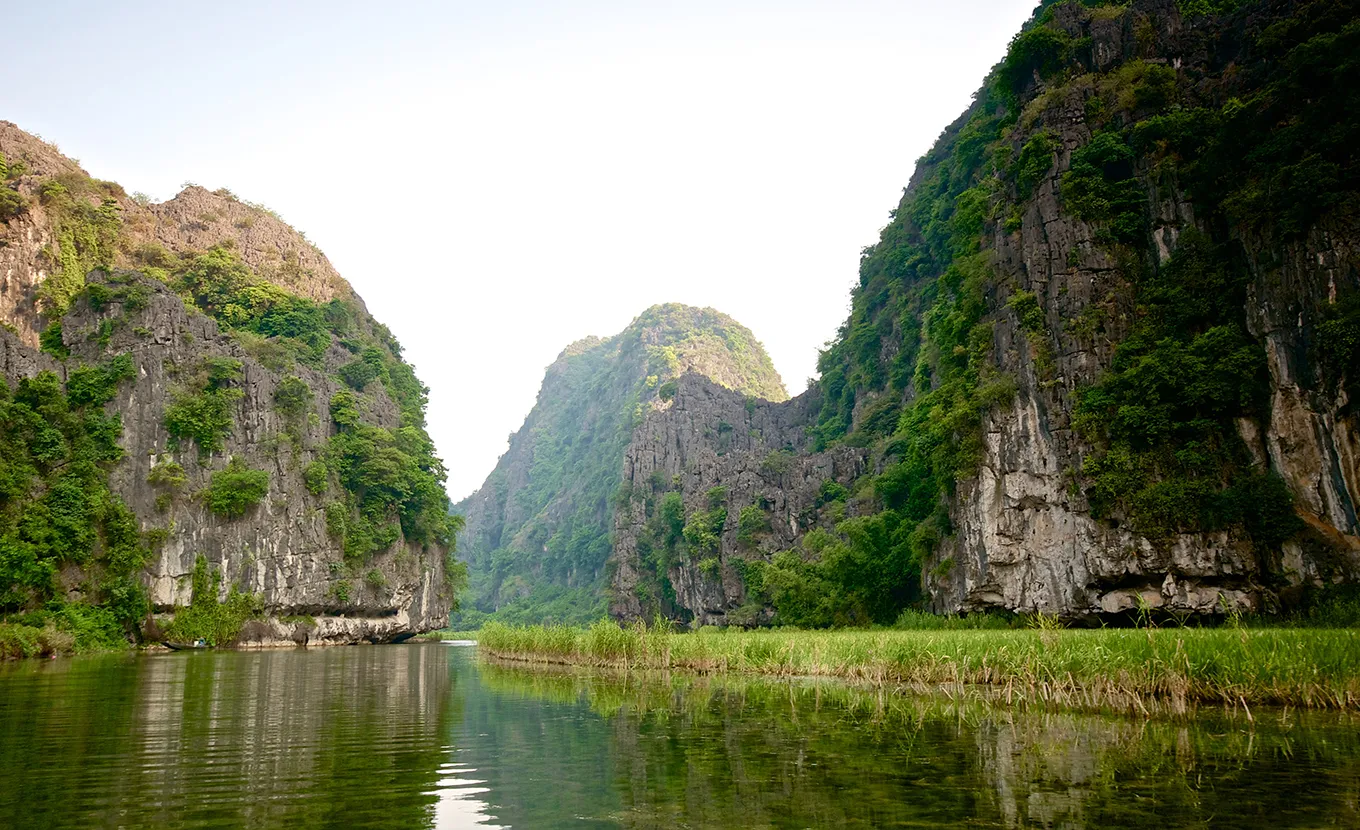
The Geopark's Wonders: The landscape of Cao Bang is characterized by ancient limestone mountains, intricate cave systems, deep valleys, and winding rivers. This spectacular karst topography, shaped by millennia of erosion, creates a visually stunning backdrop for all adventures. The geopark status highlights its international geological value and its importance for sustainable development.
Cradle of Revolution: Beyond its natural allure, Cao Bang holds immense historical weight. After 30 years abroad, Ho Chi Minh returned to Vietnam in 1941 and established his revolutionary base in the caves of Pac Bo, in Cao Bang province. From this remote hideaway, he nurtured the Vietnamese independence movement, making Cao Bang the "cradle of the Vietnamese revolution" and a sacred site for the Vietnamese people.
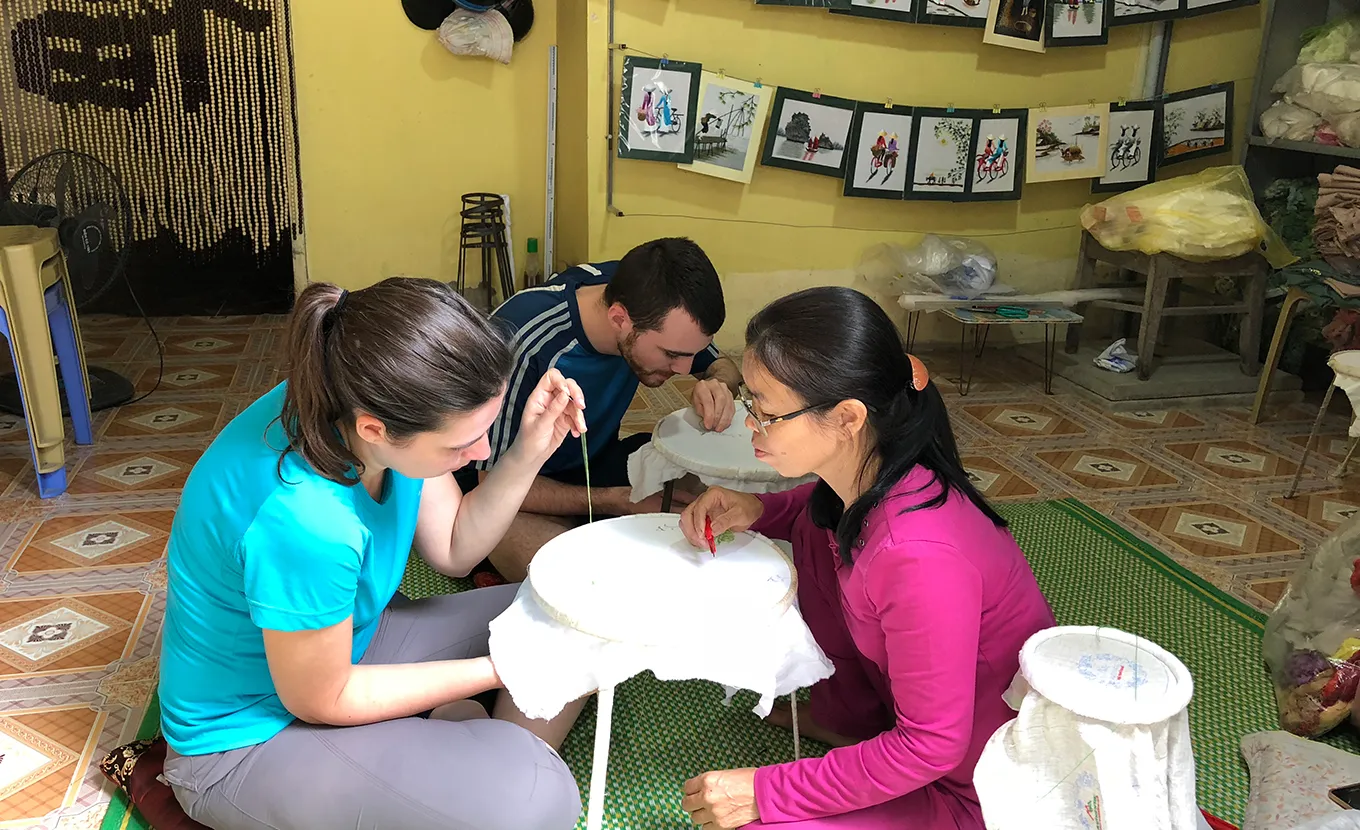
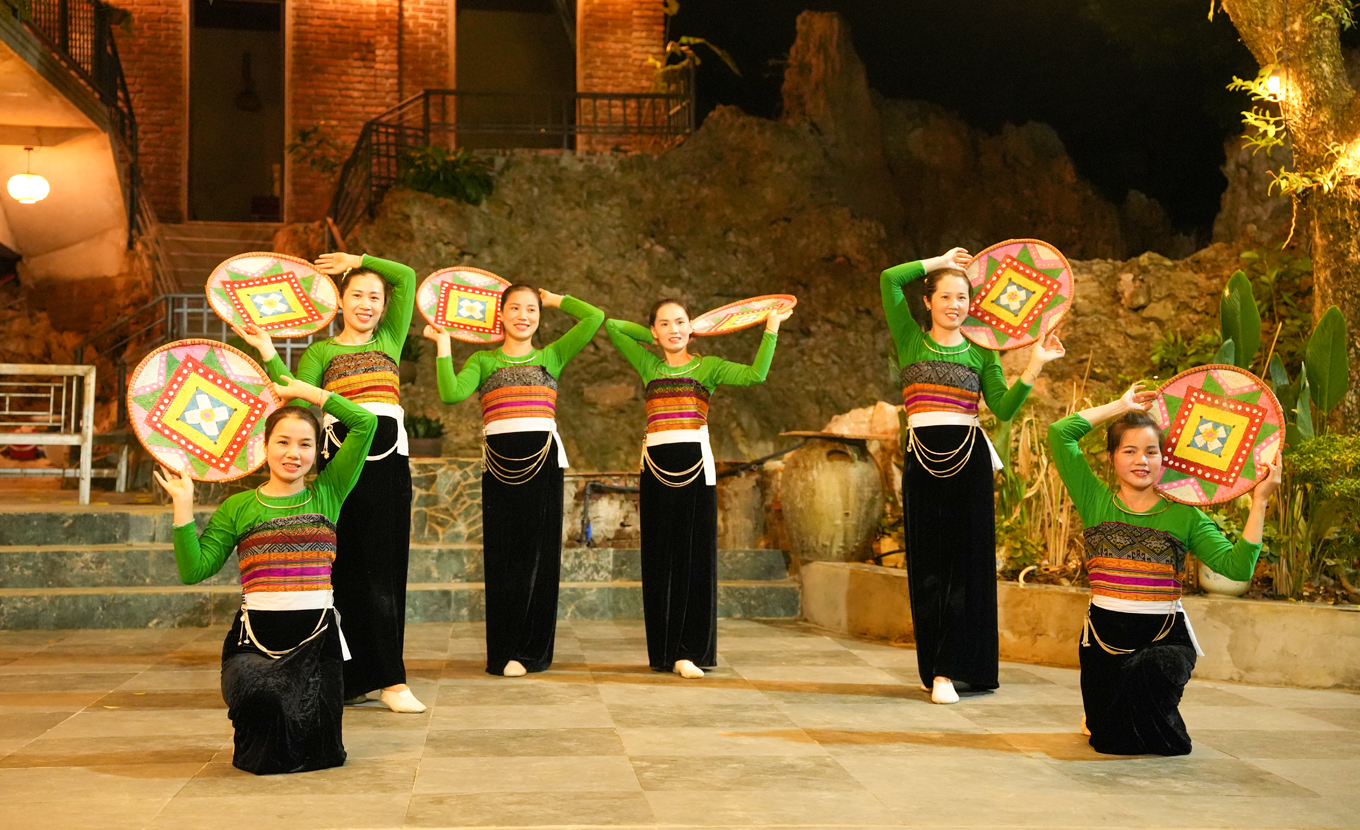
A Mosaic of Ethnic Cultures: Cao Bang is a melting pot of ethnic minority groups, including the Tay, Nung, Dao, H'Mong, and San Chay. Each group contributes to the province's vibrant cultural tapestry with their distinct languages, traditional costumes, unique festivals, and traditional farming practices, often centered around rice cultivation and handicraft production.
A Borderland Province: Its position as a border province with China means Cao Bang has a unique cross-cultural dynamic, evident in local markets and the flow of goods and people. This adds another layer of intrigue to the region.
Cao Bang offers a profound and exhilarating travel experience that stands out for its raw beauty, historical depth, and cultural authenticity.
1. Majestic Ban Gioc Waterfall: The undisputed highlight, Ban Gioc is one of the world's most impressive transnational waterfalls, shared with China. Its sheer size, powerful flow, and stunning emerald pools make it a truly unforgettable sight.
2. Non Nuoc Cao Bang UNESCO Global Geopark: This recognition underscores the province's geological significance and the breathtaking beauty of its karst landscapes, offering endless opportunities for exploration, caving, and scenic drives.
3. Profound Revolutionary History: For those interested in modern Vietnamese history, the meticulously preserved sites of Pac Bo Cave offer a powerful and poignant journey into the origins of the Vietnamese independence movement.
4. Authentic Ethnic Minority Experiences: Cao Bang provides genuine opportunities to connect with diverse ethnic communities, visit their traditional villages, learn about their customs, and witness their daily lives away from mass tourism.
5. Off-the-Beaten-Path Adventure: Compared to other northern destinations, Cao Bang remains less frequented by international tourists, ensuring a more intimate and authentic travel experience, perfect for adventurers seeking raw beauty and cultural immersion.
Cao Bang offers a diverse range of activities that blend natural wonders, historical insights, and cultural immersion.
1. Marvel at Ban Gioc Waterfall: This is the absolute highlight of any Cao Bang trip. Standing at the base of this immense waterfall, feeling the spray on your face, and witnessing its powerful cascades is awe-inspiring. You can take a bamboo raft close to the falls (on the Vietnamese side) for an even more immersive experience. The surrounding area is also beautiful, with local stalls selling snacks and souvenirs.
2. Explore Nguom Ngao Cave (Tiger Cave): Located near Ban Gioc Waterfall, Nguom Ngao is a vast and impressive limestone cave system with stunning stalactites and stalagmites. The cave is well-lit and easily accessible, offering a fascinating underground adventure. Its name "Tiger Cave" comes from the legend of tigers once living there or the sound of the stream inside resembling a tiger's roar.
3. Journey to Pac Bo Cave and Historical Sites: A sacred site for the Vietnamese people. This is where Ho Chi Minh returned to Vietnam in 1941 and established his revolutionary base. * Coc Bo Cave (Pac Bo Cave): Ho Chi Minh's modest living and working quarters, tucked into the mountain. * Lenin Stream: The crystal-clear stream where Ho Chi Minh often fished and contemplated. * Karl Marx Peak: A nearby mountain renamed by Ho Chi Minh. * Ho Chi Minh Museum & Memorial: Offering more insights into his life and revolutionary activities.
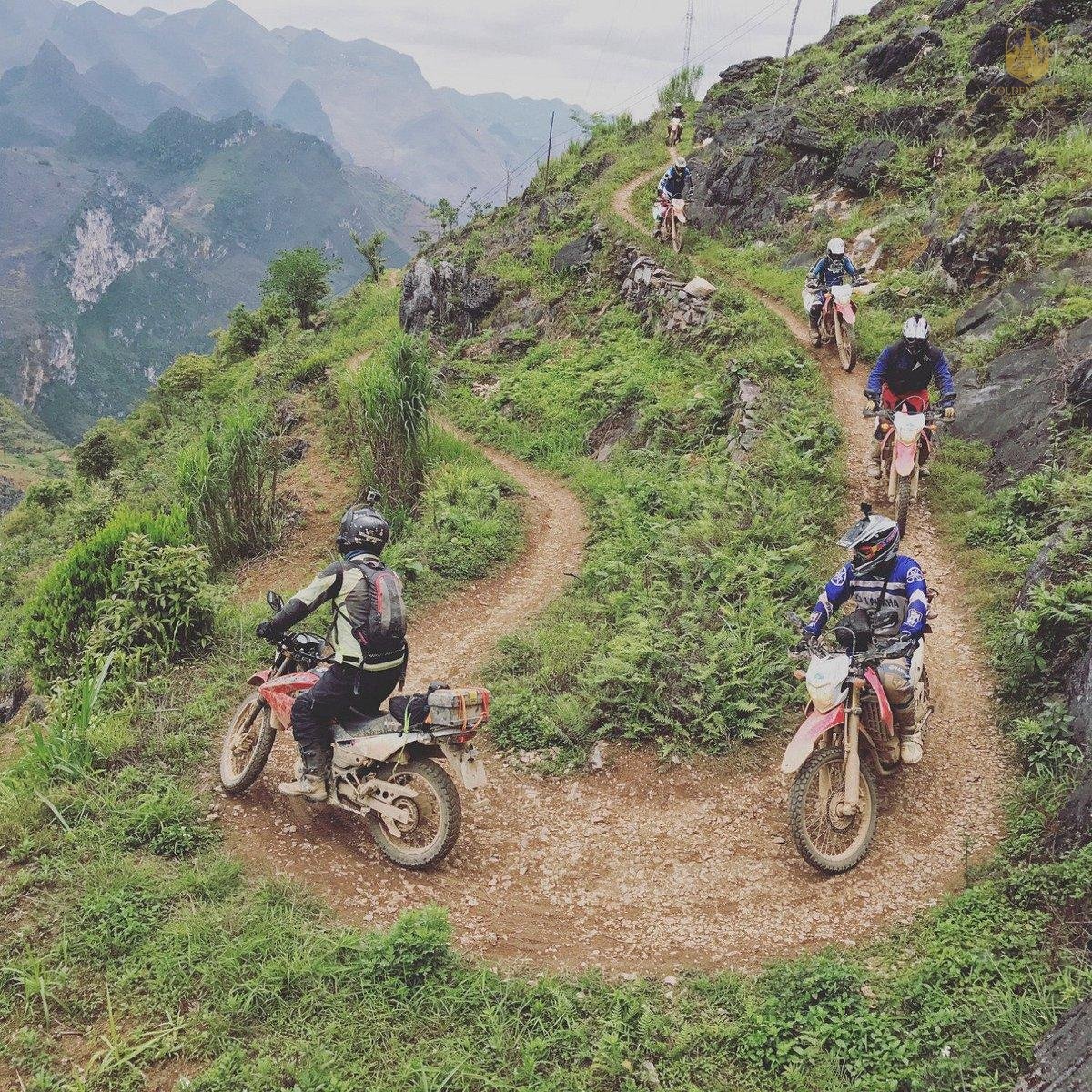
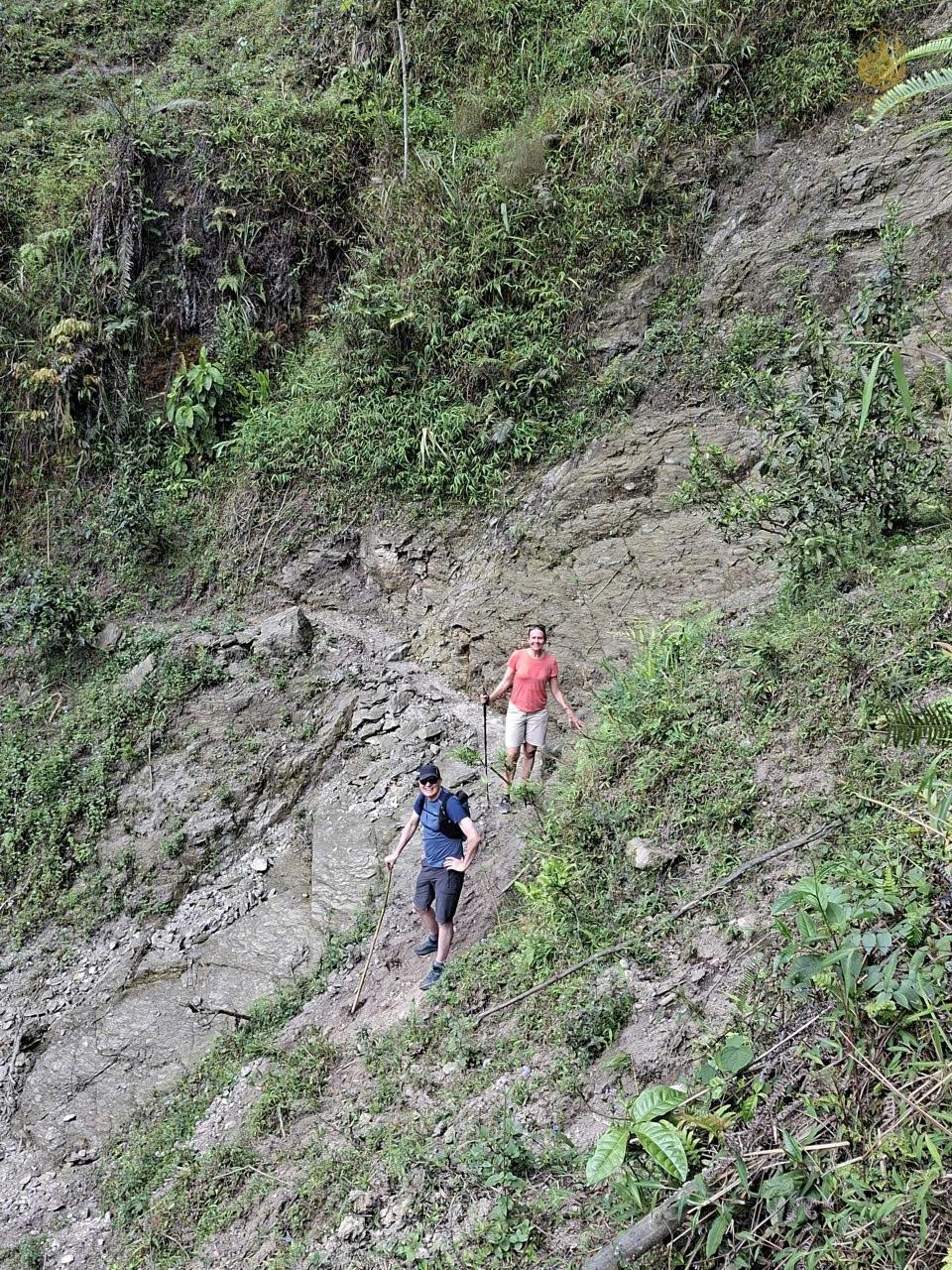
4. Trekking and Motorbiking Through Karst Landscapes: The Non Nuoc Cao Bang Geopark offers endless opportunities for scenic drives and treks. * Ma Phuc Pass: A picturesque pass with unique twin limestone peaks, offering stunning panoramic views. * Through Villages: Trek or motorbike along winding roads and trails that lead through traditional ethnic minority villages, terraced rice fields, and dramatic valleys.
5. Visit Phia Oac – Phia Den National Park: A high-altitude national park known for its cool climate, diverse flora and fauna (including temperate and subtropical species), and remnants of a French colonial hill station. It’s a good spot for birdwatching and enjoying cooler temperatures.
6. Discover Thang Hen Lake: A complex of 36 interconnected lakes nestled within a beautiful valley. The lakes change size with the seasons, from small, distinct pools in the dry season to one large lake in the wet season. It’s a peaceful spot for boat trips, picnicking, or simply enjoying the tranquility.
7. Immerse in Ethnic Minority Culture: Cao Bang is home to the Tay, Nung, Dao, H'Mong, and San Chay people. * Visit Traditional Villages: Explore villages like Phuc Sen (known for its traditional blacksmithing, particularly the crafting of knives), or Lung Cam (a beautiful H'Mong village). * Observe Daily Life: Witness their traditional stilt houses, vibrant costumes (especially during market days), and farming practices. * Local Markets: Attend one of the vibrant local markets (e.g., Cao Bang City Market, Trung Khanh Market) to experience the bustling trade, sample local produce, and see ethnic groups in their traditional attire.
8. Taste Cao Bang's Unique Local Delicacies:
9. Explore Cao Bang City: The provincial capital, a bustling market town that serves as a base for exploring the surrounding attractions. It has hotels, restaurants, and a local market.
10. Visit Kim Dong's Tomb: The tomb of Kim Dong, a young Vietnamese revolutionary hero, located near Pac Bo Cave, commemorating his bravery.
To ensure a smooth and enriching trip, here's some essential practical advice for your Cao Bang adventure:
Best Time to Visit:
Getting There:
Getting Around Cao Bang:
Accommodation: Cao Bang City offers a range of hotels and guesthouses, from budget-friendly to comfortable mid-range options. Near Ban Gioc Waterfall, there are limited guesthouses and homestays. For a more authentic experience, some ethnic minority villages offer basic homestays. Booking in advance is recommended, especially during peak season.
What to Bring:
Local Etiquette:
Venturing into the breathtaking and historically rich frontier of Cao Bang requires meticulous planning and local expertise. Golden Trail Travel stands as your ideal partner, offering meticulously crafted tours that unlock the profound beauty, historical significance, and authentic cultural experiences of this extraordinary Northeastern Vietnamese province.
Why Choose Golden Trail Travel for Your Cao Bang Adventure?
Ready to witness the majestic Ban Gioc Waterfall, explore the cradle of revolution, and immerse yourself in the vibrant cultures of Cao Bang's frontier? Visit https://goldentrailtravel.com/ today to explore their diverse range of Northern Vietnam tours that feature Cao Bang and book your ultimate Northeastern adventure! Let Golden Trail Travel be your compass to this remarkable corner of Vietnam.
Here's what some of our adventurers have to say about their experiences with Golden Trail Travel, often highlighting the magic of Cao Bang:
"Our trip to Cao Bang with Golden Trail Travel was simply breathtaking. Ban Gioc Waterfall is even more incredible in person, and Nguom Ngao Cave was a fantastic surprise. Our guide was amazing, full of knowledge about the history and the local cultures. Everything was perfectly organized, even the long drive was comfortable." - Catherine P., UK
"I wanted to combine history with stunning landscapes, and Cao Bang delivered. Visiting Pac Bo Cave was a deeply moving experience, and the drive through the geopark was just spectacular. Golden Trail Travel managed all the logistics flawlessly, allowing us to fully enjoy every moment." - Michael D., USA
"As a photographer, Cao Bang is a dream come true. Golden Trail Travel helped me plan for the best time to see the rice fields and the waterfall at its fullest. The visits to the local villages were also very authentic and culturally rich. Excellent tour and very professional service!" - Sarah L., Australia
"We explored Cao Bang by motorbike with a Golden Trail Travel support vehicle, and it was an epic adventure! The Ma Phuc Pass views were incredible, and the hospitality in the ethnic homestays was so warm. They truly understand how to create an unforgettable and safe journey in the North." - Liam R., Germany
"Golden Trail Travel's expertise in Northern Vietnam is unmatched. Cao Bang felt like stepping into another world – so wild, so beautiful, and so historically significant. They ensured we had genuine interactions with locals and supported responsible tourism. A truly profound trip." - Emily J., Canada
Q1: What is Cao Bang most famous for? A1: Cao Bang is most famous for the majestic Ban Gioc Waterfall (one of the largest in Southeast Asia), being part of the Non Nuoc Cao Bang UNESCO Global Geopark, and its significant role as the "cradle of the Vietnamese revolution" at Pac Bo Cave.
Q2: When is the best time to visit Cao Bang? A2: The dry season (October to April) offers cool, dry weather ideal for exploration. For the most powerful waterfall flow, visit in August-September (during the wet season), but be prepared for rain. September-October is also great for golden rice fields.
Q3: How do I get to Cao Bang? A3: The most common way is by local bus or comfortable limousine/minivan from Hanoi (6-8 hours). For adventurous travelers, motorbiking from Hanoi is also an option. There is no airport in Cao Bang.
Q4: What are the must-visit natural attractions in Cao Bang? A4: Ban Gioc Waterfall, Nguom Ngao Cave, Thang Hen Lake, and Ma Phuc Pass are essential natural highlights within the Non Nuoc Cao Bang Geopark.
Q5: What is the historical significance of Pac Bo Cave? A5: Pac Bo Cave is where Ho Chi Minh returned to Vietnam in 1941 after 30 years abroad and established his revolutionary base, planning the Vietnamese independence movement. It is considered a sacred historical site.
Q6: Can I experience ethnic minority culture in Cao Bang? A6: Yes, Cao Bang is home to various ethnic groups like the Tay, Nung, Dao, and H'Mong. You can visit their traditional villages (e.g., Phuc Sen for blacksmithing), attend local markets, and observe their daily life and customs.
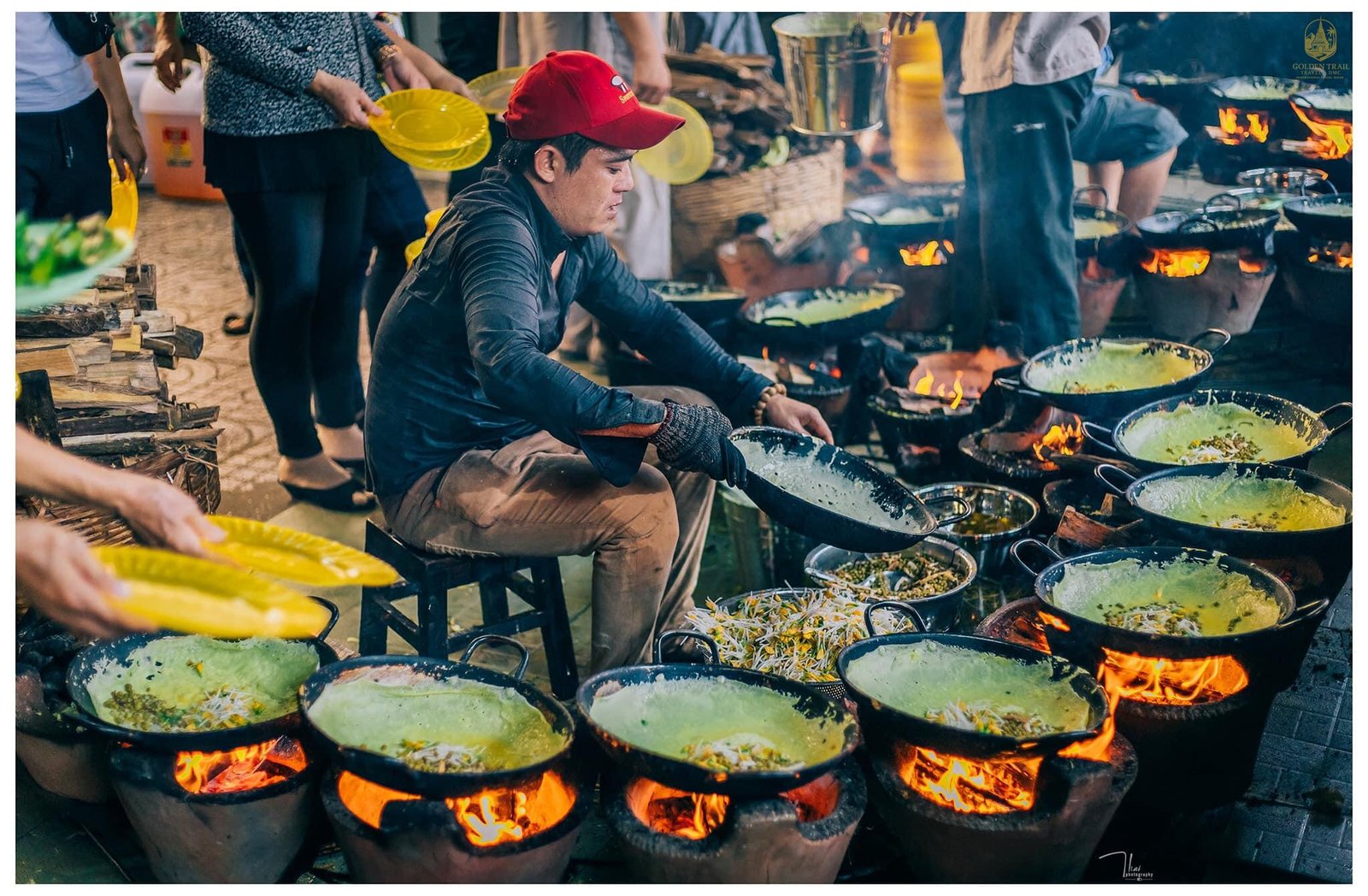
Q7: What kind of food should I try in Cao Bang? A7: Sample local specialties like Banh Khao (sticky rice cake), Banh Cooc Mo (horn-shaped dumplings), Vit Quay That Khe (roast duck), and seasonal Trung Khanh Chestnuts. Don't forget to try the local corn wine (Ruou Ngo).
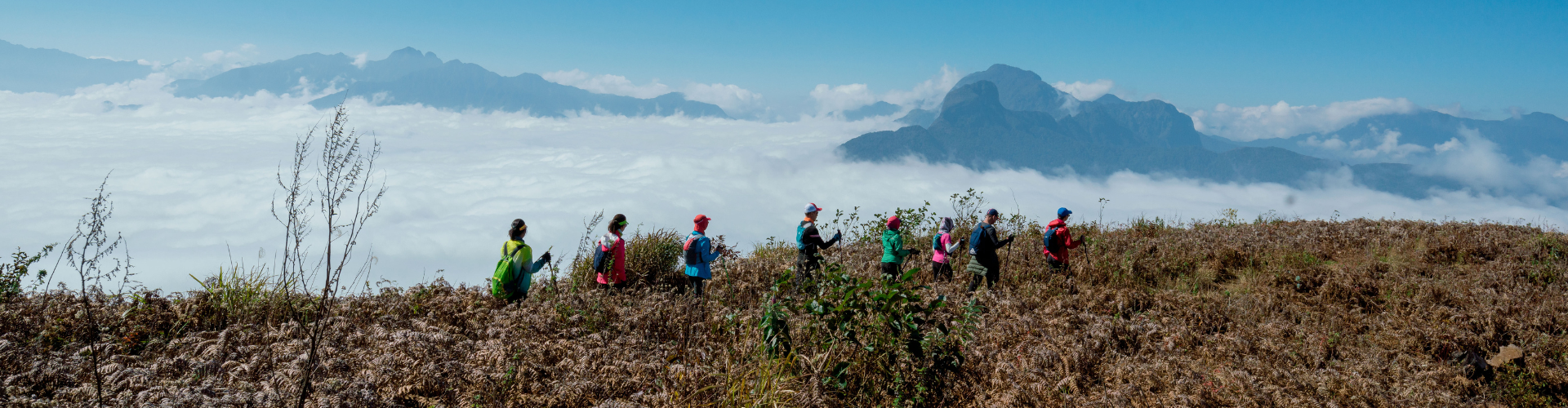
Q8: Is Cao Bang suitable for trekking? A8: Yes, Cao Bang offers various trekking opportunities through its stunning karst landscapes, rice terraces, and ethnic villages, ranging from easy walks to more challenging hikes.
Q9: How can Golden Trail Travel help me plan my Cao Bang trip? A9: Golden Trail Travel offers comprehensive Cao Bang tour packages, including transfers from Hanoi, accommodation, expert local guides, and curated activities covering Ban Gioc, Pac Bo, Nguom Ngao Cave, and ethnic village visits. They can customize your itinerary for a seamless and enriching journey. Visit https://goldentrailtravel.com/ to explore their options.
Q10: Is Cao Bang a very touristy destination? A10: No, while increasingly popular, Cao Bang is still considered an off-the-beaten-path destination compared to major hubs. It offers a more authentic and less crowded experience, appealing to those seeking genuine cultural immersion and raw natural beauty.

.webp "Southern to Northern Vietnam Cycling: The Ultimate Cross-Country Odyssey")
There is perhaps no greater physical and spiritual challenge in Southeast Asia than the 2,000-kilometer odyssey of Southern to Northern Vietnam cycling. While many travelers choose to follow the traditional path from Hanoi to Saigon, the reverse journey—from the pulsating, neon-lit energy of Ho Chi Minh City to the historic, tree-lined boulevards of the capital—offers a unique progression of landscapes and climate that is increasingly favored by endurance enthusiasts. This journey is more than just a bike ride; it is a profound exploration of a nation’s soul, moving through tropical deltas, high-altitude coffee plateaus, and the legendary limestone karsts of the north.
December 20, 2025
.jpg "Saigon to Hanoi Cycling Tour: The Ultimate Cross-Country Odyssey")
There is perhaps no greater physical and spiritual challenge in Southeast Asia than embarking on a Saigon to Hanoi cycling tour. Spanning over 2,000 kilometers, this journey is a profound exploration of a nation’s soul, traveling through the dramatic transformation of landscape, culture, and climate. From the pulsating, neon-lit energy of Ho Chi Minh City to the historic, tree-lined boulevards of Hanoi, traveling at the speed of two wheels allows you to witness the "S-curve" of Vietnam in a way that no other form of travel can offer.
December 20, 2025
.jpg "Ho Chi Minh City to Hanoi Bike Tour: The Ultimate Cross-Country Odyssey")
The journey from the pulsating, neon-lit energy of Ho Chi Minh City to the historic, tree-lined boulevards of Hanoi is more than just a traverse of 1,700 to 2,000 kilometers; it is a profound pilgrimage through the soul of Vietnam. For the modern adventurer, a Ho Chi Minh City to Hanoi bike tour represents the ultimate test of endurance, a masterclass in geographic diversity, and a front-row seat to the dramatic evolution of a nation.
December 20, 2025
.webp "The Ultimate Guide to a South to North Vietnam Bike Tour: An Epic 2,000km Journey")
There is perhaps no greater physical and spiritual challenge in Southeast Asia than embarking on a South to north Vietnam bike tour. Spanning the entire length of this S-shaped nation, a trans-Vietnam cycling journey is more than just a sports activity; it is a profound exploration of a nation’s soul. From the pulsating energy of Ho Chi Minh City to the historic, mist-shrouded boulevards of Hanoi, traveling at the speed of two wheels allows you to witness the dramatic transformation of landscape, culture, and climate in a way that no other form of travel can offer.
December 20, 2025
.jpg "The Ultimate Odyssey: A Comprehensive Guide to a Vietnam Bicycle Tour South to North")
The rhythmic whirring of a chain, the scent of blooming coffee blossoms in the highlands, and the misty silhouettes of limestone karsts at dawn—this is the reality of a Vietnam bicycle tour south to north. Spanning over 2,000 kilometers from the pulsating energy of Ho Chi Minh City to the historic, tree-lined boulevards of Hanoi, this journey is not just a bicycle tour; it is a profound pilgrimage through the heroic history and vibrant culture of a nation that has truly found its peace.
December 20, 2025
.webp "Conquering the S-Curve: The Ultimate Guide to a Vietnam Cycling Tour South to North")
The rhythmic whirring of a chain, the scent of blooming coffee blossoms in the highlands, and the misty silhouettes of limestone karsts at dawn—this is the reality of a Vietnam cycling tour south to north. Spanning over 2,000 kilometers from the pulsating energy of Ho Chi Minh City to the historic, tree-lined boulevards of Hanoi, this journey is not just a bicycle tour; it is a profound pilgrimage through the heroic history and vibrant culture of a nation that has truly found its peace.
December 20, 2025
.jpg "Conquering the S-Curve: The Ultimate Guide to Cycling Vietnam South to North")
There is perhaps no greater physical and spiritual challenge in Southeast Asia than the 2,000-kilometer odyssey of cycling Vietnam south to north. While many travelers choose to follow the traditional path from Hanoi to Saigon, the reverse journey—from the pulsating energy of Ho Chi Minh City to the historic, mist-shrouded boulevards of the capital—offers a unique progression of landscapes and climate that is increasingly favored by endurance enthusiasts. This journey is more than just a bike ride; it is a profound exploration of a nation’s soul, moving through tropical deltas, high-altitude coffee plateaus, and the legendary limestone karsts of the north.
December 20, 2025
.webp "The Ultimate Odyssey: A Comprehensive Guide to a Vietnam Bike Tour South to North")
For the modern adventurer, few challenges rival the prestige and profound beauty of a cross-country cycling expedition. While many travelers explore Vietnam in segments, the true connoisseur of the road knows that a Vietnam bike tour south to north is the ultimate way to witness the dramatic evolution of a nation. Spanning over 2,000 kilometers from the pulsating energy of Ho Chi Minh City to the historic, mist-shrouded boulevards of Hanoi, this journey is a masterclass in geographic diversity, historical resonance, and physical endurance.
December 20, 2025
.jpg "The Ultimate Odyssey: A Comprehensive Guide to a Vietnam Transnational Cycling Tour")
The dream of crossing a country from end to end is a rite of passage for every serious adventurer. When that country is Vietnam—a land of emerald mountains, ancient history, and unparalleled hospitality—the journey becomes more than a physical feat; it becomes a soul-stirring transformation. A Vietnam transnational cycling tour is the ultimate way to witness the "S-curve" of Indochina, pedaling from the historic, mist-shrouded streets of Hanoi in the north to the pulsating, neon-lit energy of Ho Chi Minh City in the south.
December 20, 2025
.jpg "The Epic Traverse: A Comprehensive Guide to Northern to Southern Vietnam Cycling")
Vietnam is a country that demands to be seen at the speed of two wheels. Stretching over 1,600 kilometers in a graceful "S" curve, it offers one of the most diverse and rewarding landscapes for cyclists in Southeast Asia. Engaging in Northern to Southern Vietnam cycling is more than just a physical challenge; it is a profound journey through a nation’s history, its vibrant cultures, and its breathtaking natural wonders. From the misty limestone karsts of the north to the sun-drenched, emerald waterways of the Mekong Delta, an end-to-end expedition is a life-altering experience.
December 20, 2025
.jpg "Conquering the S-Curve: The Ultimate Guide to a Hanoi to Saigon Cycling Tour")
The journey from the historic, tree-lined boulevards of Hanoi to the pulsating, neon-lit energy of Saigon (Ho Chi Minh City) is more than just a traverse of 1,700 to 2,000 kilometers; it is a profound pilgrimage through the soul of Vietnam. For the modern adventurer, a Hanoi to Saigon cycling tour represents the ultimate test of endurance, a masterclass in geographic diversity, and a front-row seat to the dramatic evolution of a nation.
December 20, 2025
.jpg "The Epic Cross-Country Odyssey: A Complete Guide to the Hanoi to Ho Chi Minh City Bike Tour")
The journey from the historic, tree-lined boulevards of Hanoi to the pulsating, neon-lit energy of Ho Chi Minh City is more than just a traverse of 1,700 to 2,000 kilometers; it is a profound pilgrimage through the soul of Vietnam. For the modern adventurer, a Hanoi to Ho Chi Minh City bike tour represents the ultimate test of endurance, a masterclass in geographic diversity, and a front-row seat to the dramatic evolution of a nation.
December 20, 2025
.jpg "The Ultimate Guide to Vietnam Coast Cycling North to South: A Journey Along the Azure Edge")
Vietnam’s coastline is a masterpiece of nature, stretching over 3,260 kilometers in a graceful "S" curve. For the global adventurer, there is no more profound way to experience the rhythmic beauty of this nation than through Vietnam coast cycling north to south. This journey is a sensory odyssey—a blend of salty sea breezes, the taste of fresh-off-the-boat seafood, the sight of emerald-green rice paddies meeting turquoise waters, and the profound feeling of freedom that only comes with traveling at the speed of two wheels.
December 20, 2025
There is perhaps no greater physical and spiritual challenge in Southeast Asia than embarking on a North to south Vietnam bike tour. Spanning the entire length of this S-shaped nation, a trans-Vietnam cycling journey is more than just a sports activity; it is a profound exploration of a nation’s soul. From the misty, jagged peaks of the northern border to the sun-drenched, emerald waterways of the Mekong Delta, traveling at the speed of two wheels allows you to witness the dramatic transformation of landscape, culture, and climate in a way that no other form of travel can offer.
December 20, 2025
There is perhaps no greater physical and spiritual challenge in Southeast Asia than embarking on a Vietnam bicycle tour north to south. Spanning the entire length of this S-shaped nation, a trans-Vietnam cycling journey is more than just a sports activity; it is a profound exploration of a nation’s soul. From the misty, jagged peaks of the northern border to the sun-drenched, emerald waterways of the Mekong Delta, traveling at the speed of two wheels allows you to witness the dramatic transformation of landscape, culture, and climate in a way that no other form of travel can offer.
December 20, 2025
.jpg "The Ultimate Guide to a Vietnam Cycling Tour North to South: An Epic 2,000km Journey")
Embarking on a Vietnam cycling tour north to south is more than just a physical challenge; it is a profound pilgrimage through the heart and soul of Southeast Asia. Spanning over 2,000 kilometers from the misty, jagged peaks of the northern border to the emerald-green waterways of the Mekong Delta, this journey offers a front-row seat to the dramatic evolution of a nation. Traveling at the speed of two wheels, you witness the subtle transitions of landscape, the rhythmic "Xin Chao" of rural villagers, and the historical echoes of the legendary Ho Chi Minh Trail.
December 20, 2025
.jpg "The Ultimate Odyssey: A Comprehensive Guide to Cycling Vietnam North to South")
Embarking on a journey of cycling Vietnam north to south is more than just a physical feat; it is a profound pilgrimage through the heart and soul of Southeast Asia. Spanning over 2,000 kilometers from the misty, jagged peaks of the northern border to the emerald-green waterways of the Mekong Delta, this journey offers a front-row seat to the dramatic evolution of a nation. Traveling at the speed of two wheels, you witness the subtle transitions of landscape, the rhythmic "Xin Chao" of rural villagers, and the historical echoes of the legendary Ho Chi Minh Trail.
December 20, 2025
.jpg "The Ultimate Guide to a Vietnam Bike Tour North to South: An Epic 2,000km Journey")
There is perhaps no greater physical and spiritual challenge in Southeast Asia than embarking on a Vietnam bike tour north to south. Spanning the entire length of this S-shaped nation, a trans-Vietnam cycling journey is more than just a sports activity; it is a profound exploration of a nation’s soul. From the misty, jagged peaks of the northern border to the sun-drenched, emerald waterways of the Mekong Delta, traveling at the speed of two wheels allows you to witness the dramatic transformation of landscape, culture, and climate in a way that no other form of travel can offer.
December 20, 2025
.jpg "Vietnam End to End Cycling: The Ultimate Cross-Country Odyssey")
The rhythmic whirring of a chain, the scent of blooming coffee blossoms in the highlands, and the misty silhouettes of limestone karsts at dawn—this is the reality of Vietnam end to end cycling. Spanning over 2,000 kilometers from the northern border to the southern plains, this journey is not just a bicycle tour; it is a life-marker, a profound pilgrimage through the heroic history and vibrant culture of a nation that has truly found its peace.
December 20, 2025
.jpg "Vietnam Cross Country Bike Tour: The Ultimate Guide to an Epic Journey")
Embarking on a Vietnam cross country bike tour is more than just a physical challenge; it is a profound pilgrimage through the heart and soul of Southeast Asia. Spanning over 2,000 kilometers from the misty mountain peaks of the north to the emerald-green waterways of the Mekong Delta, this journey offers a front-row seat to the dramatic evolution of a nation. Traveling at the speed of two wheels, you witness the subtle transitions of landscape, the rhythmic "Xin Chao" of rural villagers, and the historical echoes of the legendary Ho Chi Minh Trail.
December 20, 2025