15 Ng. 100 Đ. Nguyễn Xiển, Thanh Xuân Nam, Thanh Xuân, Hà Nội 100000

15 Ng. 100 Đ. Nguyễn Xiển, Thanh Xuân Nam, Thanh Xuân, Hà Nội 100000
Imagine a colossal stone mandala rising from the lush volcanic plains of Central Java, shrouded in morning mist, as the first rays of dawn illuminate its ancient stupas. This is Borobudur Temple, a monumental Buddhist marvel and one of the world's greatest archaeological sites. More than just a magnificent structure, Borobudur is a profound spiritual journey carved in stone, representing the Buddhist path to enlightenment.
Built in the 8th and 9th centuries, during the prosperous Saliendra Dynasty, Borobudur's sheer scale, intricate carvings, and sophisticated symbolism have captivated scholars, pilgrims, and travelers for centuries. It lay hidden for almost a thousand years, swallowed by volcanic ash and jungle growth, only to be rediscovered in the 19th century and meticulously restored to its former glory. Today, it stands as a UNESCO World Heritage Site, a testament to ancient Javanese artistry and a vibrant living monument for Buddhist pilgrims worldwide.
This comprehensive guide will invite you on an immersive journey through Borobudur Temple, exploring its enigmatic origins, its complex architectural symbolism, and the spiritual narrative etched into its miles of relief carvings. We'll uncover the best times to experience its serene beauty, delve into the surrounding wonders of Central Java, and provide practical tips to ensure your visit to this awe-inspiring pyramid of enlightenment is truly transformative. Prepare to ascend through realms of desire, form, and formlessness, as you uncover the timeless wisdom held within the stones of Borobudur.
The story of Borobudur is one of monumental ambition, a forgotten past, and a miraculous rediscovery. Its very existence poses questions that continue to intrigue historians and archaeologists.
Construction Period: Borobudur was built during the reign of the Saliendra Dynasty, a powerful Buddhist kingdom that dominated Central Java between the 8th and 9th centuries AD. The exact dates of its construction are debated, but it is generally believed to have been built between 770 and 825 AD.
Motivations: The purpose of its construction is still somewhat speculative, but it was likely a monumental expression of Mahayana Buddhist faith, a testament to the Saliendra's power, and a center for pilgrimage and learning. It served as a cosmic mountain, a mandala in stone, guiding pilgrims towards spiritual awakening.
Sophisticated Engineering: The construction of Borobudur without mortar, using an interlocking system of two million stone blocks, speaks volumes about the advanced engineering and architectural knowledge of ancient Javanese civilization.
Sometime in the 10th century, Borobudur and Central Java were mysteriously abandoned. The political and religious center of power shifted eastward to East Java, possibly due to a series of devastating volcanic eruptions from Mount Merapi, or a shift in political alliances.
Buried by Nature: Over centuries, Borobudur was gradually covered by layers of volcanic ash, swallowed by the dense jungle, and forgotten by the local populace, who converted to Islam. It became a hidden legend, whispered in folklore.
Local Beliefs: Though forgotten as a major Buddhist center, local Javanese people always knew of "the mountain of a thousand Buddhas," attributing mystical powers to its ruins.
The rediscovery and subsequent restoration of Borobudur are remarkable feats of archaeological endeavor.
Sir Thomas Stamford Raffles (1814): The British Lieutenant-Governor of Java, a keen antiquarian, heard rumors of a great forgotten monument. He dispatched a Dutch engineer, H.C. Cornelius, to investigate. Cornelius and his team took two months to clear the jungle and ash, revealing the astonishing scale of the buried structure.
Early Explorations & Documentation: Over the next century, various Dutch scholars and archaeologists undertook further explorations, documentation, and minor restoration work.
UNESCO-Led Restoration (1973-1983): The most significant and ambitious restoration project was launched by the Indonesian government in collaboration with UNESCO. This massive undertaking involved dismantling and reassembling millions of stones, reinforcing the structure, and implementing a sophisticated drainage system. It took ten years and immense international effort, saving Borobudur from imminent collapse and earning it UNESCO World Heritage status in 1991.
Despite extensive research, Borobudur still holds many secrets:
The Architect: The identity of its master architect remains unknown, though some scholars attribute it to Gunadharma.
The True Purpose: While clearly a Buddhist monument, its precise function (a pilgrimage path, a gigantic stupa, a teaching text, a memorial?) continues to be debated.
The Abandonment: The exact reasons for its abandonment remain unclear, though volcanic activity and shifts in political/religious power are strong contenders.
The enduring mystery surrounding Borobudur only adds to its allure, inviting visitors to ponder its origins and the ancient wisdom it embodies.
Borobudur is not merely a collection of stupas and relief carvings; it is a monumental three-dimensional representation of the Buddhist cosmos and the path to enlightenment. Every level, every relief, every stupa is imbued with profound spiritual meaning.
The structure of Borobudur is a giant stupa, built on a square base with receding terraces. Its design reflects the Mahayana Buddhist concept of the universe, divided into three main realms, through which pilgrims ascend:
Kamadhatu (The World of Desire):
Location: The lowest, hidden base of the monument.
Symbolism: Represents the realm of human desires, passions, and negative karma. It depicts the karmic law of cause and effect (karmawibhangga).
Reliefs: Originally covered by a protective wall (the "hidden foot"), some of these reliefs can now be seen at the southeast corner where the wall was temporarily removed. They depict scenes of human suffering resulting from worldly attachments.
The Pilgrimage: The pilgrim begins at this base, acknowledging the imperfections of the material world.
Rupadhatu (The World of Form):
Location: The five square terraces above the base.
Symbolism: Represents the realm where individuals have renounced worldly desires but are still bound by form and name. It symbolizes control over desires and the pursuit of knowledge.
Galleries & Reliefs: This is the most extensive part of the monument, featuring four long galleries with intricate relief panels lining both sides. There are approximately 2,500 individual relief panels, stretching for a combined length of over 5 kilometers (3 miles).
Narrative Journey: These reliefs form a continuous narrative, telling stories from Buddhist scriptures:
Lalitavistara: The life story of Siddhartha Gautama (the Buddha) from birth to his first sermon.
Jataka: Stories of the Buddha's previous incarnations, depicting his virtues.
Avadana: Tales of other virtuous individuals.
Gandavyuha: The epic journey of Sudhana in search of ultimate truth.
Buddha Statues: Along these terraces, there are hundreds of open-air Buddha statues, each in a specific mudra (hand gesture) corresponding to the cardinal directions.
The Pilgrimage: Pilgrims walk clockwise along these galleries, ascending through the stages of self-purification and spiritual learning, meditating on the stories and teachings.
Arupadhatu (The World of Formlessness):
Location: The three circular terraces at the top.
Symbolism: Represents the highest spiritual realm, where individuals are free from all worldly attachments, form, and name. It symbolizes nirvana and ultimate enlightenment.
Stupas: This realm is characterized by three concentric circles of perforated bell-shaped stupas, each containing a meditating Buddha statue. There are 72 such stupas, surrounding the main central stupa.
The Main Stupa: The large, central stupa at the very top is empty, symbolizing the ultimate emptiness and formlessness of Nirvana, the unmanifested ultimate reality.
The Pilgrimage: Having ascended through the physical and narrative realms, the pilgrim reaches this ultimate spiritual plane, meditating on the void and the boundless nature of enlightenment.
Perfect Symmetry: Borobudur is almost perfectly symmetrical, designed as a giant mandala.
Cardinal Directions: The entire monument is oriented towards the cardinal directions, and the Buddha statues on the Rupadhatu terraces exhibit different mudras corresponding to their direction (e.g., East: calling the earth to witness, North: fearlessness).
Sunrise Alignment: The monument is subtly aligned to sunrise, a phenomenon that creates a truly magical experience as the rising sun bathes the stupas in golden light.
The architectural symbolism of Borobudur offers a tangible, step-by-step guide through the Buddhist path to enlightenment, making every visit a profound spiritual journey etched in stone.
A visit to Borobudur is an immersive experience that involves walking, observing, and reflecting. Navigating its terraces and galleries is a journey of discovery.
Main Entrance: Visitors typically enter from the eastern side, though various entry points are available through the park.
The Hidden Foot: Before ascending the main structure, you can view a section of the "hidden foot" at the southeast corner, revealing the Karmawibhangga reliefs that depict the law of cause and effect.
The Ascent: The pilgrimage path begins at the base and ascends through a series of broad staircases and narrow walkways, leading you through the various levels.
This section is where you will spend the majority of your time, exploring the four square terraces.
Walking Clockwise (Pradakshina): The traditional and most respectful way to experience Borobudur is to circumambulate each gallery in a clockwise direction (pradakshina). This mirrors the meditative practice of circumambulation around a sacred object.
Reading the Reliefs: The thousands of relief panels form a continuous narrative. Starting from the lower levels, they depict:
Jataka and Avadana Tales: Stories of the Buddha's previous lives and other exemplary figures (lower galleries).
Lalitavistara: The complete life story of Siddhartha Gautama, the historical Buddha (first gallery). This is a truly comprehensive visual biography.
Gandavyuha: The arduous quest of Sudhana for ultimate wisdom (upper galleries).
Detailed Artistry: Take time to appreciate the incredible detail and artistic skill of the carvings. Each panel is a masterpiece, offering insights into ancient Javanese life, fashion, and spiritual beliefs.
Buddha Statues: As you ascend, you'll encounter hundreds of open-air Buddha statues seated in niches along the terraces. Each statue is unique and represents different mudras (hand gestures) corresponding to the cardinal directions. These statues guide the pilgrim and reinforce the cosmological understanding.
After completing the square terraces, you reach the circular platforms, a transition to a different spiritual realm.
Circular Terraces: The geometry shifts from square to circular, symbolizing the shedding of earthly forms.
Perforated Stupas: Here, you'll find the iconic bell-shaped stupas, each with intricate perforations that allow glimpses of the Buddha statue seated within. There are 72 such stupas arranged in concentric circles.
The Main Stupa: The very top is crowned by a large, empty main stupa, symbolizing Nirvana, the ultimate emptiness and liberation. This provides a powerful, contemplative focal point.
Panoramic Views: From these upper levels, the views of the surrounding volcanic plains, lush rice fields, and distant mountains (including Mount Merapi and Mount Sumbing) are simply breathtaking, especially at sunrise or sunset.
Mudras: Pay attention to the different hand gestures of the Buddha statues. They each convey a specific meaning.
The Lions: Look for the various lion statues guarding the staircases.
The Trees of Life: Spot the Kalpataru (wish-fulfilling trees) depicted in the reliefs.
The Drainage System: Note the gargoyles (makaras) serving as waterspouts to protect the monument from rain erosion, a testament to its brilliant engineering.
Exploring Borobudur is an exercise in both physical ascent and spiritual contemplation. It's a journey that reveals more with each step, inviting visitors to connect with ancient wisdom and profound beauty.
Borobudur Temple is magnificent at any time of day, but to truly experience its magic, timing your visit is crucial. The renowned sunrise experience is particularly sought after.
Timing: To witness the iconic Borobudur sunrise, you need to arrive at the temple complex well before dawn, usually between 4:00 AM and 4:30 AM.
The Magic: As the sun gradually rises over the volcanic peaks (often Mount Merapi and Mount Merbabu) in the distance, it slowly illuminates the mist-shrouded stupas, painting them in hues of gold, orange, and soft pink. This ethereal experience is truly unforgettable and a photographer's dream.
Special Entrance: Since the park usually opens later, you need to purchase a special "sunrise ticket" (often through your hotel or a tour operator like Golden Trail Travel). This allows early access.
Crowds: Be prepared for crowds, especially during peak season (July-August) and public holidays. Many people come for the sunrise, but the vastness of the monument allows for some dispersion.
Weather Dependent: While magical, a clear sunrise is not guaranteed. Clouds or heavy mist can obscure the view.
Timing: If you miss the dedicated sunrise experience or prefer fewer crowds, arriving shortly after the main gates open (around 6:00 AM - 7:00 AM) is an excellent alternative.
Advantages:
Fewer Crowds: Significant reduction in crowds compared to the sunrise peak.
Pleasant Temperatures: The morning air is cooler and more comfortable for climbing and exploring.
Good Light for Photography: The early morning light is soft and beautiful, perfect for capturing the intricate details of the reliefs.
Deeper Exploration: More time and space to leisurely explore the galleries and contemplate the carvings without feeling rushed.
Disadvantages: You'll miss the initial magical moment of the sun emerging over the stupas.
Timing: Around 3:00 PM - 5:00 PM.
Advantages:
Golden Light: The late afternoon light bathes the monument in a warm, golden glow, creating beautiful photography opportunities.
Fewer Crowds (compared to sunrise): While there will still be visitors, it's generally less crowded than the sunrise rush.
Cooler: Temperatures start to drop, making exploration more comfortable.
Disadvantages: You might experience the end-of-day rush as groups finish their tours.
Dry Season (May to September): This is generally the best time to visit Borobudur for clear skies, minimal rain, and optimal conditions for sunrise/sunset viewing and photography.
Wet Season (October to April): Characterized by higher humidity and more frequent rainfall. While still visitable, rain can obscure views and make the stone surfaces slippery. However, the surrounding landscapes are incredibly lush and green.
Avoid Public Holidays/Weekends: These times see a significant increase in domestic tourists, making the monument much more crowded.
No matter when you choose to visit, Borobudur Temple offers a profound and awe-inspiring experience, but a well-timed visit can elevate it from memorable to truly magical.
While Borobudur Temple is undoubtedly the main attraction, Central Java is a region rich in history, culture, and natural beauty. Combining your visit to Borobudur with these nearby gems will provide a more comprehensive and enriching experience.
Just a 1.5 to 2-hour drive east of Borobudur (closer to Yogyakarta city) lies Prambanan Temple, another UNESCO World Heritage Site and the largest Hindu temple complex in Indonesia.
Contrast in Faiths: While Borobudur is Buddhist, Prambanan is dedicated to the Trimurti (Brahma, Vishnu, Shiva), showcasing the coexistence and flourishing of both major religions in ancient Java.
Architectural Style: Prambanan features tall, slender temple towers, distinctly different from Borobudur's massive, terraced structure. Its intricate carvings depict scenes from the Ramayana epic.
Similar Period: Built around the same time as Borobudur, it highlights the remarkable artistic and architectural prowess of the ancient Javanese kingdoms.
Combine Your Visit: It's very common to visit both Borobudur and Prambanan in a single day trip from Yogyakarta, offering a fascinating contrast of religious architecture.
Yogyakarta (Jogja) is the vibrant cultural capital of Central Java and the most convenient base for exploring Borobudur and its surroundings.
Keraton (Sultan's Palace): The active royal palace of the Sultan of Yogyakarta, a fascinating glimpse into Javanese royalty and traditions.
Taman Sari (Water Castle): The ruins of a beautiful pleasure garden and bathing complex built by the Sultan, featuring pools, underground tunnels, and unique architecture.
Malioboro Street: The bustling main shopping street, famous for its batik, handicrafts, street food, and lively atmosphere.
Batik Workshops: Explore traditional batik production, from drawing patterns to dyeing fabrics.
Silver Workshops: Visit Kota Gede, a historic neighborhood famous for its intricate silver craftsmanship.
Plaosan Temple: A beautiful, smaller Buddhist temple complex near Prambanan, featuring unique twin temples.
Kalasan Temple: One of the oldest Buddhist temples in Java, predating Borobudur.
Dominating the landscape east of Borobudur, Mount Merapi is one of Indonesia's most active volcanoes and offers a thrilling, albeit sometimes challenging, experience.
Jeep Lava Tour: Take a thrilling jeep tour through the lava fields and villages devastated by past eruptions, learning about the volcano's impact and the resilience of the local communities.
Museum & Bunker: Visit a small museum documenting past eruptions and an abandoned bunker.
Stunning Views: On clear days, the views of the volcano are spectacular.
Near Borobudur, this unusual, abandoned prayer house shaped like a giant chicken (or dove, depending on who you ask) has become a popular quirky attraction. It offers unique views of the surrounding landscape and Mount Merapi.
For those who want a panoramic view of Borobudur emerging from the mist with Mount Merapi in the background, Punthuk Setumbu Hill offers an alternative sunrise spot. While you don't climb Borobudur itself, the distant view is iconic.
Combining your visit to Borobudur with these diverse attractions will provide a rich tapestry of Javanese history, culture, and natural beauty. Golden Trail Travel specializes in crafting customized itineraries that seamlessly link these fascinating sites, ensuring a comprehensive and enriching journey.
Visiting Borobudur is a profound experience, and being well-prepared can greatly enhance your enjoyment and comfort.
Borobudur Temple Entrance Ticket: There is an entrance fee for foreign visitors, usually paid at the main visitor center. Prices vary for adults and children.
Sunrise Ticket: If you wish to experience the sunrise from within the temple grounds (before regular opening hours), you must purchase a special sunrise ticket, typically from the Manohara Hotel (located within the park grounds) or through your tour operator. This ticket is significantly more expensive but grants early access.
Combine Tickets: Some tour operators or packages might offer combined tickets for Borobudur and Prambanan.
Sarong: As a sacred site, all visitors are required to wear a sarong to cover their legs (from waist to knees) while on the temple grounds. Sarongs are usually provided free of charge at the entrance (or included in your ticket), or you can bring your own.
Modest Attire: It's also respectful to have shoulders covered.
Wear comfortable walking shoes or sandals, as you will be doing a significant amount of walking and climbing stairs on uneven stone surfaces.
Slippery Surfaces: Be cautious, especially after rain, as the stone can be slippery.
Regular Opening Hours: Typically from 6:00 AM to 5:00 PM daily.
Sunrise Access: The special sunrise ticket allows access from around 4:30 AM.
Local Guides: Consider hiring a licensed local guide at the entrance. They can provide invaluable insights into the history, symbolism, and stories depicted in the reliefs, bringing the monument to life. Their knowledge significantly enhances the experience.
Audio Guides: Some facilities might offer audio guides.
Tripods: Generally permitted, but be mindful of crowds, especially at sunrise.
Drones: Drone usage is typically restricted within the immediate temple area due to its sacred status and heritage protection. Check current regulations.
Respectful Photography: Be respectful of pilgrims and other visitors. Avoid disruptive behavior.
Outside the Temple: There are cafes and small restaurants near the entrance and in the surrounding park area.
No Food/Drink on the Monument: Do not bring food or drinks onto the temple structure itself.
Hydration: The Javanese sun can be intense. Drink plenty of water.
Sun Protection: Wear sunscreen, a hat, and sunglasses.
Stairs: Be aware that climbing the multiple levels involves many stairs. Take breaks if needed.
Scammers/Hawkers: Be polite but firm with persistent souvenir hawkers who might approach you, particularly near the exit.
By keeping these practical considerations in mind, your visit to Borobudur Temple will be more comfortable, more enriching, and ultimately, more memorable.
Borobudur Temple, as a UNESCO World Heritage Site and a living monument, is a subject of continuous conservation efforts. Visitors play a crucial role in its long-term preservation through responsible tourism practices.
Erosion and Weathering: The porous volcanic stone is susceptible to erosion from rain, wind, and tropical humidity. The intricate carvings are particularly vulnerable.
Biological Degradation: Moss, lichen, and micro-organisms can grow on the stone, causing decay.
Seismic Activity: Central Java is an active seismic zone. Earthquakes pose a constant threat to the structural integrity of the monument.
Volcanic Ash: Eruptions from nearby Mount Merapi (most recently in 2010) deposit ash that can be abrasive and corrosive to the stone.
Tourism Impact: The sheer volume of visitors causes wear and tear on the stone surfaces, particularly steps and walkways. Human touch, sweat, and oils can also degrade the reliefs. Congestion can also detract from the spiritual atmosphere.
Maintenance & Funding: Ongoing maintenance is costly and requires significant resources and expertise.
UNESCO Involvement: UNESCO continues to play a vital role in supporting conservation, research, and monitoring efforts.
Scientific Research: Ongoing studies on stone pathology, drainage, and structural stability.
Cleaning & Restoration: Regular cleaning of the stone surfaces to remove biological growth and periodic restoration work.
Drainage Systems: Sophisticated internal and external drainage systems are in place to manage rainwater flow and prevent water damage.
Visitor Management:
Restricted Access: Efforts are being made to limit access to certain vulnerable parts of the monument or to implement specific rules for ascending (e.g., using designated steps).
Shoe Covers/Footwear Restrictions: In recent years, proposals and trials have been made to require special footwear or shoe covers for visitors to reduce wear and tear on the stone.
Visitor Quotas: Discussions are ongoing about implementing daily visitor quotas to reduce physical impact.
Educational Signage: Informing visitors about the monument's significance and rules for respectful behavior.
Local Community Engagement: Involving local communities in tourism, providing alternative livelihoods, and fostering a sense of shared ownership in preservation.
Stay on Designated Paths: Always use the marked stairs and pathways. Do not climb on or walk over prohibited areas or stupas.
Do Not Touch Reliefs or Statues: Human touch degrades the ancient stone. Observe from a respectful distance.
No Sitting on Stupas: This is disrespectful and can cause damage.
Dispose of Waste Properly: Do not litter anywhere within the park grounds. Use designated bins or take your trash with you.
Dress Modestly: Adhere to the sarong requirement and dress respectfully.
Respect Sacredness: Remember Borobudur is an active place of worship and meditation for Buddhists. Maintain quiet, do not disturb ongoing prayers or meditations, and avoid loud conversations.
Support Local, Ethical Businesses: Choose tour operators and guides who are committed to sustainable practices and contribute positively to the local community.
Be Patient with Crowds: Especially at sunrise, be understanding of the large number of visitors and practice patience.
By being a conscious and respectful visitor, you directly contribute to the ongoing preservation of Borobudur Temple, ensuring that this magnificent testament to human spiritual endeavor can inspire future generations.
While the allure of Borobudur Temple is undeniable, navigating the logistics, understanding its profound history, and seamlessly integrating it into your Central Java adventure can be greatly enhanced with expert assistance. This is where Golden Trail Travel becomes your invaluable partner for an unforgettable journey to this majestic site and beyond.
Golden Trail Travel specializes in crafting immersive, seamless, and authentic travel experiences throughout Indonesia, with a particular expertise in Java's rich cultural and historical landscapes. They understand Borobudur's immense significance and are dedicated to ensuring your visit is both enriching and hassle-free.
Golden Trail Travel offers comprehensive services that elevate your Borobudur experience, including:
Customized Temple Tours: Whether you dream of witnessing the ethereal Borobudur sunrise, exploring its intricate reliefs at a leisurely pace, or combining it with other Central Java wonders like Prambanan Temple, Mount Merapi, or the cultural delights of Yogyakarta, Golden Trail Travel can design a perfect itinerary to suit your interests, pace, and budget.
Seamless Transfers: They provide comfortable, air-conditioned private transportation from your accommodation in Yogyakarta (or elsewhere) directly to Borobudur, and then to your next destination. Their experienced drivers ensure punctual arrivals, especially for early morning sunrise tours.
Guaranteed Sunrise Access: Avoid the queues and confusion. Golden Trail Travel can pre-arrange and secure your special Borobudur sunrise tickets, ensuring you have privileged early access to witness this iconic moment.
Expert Local Guides: Enhance your visit with a knowledgeable, English-speaking local guide who can bring the history, symbolism, and stories of Borobudur's reliefs to life. Their insights will deepen your appreciation of this complex monument.
Optimal Timing Advice: Benefit from their expertise on the best time to visit Borobudur to optimize your experience, balancing stunning views with crowd management.
Integrated Itineraries: Golden Trail Travel excels at creating multi-day tours that seamlessly link Borobudur with Prambanan, the Sultan's Palace, Taman Sari, Malioboro Street, and even a thrilling Mount Merapi jeep tour, providing a holistic Central Java cultural immersion.
Responsible Tourism: Golden Trail Travel is committed to ethical and sustainable tourism, ensuring that your visit respects the sacredness of the site, minimizes environmental impact, and contributes positively to local communities.
Hassle-Free Booking: Their user-friendly website makes it easy to explore tour options, customize your trip, and book securely online, ensuring a smooth planning process from start to finish.
Don't let the profound beauty of Borobudur remain just a picture. Let Golden Trail Travel unlock its ancient wisdom and majestic splendor, providing the seamless and enriching experience you need to explore this spiritual masterpiece in Central Java.
Visit their website today to explore their diverse range of Java tours, including personalized options for Borobudur, and easily book your journey to this iconic landmark: https://goldentrailtravel.com/
The best time to visit Borobudur Temple is during the dry season, from May to September, for clear skies, minimal rain, and optimal conditions for photography and exploration.
Within this period, the ideal time of day is:
For Sunrise Experience (Most Iconic): Arrive at the temple complex (via special sunrise ticket, often through Manohara Hotel or Golden Trail Travel) around 4:00 AM - 4:30 AM.
For Serene Exploration & Detail (Fewer Crowds): Arrive shortly after the regular opening hours, around 6:00 AM - 7:00 AM, after the main sunrise crowds have begun to disperse.
Sunrise Tickets: If you want to experience sunrise from within the temple grounds, you must buy a special, more expensive sunrise ticket in advance (often through Manohara Hotel or your tour operator like Golden Trail Travel).
Dress Code: A sarong and sash are mandatory and usually provided at the entrance. Shoulders covered is also recommended.
Comfortable Footwear: You'll be doing a lot of walking and climbing stairs on stone surfaces.
Sun Protection: The sun can be intense. Wear sunscreen, a hat, and sunglasses.
Stay Hydrated: Carry a water bottle.
Hire a Guide: Consider hiring a licensed local guide at the entrance. Their explanations of the reliefs and symbolism greatly enhance the experience.
Respect the Monument: Do not touch the reliefs, climb on stupas, or litter. Stay on designated paths. Remember it's a sacred site.
Be Patient with Crowds: Especially at sunrise, the temple can be very crowded.
Cash: Have Indonesian Rupiah (IDR) for the entrance fee, guide services, and any small purchases.
"Borobudur at sunrise was absolutely magical! It's truly a bucket-list experience. We booked our tour with Golden Trail Travel, and they handled everything seamlessly, from the early morning pickup to the pre-booked sunrise tickets. Our guide was incredibly knowledgeable, bringing the temple's history and Buddhist symbolism to life. Highly recommend Golden Trail for an unforgettable trip!" — Sarah W., Canada
"This temple is unlike anything I've ever seen. The sheer scale and intricate carvings are mind-boggling. We visited in the early morning (just after sunrise) with Golden Trail Travel, and it was much less crowded. Our guide gave us a fantastic tour, explaining all the stories on the reliefs. Golden Trail made our entire Central Java trip so smooth and enjoyable." — James P., UK
"Borobudur is a must-see for anyone visiting Java. The journey through the levels, absorbing the stories, is profound. We also did the Prambanan and Merapi jeep tour with Golden Trail Travel, and it was a perfect combination of history, culture, and adventure. Their drivers were excellent, and the whole experience felt very personalized and professional." — Chloe M., Australia
"I've always wanted to see Borobudur, and it surpassed all my expectations. The serene atmosphere on the upper levels is incredible. Golden Trail Travel provided exceptional service. They were punctual, informative, and flexible, allowing us to spend as much time as we wanted. Their commitment to making the trip easy was evident from their website to the tour itself!" — Ben T., USA
"The architecture and spiritual journey of Borobudur are breathtaking. Our guide from Golden Trail Travel was brilliant at explaining the Buddhist philosophy behind the temple, which really deepened our understanding. They were also very helpful with tips for avoiding crowds and being respectful. A truly enriching and well-organized tour." — Maria V., Germany
Q1: What is Borobudur Temple? A1: Borobudur Temple is a massive 9th-century Mahayana Buddhist temple in Central Java, Indonesia. It is the world's largest Buddhist temple and a UNESCO World Heritage Site, renowned for its intricate stone reliefs and numerous Buddha statues, representing a spiritual path to enlightenment.
Q2: Where is Borobudur Temple located? A2: It is located in Central Java, Indonesia, approximately 40 kilometers (25 miles) northwest of the city of Yogyakarta, which serves as the main base for visitors.
Q3: What is the best time to visit Borobudur Temple? A3: The dry season (May to September) is best for clear skies. For the iconic experience, arrive at sunrise (around 4:00 AM - 4:30 AM) with a special ticket. For fewer crowds and good light, visit in the early morning (6:00 AM - 7:00 AM) after sunrise.
Q4: Can I go inside the temple? A4: You can ascend the temple terraces and walk through its galleries, observing the reliefs and Buddha statues. However, the central stupa is not typically entered, and certain areas might have restricted access to preserve the monument.
Q5: What is the significance of the reliefs on Borobudur? A5: The thousands of relief panels on Borobudur's walls tell stories from Buddhist scriptures, including the life story of Siddhartha Gautama (the Buddha), his previous incarnations (Jataka tales), and the quest for ultimate truth. They visually guide pilgrims through the path to enlightenment.
Q6: Do I need a special ticket for sunrise at Borobudur? A6: Yes, if you want to enter the temple grounds before regular opening hours (typically 6:00 AM) to witness the sunrise from the monument itself, you need to purchase a special sunrise ticket, often from Manohara Hotel or pre-booked through your tour operator like Golden Trail Travel.
Q7: What should I wear when visiting Borobudur? A7: A sarong and sash are mandatory and usually provided at the entrance to cover your legs. It's also respectful to have your shoulders covered.
Q8: What other attractions are near Borobudur Temple? A8: Nearby attractions include Prambanan Temple (a large Hindu temple complex), the cultural city of Yogyakarta, Mount Merapi (for jeep tours), and Punthuk Setumbu Hill for alternative sunrise views.
Q9: Can I hire a guide at Borobudur? A9: Yes, it is highly recommended to hire a licensed local guide at the entrance. Their knowledge of the temple's history, symbolism, and relief narratives will significantly enhance your understanding and appreciation of the monument.
Q10: How can Golden Trail Travel help with my Borobudur visit? A10: Golden Trail Travel offers tailored tours to Borobudur, providing comfortable private transportation, expert local guides, pre-booked sunrise tickets, and seamless integration with other Central Java attractions. They ensure a smooth, enriching, and responsible journey. Visit their website at https://goldentrailtravel.com/ to easily book your tour.

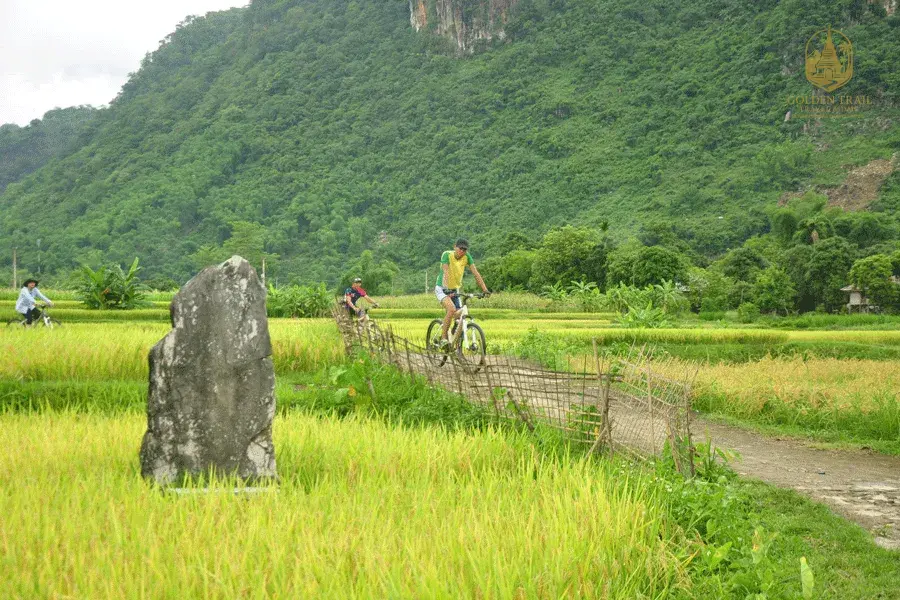
Cycling through Pu Luong Nature Reserve is one of the most breathtaking and rewarding outdoor adventures in northern Vietnam. With terraced rice fields, bamboo forests, tranquil ethnic Thai villages, water wheels, gentle streams, and dramatic limestone mountains, Pu Luong offers an unforgettable combination of natural beauty and cultural authenticity. Whether you’re a casual traveler, a cycling enthusiast, or an adventure seeker, choosing the best time to cycle Pu Luong can significantly enhance your experience.
November 29, 2025

Cycling through the golden rice terraces of Pu Luong is one of the most breathtaking and unforgettable experiences in northern Vietnam. As the terraced fields begin to glow in vibrant shades of gold during harvest season, the entire nature reserve transforms into a living masterpiece of color, culture, and mountain scenery. For travelers who love nature, culture, adventure, or photography, Golden rice terraces Pu Luong biking is the perfect way to explore this enchanting region.
November 29, 2025
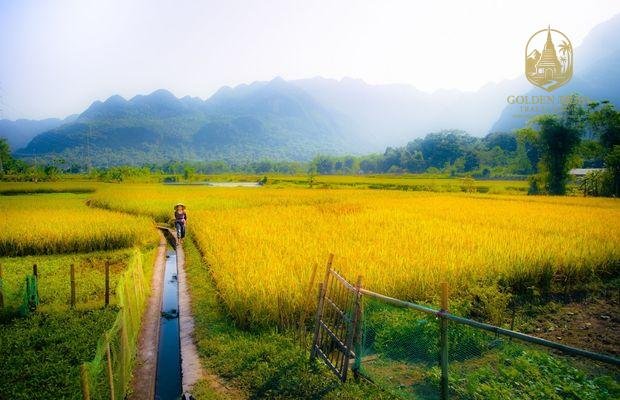
This comprehensive guide reveals everything you need to know about experiencing harvest season cycling Mai Chau at its best: where to ride, when to go, what to expect, suggested itineraries, cultural insights, safety tips, local food, accommodation, and how to book a guided cycling tour with Golden Trail Travel, a reliable operator offering high-quality bicycles and deep local expertise.
November 29, 2025
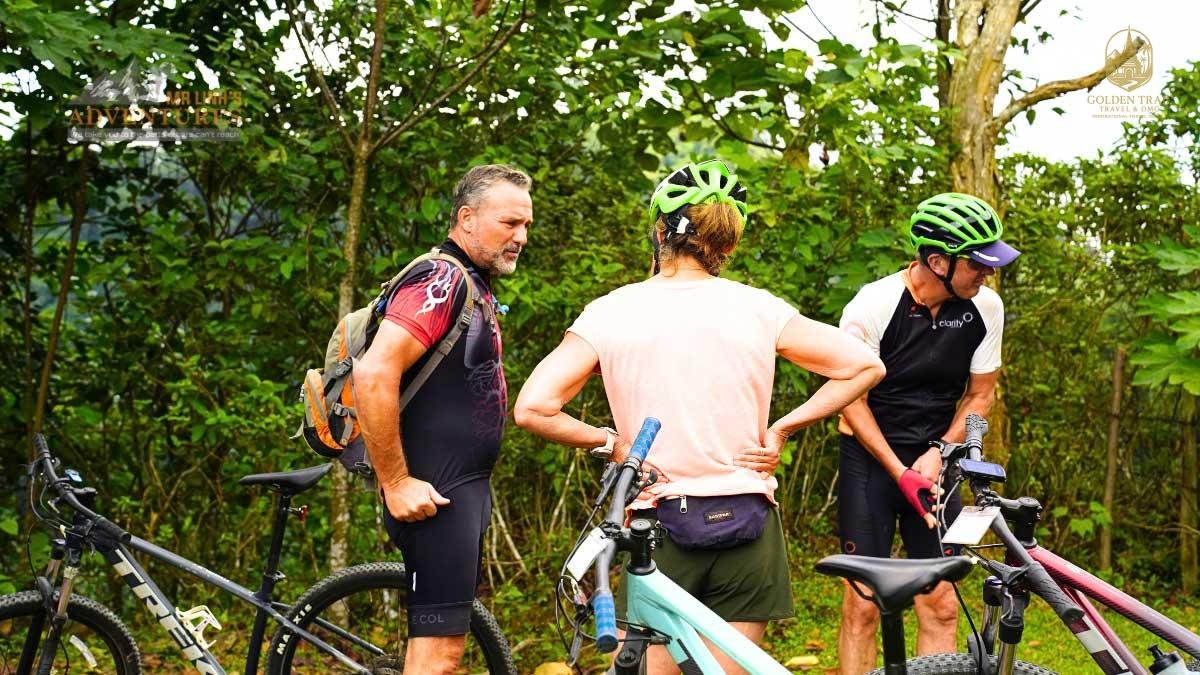
A 4 days North Vietnam cycling tour is one of the most rewarding, diverse, and immersive ways to explore the stunning landscapes and rich cultures of northern Vietnam. Over four days, you’ll journey through limestone mountains, terraced rice fields, hidden valleys, ethnic minority villages, peaceful rice paddies, forest trails, riversides, and remote countryside roads. North Vietnam is a paradise for cyclists—its roads are quiet, scenery dramatic, culture authentic, and the variety of terrain makes each day feel unique.
November 29, 2025

A 3 days cycling Mai Chau Pu Luong adventure is one of the most immersive and scenic journeys you can experience in northern Vietnam. Combining the peaceful valley of Mai Chau and the dramatic mountain landscapes of Pu Luong Nature Reserve, this multi-day cycling trip offers the perfect blend of culture, nature, physical activity, and rural authenticity. Over the course of three days, you’ll ride through terraced rice fields, ethnic Thai villages, bamboo forests, mountain passes, waterfalls, and secluded countryside communities
November 29, 2025
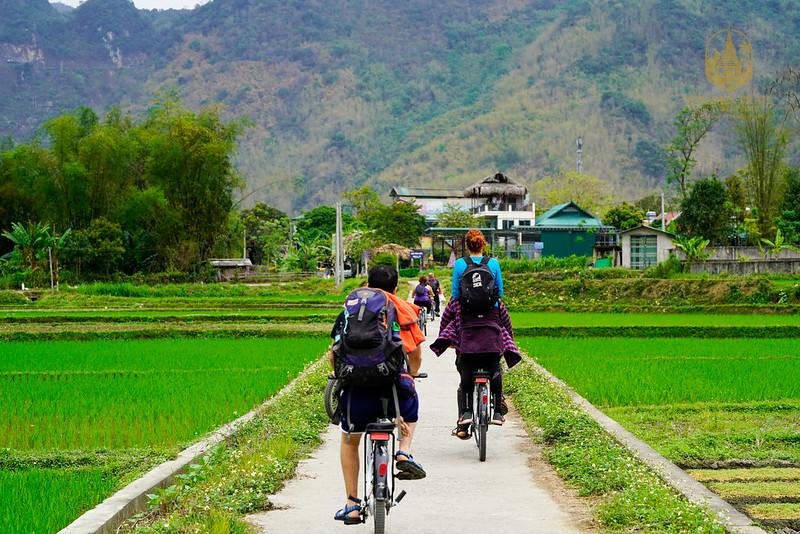
A 2 days 1 night cycling Mai Chau tour is one of the most rewarding countryside adventures you can experience in northern Vietnam. Just a few hours from Hanoi, Mai Chau Valley offers breathtaking landscapes, peaceful rice fields, Thai ethnic villages, bamboo forests, mountain views, and quiet rural paths perfect for both beginner and intermediate cyclists. Spending two days and one night here allows you to fully immerse yourself in local culture, enjoy homestay life, and cover more cycling routes than a simple day trip.
November 29, 2025
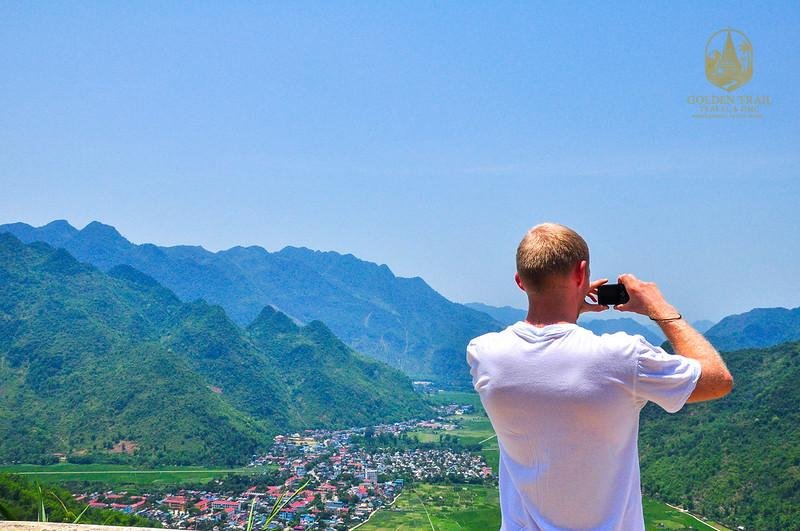
This comprehensive guide will walk you through everything you need to know to plan the perfect day trip—routes, difficulty levels, attractions, travel times, food suggestions, local culture, packing lists, safety tips, and how to book a high-quality tour with Golden Trail Travel, a reputable local operator specializing in countryside and mountain biking experiences.
November 29, 2025

Whether you are cycling through Pu Luong’s cascading terraces, Mai Chau’s wide valleys, Sapa’s steep mountainsides, or Ninh Binh’s karst-surrounded rice fields, this journey is not just a physical activity—it’s a sensory and emotional experience. Travelers from all over the world choose this activity to connect with nature, escape modern noise, and discover rural life in its purest form.
November 29, 2025

This comprehensive guide covers everything about conquering a steep climb in Pu Luong—from the best climbing routes, terrain difficulty, elevation profiles, and scenery, to preparation tips, itineraries, safety advice, and guided tour recommendations with Golden Trail Travel, a trusted adventure operator in northern Vietnam.
November 29, 2025
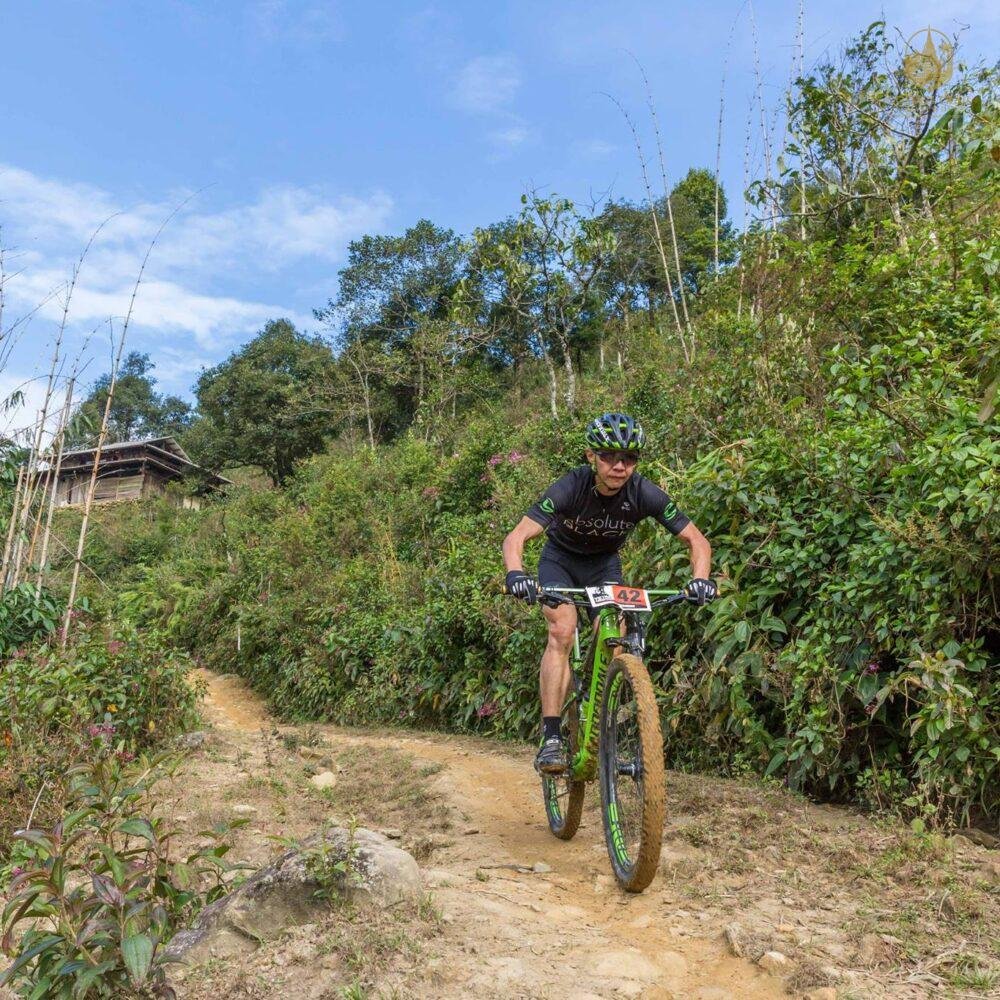
From the spectacular single tracks of Pu Luong to the mud trails of Sapa, the forest-lined valleys of Mai Chau, the karst mountain ridges of Ninh Binh, and the hidden jungle routes of the Central Highlands, Vietnam’s off-road trails cater to all levels—from intermediate riders to hardcore mountain bikers seeking multi-day cross-country expeditions.
November 29, 2025
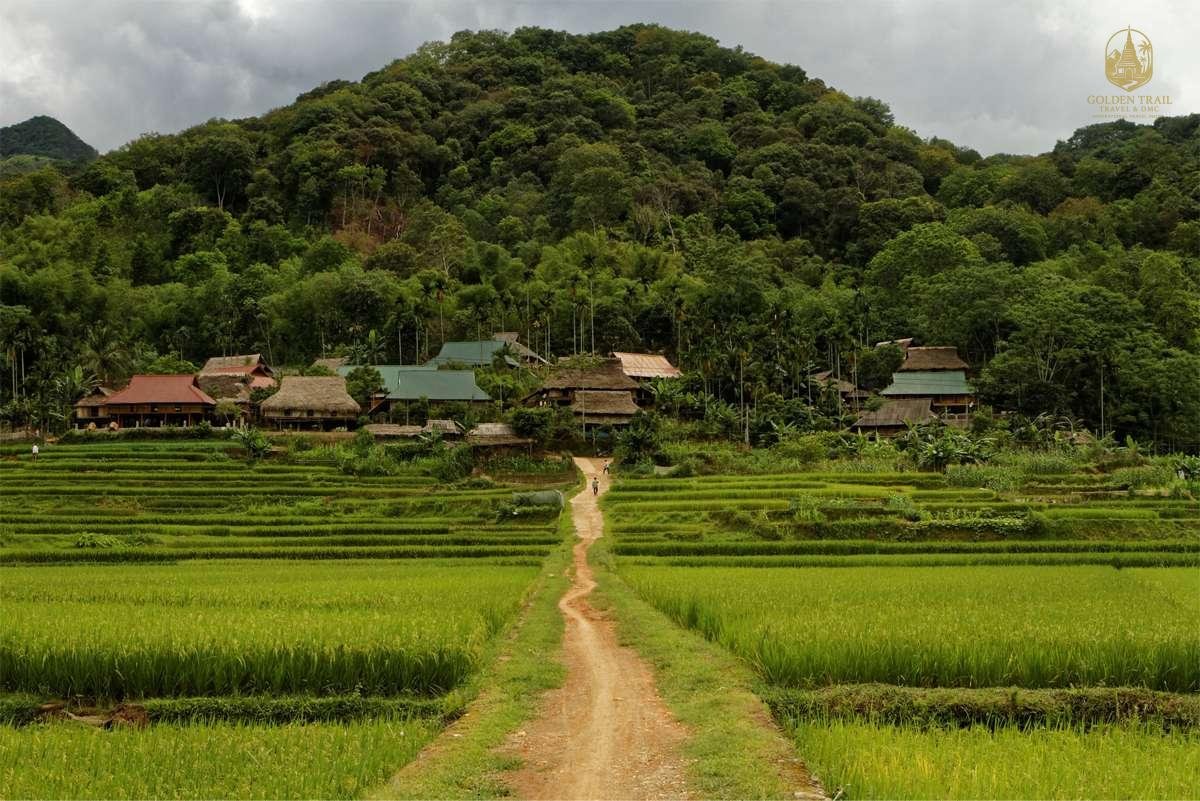
For adventurous cyclists seeking raw, untouched landscapes, challenging routes, and deep cultural immersion, Pu Luong single tracks offer one of the most thrilling mountain biking experiences in Vietnam. Located between Thanh Hoa and Hoa Binh provinces, Pu Luong Nature Reserve remains one of the least commercialized yet most naturally stunning destinations in northern Vietnam. Its rugged terrain, terraced rice fields, bamboo forests, stilt-house villages, and winding mountain ridges provide the perfect playground for single-track riders.
November 29, 2025

Nestled between towering limestone ranges, terraced rice fields, dense tropical forests, and traditional Thai ethnic villages, Pu Luong Nature Reserve is one of Vietnam’s most spectacular off-the-beaten-path destinations—especially for cyclists. While Ninh Binh offers serene flat countryside cycling, Pu Luong brings visitors to a completely different world: remote mountain passes, elevated rice terraces, bamboo forests, wooden stilt houses, cascading waterways, and panoramic hilltop viewpoints.
November 29, 2025

Mai Chau, a tranquil valley surrounded by rolling mountains, emerald rice fields, bamboo forests, and charming ethnic Thai villages, is one of Vietnam’s most picturesque and peaceful countryside destinations. For travelers who love fresh air, nature, culture, and slow travel, Mai Chau countryside cycling offers a deeply immersive and unforgettable experience.
November 29, 2025

A Family bike tour in Mai Chau is one of the most rewarding, scenic, and culturally rich experiences you can enjoy with your loved ones. Nestled in a peaceful valley surrounded by towering mountains, green rice fields, charming Thai ethnic villages, and fresh countryside breeze, Mai Chau is the perfect destination for families seeking adventure, relaxation, and meaningful travel with children.
November 29, 2025

Cycling around Lac Village is one of the most rewarding and immersive experiences you can enjoy in Mai Chau Valley. Known for its serene landscapes, traditional Thai ethnic stilt houses, lush rice fields, peaceful local life, and incredibly photogenic scenery, Lac Village has become a must-visit destination for travelers seeking nature, culture, and slow travel.
November 29, 2025

Mai Chau, a peaceful valley surrounded by towering mountains, vibrant rice paddies, bamboo forests, and charming Thai ethnic villages, is one of Vietnam’s most beautiful destinations for cycling. Unlike more rugged regions such as Sapa or Ha Giang, Mai Chau is known for its gentle terrain, wide-open landscapes, fresh air, and quiet country roads—making it a dream destination for anyone searching for easy cycling routes Mai Chau.
November 29, 2025

Mai Chau Valley is one of Vietnam’s most enchanting destinations, where peaceful ethnic villages, emerald rice fields, bamboo forests, winding rural paths, and majestic mountains come together in perfect harmony. For travelers looking for a memorable outdoor adventure, slow travel experience, and breathtaking landscapes, Mai Chau valley cycling is undoubtedly the best way to explore this region.
November 29, 2025

Mai Chau is one of Vietnam’s most peaceful and picturesque valleys. Surrounded by green rice fields, rolling mountains, bamboo forests, and ethnic Thai villages, Mai Chau offers travelers a calm escape into nature and traditional culture. And among all activities you can do in this valley, nothing is more thrilling, relaxing, and immersive than renting a bike and exploring the landscapes freely.
November 29, 2025
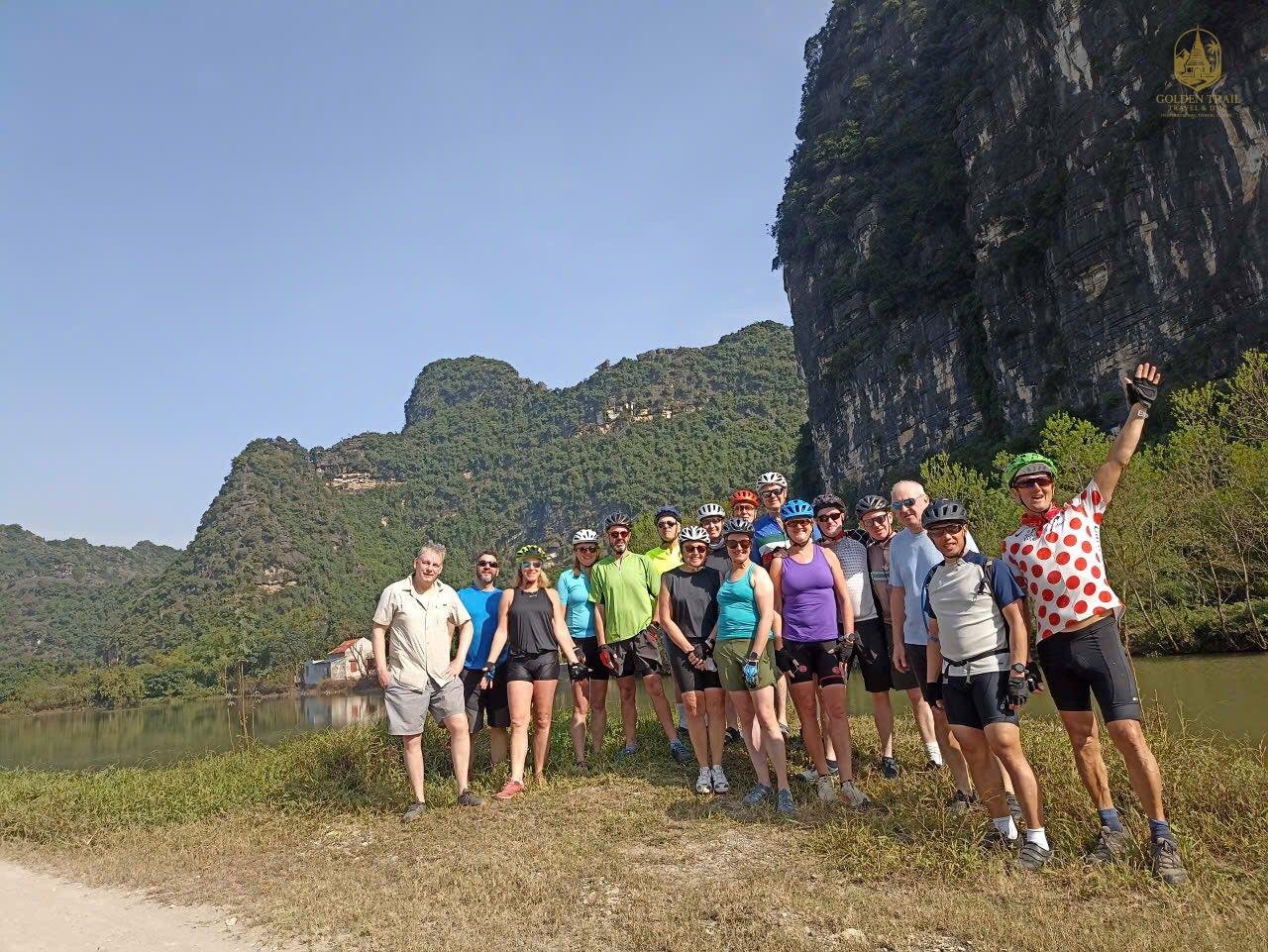
A cycling tour from Hanoi to Mai Chau is one of the most inspiring, scenic, and meaningful adventures you can experience in Vietnam. The journey takes you from the bustling streets of Hanoi to the tranquil mountains, lush rice fields, ethnic villages, and peaceful countryside of Mai Chau Valley. For travelers who love nature, culture, adventure, and slow travel, the Cycling tour Hanoi to Mai Chau is the perfect way to explore northern Vietnam beyond the typical tourist path.
November 29, 2025
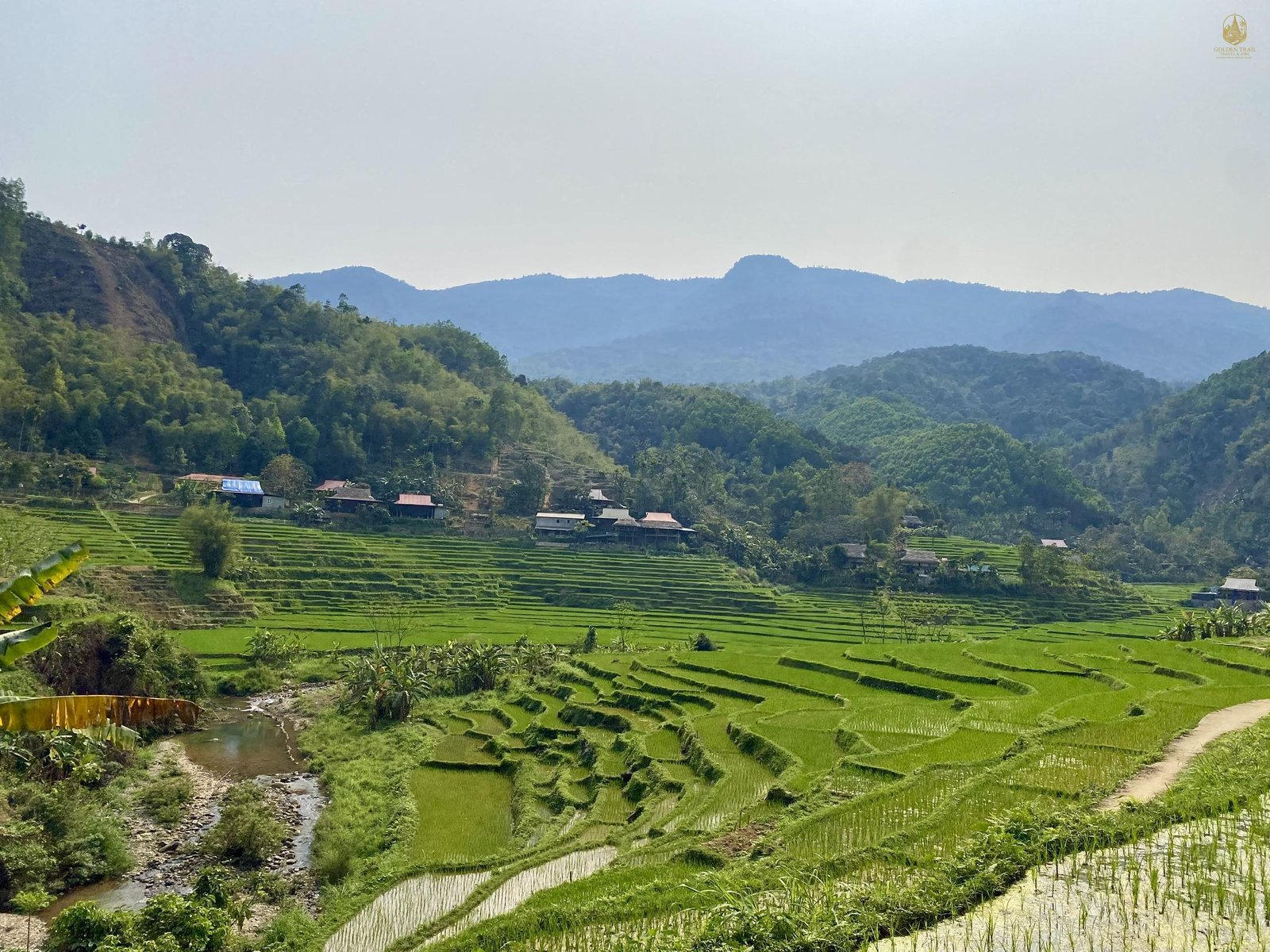
Cycling from Mai Chau to Pu Luong is one of the most breathtaking mountain-to-valley journeys you can experience in northern Vietnam. This route combines the peaceful rice valleys of Mai Chau with the dramatic terraces, limestone mountains, waterfalls, ethnic villages, and lush forests of Pu Luong Nature Reserve. For adventurous travelers, nature lovers, photographers, and families seeking a meaningful outdoor experience, the Mai Chau to Pu Luong cycling journey offers pure inspiration.
November 29, 2025