15 Ng. 100 Đ. Nguyễn Xiển, Thanh Xuân Nam, Thanh Xuân, Hà Nội 100000
15 Ng. 100 Đ. Nguyễn Xiển, Thanh Xuân Nam, Thanh Xuân, Hà Nội 100000
Imagine a vibrant agricultural landscape nestled against the backdrop of ancient mountains and endless skies, where the Yellow River nurtures fertile plains, and a rich blend of cultures thrives. This is Bayan Nur (巴彦淖尔 - Bāyànnà'ěr), a relatively lesser-known but incredibly significant prefecture-level city in Inner Mongolia, China. Named after a beautiful lake, Bayan Nur is the heart of the "Hetao Plain," one of China's most important agricultural belts, often called the "Granary of Northern China." It's a place where modern irrigation systems, fed by the mighty Yellow River, have transformed a semi-arid region into a lush oasis, sustaining both vibrant communities and diverse ecosystems.
This comprehensive guide will lead you on a fascinating journey through the dynamic world of Bayan Nur – from its expansive agricultural fields and the vital presence of the Yellow River, to its unique wetland environments and the rich cultural tapestry of its Mongolian and Han communities. We'll also show you how Golden Trail Travel can unlock an unforgettable and seamlessly organized adventure, ensuring you discover the true essence and hidden gems of this remarkable green jewel of Inner Mongolia. Prepare to be inspired by its resilience, charmed by its natural beauty, and delighted by its unique blend of tradition and modernity.
To truly appreciate Bayan Nur today, it's essential to understand its unique geographical setting and the compelling historical narrative that has shaped its identity as a vital agricultural and ecological hub.
Bayan Nur is strategically located in the western part of Inner Mongolia Autonomous Region, bordered by the Gobi Desert to the north, the Ordos Plateau to the south, and the Yellow River flowing majestically through its southern reaches. The city's very existence and prosperity are inextricably linked to the Yellow River (黄河 - Huánghé), which provides the lifeline for the Hetao Plain (河套平原 - Hétào Píngyuán).
"Bend in the River": The term "Hetao" literally means "river bend," referring to the large, fertile loop the Yellow River makes as it flows through this region. This natural bend, combined with alluvial deposits from the river, has created incredibly rich and arable land.
Irrigation Miracle: For millennia, human ingenuity has harnessed the Yellow River's waters for extensive irrigation. Bayan Nur is particularly renowned for its vast and ancient irrigation systems, which have transformed what would otherwise be a semi-arid environment into one of China's most productive agricultural zones. This makes it a fascinating case study in human-environment interaction and sustainable resource management.
Wetland Ecosystems: The extensive irrigation and the presence of the Yellow River have also created unique wetland ecosystems, attracting diverse birdlife and supporting a rich biodiversity amidst the surrounding drier landscapes.
Bayan Nur's history is a story of human adaptation, agricultural development, and strategic importance.
Ancient Settlements and Nomadic Cultures: Archaeological evidence indicates human activity in the Hetao Plain dating back to prehistoric times. The fertile land attracted early agricultural settlements, while the surrounding steppes were home to various nomadic tribes, including the Xiongnu, Turks, and Mongols. Bayan Nur thus served as a historical frontier where agricultural and nomadic cultures often met, sometimes peacefully, sometimes in conflict.
Strategic Military Importance: Throughout Chinese imperial history, the Hetao Plain was considered a strategically vital area due to its agricultural productivity and its position as a defensive barrier against northern nomadic incursions. Numerous fortifications and military outposts were established here.
Agricultural Development: Large-scale irrigation projects began as early as the Qin and Han Dynasties, with significant expansion during subsequent periods. This continuous development cemented the Hetao Plain's reputation as a "breadbasket" region.
Modern Establishment: The modern city of Bayan Nur was established relatively recently as a prefecture-level city in 2003, consolidating several existing counties and districts. This reflects its growing importance as a regional economic and administrative center.
Economic Drivers: Today, Bayan Nur is a major producer of grain (especially wheat and corn), oilseeds, and various specialty crops. It's particularly famous for its high-quality melons, sunflowers, and the distinct Hetao Mutton, which benefits from the local grasses and water.
While the Inner Mongolia Autonomous Region is predominantly known for its Mongolian culture, Bayan Nur, being a highly agricultural area with a long history of Han Chinese settlement and extensive farming, presents a unique blend.
Dominant Han Population: The majority of the population in Bayan Nur is Han Chinese, due to centuries of migration and agricultural development.
Mongolian Presence: However, the city and its surrounding areas retain a significant Mongolian presence, evident in the dual-language signs, cultural festivals, and the rich traditions of Mongolian cuisine and arts. It's a fascinating example of cultural coexistence and integration.
Frontier Spirit: The region maintains a distinct frontier spirit, shaped by its history of adapting to and thriving in a sometimes challenging natural environment, and by the fusion of different cultural influences.
Bayan Nur offers a unique blend of natural beauty, agricultural marvels, and historical insights, providing a distinctive travel experience away from China's more conventional tourist routes.
The vast, fertile fields of the Hetao Plain are a major attraction in themselves, especially during planting or harvest seasons.
Agricultural Landscapes: Drive or cycle through endless fields of wheat, corn, sunflowers, and other crops. Witness the impressive scale of modern irrigation systems that draw water directly from the Yellow River, a testament to human ingenuity in transforming a desert fringe into a productive agricultural zone.
Local Produce: Enjoy the freshness of locally grown produce. Bayan Nur is especially famous for its sunflower seeds, which are exported globally, and its sweet, flavorful melons.
Hetao Mutton: This region is renowned for its specific breed of lamb (Hetao Mutton), which is prized for its tenderness and lack of gaminess, often attributed to the local pastures and climate.
The Yellow River's presence is fundamental to Bayan Nur's existence. While it's a mighty and sometimes silty river, its role as a life-giver is profound.
Yellow River Loop (河套 - Hétào): Experience the significant bend the river makes through the Hetao Plain.
Riverside Parks and Views: Explore parks and viewpoints along the riverbanks, observing the mighty flow and the engineering marvels of the irrigation canals that branch off it.
Harnessing the River: Learn about the extensive history of water management and diversion for irrigation that has sustained life in this region for millennia.
This is the largest freshwater lake in Inner Mongolia and a critically important wetland. Located southeast of Linhe District (Bayan Nur's administrative center), Ulansuhai Nur is a haven for biodiversity.
Birdwatcher's Paradise: The lake is a major stopover point for migratory birds, especially during spring and autumn. It's home to numerous species of waterfowl, including various cranes, swans, and geese. It's a prime destination for birdwatching and nature photography.
Ecological Significance: It plays a crucial role in regulating the regional climate, purifying water, and supporting a diverse range of plant and animal life. Efforts are ongoing to protect and restore its ecological health.
Boating and Relaxation: Enjoy boat rides on the lake, take in the serene natural beauty, and observe the efforts made to conserve this unique wetland.
To the north of the Hetao Plain, the Wulashan mountains offer a contrast to the flat agricultural lands, providing opportunities for hiking and exploring historical sites.
Mountain Scenery: Enjoy the rugged beauty of the mountains, with their unique rock formations and occasional forested valleys.
Ancient Temples and Caves: The mountains are home to several ancient temples and caves, some with Buddhist or Taoist connections, offering glimpses into the region's spiritual history.
Mural Cave: Some caves contain ancient murals, though access might be restricted or require special arrangements.
Panoramic Views: Climb to higher elevations for panoramic views of the vast Hetao Plain stretching out below, contrasting with the Gobi Desert in the distance.
Wuyuan County, within Bayan Nur, boasts a history of military fortifications due to its strategic location.
Ruins of Ancient City Walls: Explore remnants of ancient city walls and fortifications, which served as important defensive outposts during various dynasties, particularly against northern nomadic tribes.
Historical Significance: These sites offer a tangible connection to the region's long history as a frontier zone.
Agricultural Products: Visit local markets in Linhe District or other towns to experience the bustling trade of agricultural products, from fresh produce to local specialties like sunflower seeds and dried fruits.
Taste Hetao Mutton: Don't miss the opportunity to savor authentic Hetao Mutton, cooked in various traditional ways.
Cultural Blend: Observe the unique cultural blend in everyday life, from the dual-language signs to the local customs that reflect both Han Chinese and Mongolian influences.
Bayan Nur's cuisine is a delightful fusion of agricultural abundance and Inner Mongolian nomadic traditions. It's hearty, fresh, and highlights the quality of local produce and, most famously, its lamb.
Hetao Mutton (河套羊肉 - Hétào Yángròu): This is the undisputed star. The lamb from this region is renowned for its tenderness, fine texture, and lack of gaminess, attributed to the specific local grasses and water.
Hand-Pulled Mutton (手把肉 - Shǒubǎ Ròu): The most authentic way to enjoy Hetao Mutton. Lamb is simply boiled with minimal seasoning until tender, then served in large chunks. Diners use a knife to cut off pieces, often dipping them in a light, savory sauce.
Mutton Hot Pot (羊肉火锅 - Yángròu Huǒguō): Thinly sliced Hetao Mutton cooked quickly in a simmering broth, often with various local vegetables and tofu.
Roasted Lamb Skewers (烤羊肉串 - Kǎo Yángròuchuàn): Popular street food, marinated and grilled.
Local Produce: Given its agricultural prowess, fresh fruits and vegetables are abundant.
Bayan Nur Melon (巴彦淖尔甜瓜 - Bāyànnà'ěr Tiánguā): Famous for its sweetness and juiciness, especially in summer.
Sunflower Seeds (瓜子 - Guāzi): A major local product. You'll find various flavored roasted sunflower seeds, a popular snack.
Wheat-Based Staples:
Noodles (面条 - Miàntiáo): Many noodle dishes, often served with lamb or vegetable sauces.
Steamed Buns (馒头 - Mántou) and Flatbreads (烙饼 - Làobǐng): Hearty staples accompanying most meals.
"Mongolian Milk Tea" (奶茶 - Nǎichá): While a strong Mongolian tradition, it's also found here. Often savory, made with brick tea, fresh milk, and sometimes a pinch of salt.
Local Snacks: Explore local markets for unique regional snacks, often incorporating local grains and spices.
Culinary Immersion: Golden Trail Travel can arrange authentic dining experiences, from local restaurants specializing in Hetao Mutton to exploring local markets, providing a delicious insight into Bayan Nur's flavors.
While Bayan Nur offers a unique and enriching travel experience, navigating its agricultural vastness, discovering its hidden wetlands, and understanding its cultural nuances can be greatly enhanced with expert guidance. This is where Golden Trail Travel becomes your invaluable partner, transforming your trip into a seamlessly planned, deeply insightful, and profoundly rewarding adventure.
Golden Trail Travel excels in designing bespoke tours that perfectly capture the unique essence of Bayan Nur, catering to your specific interests, whether they are agricultural tourism, birdwatching, cultural immersion, or historical exploration.
Tailored Itineraries: From prioritizing visits to the sprawling Hetao Plain farms and the vital Ulansuhai Nur wetlands for birdwatching, to exploring historical sites and experiencing local markets, Golden Trail Travel can customize a tour that perfectly aligns with your passions and pace.
Unique Perspectives: They connect you with the profound human story of transforming a semi-arid region into a fertile breadbasket, offering insights into modern irrigation techniques and traditional farming practices.
Birdwatching Expertise: For nature enthusiasts, Golden Trail Travel can arrange specialized birdwatching excursions to Ulansuhai Nur, leveraging local knowledge to maximize your chances of spotting rare migratory species.
Visit Golden Trail Travel's website at https://goldentrailtravel.com/ to explore their diverse range of tours and begin crafting your own Bayan Nur green adventure.
A key component of a Golden Trail Travel experience in Bayan Nur is access to their network of expert local guides. These guides are fluent in English and possess a profound understanding of Bayan Nur's unique agricultural system, its ecological significance, its rich history, and the subtle blend of Mongolian and Han cultures.
Cultural Interpretation: Your guide will bridge language barriers, explain the complexities of the irrigation systems, shed light on local customs and traditions, and help you understand the daily life of farmers and herders in the region.
Ecological Insights: For Ulansuhai Nur, a guide can provide invaluable information on the wetland's ecosystem, bird species, and ongoing conservation efforts.
Authentic Encounters: They can facilitate meaningful interactions, perhaps by guiding you to a local farm or a traditional eatery, providing a more personal and memorable experience.
Traveling to a region like Bayan Nur, which is less frequented by international tourism, requires meticulous planning. Golden Trail Travel ensures your comfort and peace of mind throughout your journey:
Transportation: Arranging all ground transportation within Bayan Nur (including private transfers to farms, wetlands, and historical sites), and transfers from airports or high-speed rail stations (Bayan Nur Airport - BNY, or nearby high-speed rail stations, often connecting via Hohhot or Beijing), ensuring smooth and comfortable journeys across potentially varied terrain.
Accommodation: Selecting reputable hotels or guesthouses in Linhe District (the main urban area) or nearby towns that meet your comfort and budget requirements, ensuring a pleasant stay.
Trouble-free Travel: Handling any potential language barriers or logistical hurdles, such as purchasing tickets for attractions, understanding local etiquette, or finding authentic local eateries, allowing you to relax and fully immerse yourself in the experience.
Bayan Nur is an excellent destination to combine with other highlights of Inner Mongolia or regions along the Yellow River. Golden Trail Travel can seamlessly integrate your visit to Bayan Nur with trips to:
Hohhot: The capital of Inner Mongolia, offering lamaseries and access to grasslands.
Ordos: Home to the Mausoleum of Genghis Khan and unique desert landscapes.
Yinchuan (Ningxia): Another Yellow River city known for its Western Xia history and desert scenery.
Lanzhou (Gansu): A major Yellow River hub, offering further connections to the Silk Road.
Golden Trail Travel's expertise extends across the entire region, allowing for efficient, insightful, and complementary multi-city itineraries that truly showcase the diverse landscapes and heritage of China's northern and western regions.
Golden Trail Travel is dedicated to promoting responsible and sustainable tourism practices. They strive to ensure that your visit to Bayan Nur benefits local communities, respects its vital agricultural and wetland ecosystems, and minimizes environmental impact, leaving a positive footprint on this unique and productive region. They encourage appreciation for sustainable farming practices and wetland conservation.
Bayan Nur offers a distinctive and refreshing travel experience, showcasing a side of Inner Mongolia that goes beyond the typical grassland stereotypes. It's a testament to human ingenuity in harmony with nature, and a place of quiet, understated beauty.
Witness one of China's most important "granaries," where the Yellow River's ancient waters sustain vast, fertile fields, offering insights into large-scale irrigation and modern farming.
Discover Ulansuhai Nur, a crucial birdwatching paradise and a prime example of ecological conservation amidst agricultural development.
Experience a fascinating blend of Han Chinese and Mongolian cultures, reflected in daily life, local markets, and especially in the unique regional cuisine.
Savor the renowned Hetao Mutton, prized for its quality, and enjoy fresh, locally grown produce, particularly the sweet melons and abundant sunflower seeds.
For travelers seeking a unique and less-explored destination in China, Bayan Nur offers a sense of discovery and a chance to experience a different facet of Inner Mongolia, away from the more crowded tourist routes.
Understand the long history of human endeavor in transforming and sustaining life in a challenging frontier environment, from ancient fortifications to modern irrigation marvels.
Q1: Where is Bayan Nur located in China? A1: Bayan Nur (巴彦淖尔) is a prefecture-level city located in the western part of the Inner Mongolia Autonomous Region, China.
Q2: What is Bayan Nur most famous for? A2: Bayan Nur is most famous as the heart of the Hetao Plain (河套平原), one of China's most important agricultural regions, often called the "Granary of Northern China." It's also renowned for the presence of the Yellow River, its extensive irrigation systems, its vital Ulansuhai Nur wetland, and its high-quality Hetao Mutton.
Q3: What are the main attractions in Bayan Nur? A3: Key attractions include the vast Hetao Plain agricultural landscapes, the Ulansuhai Nur wetland (excellent for birdwatching), the Yellow River itself, and remnants of ancient city walls and temples in the Wulashan mountains and Wuyuan county.
Q4: How do I travel to Bayan Nur? A4: You can fly into Bayan Nur Tianjiao Airport (BNY), which has connections to major Chinese cities like Beijing and Hohhot. Alternatively, you can take a high-speed train to a nearby station (often connecting via Hohhot). Golden Trail Travel can arrange all your transportation and transfers for a smooth journey.
Q5: What unique foods should I try in Bayan Nur? A5: You must try Hetao Mutton (河套羊肉), particularly Hand-Pulled Mutton (手把肉) and Mutton Hot Pot. Also, sample the fresh local produce like Bayan Nur Melon (巴彦淖尔甜瓜) and various sunflower seed products.
Q6: What kind of cultural experience can I expect in Bayan Nur? A6: Bayan Nur offers a unique blend of Han Chinese and Mongolian cultures, with a strong focus on agricultural life. You'll see this blend in local customs, cuisine, and dual-language signage. It's an opportunity to experience a different facet of Inner Mongolia beyond the typical nomadic grassland tours.
Q7: What is Ulansuhai Nur known for? A7: Ulansuhai Nur (乌梁素海) is Inner Mongolia's largest freshwater lake and a critically important wetland ecosystem. It is especially known as a major stopover for migratory birds, making it an excellent destination for birdwatching.
Q8: How can Golden Trail Travel enhance my Bayan Nur trip? A8: Golden Trail Travel specializes in tailored agricultural and wetland exploration tours to Bayan Nur. They provide expert local guides who offer deep insights into the region's unique geography, history, and culture, handle all logistics (transport, accommodation, and specialized activities), and ensure a seamless, authentic, and truly enriching adventure.
Q9: Can Golden Trail Travel combine Bayan Nur with other destinations in Inner Mongolia or China? A9: Yes! Golden Trail Travel can seamlessly integrate your visit to Bayan Nur with other attractions in Inner Mongolia, such as Hohhot (the capital) and its grasslands, or Ordos. They can also connect it to other Yellow River cities like Yinchuan or Lanzhou, creating a comprehensive itinerary through China's diverse northern regions.
"Our trip to Bayan Nur with Golden Trail Travel was a fascinating insight into China's agricultural heartland. I was amazed by the vast fields and the incredible irrigation systems fed by the Yellow River. Our guide was incredibly knowledgeable about the local farming practices and the history of water management. It was a unique and eye-opening experience, perfectly organized by Golden Trail Travel." — Eleanor R., USA
"Bayan Nur was a truly unique destination, far different from what I expected of Inner Mongolia. Ulansuhai Nur was a beautiful surprise, a haven for birds that I loved photographing. Golden Trail Travel’s attention to detail, from comfortable transport to helping us find the freshest Hetao Mutton, made the trip incredibly smooth and enjoyable. I highly recommend them for off-the-beaten-path adventures!" — Marcus L., UK
"The food in Bayan Nur was simply delicious, especially the Hetao Mutton – it truly lived up to its reputation! Golden Trail Travel led us to some fantastic local eateries, and I loved sampling the local melons and sunflower seeds. Beyond the food, I appreciated learning about the vital role of the Yellow River in this region's history and prosperity. It was an enriching and delicious journey." — Sophia M., Germany
"As an environmental studies enthusiast, Bayan Nur presented a compelling case study. The transformation of arid land into a productive agricultural zone, and the conservation efforts at Ulansuhai Nur, were truly inspiring. Golden Trail Travel provided an expert guide who could articulate these complex issues clearly, making the trip both educational and deeply engaging. A superb experience." — Professor Charles D., Australia
"Golden Trail Travel created a wonderful itinerary that combined Hohhot and the grasslands with the unique agricultural landscape of Bayan Nur. It gave us such a comprehensive understanding of Inner Mongolia. The entire trip was incredibly well-organized, safe, and authentic. Their team was so responsive and helpful throughout. If you're looking for a distinctive and well-executed tour in China, Golden Trail Travel is the way to go!" — Li Wei, Singapore
Bayan Nur offers a refreshing and insightful alternative to typical Inner Mongolia itineraries, revealing a vital, productive, and ecologically rich side of the region. It stands as a testament to the transformative power of the Yellow River, human ingenuity, and the enduring spirit of communities that have shaped a fertile oasis in a challenging environment. From the vast, life-sustaining fields of the Hetao Plain and the critical biodiversity of Ulansuhai Nur to the historical echoes of ancient fortifications and the vibrant flavors of its unique cuisine, Bayan Nur promises a travel experience that is deeply authentic, ecologically engaging, and profoundly rewarding. It is a destination that beckons to those who seek a deeper understanding of China's agricultural might, its environmental challenges, and the fascinating interplay of cultures.
To truly unlock the multifaceted wonders and understated charm of this extraordinary green jewel, an experienced and dedicated partner is indispensable. Golden Trail Travel is your trusted guide to Bayan Nur, offering meticulously planned tours, expert local insights, and a steadfast commitment to authentic encounters. Let them lead you through the fertile fields and vital wetlands of Bayan Nur, where the Yellow River nurtures life, and your next unforgettable green adventure awaits


In this comprehensive guide, you will discover everything about renting a bike in Tam Coc—from where to rent, how much it costs, the best cycling routes, safety tips, essential advice, and how you can combine your bike rental with professional tours from Golden Trail Travel, one of the most reputable travel operators in Ninh Binh.
November 28, 2025

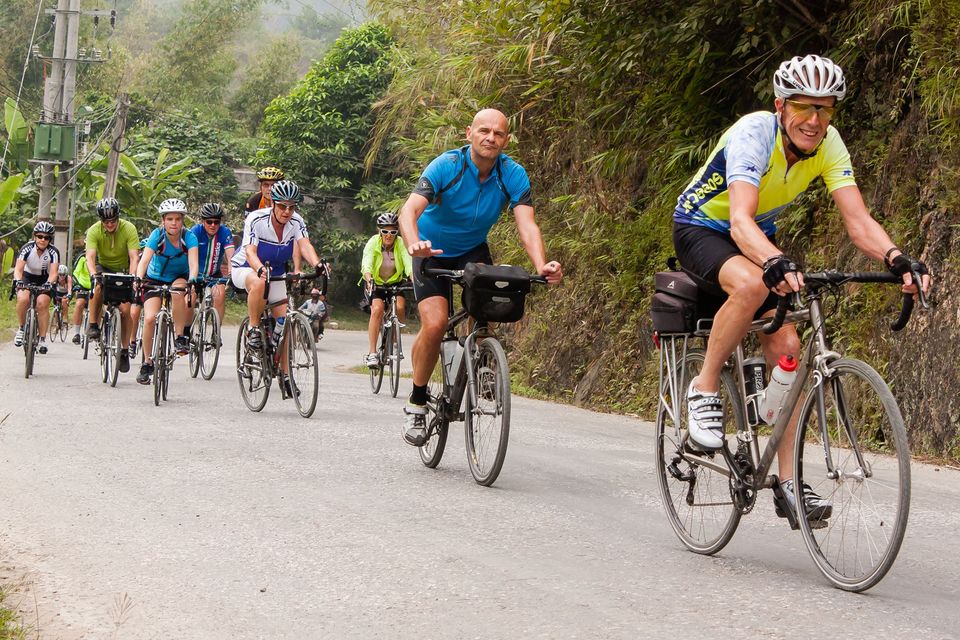
If you're dreaming of a journey filled with limestone mountains, golden rice fields, ancient temples, and quiet rural charm, a Ninh Binh cycling tour is your ultimate travel experience. Unlike other destinations in Vietnam, Ninh Binh reveals its beauty slowly — the deeper you ride into the countryside, the more magical it becomes.
November 28, 2025

Tuyet Tinh Coc, known as the “Am Tuyet Lake” or “Valley of Love” in Ninh Binh, is one of Vietnam’s most picturesque natural wonders. Featuring turquoise lakes surrounded by towering limestone cliffs, this hidden valley remains peaceful, mysterious, and exceptionally photogenic. It is a place where nature feels untouched, and the serenity makes you slow down and breathe deeply.
November 27, 2025

Cuc Phuong National Park, the oldest national park in Vietnam, stands as one of Southeast Asia’s most remarkable biodiversity treasures. With its ancient rainforest, vibrant ecosystems, limestone mountains, wildlife rescue centers, and hidden prehistoric caves, Cuc Phuong offers one of the most immersive outdoor experiences for travelers.
November 27, 2025

While boat trips are the most popular activity here, one of the most rewarding, immersive, and family-friendly ways to explore this natural paradise is cycling. Cycling through Van Long Nature Reserve allows travelers to discover stunning landscapes, interact with locals, enjoy the fresh countryside air, and feel deeply connected to nature.
November 27, 2025

Venture into the heart of northern Vietnam with the 5 Days Ha Giang Moderate Trekking Tour, an unforgettable adventure that strikes the perfect balance between nature, culture, and exploration.
November 26, 2025

Vietnam is opening its arms to the world. From the misty peaks of Ha Giang to the emerald waters of Phu Quoc, the S-shaped land has never been more accessible. As we step into 2025, Vietnam’s immigration policies have evolved significantly, making it easier than ever for millions of international travelers to visit without the hassle of paperwork or fees.
November 21, 2025

Vietnam calls to the soul of the wanderer. Whether it is the limestone pillars of Ha Long Bay rising from emerald waters, the chaotic yet charming energy of Hanoi’s Old Quarter, or the serene lanterns glowing in Hoi An, this S-shaped country is a bucket-list destination. But before you can sip egg coffee by Hoan Kiem Lake or trek through the terraced rice fields of Sapa with Golden Trail Travel, there is one administrative hurdle you must clear: The Vietnam Electronic Visa (E-visa).
November 21, 2025
.webp "Experience Buon Ma Thuot in Style – 2 Days Discovering Vietnam’s Coffee Capital & Highland Culture")
This 2-day journey invites you to explore the raw beauty, rich culture, and warm-hearted spirit of the Central Highlands — a region where every corner tells a story and every experience awakens your senses.
November 21, 2025

Planning a trip to the breathtaking landscapes of Vietnam? From the limestone karsts of Ha Long Bay to the bustling streets of Ho Chi Minh City, Vietnam is a destination that promises unforgettable experiences. However, before you pack your bags, there is one crucial step: obtaining your Vietnam E-visa
November 21, 2025

Vietnam is a country of timeless charm, but there is one time of year when the nation transforms completely. It is a season when the chaotic traffic of the cities subsides into a peaceful hush, when the streets are painted in vibrant shades of red and yellow, and when the smell of burning incense and savory sticky rice cakes fills the air.
November 21, 2025

Phu Quoc Island has rapidly transformed from a sleepy fishing outpost into one of Southeast Asia’s premier island destinations. The southern Long Beach is bustling with backpackers and beach bars, while the developed areas of Bai Truong dazzle with massive international resorts. But nestled on the central-west coast, shielded by swaying coconut palms and volcanic rock formations, lies a stretch of coastline that remembers the "old" Phu Quoc.
November 21, 2025

When travelers think of Southeast Asian cuisine, their minds often drift immediately to the Pad Thai of Bangkok or the Pho of Hanoi. However, sandwiched between these two culinary giants lies a hidden gem that has been quietly bubbling away for centuries: Cambodia.
November 21, 2025

Hanoi is a city of captivating contrasts. In the Old Quarter, the energy is electric—a symphony of honking motorbikes, sizzling street food, and vibrant commerce. It is a city that never sleeps, pulsating with history and modernization. However, for the discerning traveler, the true soul of Northern Vietnam often lies just beyond the city limits.
November 21, 2025
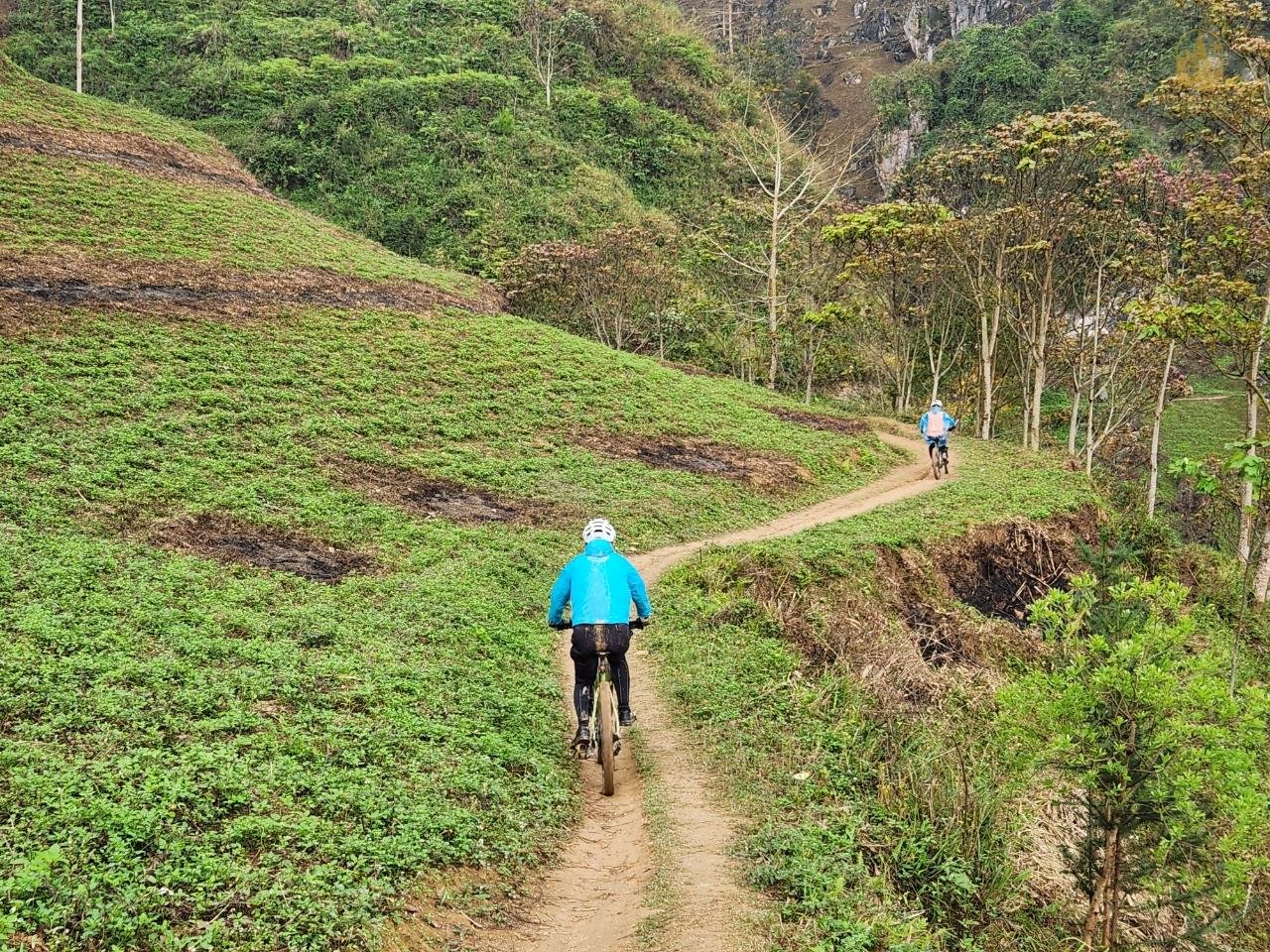
There are cycling trips, and then there are odysseys. Biking from Hanoi to Ho Chi Minh is not merely a vacation; it is a rite of passage. It is the act of traversing an entire nation, tracing the S-shape of the Dragon along the edge of the East Sea.
November 20, 2025
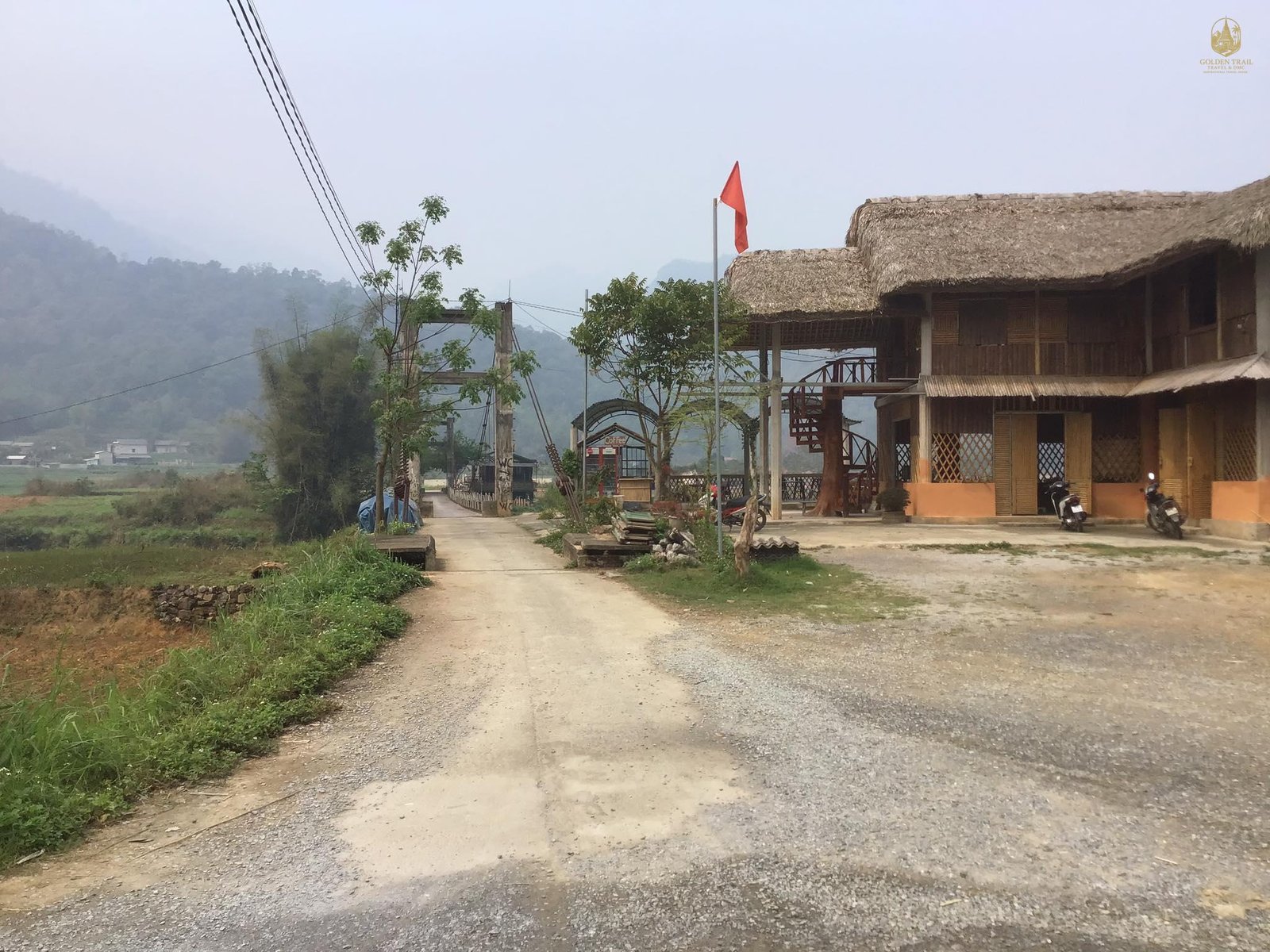
There are roads that exist simply to connect Point A to Point B. And then, there are roads that are destinations in themselves—roads that carry the weight of history, the majesty of nature, and the soul of a nation. Riding the Ho Chi Minh Trail is the latter. It is not just a journey; it is a pilgrimage through the very heart of Vietnam.
November 20, 2025
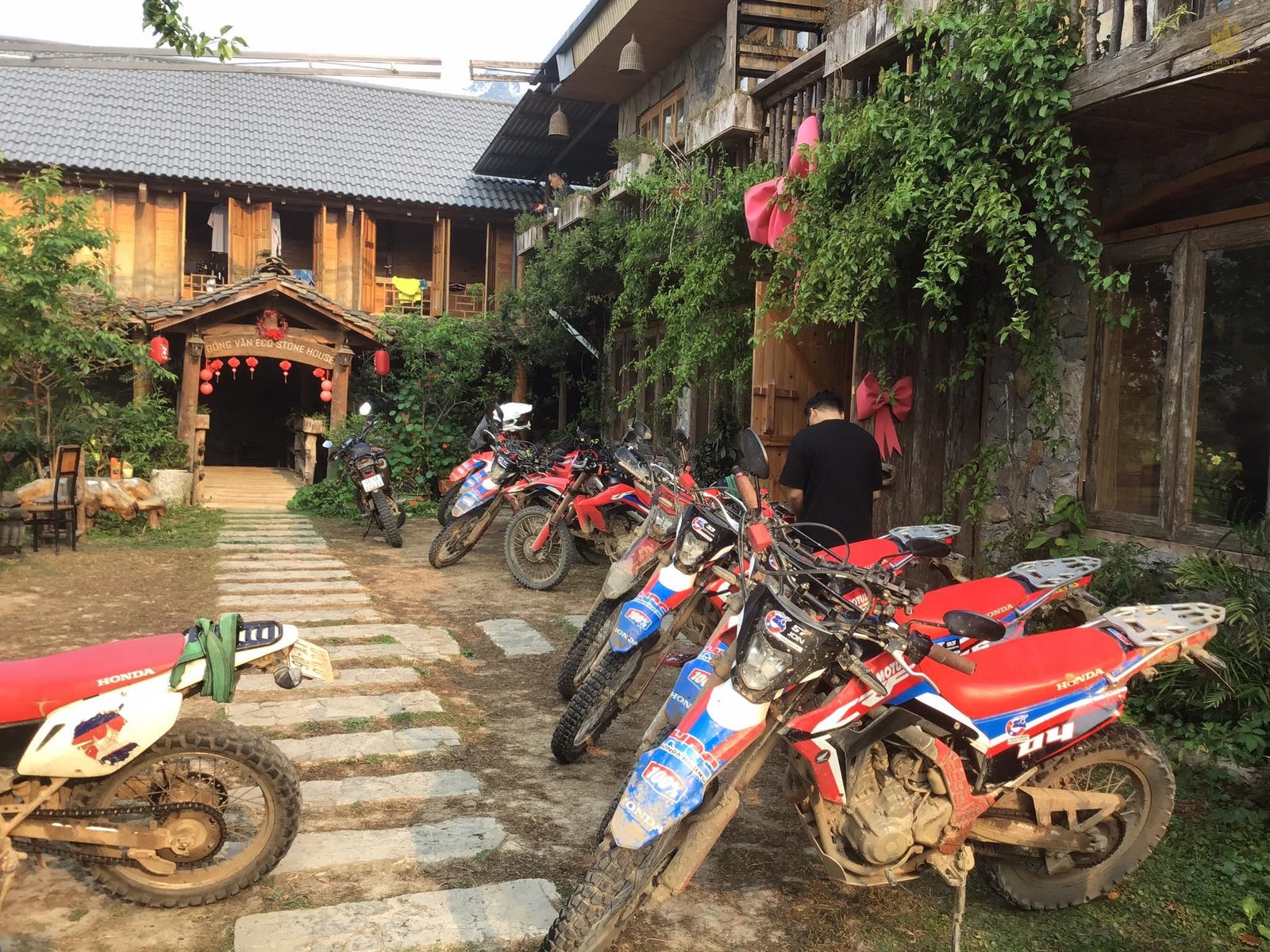
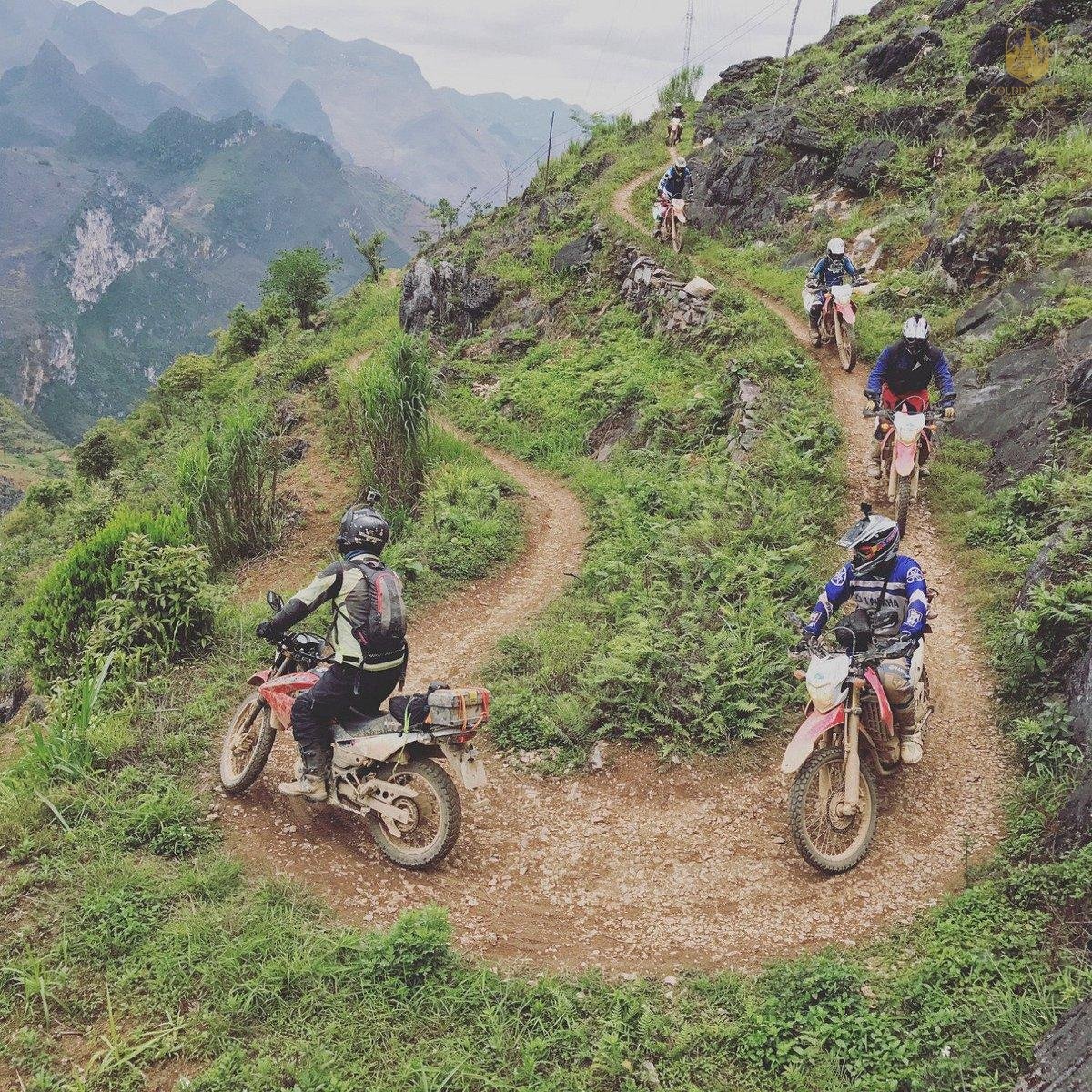
There are road trips, and then there are pilgrimages. Route 66 in the USA offers nostalgia; the Great Ocean Road in Australia offers scenery. But a Ho Chi Minh Trail motorbike tour offers something far more profound: a journey through the very soul of a nation.
November 20, 2025
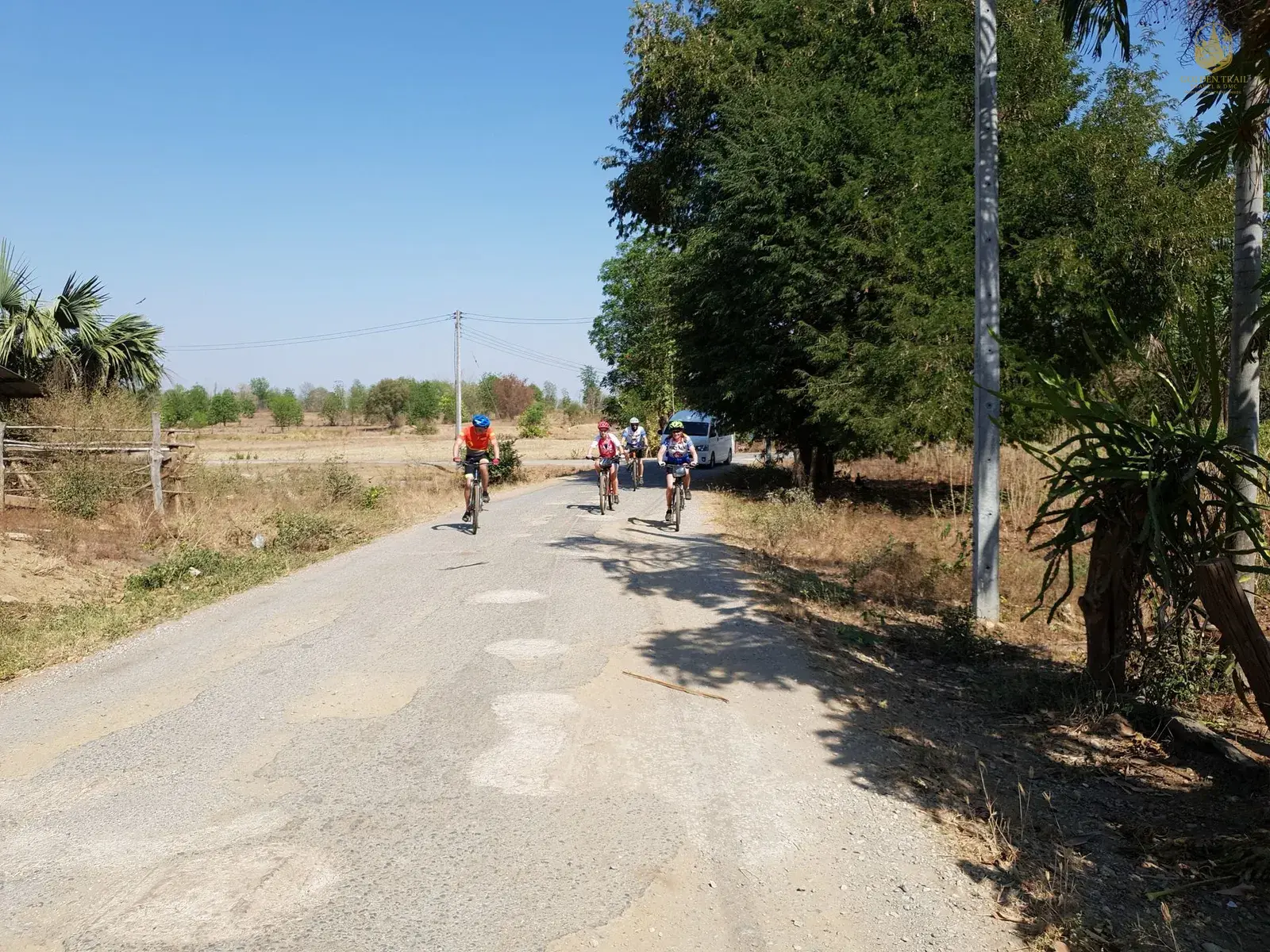
There are roads that take you to a destination, and then there are roads that take you back in time. Cycling the Ho Chi Minh Trail is the latter. It is arguably one of the most profound, challenging, and visually stunning cycling expeditions on the planet.
November 20, 2025
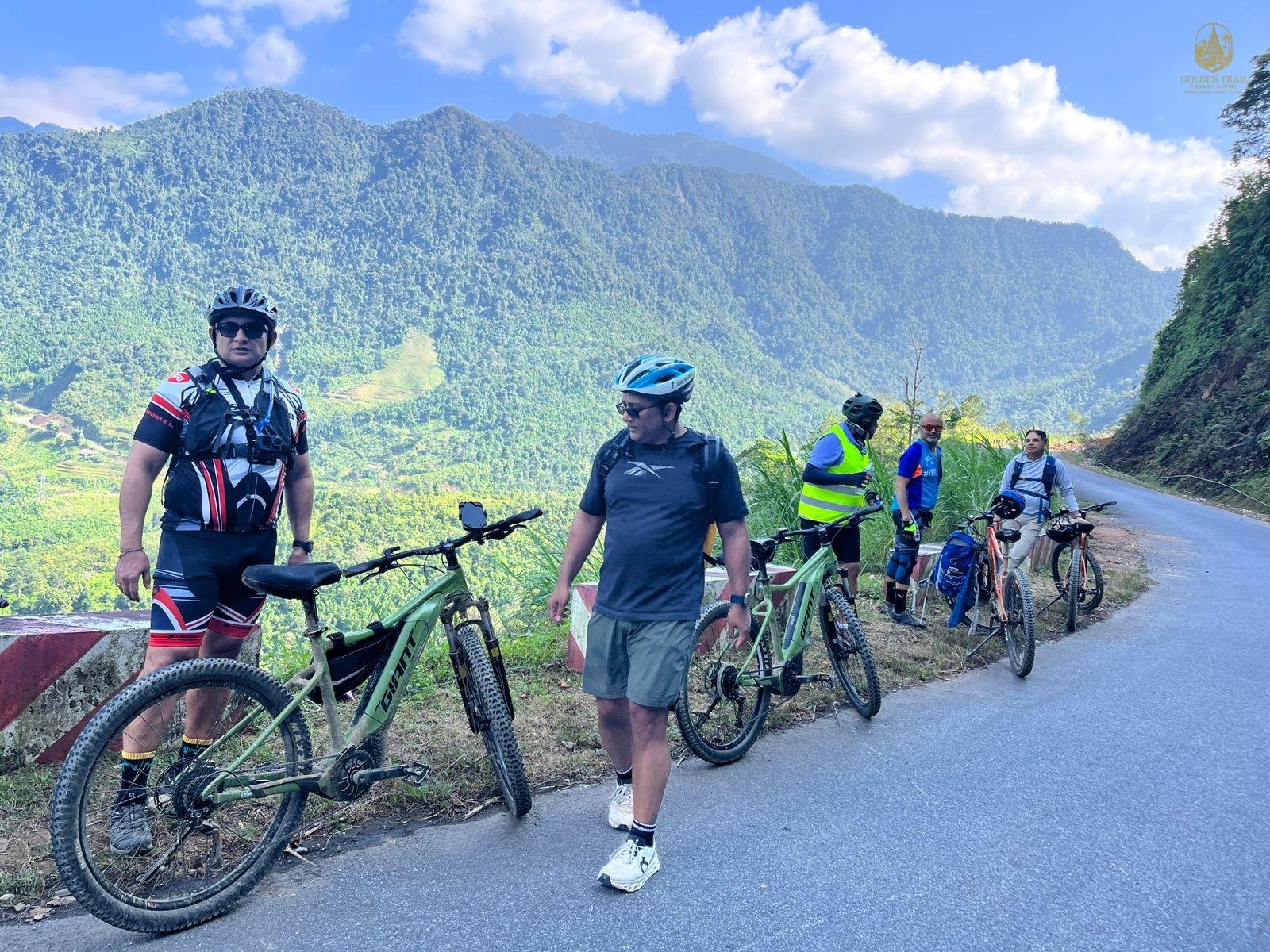
Vietnam is a country of sensory density. To the average tourist peering out from the window of a sleeper bus, it is a blur of neon lights, green rice paddies, and chaotic traffic. But to the cyclist, the map of Vietnam looks entirely different. Beneath the main highways lies a vast, intricate web of secondary roads, single tracks, dyke paths, and mountain passes. These are the bike trails Vietnam has kept secret for decades.
November 20, 2025
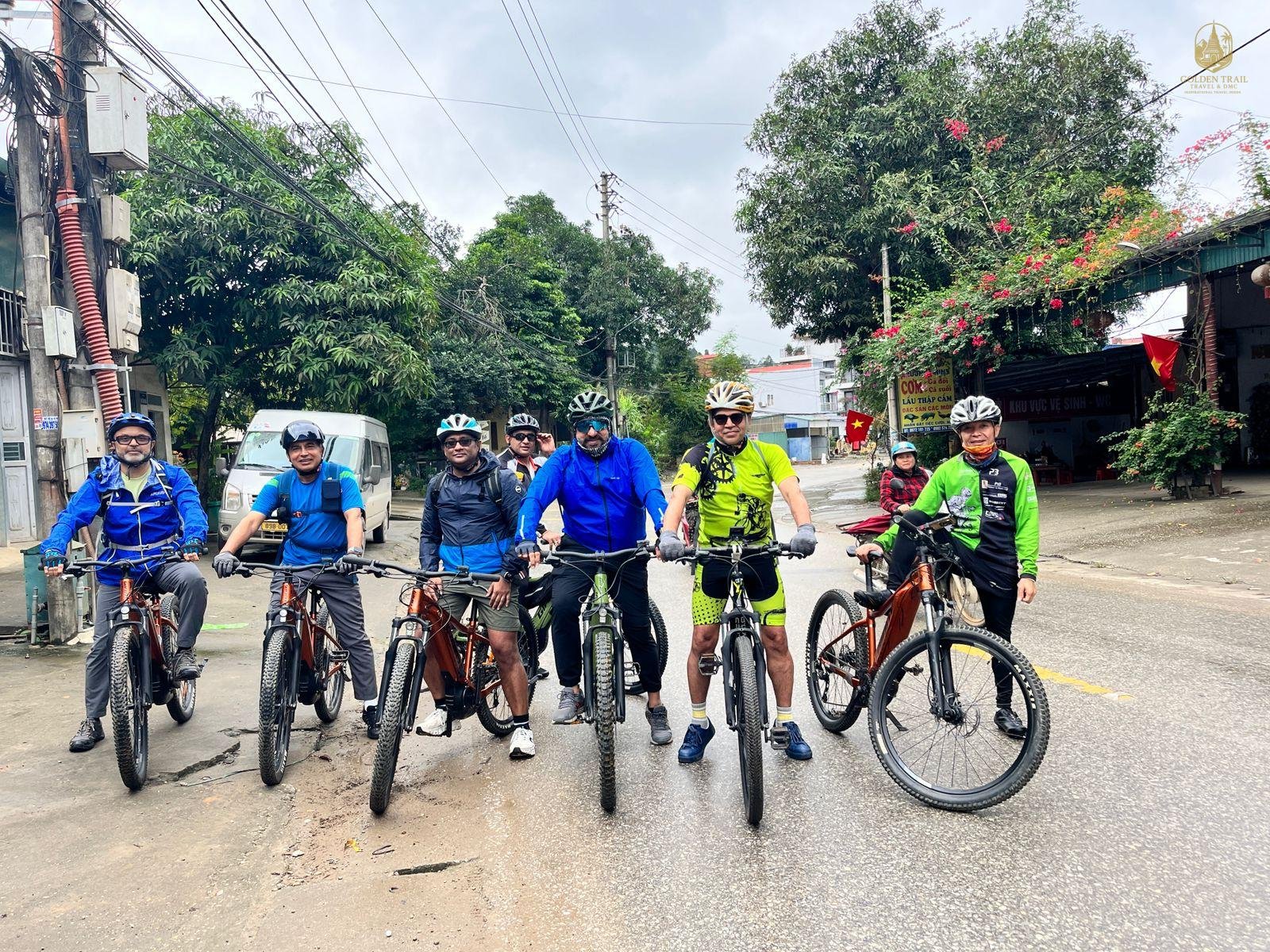
Ha Giang is one of the most extraordinary and visually stunning destinations in Southeast Asia. Located in Vietnam’s far north, near the Chinese border, the region is known for its towering limestone mountains, deep valleys, winding passes, ethnic minority villages and dramatic canyon landscapes. While many travelers explore Ha Giang by motorbike, one of the most rewarding and immersive ways to experience the region is through a Ha Giang bicycle tour.
November 20, 2025