15 Ng. 100 Đ. Nguyễn Xiển, Thanh Xuân Nam, Thanh Xuân, Hà Nội 100000
15 Ng. 100 Đ. Nguyễn Xiển, Thanh Xuân Nam, Thanh Xuân, Hà Nội 100000
Deep within the lush, emerald embrace of Sarawak, Malaysian Borneo, lies Batang Ai, a destination unlike any other. More than just a national park or a serene lake, Batang Ai is a vibrant living cultural landscape, a gateway into the enduring traditions of the Iban people, famed for their intricately carved longhouses and rich heritage. It’s a place where ancient rainforests teem with elusive wildlife, where the slow rhythm of river life dictates the pace, and where genuine encounters with indigenous communities offer a profound insight into a way of life deeply connected to nature. For the adventurous traveler seeking an authentic cultural immersion intertwined with stunning natural beauty, Batang Ai is an unparalleled choice. And for a truly seamless, respectful, and enriching journey to this remarkable corner of the world, Golden Trail Travel (https://goldentrailtravel.com/) is your expert guide, crafting bespoke tours that bring the magic of Batang Ai to life.
Batang Ai represents a unique blend of human adaptation to and coexistence with the powerful Bornean rainforest. The region is centered around the hydroelectric dam, which created a vast, serene lake (Batang Ai Lake) that now serves as the primary access point to the traditional Iban longhouses and the protected national park.
The Iban, historically known as the "Sea Dayaks," are one of the largest indigenous groups in Sarawak. Their rich cultural heritage, once associated with headhunting (a practice long abandoned), now centers on their communal longhouse living, intricate weaving (Pua Kumbu), and deep knowledge of the jungle.
Longhouse Living: The iconic feature of Iban culture, longhouses are multi-family dwellings built on stilts, often stretching hundreds of meters, housing entire communities under one roof. They are a testament to communal living, where families share a common "ruai" (verandah) for social gatherings, ceremonies, and daily activities.
Oral Traditions: The Iban have a rich oral history, filled with epic poems, myths, and legends passed down through generations.
Traditional Crafts: Renowned for their exquisite Pua Kumbu (intricately woven textiles), beadwork, and intricate wood carvings, often depicting mythical creatures and symbols from their animistic beliefs.
Sustainable Practices: For centuries, the Iban have lived sustainably with the rainforest, practicing shifting cultivation (primarily rice), hunting, and gathering, all guided by their deep understanding of the ecosystem.
While often overshadowed by the cultural experiences, Batang Ai National Park itself is a significant protected area of lowland dipterocarp rainforest, part of the larger transboundary protected forest that extends into Kalimantan (Indonesian Borneo).
Biodiversity: The park is home to a diverse array of flora and fauna, characteristic of Borneo's rainforests. While shy, elusive creatures like orangutans, gibbons, and various primate species reside here.
Orangutan Habitat: Batang Ai National Park is recognized as an important habitat for the Bornean orangutan. While sightings are rare due to their shy nature and the dense jungle, the park's protection is crucial for their survival.
Tropical Flora: Towering dipterocarp trees, exotic orchids, carnivorous pitcher plants, and a myriad of medicinal plants thrive in this ancient ecosystem.
Riverine Ecosystems: The network of rivers and streams within and around the park provides vital habitats for fish and other aquatic life, and serves as the primary mode of transport.
A journey to Batang Ai is a multi-layered experience, blending adventure with profound cultural insight.
This is arguably the quintessential Batang Ai experience, offering an unparalleled opportunity for cultural immersion.
Journey by Longboat: The adventure typically begins with a scenic longboat ride across the tranquil Batang Ai Lake, navigating past submerged trees and verdant islands, before venturing up a tributary river to reach the longhouse.
Warm Welcome: Upon arrival, visitors are greeted with genuine Iban hospitality, often with a traditional welcome ceremony (miring) involving the offering of local rice wine (tuak).
Communal Living: Experience life within the longhouse. While accommodations for visitors are usually in a designated guest section or in a private room (depending on the longhouse and tour operator), you’ll share the common ruai (verandah) with the community.
Cultural Exchange: Engage with the longhouse residents. Learn about their daily routines, listen to their stories (often translated by your guide), and observe their traditional crafts. You might witness Pua Kumbu weaving, beadwork, or the preparation of traditional meals.
Traditional Performances: Many longhouse visits include a cultural performance featuring traditional Iban music (sape), dance (ngajat), and blowpipe demonstrations.
Local Delicacies: Enjoy meals prepared by your hosts, often featuring fresh local ingredients cooked in traditional styles, including bamboo chicken (manok pansoh).
Community Contribution: Your visit directly supports the longhouse community, contributing to their livelihoods and the preservation of their traditions.
Beyond the longhouses, the rainforest itself offers incredible opportunities for exploration.
Guided Nature Walks: Accompanied by local Iban guides (often from the longhouse), embark on treks through the surrounding jungle. These guides possess an incredible knowledge of the forest, pointing out medicinal plants, animal tracks, and interesting insect life.
Search for Wildlife: While large mammals are shy, you might spot various bird species (including hornbills), primates (such as gibbons or macaques), and fascinating insects. The experience is often more about appreciating the ecosystem than guaranteed sightings.
Survival Skills: Learn about traditional jungle survival techniques, including identifying edible plants or setting simple traps (for demonstration purposes).
Refreshing Dips: Some treks may lead to hidden waterfalls or pristine jungle streams, offering a refreshing swim.
The rivers and lake are the arteries of Batang Ai, providing unique wildlife viewing opportunities.
Longboat Journeys: These are inherently river safaris, offering views of the dense jungle and the chance to spot animals along the banks.
Orangutan Spotting (Elusive): While very rare, if you are incredibly lucky and venture into the national park area, you might spot an orangutan, as Batang Ai is part of their natural habitat. However, it's not a primary orangutan viewing destination like Semenggoh or Sepilok.
Birdwatching: The area is rich in birdlife, including various hornbill species, kingfishers, and other tropical birds.
Monitor Lizards & Crocodiles: Keep an eye out for monitor lizards basking on the banks and, less frequently, estuarine crocodiles.
Engage in hands-on experiences that deepen your understanding of Iban culture.
Blowpipe Demonstration: Learn about the history and use of the traditional Iban blowpipe, once a crucial hunting tool. You might even get a chance to try it out (at a safe target!).
Pua Kumbu Weaving Demonstration: Witness the intricate art of Pua Kumbu weaving, a highly respected skill among Iban women. Learn about the natural dyes and symbolic patterns.
Rice Wine (Tuak) Tasting: Sample the local homemade rice wine, an important part of Iban social gatherings and ceremonies.
Traditional Cooking: Participate in preparing a meal using traditional Iban methods and local ingredients.
The vast, tranquil lake itself is a beautiful feature of the landscape.
Scenic Cruises: Simply cruising across the lake offers stunning views of the submerged forest, islands, and the surrounding hills.
Photography: The reflective waters and mist-shrouded mornings provide fantastic photographic opportunities.
Fishing: Some tours may offer opportunities for traditional fishing with local guides.
Batang Ai offers a distinct experience compared to other Borneo destinations.
Authentic Cultural Immersion: Unlike more commercialized cultural villages, Batang Ai provides a genuine homestay experience within active, living longhouse communities.
Off-the-Beaten-Path: While increasingly popular, it retains a remote and untouched feel, appealing to travelers who seek deeper, less-crowded experiences.
Responsible Tourism Focus: Many tours to Batang Ai operate on a community-based tourism model, ensuring direct economic benefits for the Iban people and encouraging the preservation of their culture and environment.
Blend of Culture and Nature: It perfectly combines cultural encounters with opportunities to explore pristine rainforests and riverine ecosystems.
Navigating the logistics of a trip to a remote and culturally sensitive destination like Batang Ai requires specialized expertise. This is where Golden Trail Travel (https://goldentrailtravel.com/) shines as your premier partner, ensuring a respectful, seamless, and deeply enriching journey.
Deep Local Connections & Expertise: Golden Trail Travel has established strong, respectful relationships with the Iban communities in Batang Ai. Their team possesses intimate knowledge of the region, ensuring authentic and meaningful cultural exchanges while upholding community protocols.
Carefully Crafted & Ethical Itineraries: They design itineraries that balance adventure with genuine cultural immersion, always prioritizing respect for local customs and the environment. Their tours are built on principles of responsible tourism, ensuring benefits flow directly to the communities you visit.
Seamless Logistics: From transfers from Kuching (or other entry points) to Batang Ai Jetty, longboat arrangements, accommodation within longhouses (or nearby resorts if preferred), meals, and guided activities, Golden Trail Travel handles every detail. This allows you to relax and fully immerse yourself in the experience.
Experienced & Culturally Sensitive Guides: Your journey will be led by professional, knowledgeable, and culturally sensitive local guides. They act as invaluable bridges between you and the Iban community, facilitating understanding and ensuring respectful interactions.
Support for Local Communities: By booking with Golden Trail Travel, you directly contribute to the livelihoods of the Iban people. They work hand-in-hand with longhouse communities, ensuring fair compensation and opportunities.
Exceptional Customer Service: From your initial inquiry to your post-trip follow-up, their dedicated team provides prompt, personalized, and responsive support, addressing all your questions and concerns.
Easy Online Booking: Their user-friendly website makes it simple and secure to explore packages and book your dream cultural and rainforest escape.
Batang Ai Longhouse Cultural Experience (2 Days/1 Night or 3 Days/2 Nights): The most popular package, including transfers, longboat rides, longhouse accommodation (or resort stay for those preferring more comfort), all meals, cultural activities (welcome ceremony, performances), and jungle walks.
Batang Ai Wildlife & Culture Immersion (Custom Duration): A more in-depth exploration combining the longhouse experience with extended jungle treks, birdwatching opportunities, and deeper dives into the national park's ecosystems.
Sarawak Cultural Trail (Combined with Kuching & Semenggoh): Golden Trail Travel can create a comprehensive Sarawak itinerary that starts or ends in Kuching, includes a visit to the Semenggoh Orangutan Wildlife Centre, and then delves into the authentic Iban experience in Batang Ai.
Borneo Grand Tour (Customizable): For the ultimate Borneo adventure, combine Batang Ai with other iconic destinations like Mount Kinabalu in Sabah, the Kinabatangan River for intense wildlife viewing, or the Mulu Caves.
To make your Batang Ai adventure as enriching and comfortable as possible, consider these practical tips:
Best Time to Visit: Batang Ai can be visited year-round. The drier months (March to October) generally offer easier trekking conditions, but the rainforest is beautiful in all seasons. Be prepared for tropical rain showers regardless of the month.
Pack Smart:
Lightweight, quick-drying clothing: Long sleeves and pants are good for protection against insects and sun.
Comfortable walking shoes/sandals: Suitable for jungle trekking and boat transfers.
Swimwear: For refreshing dips in rivers or waterfalls.
Insect repellent: Essential!
Sunscreen and hat: For sun protection during boat rides.
Small backpack: For day trips.
Waterproof bag/dry bag: To protect electronics and valuables during boat transfers.
Basic toiletries: Though some longhouses might have limited facilities.
Small gift for the longhouse hosts: Not mandatory, but a thoughtful gesture (e.g., school supplies, snacks, coffee/tea, or simply a thank you card).
Power bank: For charging devices, as electricity in longhouses can be basic or limited.
Currency: Bring sufficient Malaysian Ringgit (MYR) in small denominations. ATMs are not available in Batang Ai; withdraw cash in Kuching.
Limited Connectivity: Expect limited to no mobile phone reception or Wi-Fi in the longhouse areas. Embrace the digital detox and connect with nature and culture.
Health Precautions: Consult your doctor about necessary vaccinations. Consider bringing basic first-aid supplies and any personal medications.
Respect Cultural Norms:
Dress modestly: Especially when in the longhouse.
Ask for permission: Before taking photos of individuals, especially elders.
Remove shoes: Before entering a longhouse or any private dwelling.
Do not touch sacred items: Or enter designated private areas without invitation.
Be mindful when drinking tuak: It is part of their hospitality, but drink responsibly.
Open Mind and Adaptability: Life in a longhouse is communal and simple. Be prepared for basic facilities and embrace the experience with an open mind and a flexible attitude.
Hydration: Always drink bottled or filtered water. Stay well-hydrated in the tropical climate.
Your visit to Batang Ai has the potential to significantly impact the local communities and the environment. By choosing responsible tourism, you ensure that this impact is positive and sustainable.
Community-Based Tourism (CBT): Support tour operators like Golden Trail Travel who work directly with local communities, ensuring fair distribution of benefits and empowering locals to manage tourism in their areas.
Respect Local Culture and Traditions: Be a respectful guest. Learn about and adhere to local customs, dress codes, and etiquette.
Minimize Environmental Footprint:
Leave No Trace: Pack out everything you pack in. Do not litter.
Conserve Resources: Be mindful of water and electricity usage.
Stay on Trails: During jungle treks, stick to marked paths to minimize disturbance to the fragile ecosystem.
Do Not Disturb Wildlife: Observe animals from a distance. Do not feed or attempt to touch them.
Support Local Economy: Purchase handicrafts directly from the longhouse artisans, which directly supports their livelihoods and preserves traditional skills.
Engage Respectfully: Ask questions, listen to stories, and participate in activities with an open and humble spirit. Your genuine interest is highly valued.
Batang Ai is more than just a destination; it’s a profound journey into the heart of Borneo’s rainforest and the soul of the Iban people. It's where the echoes of ancient traditions resonate through communal longhouses, where the vibrant tapestry of the jungle unfolds before your eyes, and where genuine human connection transcends language barriers. From the exhilarating longboat rides to the tranquil evenings under a starlit sky, sharing stories with your Iban hosts, Batang Ai offers an experience that is deeply authentic, humbling, and utterly unforgettable.
Let Golden Trail Travel be your trusted companion on this extraordinary expedition. With their unparalleled local expertise, unwavering commitment to responsible tourism, and seamless execution, they will ensure your Batang Ai adventure is not just a trip, but a truly transformative encounter with the enduring spirit of Borneo.
Your authentic cultural and natural discovery awaits. Visit https://goldentrailtravel.com/ today and embark on your dream journey to Batang Ai!
Q1: Where is Batang Ai located? A1: Batang Ai is located in the interior of Sarawak, Malaysian Borneo, approximately a 4-5 hour drive from the state capital, Kuching. It is centered around the Batang Ai Hydroelectric Dam and its vast reservoir.
Q2: What is the main attraction of Batang Ai? A2: The main attraction is the authentic cultural immersion with the Iban people through longhouse visits and homestays, combined with the exploration of the surrounding rainforest and Batang Ai National Park.
Q3: How do I get to Batang Ai? A3: Most trips to Batang Ai start with a drive from Kuching to Batang Ai Jetty. From there, you take a longboat across Batang Ai Lake and up tributary rivers to reach the longhouses. Golden Trail Travel can arrange all these transfers for you seamlessly.
Q4: What is a longhouse experience like? A4: A longhouse experience typically involves staying in a designated section of a communal Iban longhouse, sharing meals with the community, participating in traditional activities (like welcome ceremonies, cultural performances), and engaging with the locals. Facilities are often basic but authentic.
Q5: Is it possible to see orangutans in Batang Ai National Park? A5: While Batang Ai National Park is an important habitat for Bornean orangutans, sightings are very rare due to their elusive nature and the dense rainforest. It is not a guaranteed orangutan viewing spot like rehabilitation centers (e.g., Semenggoh).
Q6: What should I pack for a trip to Batang Ai? A6: Pack lightweight, quick-drying clothing (long sleeves and pants for jungle treks), comfortable walking shoes/sandals, swimwear, essential toiletries, a small gift for hosts, a power bank, a waterproof bag, insect repellent, sunscreen, and a hat.
Q7: Is there mobile phone reception or Wi-Fi in Batang Ai? A7: Generally, mobile phone reception and Wi-Fi are very limited or non-existent in the longhouse areas. It's an opportunity for a digital detox and to fully immerse yourself in the experience.
Q8: What kind of food can I expect during a longhouse stay? A8: You'll typically enjoy traditional Iban meals prepared by your hosts, often using fresh, local ingredients. Popular dishes include chicken cooked in bamboo (manok pansoh) and various jungle vegetables.
Q9: How can Golden Trail Travel ensure a respectful and authentic visit? A9: Golden Trail Travel (https://goldentrailtravel.com/) works directly with local Iban communities, adheres to ethical tourism guidelines, and employs culturally sensitive guides. They ensure that your visit supports and respects the local culture and environment, making it truly authentic and responsible.
Q10: Are there any specific cultural etiquettes I should be aware of? A10: Yes, it's important to dress modestly, remove your shoes before entering a longhouse, ask for permission before taking photos of individuals, and be respectful during cultural ceremonies (e.g., drinking tuak responsibly).
"Our trip to Batang Ai with Golden Trail Travel was the highlight of our Borneo adventure! The longhouse stay was incredibly authentic, and the Iban people were so welcoming. Our guide was exceptional, bridging cultures and sharing so much knowledge. It felt like a true immersion, not just a tour. Highly, highly recommend them!" — Sarah & Tom Jenkins, UK
"We've done many cultural tours, but Batang Ai truly stood out. Golden Trail Travel handled every detail seamlessly, from the long drive to the longboat journey and our comfortable stay. We learned so much about the Iban's traditions and their sustainable way of life. A truly transformative experience!" — The Lim Family, Singapore
"As a solo traveler, I was looking for an ethical and authentic cultural experience, and Golden Trail Travel delivered perfectly. The jungle trek with our Iban guide was fascinating, and the evening cultural performance at the longhouse was unforgettable. Their commitment to responsible tourism is clear. Fantastic trip!" — Emily R., Australia
"Golden Trail Travel organized a multi-day Sarawak tour for us, and the Batang Ai component was a revelation. It offered a profound connection with nature and culture that's rare to find. The serenity of the lake and the warmth of the Iban community made it a truly special experience. Excellent service from beginning to end." — David and Maria Sanchez, Spain


In this comprehensive guide, you will discover everything about renting a bike in Tam Coc—from where to rent, how much it costs, the best cycling routes, safety tips, essential advice, and how you can combine your bike rental with professional tours from Golden Trail Travel, one of the most reputable travel operators in Ninh Binh.
November 28, 2025

If you're dreaming of a journey filled with limestone mountains, golden rice fields, ancient temples, and quiet rural charm, a Ninh Binh cycling tour is your ultimate travel experience. Unlike other destinations in Vietnam, Ninh Binh reveals its beauty slowly — the deeper you ride into the countryside, the more magical it becomes.
November 28, 2025

Tuyet Tinh Coc, known as the “Am Tuyet Lake” or “Valley of Love” in Ninh Binh, is one of Vietnam’s most picturesque natural wonders. Featuring turquoise lakes surrounded by towering limestone cliffs, this hidden valley remains peaceful, mysterious, and exceptionally photogenic. It is a place where nature feels untouched, and the serenity makes you slow down and breathe deeply.
November 27, 2025

Cuc Phuong National Park, the oldest national park in Vietnam, stands as one of Southeast Asia’s most remarkable biodiversity treasures. With its ancient rainforest, vibrant ecosystems, limestone mountains, wildlife rescue centers, and hidden prehistoric caves, Cuc Phuong offers one of the most immersive outdoor experiences for travelers.
November 27, 2025

While boat trips are the most popular activity here, one of the most rewarding, immersive, and family-friendly ways to explore this natural paradise is cycling. Cycling through Van Long Nature Reserve allows travelers to discover stunning landscapes, interact with locals, enjoy the fresh countryside air, and feel deeply connected to nature.
November 27, 2025

Venture into the heart of northern Vietnam with the 5 Days Ha Giang Moderate Trekking Tour, an unforgettable adventure that strikes the perfect balance between nature, culture, and exploration.
November 26, 2025

Vietnam is opening its arms to the world. From the misty peaks of Ha Giang to the emerald waters of Phu Quoc, the S-shaped land has never been more accessible. As we step into 2025, Vietnam’s immigration policies have evolved significantly, making it easier than ever for millions of international travelers to visit without the hassle of paperwork or fees.
November 21, 2025

Vietnam calls to the soul of the wanderer. Whether it is the limestone pillars of Ha Long Bay rising from emerald waters, the chaotic yet charming energy of Hanoi’s Old Quarter, or the serene lanterns glowing in Hoi An, this S-shaped country is a bucket-list destination. But before you can sip egg coffee by Hoan Kiem Lake or trek through the terraced rice fields of Sapa with Golden Trail Travel, there is one administrative hurdle you must clear: The Vietnam Electronic Visa (E-visa).
November 21, 2025
.webp "Experience Buon Ma Thuot in Style – 2 Days Discovering Vietnam’s Coffee Capital & Highland Culture")
This 2-day journey invites you to explore the raw beauty, rich culture, and warm-hearted spirit of the Central Highlands — a region where every corner tells a story and every experience awakens your senses.
November 21, 2025

Planning a trip to the breathtaking landscapes of Vietnam? From the limestone karsts of Ha Long Bay to the bustling streets of Ho Chi Minh City, Vietnam is a destination that promises unforgettable experiences. However, before you pack your bags, there is one crucial step: obtaining your Vietnam E-visa
November 21, 2025

Vietnam is a country of timeless charm, but there is one time of year when the nation transforms completely. It is a season when the chaotic traffic of the cities subsides into a peaceful hush, when the streets are painted in vibrant shades of red and yellow, and when the smell of burning incense and savory sticky rice cakes fills the air.
November 21, 2025

Phu Quoc Island has rapidly transformed from a sleepy fishing outpost into one of Southeast Asia’s premier island destinations. The southern Long Beach is bustling with backpackers and beach bars, while the developed areas of Bai Truong dazzle with massive international resorts. But nestled on the central-west coast, shielded by swaying coconut palms and volcanic rock formations, lies a stretch of coastline that remembers the "old" Phu Quoc.
November 21, 2025

When travelers think of Southeast Asian cuisine, their minds often drift immediately to the Pad Thai of Bangkok or the Pho of Hanoi. However, sandwiched between these two culinary giants lies a hidden gem that has been quietly bubbling away for centuries: Cambodia.
November 21, 2025

Hanoi is a city of captivating contrasts. In the Old Quarter, the energy is electric—a symphony of honking motorbikes, sizzling street food, and vibrant commerce. It is a city that never sleeps, pulsating with history and modernization. However, for the discerning traveler, the true soul of Northern Vietnam often lies just beyond the city limits.
November 21, 2025
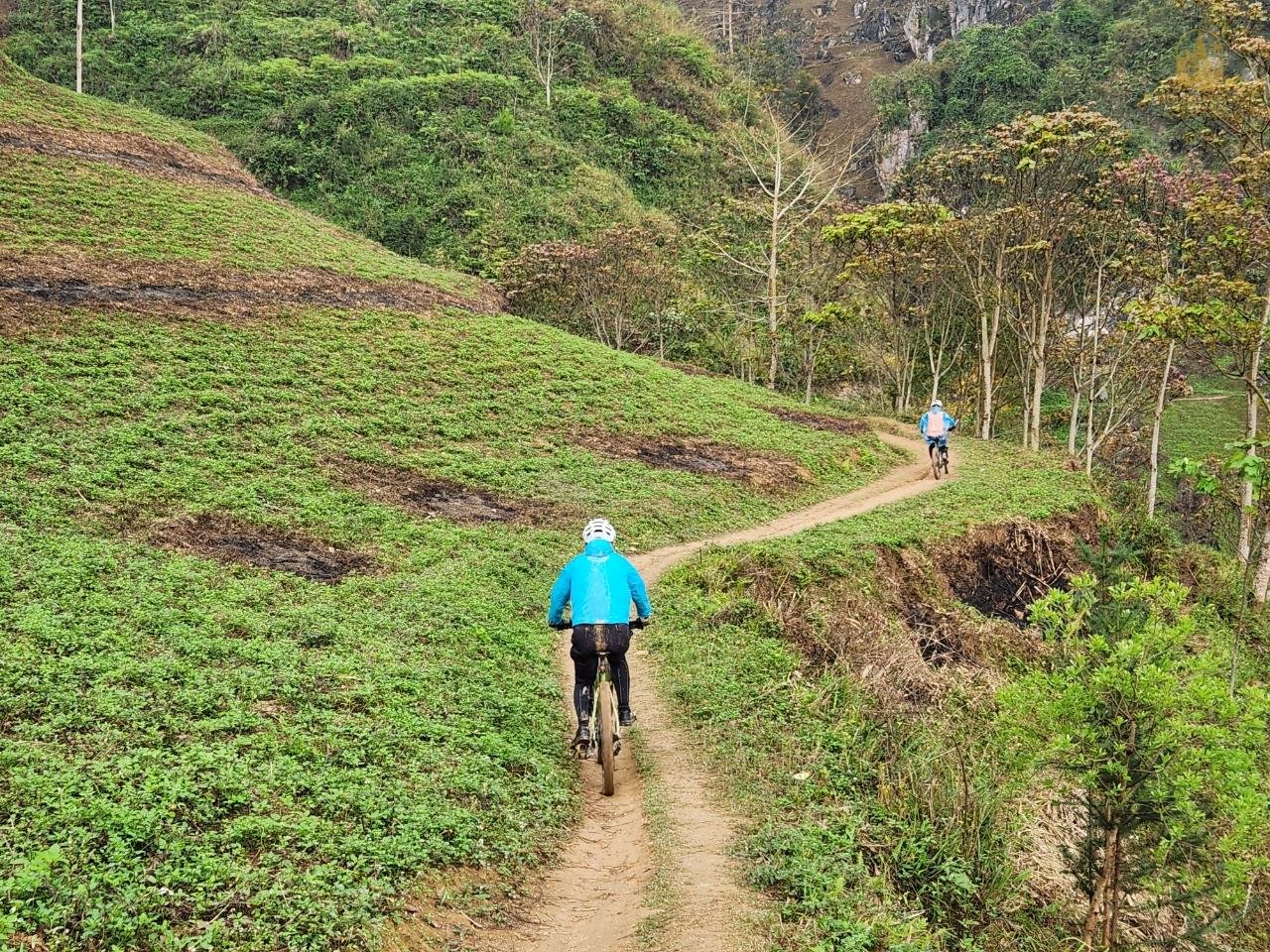
There are cycling trips, and then there are odysseys. Biking from Hanoi to Ho Chi Minh is not merely a vacation; it is a rite of passage. It is the act of traversing an entire nation, tracing the S-shape of the Dragon along the edge of the East Sea.
November 20, 2025
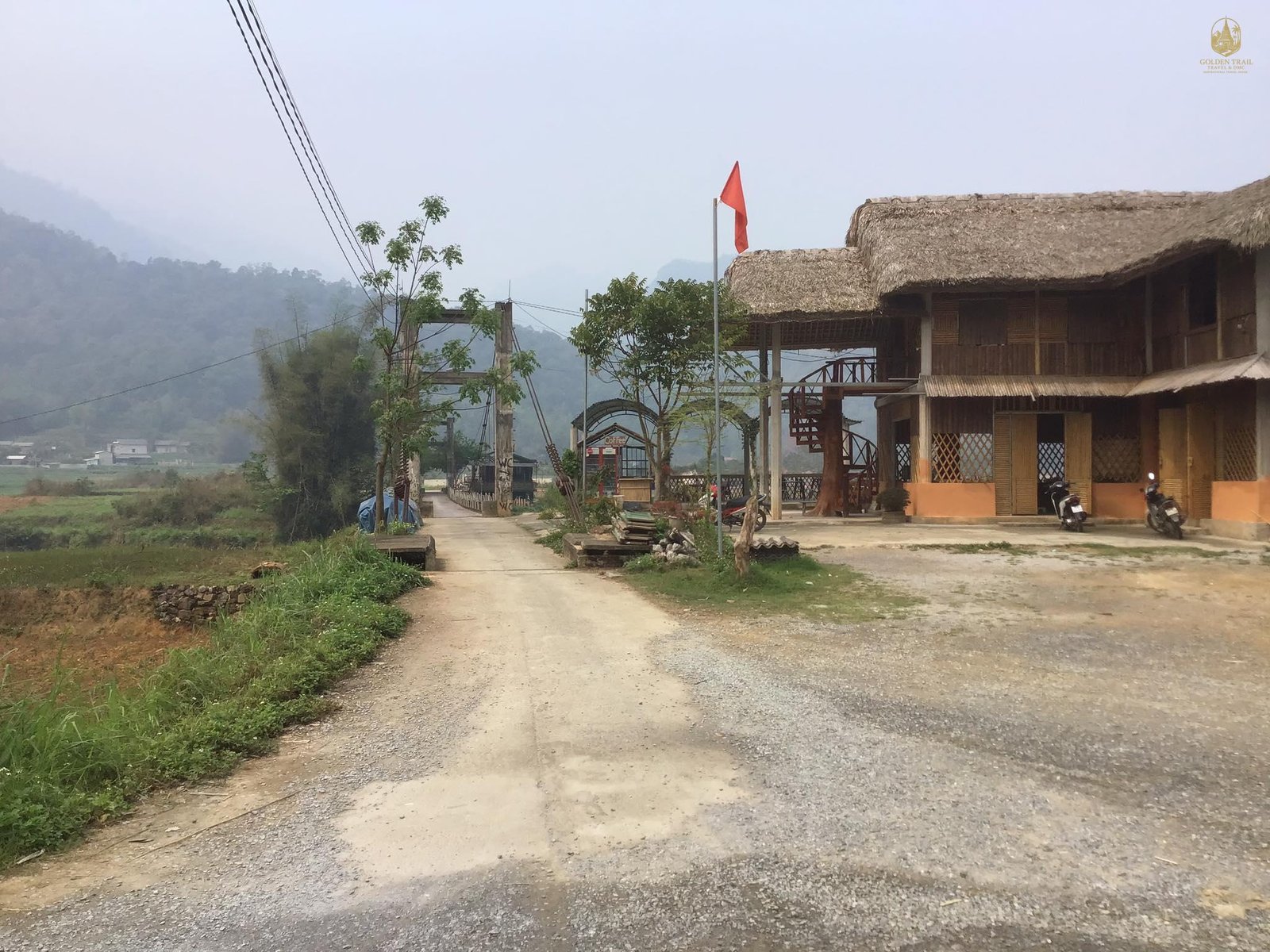
There are roads that exist simply to connect Point A to Point B. And then, there are roads that are destinations in themselves—roads that carry the weight of history, the majesty of nature, and the soul of a nation. Riding the Ho Chi Minh Trail is the latter. It is not just a journey; it is a pilgrimage through the very heart of Vietnam.
November 20, 2025
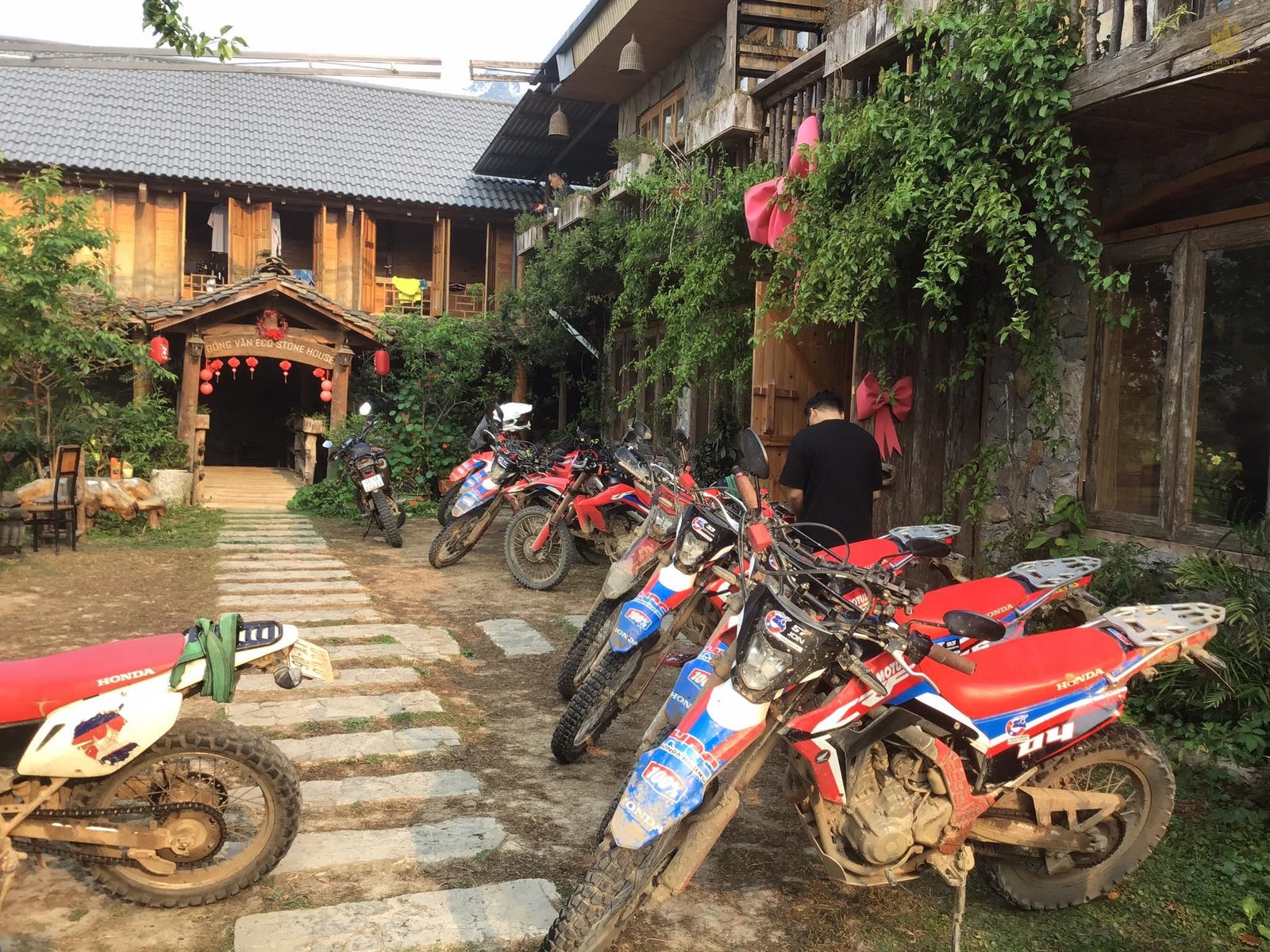
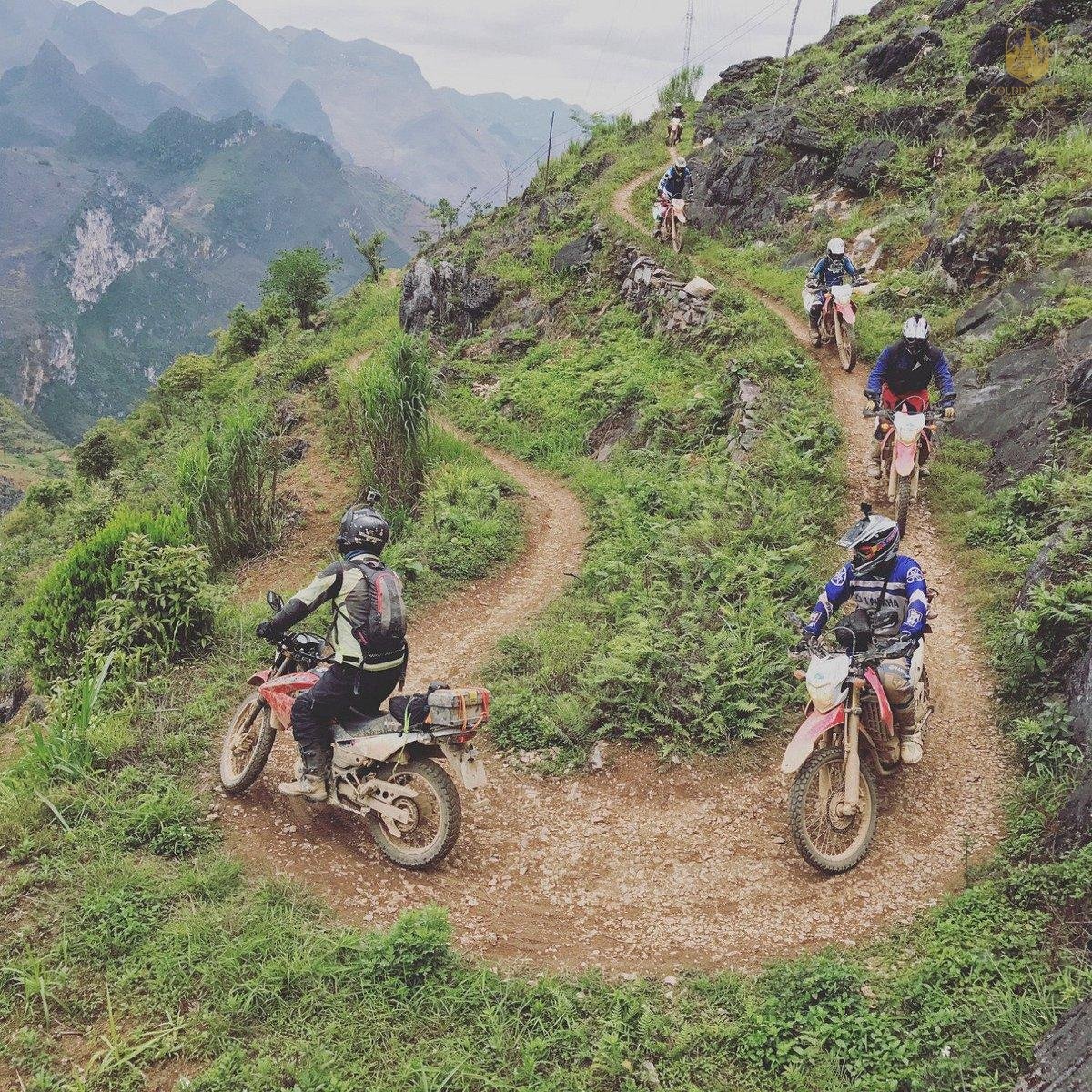
There are road trips, and then there are pilgrimages. Route 66 in the USA offers nostalgia; the Great Ocean Road in Australia offers scenery. But a Ho Chi Minh Trail motorbike tour offers something far more profound: a journey through the very soul of a nation.
November 20, 2025
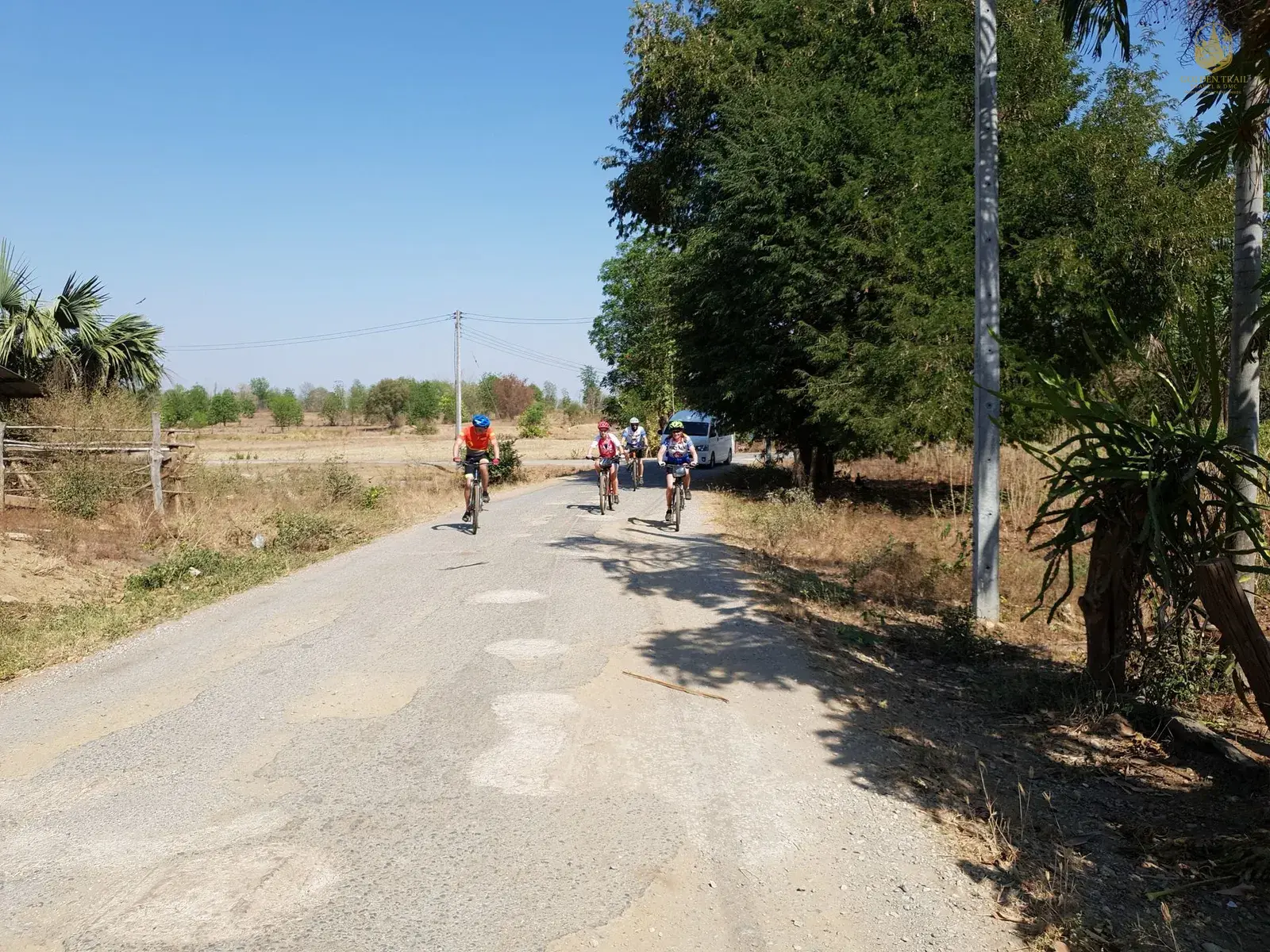
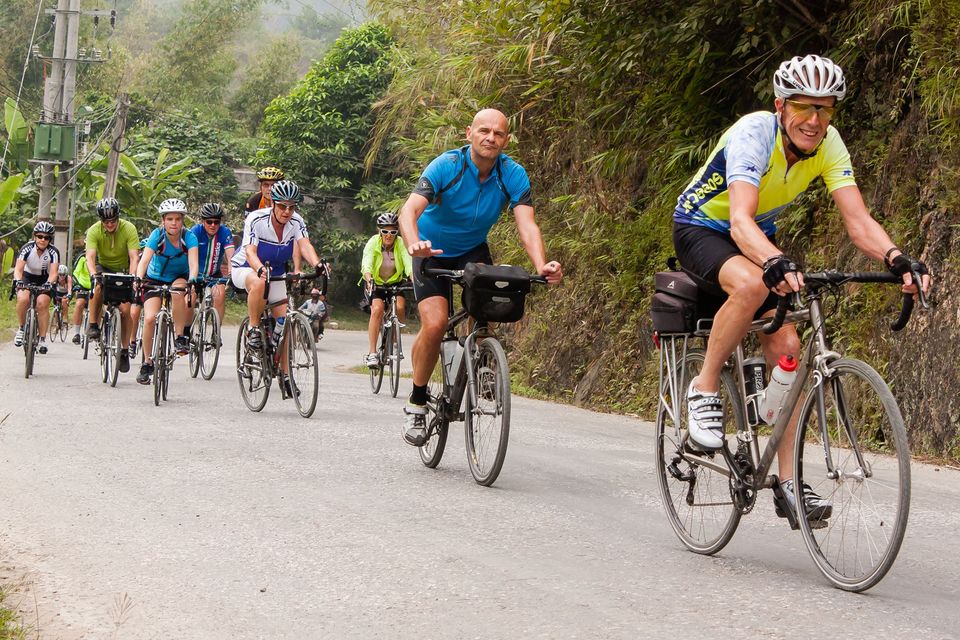
There are roads that take you to a destination, and then there are roads that take you back in time. Cycling the Ho Chi Minh Trail is the latter. It is arguably one of the most profound, challenging, and visually stunning cycling expeditions on the planet.
November 20, 2025
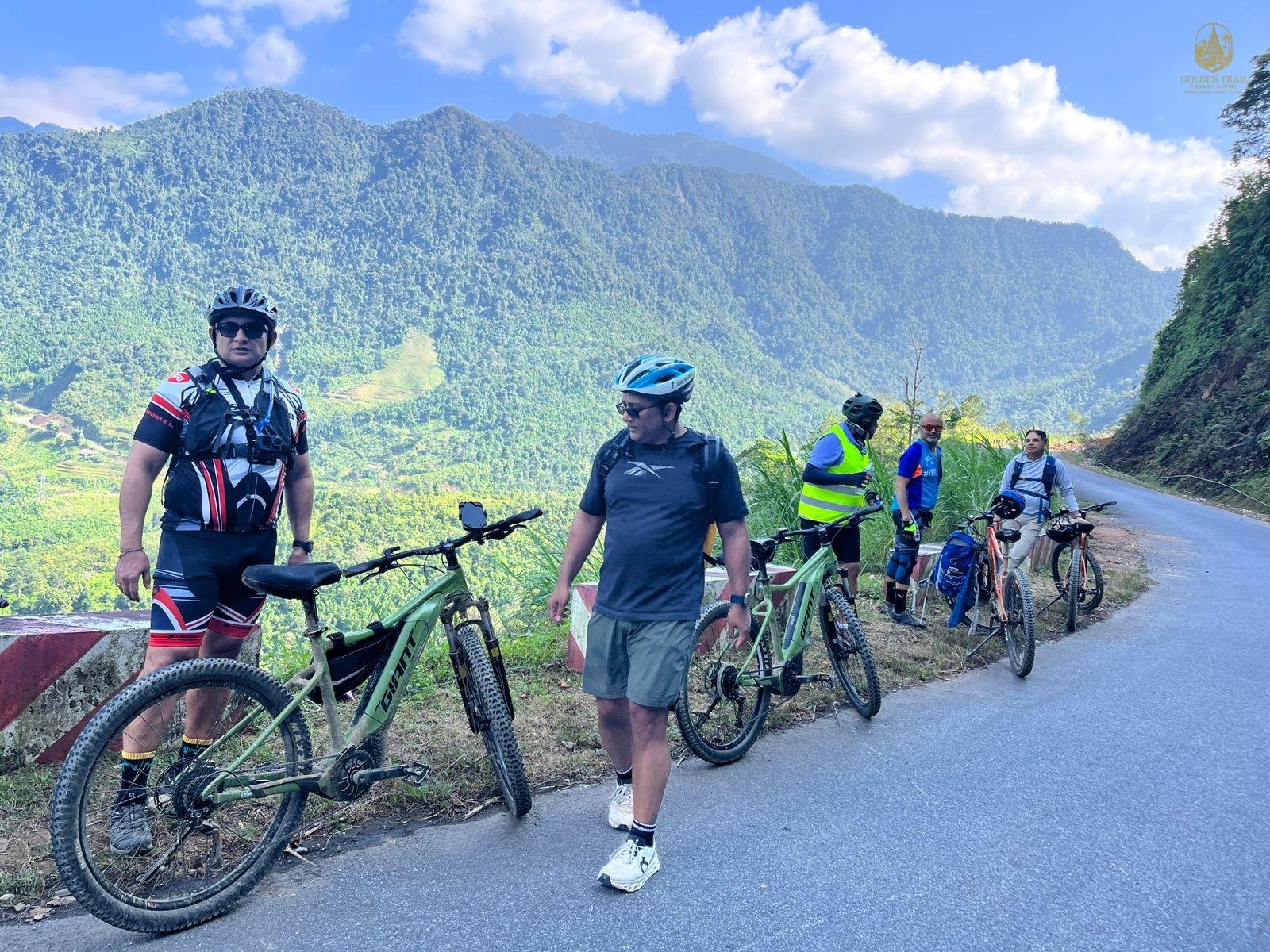
Vietnam is a country of sensory density. To the average tourist peering out from the window of a sleeper bus, it is a blur of neon lights, green rice paddies, and chaotic traffic. But to the cyclist, the map of Vietnam looks entirely different. Beneath the main highways lies a vast, intricate web of secondary roads, single tracks, dyke paths, and mountain passes. These are the bike trails Vietnam has kept secret for decades.
November 20, 2025
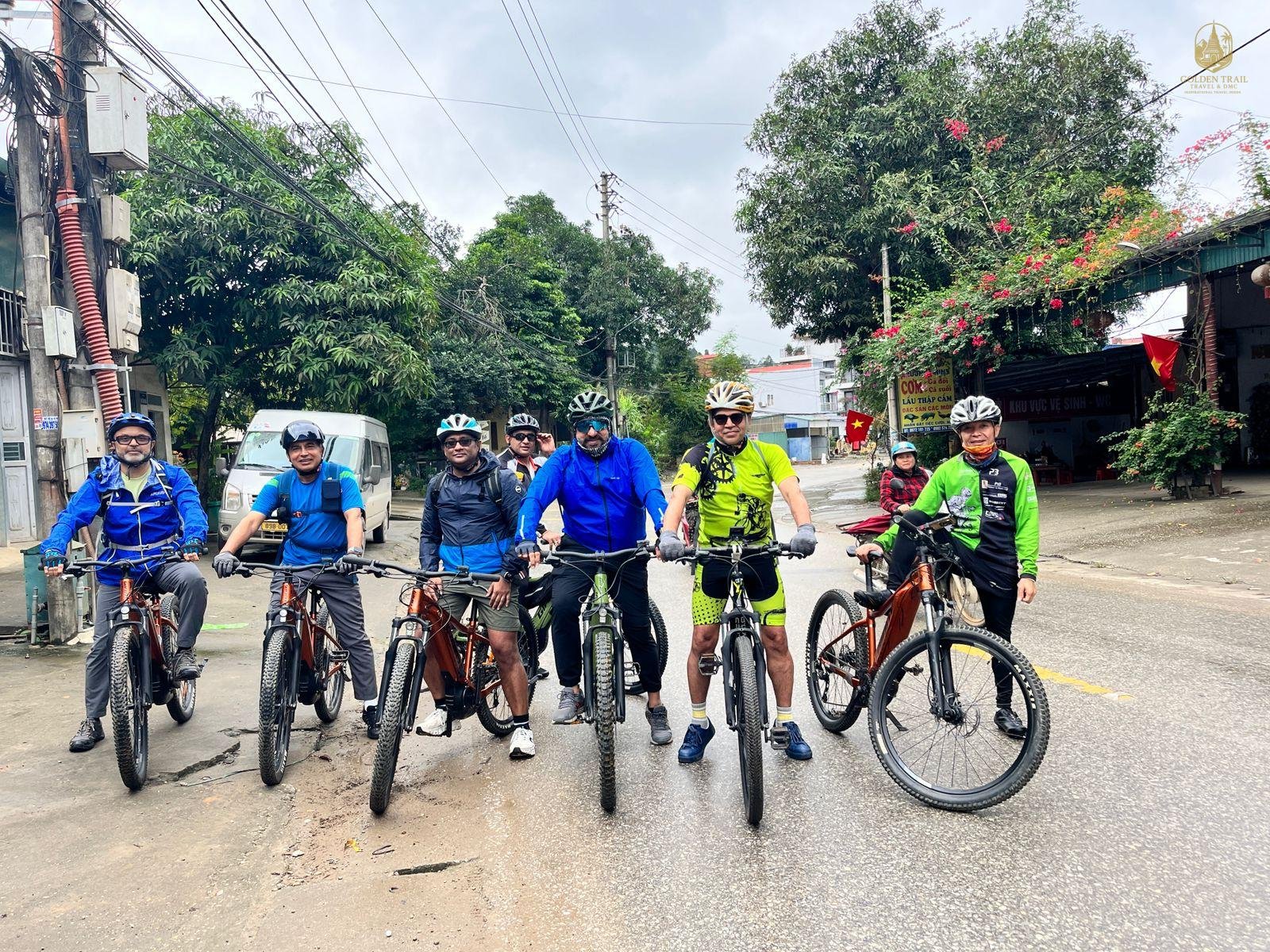
Ha Giang is one of the most extraordinary and visually stunning destinations in Southeast Asia. Located in Vietnam’s far north, near the Chinese border, the region is known for its towering limestone mountains, deep valleys, winding passes, ethnic minority villages and dramatic canyon landscapes. While many travelers explore Ha Giang by motorbike, one of the most rewarding and immersive ways to experience the region is through a Ha Giang bicycle tour.
November 20, 2025