15 Ng. 100 Đ. Nguyễn Xiển, Thanh Xuân Nam, Thanh Xuân, Hà Nội 100000






15 Ng. 100 Đ. Nguyễn Xiển, Thanh Xuân Nam, Thanh Xuân, Hà Nội 100000

Hoi An Ancient Town is not just a destination; it is a feeling. It is the scent of incense wafting through narrow alleys, the rhythmic sound of a tailor’s sewing machine, and the warm glow of thousands of silk lanterns reflecting off the Thu Bon River. When you embark on a Hoi An Ancient Town walking tour, you aren't just seeing sights—you are stepping into a living museum where history breathes and every corner whispers a story.
To truly capture the soul of this UNESCO World Heritage site, one must slow down. As a premier Golden Trail Travel & DMC partner, we believe that travel is about the emotional resonance of a place. Whether you are seeking a Classic Highlights experience or a deep dive into local heritage, walking is the only way to feel the heartbeat of Hoi An.
There is a specific moment in Hoi An, just before the sun dips below the horizon, when the yellow walls of the ancient houses turn a deep, burnt orange. This is the "Golden Hour." Walking through the streets at this time evokes a sense of profound peace. You’ll see locals setting up small ceramic burners, the smoke curling into the air, creating an atmosphere of spiritual nostalgia.
As you wander, the absence of motorized vehicles allows the sounds of the town to take center stage. The clinking of tea cups, the distant murmur of folk singing, and the gentle footsteps of fellow travelers create a symphony of tranquility. It’s a rare opportunity to disconnect from the digital world and reconnect with the simple beauty of human craftsmanship and tradition.
.webp)
Every walking tour must pay homage to the architectural marvels that have stood the test of time. The Japanese Covered Bridge, with its weathered wooden beams and guardian statues, serves as a poignant reminder of the town’s multicultural past. Walking across it, you can almost feel the presence of the 17th-century merchants who once traded silk and spices here.
Following the riverbank, you’ll encounter the ancient assembly halls, such as Phuc Kien and Quang Dong. These structures are masterpieces of intricate woodcarving and vibrant murals. They aren't just buildings; they are symbols of community and resilience. The sheer detail in the dragon sculptures and the heavy scent of spiral incense coils hanging from the ceiling evoke a sense of awe and reverence for the ancestors who built this legacy.
Beyond the main thoroughfares of Tran Phu and Nguyen Thai Hoc lies the "secret" Hoi An. Exploring the narrow zig-zagging alleys is like navigating a labyrinth of memories. These paths often lead to quiet communal wells or tiny family-run workshops where the art of lantern-making is passed down through generations.
In these quiet pockets, you’ll find the true warmth of the local people. A smile from an elderly woman selling "Mot" tea or the sight of children playing traditional games in a courtyard provides a sense of belonging. It’s in these unscripted moments that Hoi An reveals its most intimate self. If your journey continues North, you might find a similar sense of historical grandeur in Hue, or perhaps the misty, romantic charm of Da Lat for a change of pace.
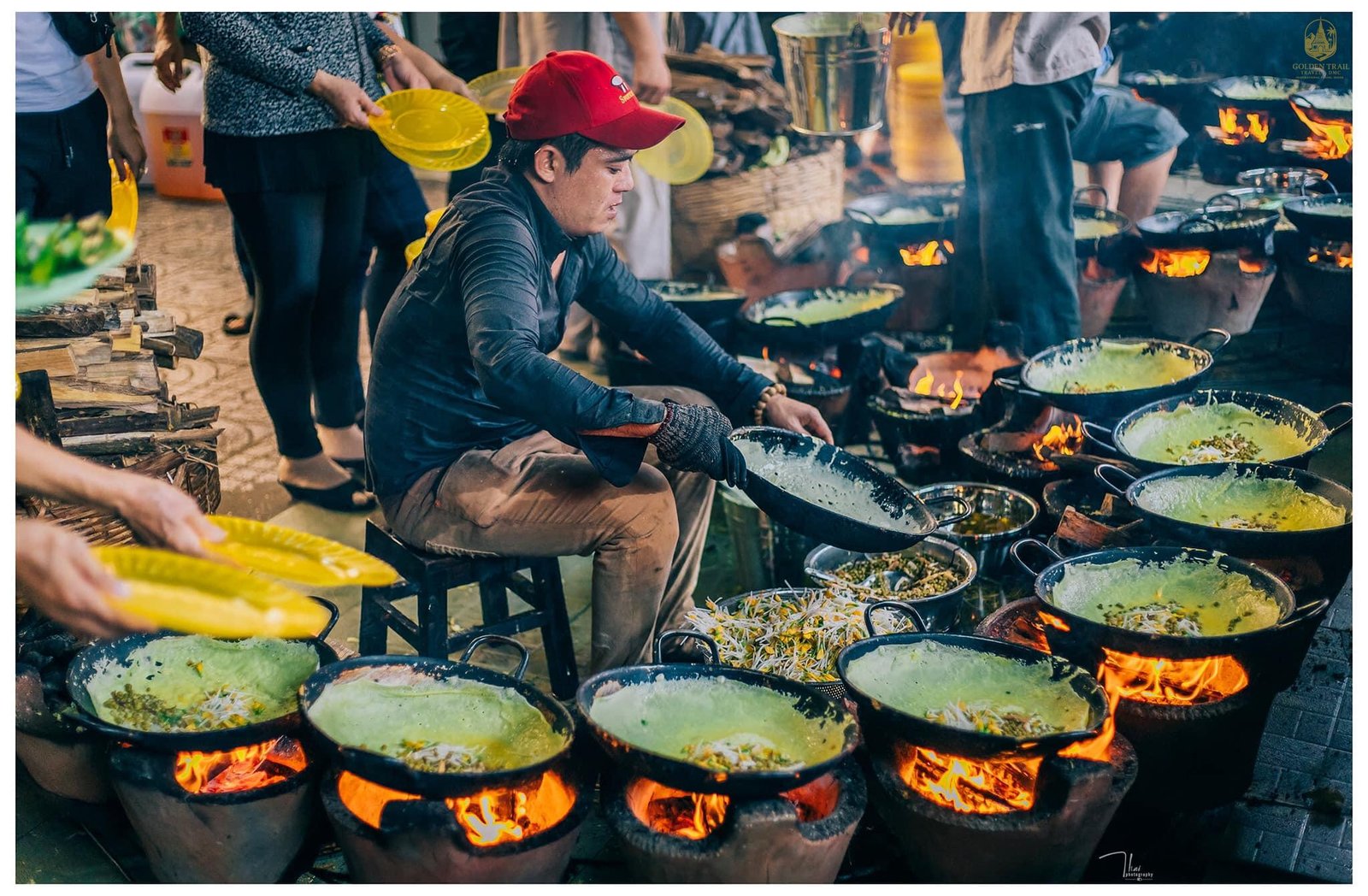
No walking tour is complete without indulging in the culinary treasures that define Hoi An. The town's food is a reflection of its history—a blend of Vietnamese, Chinese, and Japanese influences.
Imagine sitting on a tiny plastic stool by the river, holding a warm bowl of Cao Lau. The thick, chewy noodles, flavored with the secret water of the Ba Le well, tell a story of geographical uniqueness. The crunch of fresh herbs and the savory richness of the pork create a sensory explosion. This isn't just a meal; it’s a connection to the land and the hands that prepared it. For those who crave the freshest seafood after their heritage tour, a trip to Nha Trang or the pristine shores of Phu Quoc offers a perfect coastal contrast.
If your walking tour coincides with the lunar full moon, you will witness the town’s transformation into a flickering wonderland. As the electric lights go out, the silk lanterns take over. The sight of hundreds of small paper lanterns floating on the Thu Bon River, each carrying a wish, is one of the most moving experiences in Vietnam.
Participating in this ritual—lowering your own lantern into the dark water—evokes a feeling of hope and universality. It’s a moment of reflection, where you realize that despite our different backgrounds, we all share the same dreams of peace and happiness. For travelers looking to explore more of Vietnam's diverse landscapes, from the rugged north in Hai Phong to the central highlands, Golden Trail Travel & DMC ensures every step is filled with such meaningful connections.
While you can certainly wander on your own, a guided tour with a local expert adds layers of meaning to everything you see. A guide doesn't just point out a building; they tell you about the family that lived there for seven generations. They explain why the roofs are shaped like scales and what the "eyes" on the doorways represent.
At Golden Trail Travel & DMC, our guides are storytellers. They bridge the gap between the past and the present, ensuring that you leave Hoi An not just with photos, but with a deep understanding of its cultural heartbeat. We specialize in creating high-touch, emotional journeys that cater to the discerning traveler.
1. What is the best time of day for a Hoi An walking tour? The early morning (around 7:00 AM) is perfect for seeing the local markets come to life without the crowds. Alternatively, the late afternoon (4:00 PM onwards) offers the beautiful "Golden Hour" light and the evening lantern glow.
2. How long does a typical walking tour last? Most comprehensive tours take between 3 to 4 hours. This allows enough time to visit 4-5 key heritage sites, enjoy a coffee break, and wander through the atmospheric backstreets.
3. Is the walking tour suitable for children? Absolutely! The pedestrian-only streets make it very safe for families. Children often love the colorful lanterns, the boat rides, and the interactive craft workshops.
4. What should I wear? Wear comfortable walking shoes and breathable clothing. Since you will be entering assembly halls and temples, please ensure your shoulders and knees are covered as a sign of respect.
5. Do I need to buy a ticket to enter the Ancient Town? Yes, there is a mandatory entrance fee for the Hoi An Ancient Town. The ticket includes entry to several heritage houses, museums, and the Japanese Bridge, and the funds go directly toward the preservation of the town.
Sarah M. from Australia: "I’ve traveled all over Asia, but the walking tour in Hoi An with Golden Trail Travel was the highlight of my year. The guide was so passionate about the history, and I actually felt like I was part of the community for a few hours. The evening lanterns were magical!"
James & Elena from the UK: "We loved the focus on the 'hidden' spots. We found a tiny tea house in an alley that we never would have discovered on our own. It was peaceful, emotional, and incredibly beautiful."
Takeshi Y. from Japan: "Seeing the Japanese Bridge and learning about my ancestors' connection to this town was very moving. The tour was well-paced and very professional."





.webp "Wandering Through Time: The Ultimate Hoi An Ancient Town Walking Tour Experience")
.webp "Dalat Classic City Tour: A Journey Into the Soul of the Highlands")
.webp "Discovering the Soul of Vietnam: An Immersive Guide to the \"Halong Bay on Land\"")
.webp "The Ultimate Guide to Tam Coc Boat Tour: A Journey Through Earthly Paradise")
.webp "The Soul of Hanoi: An Immersive Walking Tour Through the Historic Old Quarter")