15 Ng. 100 Đ. Nguyễn Xiển, Thanh Xuân Nam, Thanh Xuân, Hà Nội 100000

15 Ng. 100 Đ. Nguyễn Xiển, Thanh Xuân Nam, Thanh Xuân, Hà Nội 100000
Imagine a canvas painted with undulating emerald rice terraces, piercing the clouds, where golden rice waves shimmer under the sun, and the air is filled with the gentle rhythm of rural life. Welcome to Yen Bai Province, a captivating gem nestled in the heart of Vietnam's majestic Northwest. Far more than just a transit point, Yen Bai is a destination that truly embodies the untouched beauty, rich cultural tapestry, and serene landscapes of this lesser-explored region.
From the iconic, breathtaking stairways of Mu Cang Chai's terraced rice fields – a national heritage site – to the tranquil waters of Thac Ba Lake, and from the vibrant markets echoing with the sounds of ethnic minorities to the challenging peaks of its mountains, Yen Bai offers an authentic and profound Vietnamese experience. It's a place where time slows down, allowing you to connect deeply with nature, witness centuries-old agricultural practices, and immerse yourself in the warm hospitality of its diverse communities. This comprehensive guide will take you on a journey through Yen Bai's most alluring attractions, unique cultural insights, practical travel tips, and how you can embark on your own unforgettable adventure. Prepare to be enchanted by the emerald heart of Vietnam's Northwest.
Yen Bai Province's geography is as diverse as it is stunning, ranging from dramatic mountain ranges to expansive valleys and serene lakes, each contributing to its unique charm and ecological significance.
The undisputed crown jewel of Yen Bai, and indeed a highlight of Vietnam, are the magnificent terraced rice fields of Mu Cang Chai. These awe-inspiring, hand-carved landscapes are not just agricultural feats but living works of art, sculpted over centuries by the ethnic Hmong people.
A Living Masterpiece: Spanning vast areas, these terraces cascade down steep mountain slopes, transforming with the seasons. They are particularly breathtaking during:
The "Pouring Water" Season (May-June): When the fields are flooded before planting, reflecting the sky like giant mirrors. This is a magical time for photography.
The Green Season (July-September): When the rice seedlings grow into a vibrant, undulating green carpet.
The Golden Season (September-October): The most famous and popular time, when the rice ripens into a dazzling golden hue, ready for harvest. The entire landscape shimmers with golden waves.
National Heritage Site: Recognized as a National Landscape Relic by the Vietnamese Ministry of Culture, Sports and Tourism, the terraced fields of Mu Cang Chai are also on Vietnam's tentative list for UNESCO World Heritage status, a testament to their exceptional universal value.
Key Viewpoints: Iconic spots like Khau Pha Pass (one of Vietnam's "four great mountain passes"), Lim Mong Valley, Che Cu Nha, La Pan Tan, and De Xu Phinh offer panoramic vistas that defy description, each providing a unique perspective on the terraces.
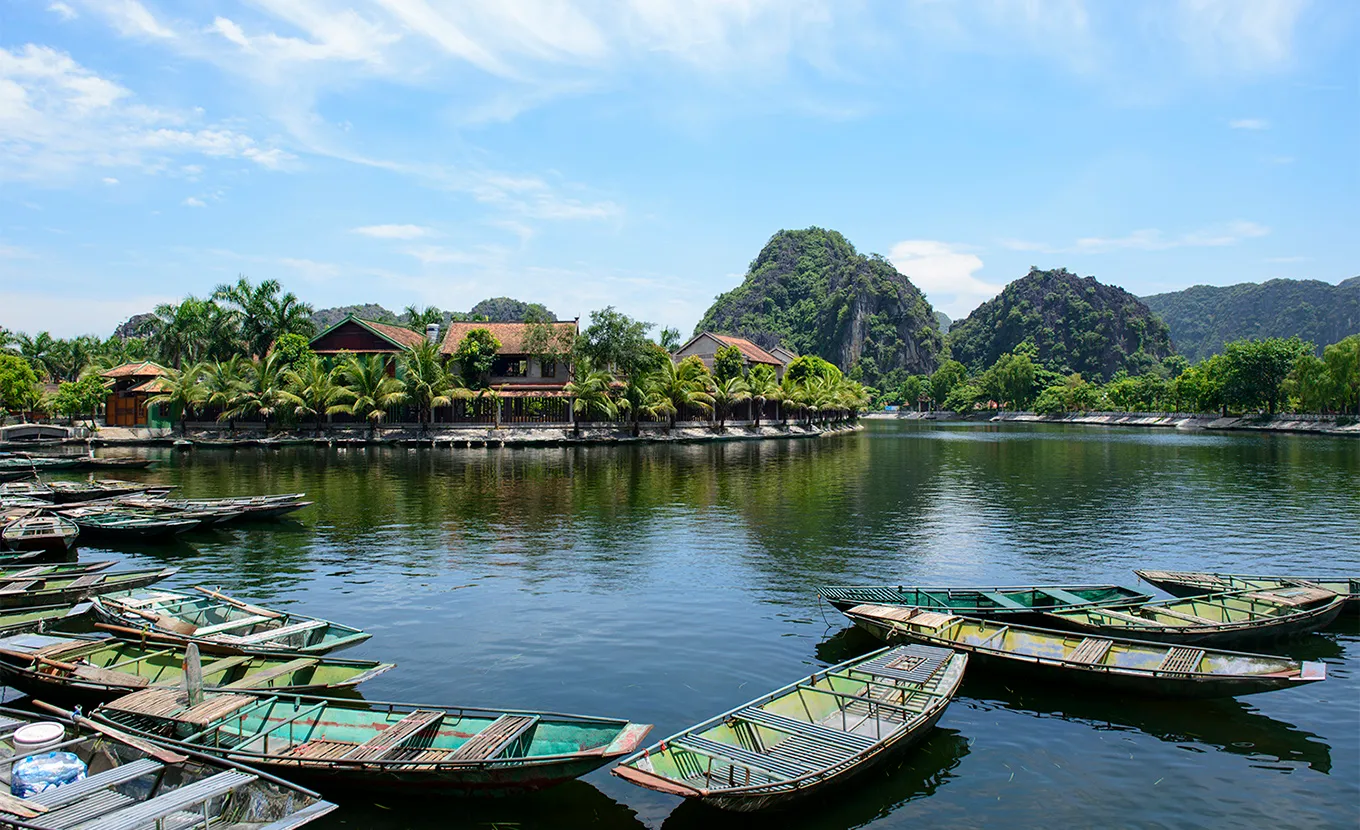
Beyond the mountains, Yen Bai reveals another natural wonder: Thac Ba Lake. Formed by the construction of the Thac Ba hydroelectric dam, it is one of Vietnam's largest artificial lakes, yet it possesses a serene and pristine beauty often compared to Ha Long Bay.
Thousands of Islands and Islets: The lake is dotted with over 1,300 large and small limestone islands and islets, many covered in lush greenery, creating a mesmerizing labyrinth of waterways.
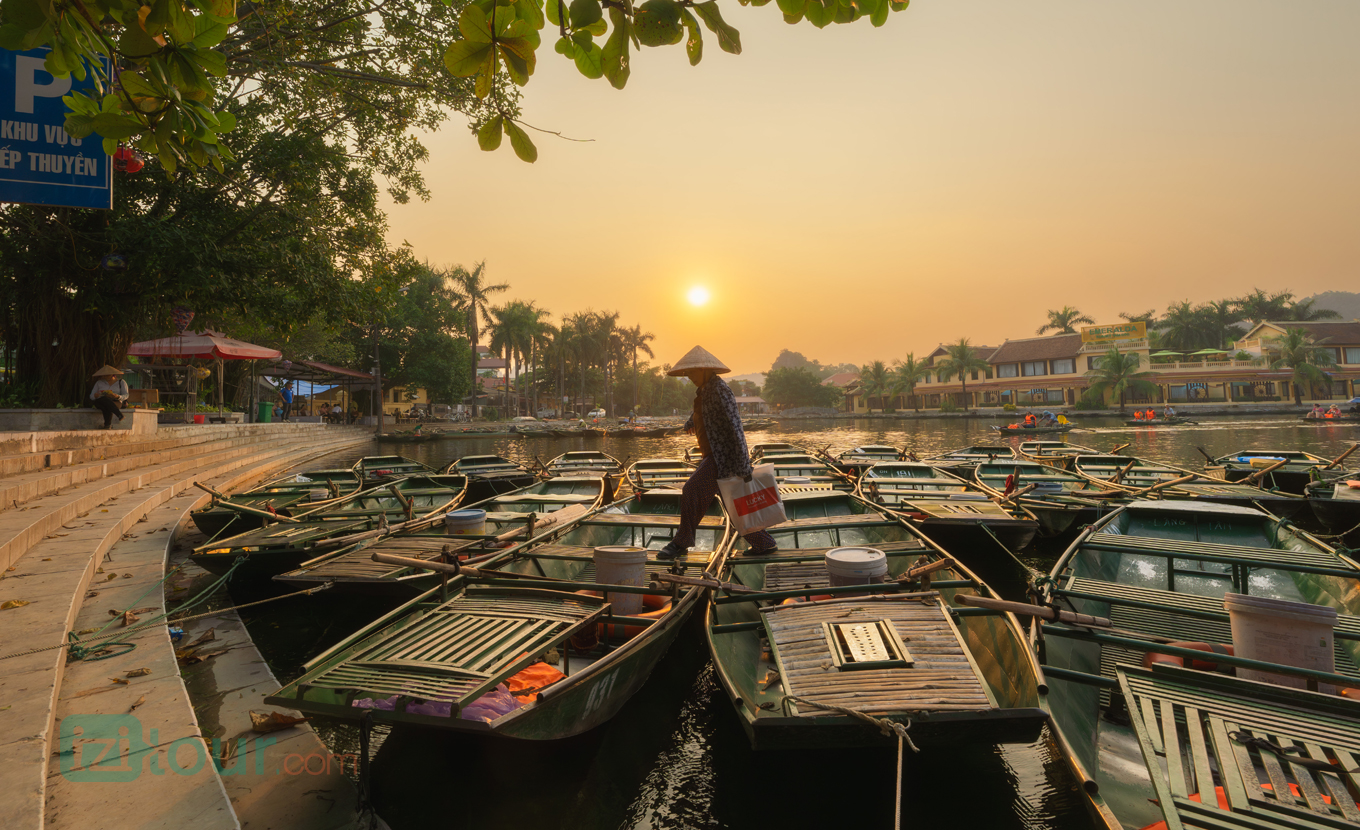
Tranquil Boat Trips: Explore the lake by boat, gliding past floating villages, traditional stilt houses, and grottoes. The peaceful atmosphere, broken only by the gentle lapping of water and distant birdsong, offers a perfect escape from bustling city life.
Ecological Significance: The lake supports a rich ecosystem, providing a habitat for numerous fish species, birds, and aquatic plants, and is a vital water source for the surrounding communities.
Nestled in Van Chan District, the Suoi Giang tea hills are not just picturesque; they are home to some of the oldest tea trees in Vietnam, with some specimens estimated to be hundreds of years old.
Ancient Shan Tuyet Tea: This region is famous for its Shan Tuyet tea, a rare and highly prized variety grown by the Hmong, Dao, and Thai ethnic groups. The tea leaves are covered with tiny white hairs ("Tuyet" means snow), indicating their high quality and unique flavor profile.
Traditional Cultivation: Witness traditional tea cultivation practices passed down through generations. Visitors can learn about the tea-making process, from plucking the leaves to drying and fermenting them.
Serene Landscapes: The tea hills offer a different kind of beauty, with rolling green hills meticulously cultivated, providing a tranquil backdrop for exploring local villages.
For those interested in history and spirituality, Dong Cuong Temple is a significant site, particularly revered by the Dao ethnic group.
Historical and Cultural Importance: Located by the Red River, the temple is dedicated to the Mother Goddess Lieu Hanh and other deities, serving as a spiritual center for local communities.
Festivals and Pilgrimage: It is a key pilgrimage site, especially during the spring festival (around the first lunar month), attracting devotees from across the region who come to pray for prosperity and good fortune.
Architectural Beauty: The temple complex showcases traditional Vietnamese architecture and offers a serene atmosphere for reflection.
Yen Bai's diverse topography ensures a wealth of other natural attractions waiting to be explored.
Lim Mong Valley: Often visited in conjunction with Mu Cang Chai, Lim Mong is a picturesque valley known for its traditional stilt houses nestled amidst rice fields, offering a glimpse into the daily life of the Hmong people.
Pung Luong Peak (Mu Cang Chai): For adventurous trekkers, Pung Luong is a challenging peak offering panoramic views of the terraced fields and surrounding mountains.
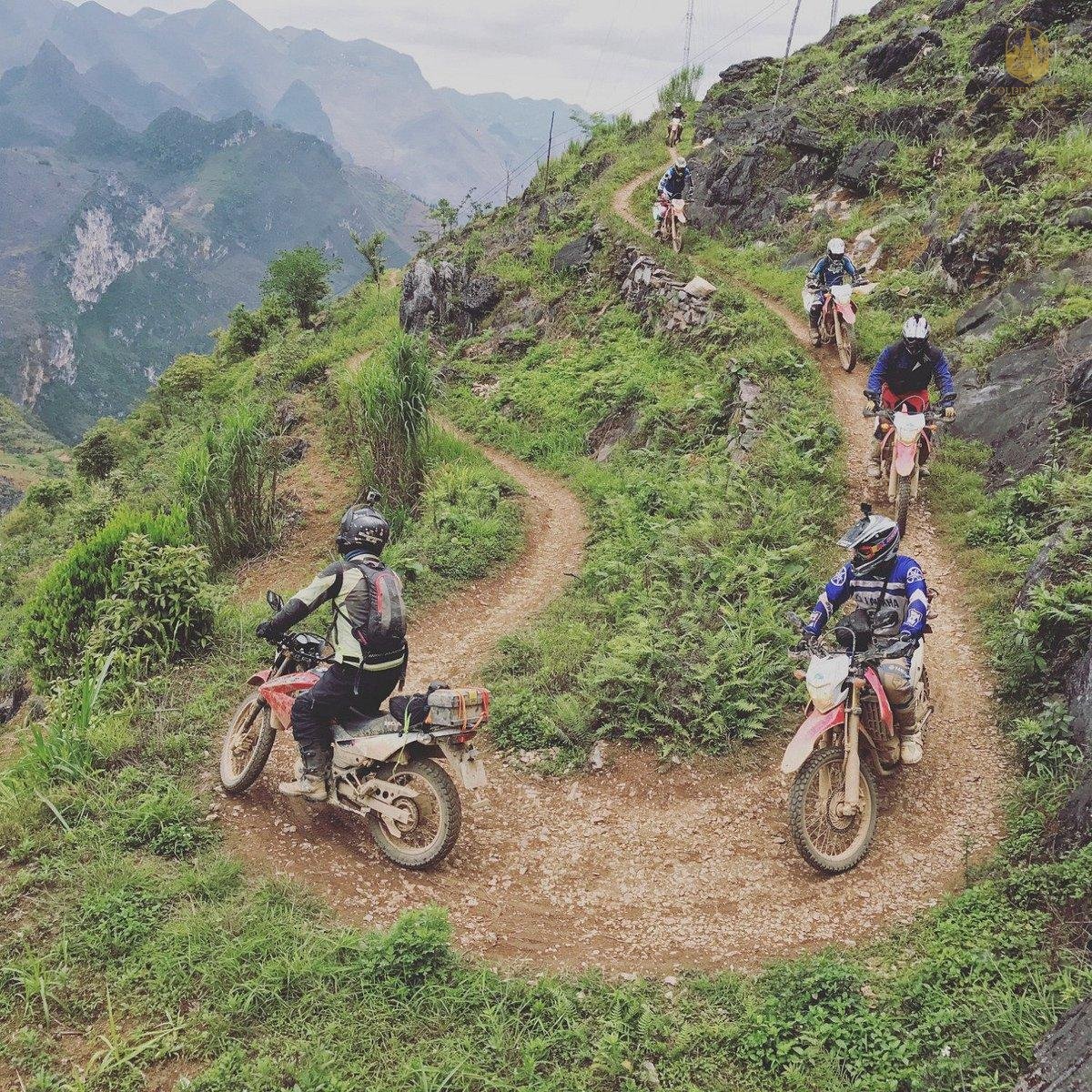
Khau Pha Pass: More than just a viewpoint, Khau Pha Pass itself is a thrilling ride through winding mountain roads, renowned for its majestic scenery and challenging curves, making it popular with motorcyclists. It's also a popular spot for paragliding during the golden rice season.
Yen Bai Province is a mosaic of ethnic minority groups, each contributing to its vibrant cultural identity. The majority of the population comprises the Kinh (Vietnamese majority), but significant communities of Thai, Hmong, Dao, Tay, Muong, Nung, and other groups call Yen Bai home. Their unique customs, languages, traditional attire, and spiritual beliefs add immense depth to the travel experience.
The Hmong people are synonymous with the terraced rice fields of Mu Cang Chai. Their ingenuity and tireless work ethic over generations have sculpted these incredible landscapes.
Traditional Lifestyles: Experience their unique way of life, from their distinctive indigo clothing adorned with intricate embroidery to their traditional wooden or earthen houses nestled into the hillsides.
Cultural Practices: Observe their farming methods, learn about their animistic beliefs, and understand their strong community bonds.
Festivals: If you visit during key festivals like the Gau Tao Festival (Lunar New Year), you can witness their vibrant traditions, including folk games, dances, and musical performances.
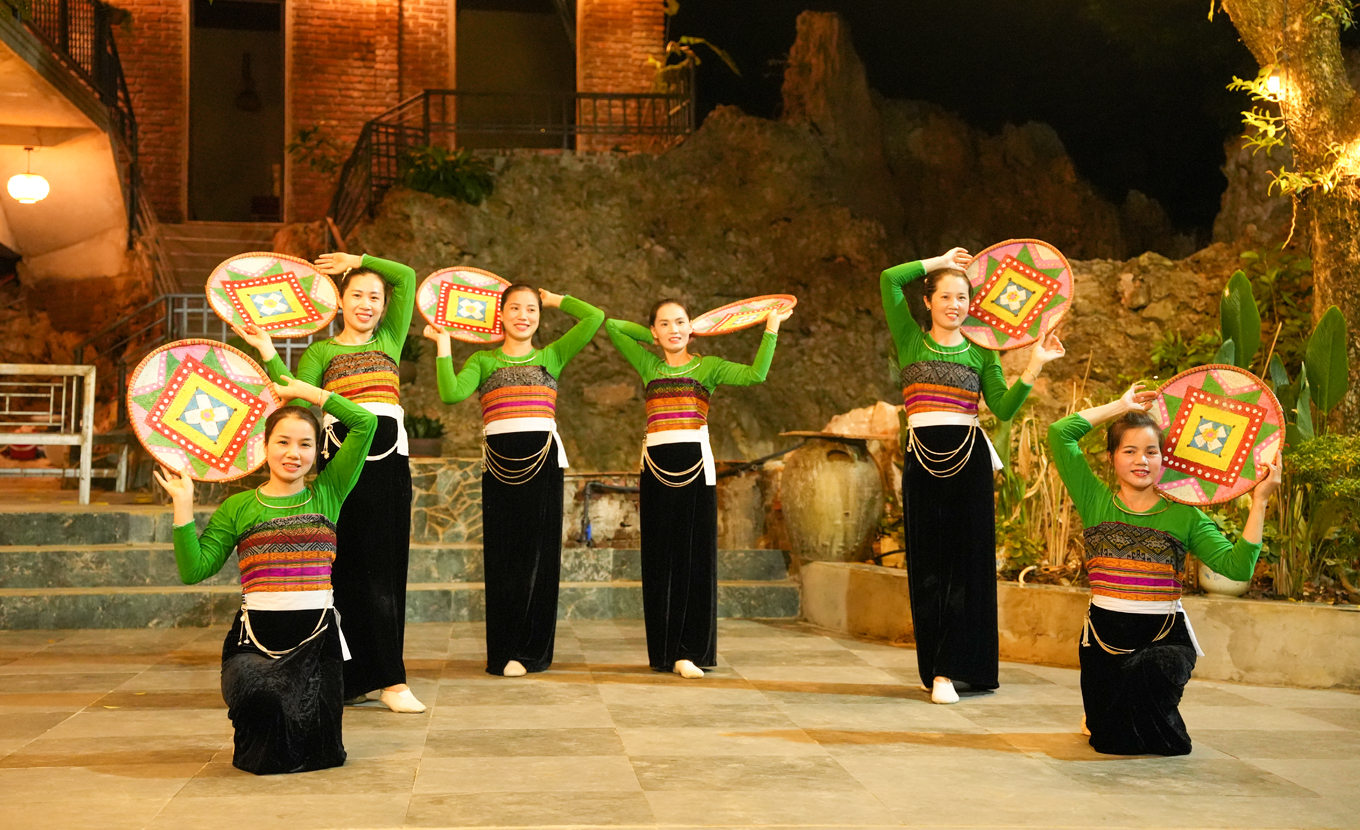
The Thai ethnic group is another prominent community in Yen Bai, particularly in lowland areas and along rivers. They are renowned for their elegant dances, beautiful traditional attire, and skill in weaving.
Stilt Houses: Their distinctive stilt houses, often larger and more ornate than Hmong homes, are a common sight, built to adapt to the terrain and protect against floods and wild animals.
Xoe Dance: The Xoe dance, a collective dance form recognized by UNESCO as Intangible Cultural Heritage, is central to Thai cultural identity. Visitors often have the opportunity to participate in these joyful performances.
Traditional Textiles: Admire their exquisite hand-woven textiles, often featuring intricate patterns and vibrant colors.
The Dao people in Yen Bai maintain a strong connection to their ancient traditions, particularly their spiritual practices and unique knowledge of medicinal herbs.
Red Dao (Dao Do): Known for their distinctive red headscarves and elaborate silver jewelry.
Herbal Baths: Many Dao communities offer traditional herbal baths, believed to have healing and rejuvenating properties, using herbs collected from the forest. This is a unique and relaxing cultural experience.
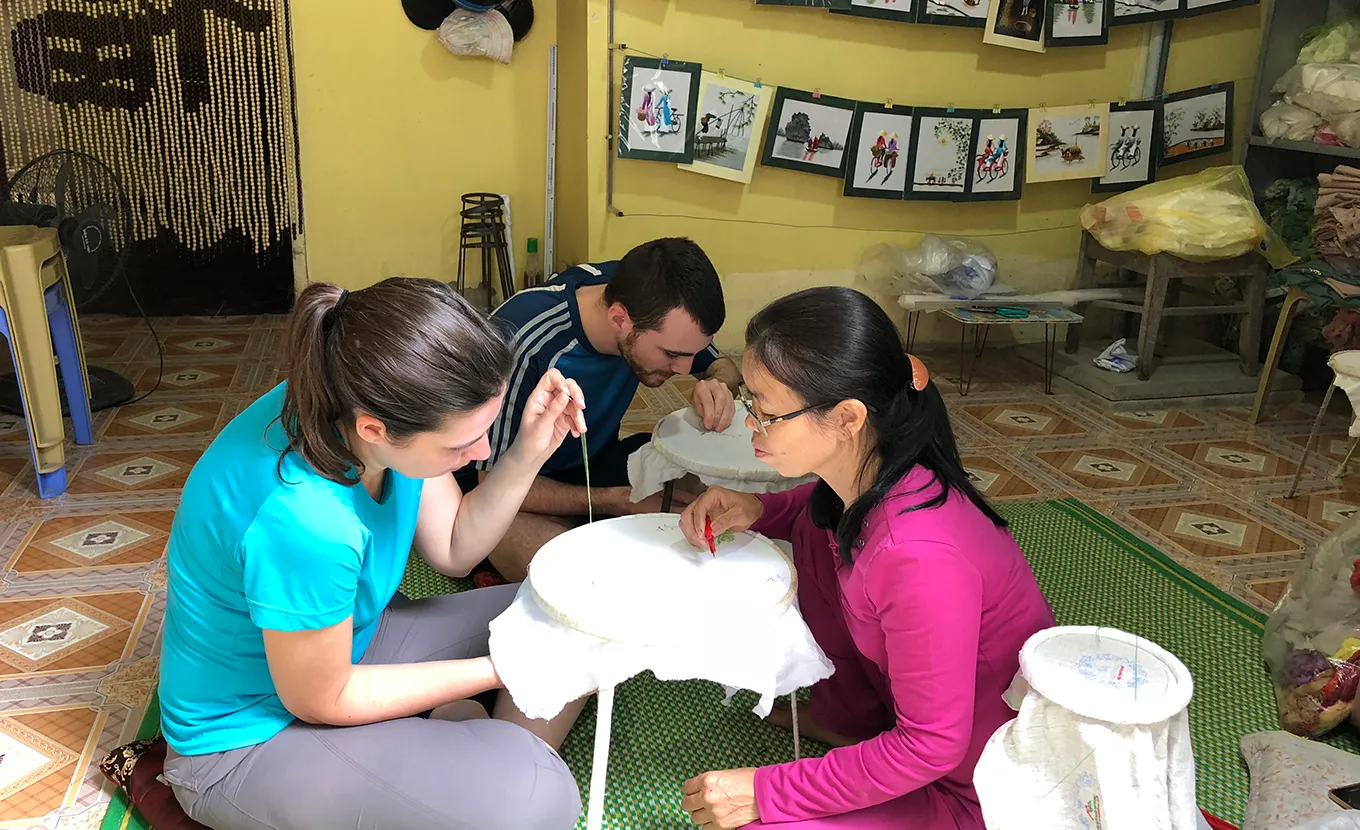
Art of Paper Making & Embroidery: The Dao are also known for their traditional paper-making and intricate embroidery.
Homestays: Staying in a local homestay, particularly in areas like Nghia Lo, Mu Cang Chai, or around Thac Ba Lake, offers an unparalleled opportunity for authentic cultural immersion. Share meals, learn about daily routines, and connect with families.
Local Markets: The bustling local markets are vibrant hubs where ethnic minority groups come to trade their produce, handicrafts, and goods. These markets are a fantastic place to observe local life, try regional delicacies, and find unique souvenirs.
Traditional Festivals: Timing your visit with one of the many traditional festivals (e.g., rice harvesting festivals, New Year celebrations, local spiritual ceremonies) provides a rare glimpse into the heart of their cultural heritage.
Yen Bai offers a diverse range of activities and sights that promise to captivate every traveler, from the adventurous trekker to the culture enthusiast and the serene nature lover.
Experiencing the terraced rice fields of Mu Cang Chai is the absolute pinnacle of a Yen Bai trip.
Golden Season Photography (Sept-Oct): This is the prime time for photographers and sightseers. Rent a motorbike (with caution, or hire a local driver) to navigate the winding roads through Che Cu Nha, La Pan Tan, and De Xu Phinh. Capture the golden waves and the iconic "rice stairs."
Paragliding at Khau Pha Pass: For the truly adventurous, experience the breathtaking views from above by taking a tandem paragliding flight over the terraced fields (available during specific times in the golden season, weather permitting).
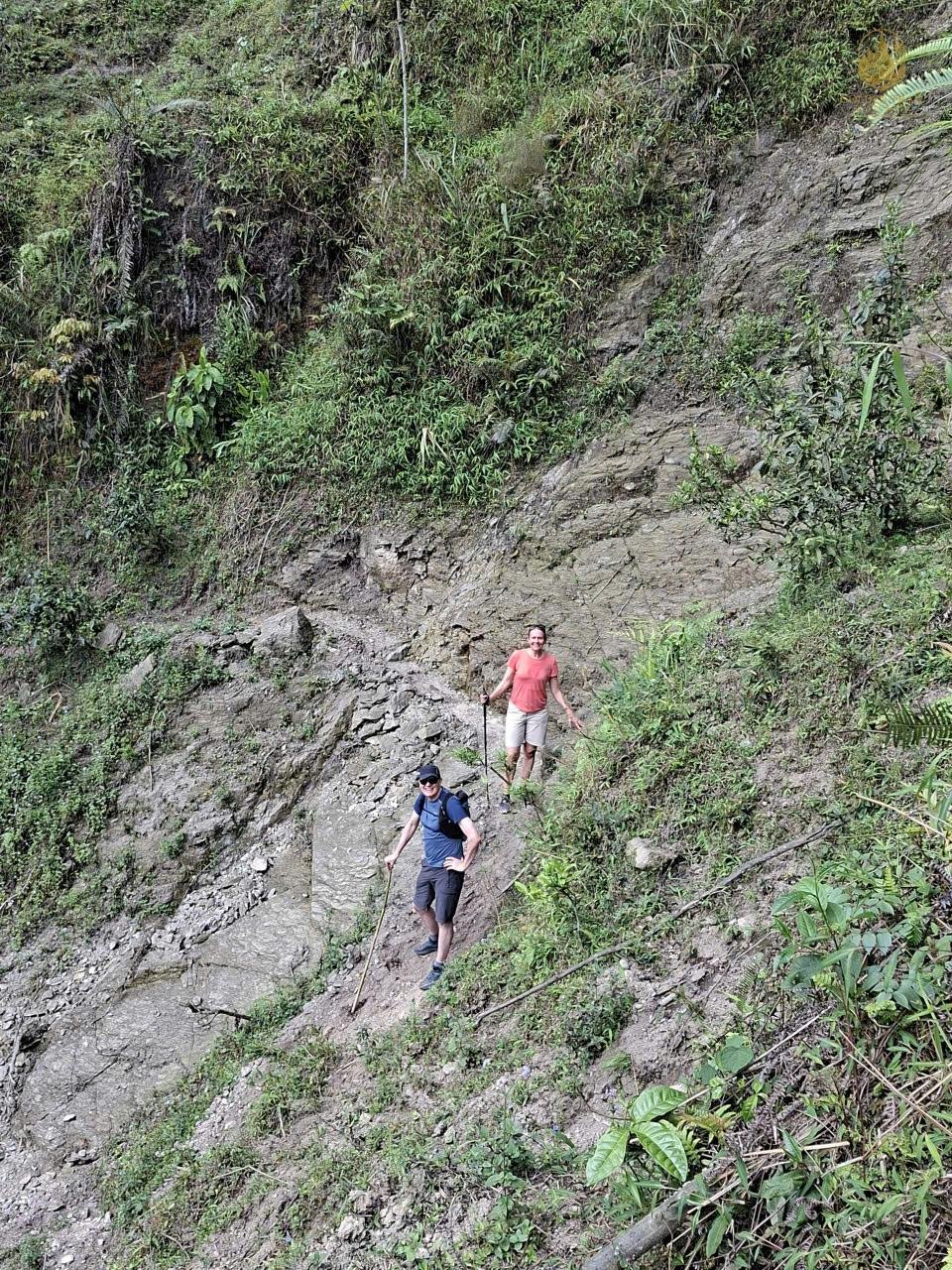
Trekking and Walking Tours: Guided treks (half-day to full-day) through the terraces and surrounding Hmong villages offer a more intimate experience. Walk among the fields, interact with local farmers, and discover hidden viewpoints.
Homestays in Hmong Villages: Stay in a traditional Hmong homestay in villages like Lim Mong or La Pan Tan. This allows for early morning views, authentic meals, and deep cultural immersion.
Thac Ba Lake offers a tranquil escape and a different perspective of Yen Bai's natural beauty.
Boat Trip Exploration: Hire a local boat for a leisurely tour around the lake's myriad islands and islets. Visit a floating village, explore hidden grottoes, and simply enjoy the peaceful ambiance.
Homestays on the Lake Shore: Several communities around Thac Ba Lake offer homestays in traditional stilt houses, providing a unique opportunity to experience local life by the water, enjoy fresh fish meals, and observe daily activities like fishing.
Kayaking and Swimming: Depending on the season and specific location, some homestays or resorts may offer kayaking or swimming opportunities in designated areas.
A visit to the ancient tea hills provides a fascinating and fragrant experience.
Tea Plantation Tour: Walk through the ancient tea gardens, some trees centuries old. Learn about the cultivation of Shan Tuyet tea from local farmers.
Tea Tasting: Enjoy a freshly brewed cup of Shan Tuyet tea, savoring its unique aroma and flavor. Many places offer insights into the tea processing.
Cultural Exchange: Engage with the Hmong, Dao, or Thai communities living in the tea hills, learning about their lives and traditions connected to tea.
Nghia Lo serves as a vibrant cultural hub, particularly for the Thai ethnic group, and is a gateway to Mu Cang Chai.
Thai Homestays: Experience the warmth of Thai hospitality by staying in a traditional stilt house in a village near Nghia Lo. Enjoy authentic meals and cultural performances.
Xoe Dance Performance: Witness or even participate in the mesmerizing Xoe dance, a UNESCO recognized cultural heritage.
Local Market Exploration: Explore the bustling Nghia Lo market, where various ethnic groups converge to trade goods, showcasing the region's diversity.
Yen Bai's mountainous terrain offers numerous opportunities for adventurous trekkers.
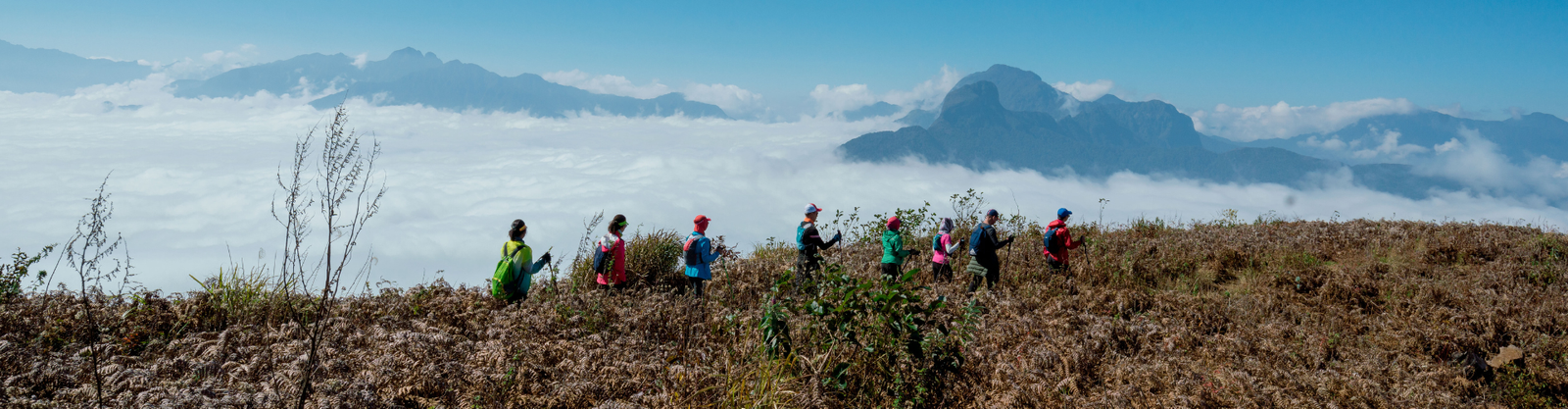
Ta Xua and Ta Chi Nhu (nearby, often combined with Yen Bai): While technically in Son La and Lai Chau provinces respectively, these famous "cloud hunting" peaks are often accessed via Yen Bai and are popular for multi-day treks, offering stunning views of cloud seas.
Exploring Remote Villages: With a local guide, embark on treks to more remote ethnic minority villages, experiencing untouched landscapes and profound cultural insights.
To ensure a smooth and memorable trip to Yen Bai, careful planning is key. Here's essential information to help you prepare.
Yen Bai's charm changes with the seasons, each offering a distinct experience.
Golden Rice Season (September - October): The Most Popular
Highlight: The famous terraced rice fields of Mu Cang Chai turn a spectacular golden yellow, ready for harvest. Ideal for photography and scenic views.
Weather: Generally pleasant, with warm days and cooler evenings. Less rain than the summer months.
Considerations: This is peak tourist season, so expect larger crowds, especially on weekends and Vietnamese holidays. Book accommodations and tours well in advance.
"Pouring Water" Season (May - June): Reflective Beauty
Highlight: The terraced fields are flooded, creating thousands of shimmering, mirror-like reflections of the sky, clouds, and surrounding mountains. Excellent for unique photography.
Weather: Warmer and more humid, with increasing chances of rain as the wet season approaches.
Considerations: Fewer crowds than the golden season, offering a more serene experience.
Green Season (July - August): Lush and Vibrant
Highlight: The rice fields are a vibrant, lush green as seedlings grow. The landscape is incredibly verdant and alive. Waterfalls are at their fullest.
Weather: Hot and humid, with frequent heavy afternoon showers. Roads can be muddy or slippery.
Considerations: Fewer tourists. Ideal for experiencing the raw, untamed beauty of the Northwest.
Dry/Winter Season (November - April): Cool and Clear
Highlight: Cooler temperatures, dry weather, and often clear skies, perfect for trekking and mountain climbing. The deciduous forests will show their winter colors.
Weather: Can be cold, especially in the mountains (even near freezing in some areas in Dec-Jan). Less rain.
Considerations: Rice fields are fallow after harvest, so the iconic green/golden views are absent. Still excellent for cultural immersion, market visits, and exploring other attractions like Thac Ba Lake.
Yen Bai Province is accessible primarily by road and rail from Hanoi.
From Hanoi:
By Train (Recommended for Scenery & Comfort):
Route: Take the overnight train from Hanoi's Long Bien or Yen Vien Station directly to Yen Bai City (the provincial capital). Trains often continue to Lao Cai.
Journey Time: Approximately 4-5 hours. Sleeper cabins are available for comfort.
Benefit: Offers scenic views of the countryside, especially in the morning.
By Public Bus:
Route: Buses depart regularly from My Dinh Bus Station in Hanoi to Yen Bai City or Nghia Lo (a major town near Mu Cang Chai).
Journey Time: Approximately 3-4 hours to Yen Bai City, 5-6 hours to Nghia Lo.
Cost: Generally the most budget-friendly option.
By Private Car/Taxi:
Comfort & Flexibility: The most comfortable and direct option, ideal for families or groups. Offers door-to-door service and flexibility for stops.
Journey Time: Approximately 3-4 hours to Yen Bai City, 4-5 hours to Nghia Lo.
By Motorbike:
For Experienced Riders: Offers ultimate flexibility and a thrilling scenic journey.
Journey Time: 5-7+ hours, depending on speed and stops.
Caution: Roads can be challenging, especially mountain passes and unpaved sections. Only attempt if you are an experienced rider comfortable with long distances and varied terrain. Ensure your bike is well-maintained.
Getting Around Yen Bai:
To Mu Cang Chai (from Yen Bai City or Nghia Lo): You'll need to hire a local car, taxi, or a motorbike driver. Many travelers rent motorbikes in Nghia Lo or Yen Bai City to explore independently (again, with caution).
To Thac Ba Lake: Best accessed by local taxi or motorbike from Yen Bai City.
Local Guides: For trekking in Mu Cang Chai or cultural tours, hiring a local ethnic minority guide is highly recommended for navigation, cultural insights, and supporting local communities.
Accommodation in Yen Bai ranges from basic guesthouses to charming eco-lodges, with a strong emphasis on authentic local experiences.
Mu Cang Chai Area:
Homestays: The most popular and authentic option. Many Hmong families in villages like La Pan Tan, Lim Mong, Che Cu Nha, and Nghia Lo offer traditional homestays (often renovated stilt houses) with basic amenities, shared bathrooms, and home-cooked meals. This is the best way to immerse in local culture.
Eco-Lodges/Bungalows: A growing number of eco-friendly lodges and bungalows offer more comfort and privacy, often with stunning views of the terraces.
Basic Guesthouses: Simple guesthouses can be found in Mu Cang Chai town.
Nghia Lo Town:
Hotels & Guesthouses: A wider range of basic to mid-range hotels and guesthouses are available, serving as a convenient base before heading into Mu Cang Chai.
Thai Homestays: Numerous traditional Thai homestays offer cultural immersion.
Thac Ba Lake Area:
Homestays: Riverside or lakeside homestays, particularly in Ngoi Tu village, offer a peaceful retreat with traditional architecture and fresh local cuisine.
Yen Bai City:
Hotels: As the provincial capital, Yen Bai City has the widest selection of hotels, from budget to mid-range, though it's less of a tourist draw itself.
Booking accommodation, especially homestays in Mu Cang Chai during the golden season (September-October), is highly recommended well in advance due to high demand.
Packing smartly will ensure a comfortable and enjoyable trip to Yen Bai's diverse landscapes.
Clothing:
Layered Clothing: Essential for varying temperatures between day and night, and between lowlands and mountains.
Lightweight, Breathable Fabrics: Cotton or quick-dry synthetics are ideal for warm and humid days.
Long-Sleeved Shirts & Pants: Good for sun protection, insect bites, and respectful dress in villages/temples.
Warm Layers: A fleece jacket, light down jacket, or sweater is crucial for cool evenings, especially in the mountains (Nov-April).
Rain Gear: A lightweight, packable waterproof jacket or poncho, especially during the green/wet season (May-Oct).
Footwear:
Comfortable Walking/Hiking Shoes: Essential for trekking on varied terrain (muddy, dusty, rocky trails). Choose shoes with good grip.
Waterproof Sandals/Flip-flops: For relaxing at your accommodation, short walks, and shared bathrooms.
Trekking Sandals (optional): For easier walks or river crossings.
Insect Protection:
High-Quality Insect Repellent: Essential, especially at dawn/dusk and near water sources. Look for repellents with DEET or Picaridin.
Mosquito Net (Optional): Some homestays might provide them; a compact travel net could be useful if you're sensitive.
Sun Protection:
Wide-brimmed Hat & Sunglasses: Crucial for protection from the strong sun.
High-SPF Sunscreen: Apply generously and reapply often.
Essentials & Gear:
Small Daypack: For carrying water, snacks, camera, and essentials during day trips.
Refillable Water Bottle: Stay hydrated and reduce plastic waste.
Personal First-Aid Kit: Band-aids, antiseptic wipes, pain relievers, anti-itch cream for bites, allergy medication, and any personal prescriptions.
Headlamp or Flashlight: Essential for walking around homestays at night or during power outages.
Binoculars: Enhance your views of the landscapes and any wildlife.
Camera: With extra batteries, memory cards, and protective covers (dust/rain). A wide-angle lens for landscapes and a zoom lens for details are ideal.
Power Bank/Portable Charger: To keep your devices charged, as outlets might be limited in rural homestays.
Cash (Vietnamese Dong - VND): Absolutely essential, as many local shops, eateries, and homestays only accept cash. ATMs are mostly in Yen Bai City or Nghia Lo.
Small Gifts for Homestay Hosts (Optional): A thoughtful gesture, perhaps local specialties from your home country.
Basic Vietnamese Phrases: Learning a few simple phrases (hello, thank you, goodbye) will greatly enhance your interactions.
For those seeking a more profound and authentic connection with Yen Bai, venturing beyond the well-trodden paths offers unique insights and unforgettable adventures.
Challenging Peaks: While Mu Cang Chai offers popular trekking, serious trekkers can consider routes to higher, less-frequented peaks. Pung Luong in Mu Cang Chai itself, or the nearby Ta Chi Nhu (in Tram Tau, Yen Bai) and Ta Xua (in Son La, but often accessed via Yen Bai) mountains, are famous for challenging multi-day treks, often through diverse forest types and yielding stunning "cloud hunting" opportunities, especially at dawn. These require experienced guides and proper gear.
Trans-Valley Treks: Instead of day trips to Mu Cang Chai, consider multi-day treks that connect different valleys and ethnic minority villages, offering a holistic view of the region's geography and culture. Sleep in different homestays each night, experiencing the distinct characteristics of various Hmong or Thai communities.
Waterfall Expeditions: Explore less-known waterfalls hidden deep within the forests. These might involve challenging hikes but reward with pristine natural pools and untouched beauty. Local guides are essential to navigate these areas.
Extended Homestays & Daily Life Participation: Instead of just one night, spend 2-3 nights at a single homestay. This allows you to truly integrate into the family's rhythm. Offer to help with daily chores (e.g., cooking, preparing rice, tending to animals, light farm work) to gain a deeper understanding of their daily lives.
Traditional Craft Workshops: Seek out opportunities for hands-on workshops directly with local artisans. Learn to weave traditional textiles, embroider Hmong patterns, or even try your hand at the intricate silverwork of the Dao people.
Ethnic Minority Language Introduction: If feasible, learn a few basic phrases in Hmong, Thai, or Dao with your guide or homestay hosts. This small effort can open doors to more meaningful interactions.
Participating in Local Festivals (Beyond Tourists): While large festivals draw crowds, local communities often have smaller, more intimate ceremonies or gatherings. With a trusted local guide, inquire about the possibility of respectfully observing or even participating in such events, which offer profound cultural insights away from the tourist gaze.
Ethnobotany Walks with Local Experts: Engage a local elder or knowledge keeper from the ethnic communities to lead you on a walk through the forest. Learn about their traditional knowledge of medicinal plants, edible wild plants, and how they sustainably utilize forest resources.
Island Camping/Overnight: With proper permits and guides, consider an overnight camping trip on one of Thac Ba Lake's uninhabited islands. Enjoy stargazing and the absolute tranquility of the lake.
Kayaking Expeditions: Rent kayaks for a full-day or multi-day expedition, exploring hidden coves, quieter channels, and smaller islands that larger boats cannot access. This allows for closer observation of birdlife and a more active exploration of the lake.
Local Fishing Experience: Join local fishermen on their boats to learn traditional fishing techniques (e.g., net casting, trapping). You might even cook your catch with them afterward.
Ethical Photography: For photographers, learn how to capture stunning images while being respectful of local communities. Always ask for permission before photographing people, especially children, and be sensitive to cultural norms. Avoid staged shots that misrepresent their daily lives.
Focus on Storytelling: Instead of just capturing beautiful landscapes, aim to tell the story of Yen Bai through its people, their traditions, and their connection to the land. This includes documenting traditional farming, crafts, and daily rituals.
Yen Bai's allure lies in its pristine natural beauty and vibrant cultural heritage, much of which is fragile and requires careful stewardship. Responsible tourism plays a crucial role in safeguarding these assets for future generations.
The terraced rice fields of Mu Cang Chai are a testament to centuries of harmonious human-nature interaction. Conservation efforts here are unique as they focus on preserving a "living landscape" rather than just a wilderness.
Preserving Traditional Farming Methods: The Hmong people's traditional wet rice cultivation practices are inherently sustainable, passed down through generations. Supporting these methods helps maintain the ecological balance and the iconic beauty of the terraces.
Water Management: Local communities and authorities work to maintain the intricate irrigation systems that bring water from mountain springs to the terraces, crucial for rice cultivation and preventing erosion.
Protection from Development: Efforts are ongoing to manage urban development and ensure that any infrastructure projects (roads, tourism facilities) are designed to minimize impact on the fragile terraced landscape. This involves strict zoning and construction regulations.
National Heritage Status: The recognition as a National Landscape Relic helps protect the fields from uncontrolled development and provides a framework for sustainable management and conservation. The ongoing pursuit of UNESCO World Heritage status further elevates their protection.
Beyond the terraces, Yen Bai's diverse natural areas also require dedicated conservation.
Forest Protection: While less famous for its wildlife than other national parks, Yen Bai's forests (especially in mountainous areas) are vital for biodiversity. Efforts focus on preventing illegal logging, controlling forest fires (especially in the dry season), and managing sustainable forest product extraction.
Thac Ba Lake Preservation: Maintaining the water quality of Thac Ba Lake is crucial for its ecosystem and the communities relying on it. Efforts include managing waste, controlling pollution from agriculture, and promoting responsible fishing practices.
Biodiversity Monitoring: Although not a national park focused on large mammals like Yok Don, research and monitoring are conducted to track avian species, fish populations, and plant diversity within Yen Bai's various ecosystems.
Community-based tourism (CBT) is at the heart of Yen Bai's sustainable development model, directly benefiting the ethnic minority groups who are the custodians of its cultural and natural heritage.
Economic Empowerment: CBT provides direct and sustainable income sources for local residents, reducing their reliance on potentially destructive practices. This includes:
Homestay Operations: Families operating homestays gain direct income from providing accommodation, meals, and authentic cultural experiences to visitors. This incentivizes them to maintain their traditional homes and practices.
Local Guides: Employing local ethnic minority guides ensures that tourism revenue stays within the community. These guides share invaluable knowledge about their culture, traditions, and the local environment.
Selling Local Products: Tourists purchase local handicrafts (textiles, baskets, unique souvenirs), agricultural produce (Shan Tuyet tea, local rice, fresh vegetables), and traditional foods, directly supporting artisans and farmers.
Cultural Preservation: By showcasing their unique traditions, languages, music, dance (like the Xoe dance), and traditional attire, communities are encouraged to preserve their cultural heritage. Tourism becomes a platform for cultural exchange, fostering pride and ensuring these traditions are passed down to younger generations.
Environmental Awareness: As communities directly benefit from the influx of eco-tourists and the preservation of their natural and cultural assets, their awareness of the value of their environment increases. They become active participants in conservation efforts, understanding that their livelihoods are intrinsically linked to the health and beauty of their ancestral lands.
Improved Livelihoods: The financial benefits from tourism contribute to improving living standards, providing better access to education, healthcare, and infrastructure within these rural communities. This creates a positive feedback loop, where prosperous communities are better equipped and more motivated to protect their environment.
By choosing to visit Yen Bai responsibly – engaging in ethical cultural interactions, minimizing your environmental footprint (e.g., no littering, staying on designated paths), and actively supporting local community initiatives – you become an invaluable partner in its remarkable journey of preservation. Your travel choices directly contribute to the continued protection of Yen Bai's stunning landscapes and the well-being of its diverse communities, ensuring it remains a vibrant natural and cultural treasure for generations to come.
Embarking on a journey to a region as rich in natural beauty and cultural depth as Yen Bai requires more than just booking flights and accommodation. It demands local expertise, a commitment to authentic experiences, and a dedication to responsible tourism. Golden Trail Travel specializes in crafting immersive, sustainable, and unforgettable adventures across Vietnam, with a particular passion for showcasing the country's breathtaking natural landscapes and vibrant ethnic cultures, including the enchanting province of Yen Bai.
Choosing Golden Trail Travel for your Yen Bai adventure means:
Expertly Curated Itineraries: Golden Trail Travel's tour packages for Yen Bai are meticulously designed to maximize your experience. They seamlessly integrate the iconic terraced fields of Mu Cang Chai, the serene beauty of Thac Ba Lake, and profound cultural exchanges with ethnic minority communities. Whether you're a passionate photographer, an avid trekker, or simply seeking a tranquil escape into authentic Vietnamese life, their itineraries are thoughtfully structured to cater to diverse interests and timeframes.
Experienced and Knowledgeable Local Guides: Benefit from the invaluable insights and passion of Golden Trail Travel's highly experienced guides. Many are local experts from the region, possessing intimate knowledge of Yen Bai's intricate landscapes, the best viewpoints for stunning photography, and the unique customs of the Hmong, Thai, Dao, and other ethnic groups. They enhance your understanding, facilitate genuine cultural interactions, and ensure a truly insightful and enriching journey.
Seamless Logistics and Comfort: Forget the complexities of navigating public transport or arranging activities in a remote region. Golden Trail Travel handles every detail, ensuring a stress-free experience from start to finish. This includes comfortable and reliable transportation from Hanoi (whether by train or private car), well-selected authentic accommodation options (from charming homestays to eco-lodges with stunning views), and all activity bookings within the province. You can relax and fully immerse yourself in the natural and cultural wonders without any logistical worries.
Deep Commitment to Responsible and Sustainable Tourism: Golden Trail Travel is not just a tour operator; it's a dedicated advocate for ethical and sustainable travel. They work closely with local communities and provincial authorities to ensure that your visit has a positive impact. Their tours are designed to minimize environmental footprint, support local livelihoods through community-based initiatives (like direct bookings with homestays and purchasing local products), and actively promote the preservation of cultural heritage and natural landscapes. By choosing Golden Trail Travel, your booking directly contributes to the long-term protection of Yen Bai's unique beauty and the well-being of its diverse communities.
Tailored and Personalized Experiences: Beyond standard packages, Golden Trail Travel understands that every traveler is unique. They can customize itineraries to match your specific interests, desired pace, fitness levels, and timeframes. Whether you dream of an intensive trekking expedition through the terraces, a focused photography tour during the golden season, or a serene cultural retreat centered around lake life and local crafts, Golden Trail Travel can tailor the perfect adventure for you.
Ready to explore the breathtaking emerald terraces, vibrant cultures, and hidden charms of Yen Bai? Let Golden Trail Travel be your trusted companion and guide to this extraordinary gem of Vietnam's Northwest. Visit to explore their meticulously crafted Yen Bai tour packages and book your unforgettable adventure today!
A1: Yen Bai Province is located in the Northwest region of Vietnam, approximately 180 km northwest of Hanoi.
A2: Yen Bai is most famous for the spectacular terraced rice fields of Mu Cang Chai, a National Landscape Relic, particularly stunning during the "pouring water" and golden rice seasons. It's also known for Thac Ba Lake and its diverse ethnic minority cultures.
A3: The Golden Rice Season (September - October) is the most popular time for the terraced fields. The "pouring water" season (May - June) also offers unique reflections. For general trekking and cooler weather, the dry/winter season (November - April) is good.
A4: You can take a train from Hanoi directly to Yen Bai City (recommended for scenery), a public bus from My Dinh Bus Station to Yen Bai City or Nghia Lo, or arrange a private car/taxi. Motorbiking is an option for experienced riders.
A5: Key activities include exploring the terraced rice fields of Mu Cang Chai (trekking, photography, paragliding), boat trips on Thac Ba Lake, visiting Suoi Giang ancient tea hills, experiencing homestays with ethnic minorities (Hmong, Thai, Dao), and exploring local markets.
A6: Yen Bai is home to many ethnic minority groups, including the Hmong, Thai, Dao, Tay, and Muong, among others, each with distinct cultures, languages, and traditional attire.
A7: Yes, staying in a local homestay is highly recommended for an authentic cultural experience, especially in Mu Cang Chai, Nghia Lo, and around Thac Ba Lake.
A8: Pack layered clothing for varying temperatures, comfortable walking/hiking shoes, insect repellent, sun protection (hat, sunscreen), a rain jacket, binoculars, a camera, and plenty of Vietnamese Dong (cash).
A9: Yes, Yen Bai is generally safe for tourists. However, exercise caution on mountain roads, especially during the wet season, and always respect local customs when visiting ethnic minority villages. Hiring a local guide is recommended for trekking.
A10: The terraced fields are a National Landscape Relic and a potential UNESCO World Heritage site, recognized for their extraordinary beauty, the ingenious agricultural practices of the Hmong people, and their cultural and historical significance.
"Unforgettable Golden Terraces! - Photography Dream" - Liam K., Professional Photographer, Canada "Mu Cang Chai's golden terraces are truly a sight to behold, and visiting with Golden Trail Travel made all the difference. Their guides knew all the best viewpoints and even helped me navigate tricky light conditions. The early morning excursions were breathtaking. It's a photographer's paradise, and Golden Trail Travel's seamless logistics allowed me to focus purely on capturing the magic. Highly, highly recommend for any serious photographer!"
"Beyond Expectation: Cultural Immersion in Yen Bai" - The Nguyen Family, Ho Chi Minh City, Vietnam "We wanted to show our kids a different side of Vietnam, and Yen Bai delivered. Staying in a Hmong homestay, arranged perfectly by Golden Trail Travel, was an unforgettable experience. The warmth of the family, the delicious home-cooked meals, and learning about their traditions were highlights. Our Golden Trail guide was excellent, bridging language and cultural gaps effortlessly. This trip was more than just sightseeing; it was a profound cultural exchange."
"Thac Ba Lake: A Hidden Gem of Serenity" - Sophie L., Solo Traveler, France "After the buzz of Hanoi, Thac Ba Lake was the perfect tranquil escape. The boat trip through the islets felt like a secret journey, and the homestay by the lake was incredibly peaceful. Golden Trail Travel curated this unique part of my itinerary, and I'm so glad they did. Their commitment to sustainable tourism and supporting local communities truly shines through. Yen Bai has so much more to offer than just Mu Cang Chai, and Golden Trail helped me discover it."
"Adventurous Trekking & Breathtaking Views" - David & Sarah P., Avid Hikers, UK "Our multi-day trek in Yen Bai, organized by Golden Trail Travel, was challenging but immensely rewarding. The views from the peaks, especially the 'cloud hunting' moments, were absolutely spectacular. Our local Hmong guide, provided by Golden Trail, was incredibly knowledgeable about the trails and the flora. Golden Trail Travel ensured our safety and comfort every step of the way, even in remote areas. A truly epic adventure!"
"Authentic Tea Culture in Suoi Giang" - Emily R., Tea Enthusiast, Japan "As a tea lover, visiting the ancient tea trees of Suoi Giang was a dream come true. Learning about Shan Tuyet tea directly from the Hmong farmers was fascinating. Golden Trail Travel arranged a very insightful tour, connecting us with the local community and ensuring we understood the traditional tea-making process. It was a unique and fragrant experience that I'll cherish. Thank you, Golden Trail, for such an authentic journey!

.jpg "Finding the Best Vietnam Bike Tour Company: Your Ultimate Guide to an Epic Journey")
Vietnam is a land of sensory overload, where the landscape shifts as dramatically as its history. From the jagged, mist-shrouded limestone peaks bordering China to the flat, sun-drenched alluvial plains of the Mekong Delta, the "S-curve" of Indochina offers one of the most rewarding landscapes in the world for adventurers. However, to truly see the soul of this nation, one must leave the crowded coastal highways and travel at a human pace. This is why selecting the best Vietnam bike tour company is the most critical decision an adventurer can make.
December 20, 2025
.webp "The Ultimate Guide to a Supported Vietnam Cycling Tour: Seamless Adventure Through the S-Curve")
Vietnam is a land of rhythmic transitions, where the landscape shifts as dramatically as its history. For the global adventurer, there is no more profound way to witness this transformation than from the saddle of a bicycle. However, traversing the 2,000-kilometer "S-curve"—from the misty, jagged peaks of the North to the sun-drenched, alluvial plains of the Mekong Delta—presents a logistical puzzle that can overwhelm even the most seasoned riders. This is where a supported Vietnam cycling tour becomes the gold standard for exploration.
December 20, 2025
.jpg "The Ultimate Guide to a Guided Vietnam Bike Tour: An Epic Odyssey Through Indochina")
Vietnam is a land defined by its rhythmic transitions. From the jagged, mist-shrouded limestone peaks bordering China to the flat, sun-drenched alluvial plains of the Mekong Delta, the "S-curve" of Indochina offers one of the most diverse and rewarding landscapes in the world for adventurers. However, to truly see the soul of this nation, one must leave the crowded coastal highways and travel at a human pace. This is why a guided Vietnam bike tour has become the gold standard for global travelers seeking authenticity, serenity, and physical challenge.
December 20, 2025
.jpg "The Ultimate Guide to the Best Vietnam Bike Tour Package: Experience the Odyssey of a Lifetime")
Vietnam is a land defined by its rhythmic transitions. From the jagged, mist-shrouded limestone peaks bordering China to the flat, sun-drenched alluvial plains of the Mekong Delta, the "S-curve" of Indochina offers one of the most diverse and rewarding landscapes in the world for adventurers. However, to truly see the soul of this nation, one must leave the crowded coastal highways and travel at a human pace. This is why a professional Vietnam bike tour package has become the gold standard for global travelers seeking authenticity, serenity, and physical challenge.
December 20, 2025
.jpg "Your Ultimate Guide to Booking the Perfect Vietnam Bike Tour")
The rhythmic whirring of a chain, the scent of blooming coffee blossoms in the Central Highlands, and the misty silhouettes of limestone karsts at dawn—this is the reality of a cross-country cycling odyssey. Vietnam is a land of sensory overload, and for the modern adventurer, there is no more profound way to witness its transformation than from the saddle of a bicycle. Whether you are aiming to conquer the jagged peaks of the North or glide through the emerald waterways of the Mekong Delta, choosing to book a Vietnam bike tour is the first step toward a life-changing experience.
December 20, 2025
.jpg "Navigating the Cost of Adventure: The Definitive Guide to Vietnam Bike Tour Prices")
For many travelers, cycling across Vietnam is a bucket-list dream. From the emerald-green rice terraces of the North to the sun-drenched coastal roads of the Central region and the labyrinthine waterways of the Mekong Delta, the "S-curve" of Indochina is best experienced at the speed of two wheels. However, when planning such an epic journey, one of the first questions that arises is: What is a fair Vietnam bike tour price?
December 20, 2025
.jpg "Mastering the S-Curve: A Comprehensive Guide to Vietnam Bike Tour Difficulty")
Vietnam is a land of dramatic transitions. From the jagged limestone peaks bordering China to the flat, sun-drenched alluvial plains of the Mekong Delta, the geography of this "S-curve" nation offers a spectrum of challenges for every type of rider. For many travelers, the most critical question before embarking on a cross-country odyssey is: "How hard is it?" Understanding the Vietnam bike tour difficulty is the key to matching your fitness level with the right itinerary, ensuring your journey is an inspiring adventure rather than an overwhelming struggle.
December 20, 2025
.jpg "The Ultimate Seasonal Guide: Finding the Best Time for a Vietnam Cycling Tour")
Vietnam is a land of incredible contrast, stretching over 1,600 kilometers from the jagged northern peaks bordering China to the lush, tropical alluvial plains of the Mekong Delta. For those seeking to explore this "S-curve" nation at the speed of two wheels, the most critical question is not "where" but "when." Because of its unique geography, Vietnam spans multiple climate zones, meaning that the best time for a Vietnam cycling tour can vary dramatically depending on your chosen route.
December 20, 2025
.jpg "The Ultimate Guide to Finding the Best Vietnam Bike Tour: Your Path to Adventure")
The rhythmic whirring of a chain, the scent of blooming coffee blossoms in the Central Highlands, and the misty silhouettes of limestone karsts at dawn—this is the reality of the best Vietnam bike tour. Spanning over 2,000 kilometers from the historic, tree-lined boulevards of Hanoi to the pulsating, neon-lit energy of Ho Chi Minh City, cycling is arguably the most profound way to witness the "S-curve" of Indochina. For the modern traveler, a bicycle is more than just a mode of transport; it is a social bridge that connects you to the heart of rural communities, ancient heritage, and untouched wilderness.
December 20, 2025
.jpg "The Ultimate Vietnam Cycling Route Map: A Comprehensive Guide to Navigating the S-Curve")
For the modern adventurer, few experiences rival the thrill of crossing an entire nation on two wheels. Vietnam, with its iconic "S-curve" geography, offers one of the most diverse and rewarding landscapes in the world for cyclists. However, success on such a journey depends entirely on a well-constructed Vietnam cycling route map. Navigating from the jagged limestone peaks of the North to the sun-drenched alluvial plains of the Mekong Delta requires more than just a GPS; it requires a deep understanding of the terrain, climate, and historical paths that define this nation.
December 20, 2025
.jpg "The Ultimate Vietnam Bike Tour Itinerary: A Comprehensive Guide to Cycling the S-Curve")
Vietnam is a land of sensory overload, a place where the landscape shifts as dramatically as its history. For the global adventurer, there is no more profound way to witness this transformation than through a meticulously planned Vietnam bike tour itinerary. Traveling at the speed of two wheels allows you to notice the subtle shifts that a motorized passenger would miss—the scent of ripening rice, the rhythmic "Xin Chao" from children in remote villages, and the cool mist of the Truong Son mountains.
December 20, 2025
There is a profound difference between seeing a country and feeling it. While a standard holiday might involve hopping between airports and air-conditioned buses, a multi-day Vietnam cycling tour invites you to engage with the landscape at a human pace. It is a journey of sensory overload—the scent of ripening rice in the deltas, the misty silhouettes of the Truong Son mountains, and the rhythmic "Xin Chao" from children in remote villages. For the modern adventurer, a multi-day expedition is the gold standard for authentic exploration.
December 20, 2025
The dream of crossing an entire nation from end to end is a rite of passage for every serious adventurer. When that country is Vietnam—a land of emerald mountains, ancient history, and unparalleled hospitality—the journey becomes more than a physical feat; it becomes a soul-stirring transformation. A Vietnam bike tour 30 days in length is the gold standard for travelers seeking the ultimate "S-curve" odyssey. Spanning approximately 2,000 to 2,400 kilometers from the historic, mist-shrouded streets of Hanoi to the pulsating energy of Ho Chi Minh City, this month-long expedition allows for the perfect balance of grit, glory, and genuine cultural immersion.
December 20, 2025
.jpg "The Grand Traverse: A Complete Guide to a 21-Day Vietnam Bike Tour")
The dream of crossing a country from end to end is a rite of passage for every serious adventurer. When that country is Vietnam—a land of emerald mountains, ancient history, and unparalleled hospitality—the journey becomes more than a physical feat; it becomes a soul-stirring transformation. A Vietnam bike tour 21 days in length is the gold standard for travelers seeking the ultimate "S-curve" odyssey. Spanning approximately 2,000 kilometers from the historic, mist-shrouded streets of Hanoi to the pulsating, neon-lit energy of Ho Chi Minh City, this three-week expedition allows for the perfect balance of grit, glory, and genuine cultural immersion.
December 20, 2025
.jpg "The Ultimate 14-Day Vietnam Bike Tour: A Two-Week Odyssey Through the S-Curve")
Vietnam is a land of sensory overload, a place where the landscape shifts as dramatically as its history. For the global adventurer, there is no more profound way to witness this transformation than through a Vietnam bike tour 14 days in length. Spanning two weeks allows for the perfect balance: enough time to cover significant geographical ground—from the misty mountains of the north to the sun-drenched deltas of the south—while maintaining a pace that permits deep cultural immersion and physical recovery.
December 20, 2025
.jpg "The Ultimate Guide to a 10-Day Vietnam Cycling Odyssey: Experience the S-Curve in a Sweet Spot")
Vietnam is a country that demands to be seen at the speed of a bicycle. While a full cross-country expedition can take nearly a month, many travelers find that a Vietnam bike tour 10 days long is the perfect "sweet spot." It is long enough to deeply immerse yourself in a specific region’s culture, history, and geography, but compact enough to fit into a standard vacation schedule without sacrificing the physical challenge or the sensory rewards of the open road.
December 20, 2025
.jpg "Vietnam Adventure Cycling Tour: The Ultimate Cross-Country Odyssey")
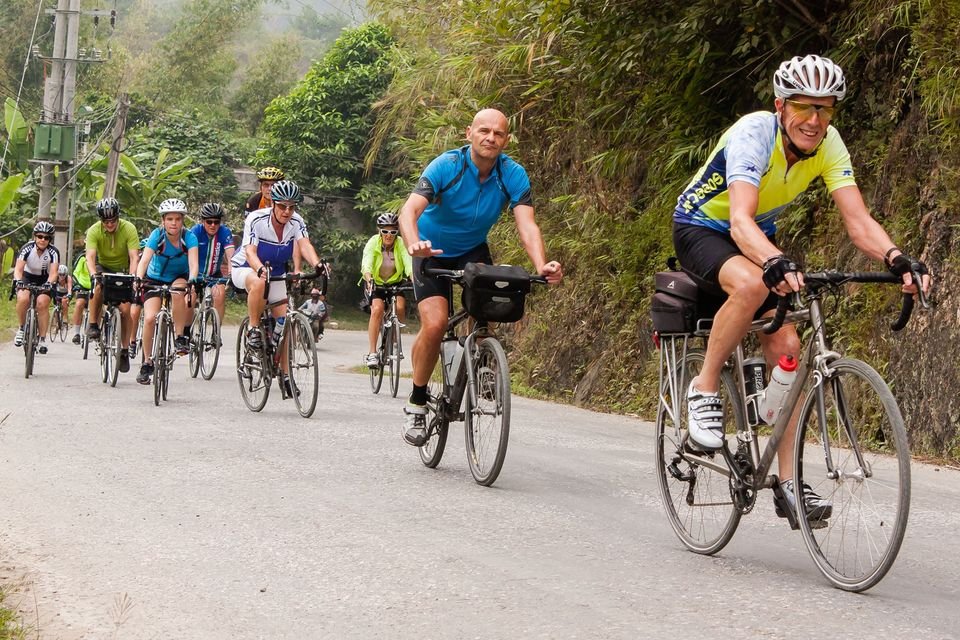
There is a version of Vietnam that exists far beyond the neon-lit skyscrapers of Ho Chi Minh City and the bustling, motorbike-clogged streets of Hanoi. It is a land of emerald-green rice paddies, ancient banyan trees shading village gates, and the rhythmic sound of water buffalos grazing in the mist. To truly witness the heart of this nation, one must travel at a human pace. This is why a Vietnam adventure cycling tour has become the gold standard for travelers seeking authenticity, serenity, and a deep connection with the local culture.
December 20, 2025
.jpg "The Ultimate Guide to a Vietnam Road Cycling Tour: Conquering the S-Curve on Two Wheels")
The rhythmic hum of tires on smooth asphalt, the scent of ripening rice carried on a coastal breeze, and the sight of jagged limestone peaks emerging from the morning mist—this is the reality of a Vietnam road cycling tour. For the endurance athlete, the leisure explorer, and the cultural seeker alike, Vietnam offers a road network that has transformed over the last decade into a world-class cycling destination. Spanning over 2,000 kilometers from the northern border with China to the southern tip of the Mekong Delta, a cross-country journey here is a masterclass in geographic and cultural diversity.
December 20, 2025
.jpg "The Ultimate Guide to a Vietnam Mountain Bike Tour: Conquering the Indochina Peaks")
Vietnam is a land defined by its verticality. From the jagged limestone karsts of the far north to the undulating red-dirt plateaus of the Central Highlands, the country offers some of the most challenging and rewarding terrain on the planet for off-road enthusiasts. A Vietnam mountain bike tour is not just a cycling trip; it is a high-altitude odyssey through ancient cultures, primary rainforests, and historical trails that have shaped the destiny of Southeast Asia
December 20, 2025
.jpg "The Ultimate Guide to a Vietnam Backroads Cycling Tour: Discovering the Hidden Soul of Indochina")
Vietnam is a land of sensory overload, a place where the landscape shifts as dramatically as its history. For the global adventurer, there is no more profound way to witness this transformation than through a Vietnam backroads cycling tour. While many travelers see the country through the tinted windows of a tour bus, traveling at the speed of two wheels allows you to notice the subtle shifts that a motorized passenger would miss—the scent of ripening rice, the rhythmic "Xin Chao" from children in remote villages, and the cool mist of the Truong Son mountains.
December 20, 2025