15 Ng. 100 Đ. Nguyễn Xiển, Thanh Xuân Nam, Thanh Xuân, Hà Nội 100000

15 Ng. 100 Đ. Nguyễn Xiển, Thanh Xuân Nam, Thanh Xuân, Hà Nội 100000

Nestled amidst the majestic peaks and verdant valleys of Yunnan province, China, lies Jianchuan – a place where time seems to slow, and the echoes of a rich, ancient past resonate through every stone, every smile, and every whispered tale. Far from the bustling metropolises, Jianchuan offers a profound journey into authentic Chinese culture, showcasing a vibrant heritage that has been meticulously preserved for centuries. If you're seeking an escape that combines breathtaking natural beauty with an immersive cultural experience, Jianchuan is a destination waiting to be discovered.
Jianchuan's history is not merely a collection of dates and events; it's a living, breathing narrative etched into its ancient towns, intricate carvings, and the resilient spirit of its people. This region, strategically located along the ancient Tea Horse Road, served as a crucial nexus for trade and cultural exchange, fostering a unique blend of influences that continue to define its character today.
Long before recorded history, Jianchuan was home to various indigenous groups, their lives intertwined with the rhythm of the mountains and rivers. Archeological findings suggest human activity dating back millennia, indicating a deep connection between the land and its early inhabitants. These early settlements laid the groundwork for the communities that would eventually thrive, adapting to the challenging yet bountiful environment.
The Tea Horse Road, or "Chama Gudao," was more than just a trade route; it was a conduit for ideas, religions, and artistic expressions. Starting during the Tang Dynasty (618-907 AD), this perilous network of trails connected the tea-producing regions of Yunnan and Sichuan with Tibet, India, and beyond. Jianchuan, with its fertile lands and strategic position, became a vital stopover, a place where caravans rested, goods were exchanged, and stories were shared. The influence of the Tea Horse Road is still palpable today, seen in the architectural styles, the diverse ethnic groups that settled here, and the enduring entrepreneurial spirit of the locals.
Jianchuan is predominantly inhabited by the Bai people, one of China's 56 recognized ethnic groups. Their culture is a cornerstone of Jianchuan's identity, characterized by vibrant traditional dress, melodious folk songs, intricate silverwork, and a deep reverence for nature and their ancestors. The Bai people's history in Jianchuan dates back centuries, and their traditions have been passed down through generations, making Jianchuan an unparalleled window into their way of life.
Jianchuan's historical trajectory has been shaped by the rise and fall of various dynasties and kingdoms. During the powerful Nanzhao Kingdom (738-902 AD) and its successor, the Dali Kingdom (937-1253 AD), Jianchuan flourished as a significant administrative and cultural center. Evidence of these periods can be found in ancient temples, pagodas, and the enduring architectural styles seen in its old towns. Despite political shifts and social changes, Jianchuan has managed to retain its core essence, a testament to the resilience and determination of its people to preserve their heritage.
Jianchuan is a treasure trove of cultural and natural wonders, offering a diverse range of experiences for every traveler. From ancient grottoes to charming old towns, here's a guide to the must-see attractions that make Jianchuan truly unforgettable.
Stepping into Shaxi Ancient Town is like stepping back in time. This remarkably preserved market town, once a crucial trading post on the Tea Horse Road, retains its original charm with cobblestone streets, traditional Bai architecture, and a central square known as the Sifang Street. The old theater, ancient temples, and traditional inns offer a glimpse into the bustling life of centuries past. Shaxi is a UNESCO World Heritage site candidate, a testament to its exceptional cultural significance. Wander through its narrow alleys, savor local delicacies, and immerse yourself in the laid-back rhythm of life. Don't miss the Xingjiao Temple, one of the oldest and most well-preserved Buddhist temples in the region, showcasing exquisite Ming Dynasty murals.
Perched on the slopes of Shibaoshan Mountain, the Shibaoshan Grottoes are an extraordinary collection of Buddhist rock carvings dating back to the Nanzhao and Dali Kingdoms. These intricate sculptures, carved into the sandstone cliffs, depict various Buddhist deities, scenes from sutras, and portraits of kings and historical figures. The grottoes are a testament to the highly developed artistic and religious traditions of the region. The peaceful surroundings and panoramic views from the mountain make the journey to Shibaoshan Grottoes a spiritual and visually rewarding experience.
While Shaxi offers a concentrated historical experience, Jianchuan Ancient City (the old town area within the modern city of Jianchuan) provides a broader glimpse into the region's historical evolution. Though it has undergone more modernization than Shaxi, remnants of its past glory can still be found in its ancient gates, traditional courtyards, and some well-preserved sections. It serves as a good base for exploring the surrounding areas and offers a more local, less tourist-centric atmosphere.
Beyond the grottoes, Shi Bao Shan itself is a destination. This scenic mountain is revered for its unique rock formations, lush forests, and serene atmosphere. It's an ideal spot for hiking, offering various trails that lead to stunning viewpoints and hidden temples. The air is crisp, and the tranquility is profound, providing a perfect antidote to the stresses of modern life.
Nestled amidst a tranquil landscape, Haiyu Temple is a beautiful Buddhist monastery known for its serene ambiance and intricate architecture. It's a place for quiet contemplation and appreciation of traditional Buddhist art. The temple often hosts cultural events and ceremonies, offering visitors a deeper insight into local religious practices.
Jianchuan is renowned throughout China for its exquisite wood carving art. This traditional craft has been passed down through generations, with skilled artisans creating intricate masterpieces from various types of wood. Visitors can explore workshops, observe the carving process, and even purchase unique souvenirs. The detailed craftsmanship and cultural significance of these carvings make them a true highlight of Jianchuan's artistic heritage.
Jianchuan's true charm lies in its vibrant culture, offering myriad opportunities to engage with local traditions and experience the authentic way of life.
Jianchuan cuisine is a delicious blend of Bai and regional Yunnan flavors, characterized by fresh, local ingredients and a emphasis on natural tastes. Don't miss:
Jianchuan Baba (rice cakes): A local specialty, these savory or sweet rice cakes are a staple.
Pickled vegetables: Known for their unique fermentation techniques, Jianchuan's pickled vegetables add a tangy kick to any meal.
Local mushrooms: Yunnan is famous for its diverse range of edible mushrooms, and Jianchuan is no exception.
Dairy products: Influenced by the close proximity to Tibetan areas, you'll find fresh yak milk products and cheeses.
Noodles: A variety of noodle dishes, often served with rich broths and fresh herbs.
Exploring local markets is an adventure in itself, where you can discover fresh produce, unique spices, and interact with friendly local vendors.
Jianchuan's calendar is dotted with colorful festivals that offer a glimpse into the heart of Bai culture. The Torch Festival (around late July/early August) is a particularly spectacular event, with bonfires, singing, dancing, and traditional rituals. Other festivals, often tied to agricultural cycles or religious observations, provide unique opportunities to witness traditional costumes, music, and communal celebrations.
Beyond wood carving, Jianchuan is also known for its silverwork. The Bai people are skilled silversmiths, creating intricate jewelry and ornaments that are often worn during festivals and special occasions. Embroidery is another traditional craft, with women creating vibrant patterns on clothing and household items. Exploring local workshops and markets allows you to appreciate these crafts and even purchase authentic handmade items.
For a truly authentic experience, consider staying in a traditional Bai guesthouse or a homestay in Shaxi Ancient Town. This provides an unparalleled opportunity to interact with local families, learn about their daily routines, and gain deeper insights into their culture. Many guesthouses offer cooking classes, traditional music performances, and guided tours, enhancing your cultural immersion.
Venturing to a lesser-known destination like Jianchuan can be an incredibly rewarding experience, especially with the right planning and support. Golden Trail Travel specializes in crafting authentic and immersive journeys through Yunnan, ensuring a seamless and enriching adventure to Jianchuan and beyond.
Expert Local Knowledge: Golden Trail Travel's team possesses in-depth knowledge of Jianchuan and the surrounding Yunnan region. They understand the nuances of local culture, the best times to visit, and how to create itineraries that truly capture the essence of the destination.
Tailored Itineraries: Whether you're interested in history, culture, hiking, or a blend of everything, Golden Trail Travel can customize an itinerary to match your preferences and pace. From luxurious comfort to adventurous trekking, your journey will be uniquely yours.
Seamless Logistics: Navigating transportation, accommodations, and local guides in a foreign country can be challenging. Golden Trail Travel handles all the logistics, ensuring comfortable transfers, carefully selected accommodations, and knowledgeable local guides who can enhance your understanding of Jianchuan's heritage.
Authentic Cultural Experiences: Golden Trail Travel goes beyond standard sightseeing, offering opportunities for genuine cultural immersion. This might include participating in local workshops, enjoying traditional meals with families, or attending local festivals (if your travel dates align).
Support and Safety: With 24/7 support and a commitment to traveler safety, Golden Trail Travel provides peace of mind throughout your journey, allowing you to relax and fully embrace the Jianchuan experience.
Option 1: Jianchuan Cultural Immersion (4-5 Days) This itinerary focuses specifically on Jianchuan, allowing for deep cultural immersion.
Day 1: Arrival in Lijiang, transfer to Jianchuan/Shaxi Ancient Town. Settle into your guesthouse and explore Shaxi's Sifang Street.
Day 2: Full day exploring Shaxi Ancient Town, including Xingjiao Temple, local market, and traditional Bai courtyards. Optional: Cooking class or visit to a wood carving workshop.
Day 3: Excursion to Shibaoshan Grottoes and the scenic Shi Bao Shan. Enjoy a picnic amidst nature.
Day 4: Explore Jianchuan Ancient City, its remaining historical sites, and perhaps a visit to a local silverwork artisan.
Day 5: Departure from Jianchuan or continue your journey through Yunnan.
Option 2: Yunnan Highlights with Jianchuan (7-10 Days) Combine Jianchuan with other iconic Yunnan destinations like Lijiang and Dali.
Days 1-3: Explore the ancient town of Lijiang, a UNESCO World Heritage site, and its surrounding Naxi culture.
Days 4-6: Journey to Jianchuan, spending time in Shaxi Ancient Town, Shibaoshan Grottoes, and experiencing Bai culture.
Days 7-9: Travel to Dali, relax by Erhai Lake, and discover the Dali Ancient City and the Three Pagodas.
Day 10: Departure from Dali or continue your Yunnan adventure.
Ready to embark on your unforgettable journey to Jianchuan? Visit Golden Trail Travel's website to explore their curated Yunnan tours and easily book your adventure: https://goldentrailtravel.com/
What truly sets Jianchuan apart is not just its historical sites or natural beauty, but the genuine warmth and resilience of its people. The Bai community here has maintained a strong connection to their traditions, living in harmony with their environment and preserving a way of life that feels increasingly rare in our fast-paced world. Engaging with locals, whether through a simple greeting or a shared meal, offers profound insights into their rich heritage and creates lasting memories.
The slower pace of life in Jianchuan encourages introspection and appreciation for simple pleasures. Imagine waking up to the sound of roosters crowing, the scent of freshly brewed tea, and the sight of mist rising over ancient rooftops. Spending an afternoon watching local artisans at work, or simply observing daily life unfold in the ancient towns, can be as enriching as visiting a grand historical monument. Jianchuan is a place that invites you to slow down, breathe deeply, and reconnect with something authentic and timeless.
The commitment to preserving their cultural heritage is evident in every aspect of life in Jianchuan. From the meticulous restoration efforts in Shaxi Ancient Town to the continued practice of traditional crafts, the local community takes immense pride in their legacy. This dedication ensures that future generations, and visitors alike, can continue to experience the magic of Jianchuan as it has been for centuries.
Q1: Where is Jianchuan located? A1: Jianchuan is located in the northwest of Yunnan Province, China, within the Dali Bai Autonomous Prefecture. It's approximately a 2-3 hour drive north of Dali City and south of Lijiang.
Q2: What is the best time to visit Jianchuan? A2: The best time to visit Jianchuan is generally in spring (March to May) and autumn (September to November). During these periods, the weather is pleasant, with mild temperatures and less rainfall, making it ideal for exploring outdoor attractions and enjoying the local culture. Summers (June-August) can be rainy, and winters (December-February) can be cold, though still beautiful.
Q3: How do I get to Jianchuan? A3: The most common way to reach Jianchuan is by bus or private transfer from Lijiang or Dali. Both cities have airports (Lijiang Sanyi Airport and Dali Airport) with connections to major Chinese cities. Golden Trail Travel can arrange all your transportation for a hassle-free journey.
Q4: What are the main attractions in Jianchuan? A4: The main attractions include Shaxi Ancient Town, the Shibaoshan Grottoes, Jianchuan Ancient City, and the scenic Shi Bao Shan itself. The region is also famous for its traditional wood carving art.
Q5: Is Jianchuan suitable for families with children? A5: Yes, Jianchuan can be a wonderful destination for families. Shaxi Ancient Town is pedestrian-friendly, and children often enjoy exploring the old streets, watching artisans at work, and experiencing the relaxed pace of life. Hiking on Shibaoshan can also be an enjoyable activity for older children.
Q6: What kind of accommodation is available in Jianchuan? A6: Accommodation in Jianchuan ranges from traditional Bai guesthouses and boutique inns, especially in Shaxi Ancient Town, to more modern hotels in Jianchuan Ancient City. Homestays are also an option for a deeper cultural immersion.
Q7: What local food specialties should I try in Jianchuan? A7: Don't miss Jianchuan Baba (rice cakes), various pickled vegetables, local mushrooms, and fresh dairy products. A variety of noodle dishes and local Bai cuisine are also highly recommended.
Q8: Are there opportunities for hiking in Jianchuan? A8: Yes, Shibaoshan Mountain offers excellent hiking opportunities with trails leading to the grottoes, temples, and scenic viewpoints. The surrounding countryside also provides options for leisurely walks through villages and fields.
Q9: Do I need to speak Chinese to visit Jianchuan? A9: While speaking some basic Mandarin can be helpful, it's not strictly necessary. In tourist-oriented areas like Shaxi, some locals may speak a little English, and your Golden Trail Travel guide will be fluent. Using translation apps can also be useful.
Q10: How long should I plan to stay in Jianchuan? A10: To truly experience Jianchuan's highlights, a stay of 3 to 4 days is recommended. This allows ample time to explore Shaxi Ancient Town, visit Shibaoshan Grottoes, and delve into the local culture. If you plan to combine it with other Yunnan destinations, Golden Trail Travel can help you craft the perfect itinerary.
"Our trip to Jianchuan with Golden Trail Travel was simply magical. Shaxi Ancient Town felt like a step back in time, and our guide, Lily, brought its history to life with her incredible stories. The food was amazing, and the peaceful atmosphere was exactly what we needed. Highly recommend booking through them!" — Sarah and Tom, USA
"I was looking for an authentic cultural experience in Yunnan, and Jianchuan delivered! The Shibaoshan Grottoes were breathtaking, and the local Bai people were so welcoming. Golden Trail Travel handled all the logistics flawlessly, from transport to arranging a wonderful homestay. An unforgettable journey." — Chen Li, Singapore
"Jianchuan's wood carving art is truly remarkable! I spent hours in the workshops, mesmerized by the craftsmanship. Our Golden Trail Travel itinerary was perfectly paced, allowing us to explore without feeling rushed. It’s a hidden gem in China, and Golden Trail Travel is the way to see it." — Mark J., UK
"As a solo female traveler, I felt completely safe and supported throughout my Jianchuan adventure thanks to Golden Trail Travel. They provided an excellent guide who was knowledgeable and attentive. The beauty of Shaxi and the tranquility of Shibaoshan made this trip a highlight of my travels." — Priya Sharma, India
"From the moment we landed in Lijiang until our departure, Golden Trail Travel took care of every detail. Jianchuan was a revelation – so much history and culture packed into one serene place. The Bai people's hospitality was heartwarming. We can't wait to book our next trip with them!" — The Rodriguez Family, Spain
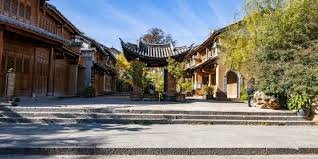

Vietnam offers a wide selection of places where biking tours can be arranged. The collection includes such places as Mai Chau valley, Tam Coc, Sapa, Bac Ha, Ha Giang, Hue, Hoian, Nha Trang and the Mekong delta.
May 28, 2025

Bicycles are no longer the most important mean of transport of Hanoian people. Now it is the time of scooters and motorcycles. People go to work by motorbike. They go on holidays by motorbike as well. Therefore, it is still easy for you to find a bicycle shop in Hanoi
May 28, 2025

If you look for Hanoi bicycle rental service in Hanoi, then you have just found the right place. Lotussia Travel offers a wide array of bicycles for you to rent. We have all bicycles for your travel needs including mountain bicycles for mountain biking, road bicycles for easy bicycle touring, and small bicycles for kids as well.
May 28, 2025

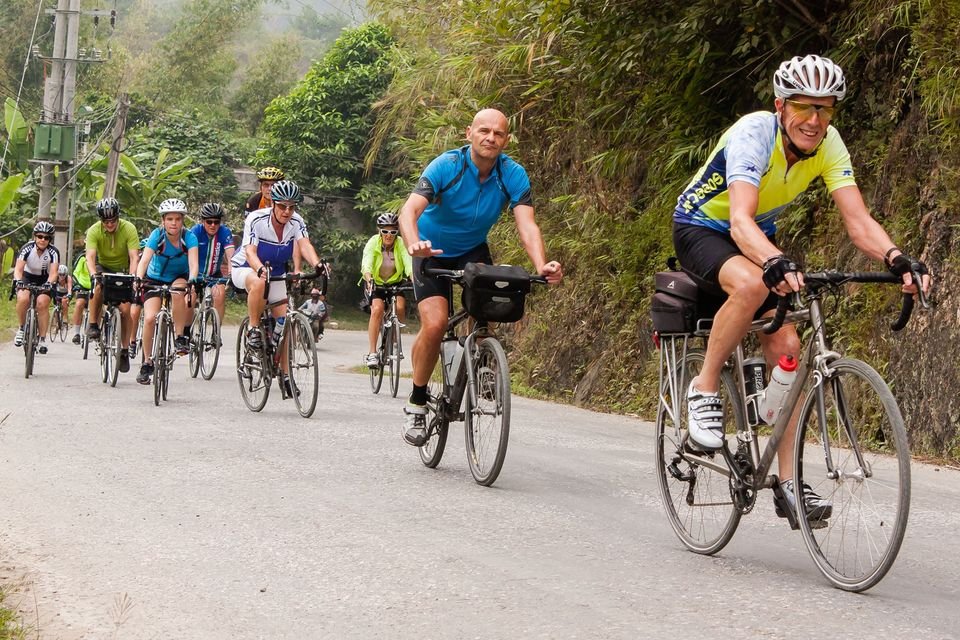
Hanoi, the capital of Vietnam offers a wide selection of both day cycling tours and short cycling excursions. The most popular Hanoi cycling tours are the half-day and one-day tours are arranged in Hanoi city and its surrounding countryside area.
May 28, 2025

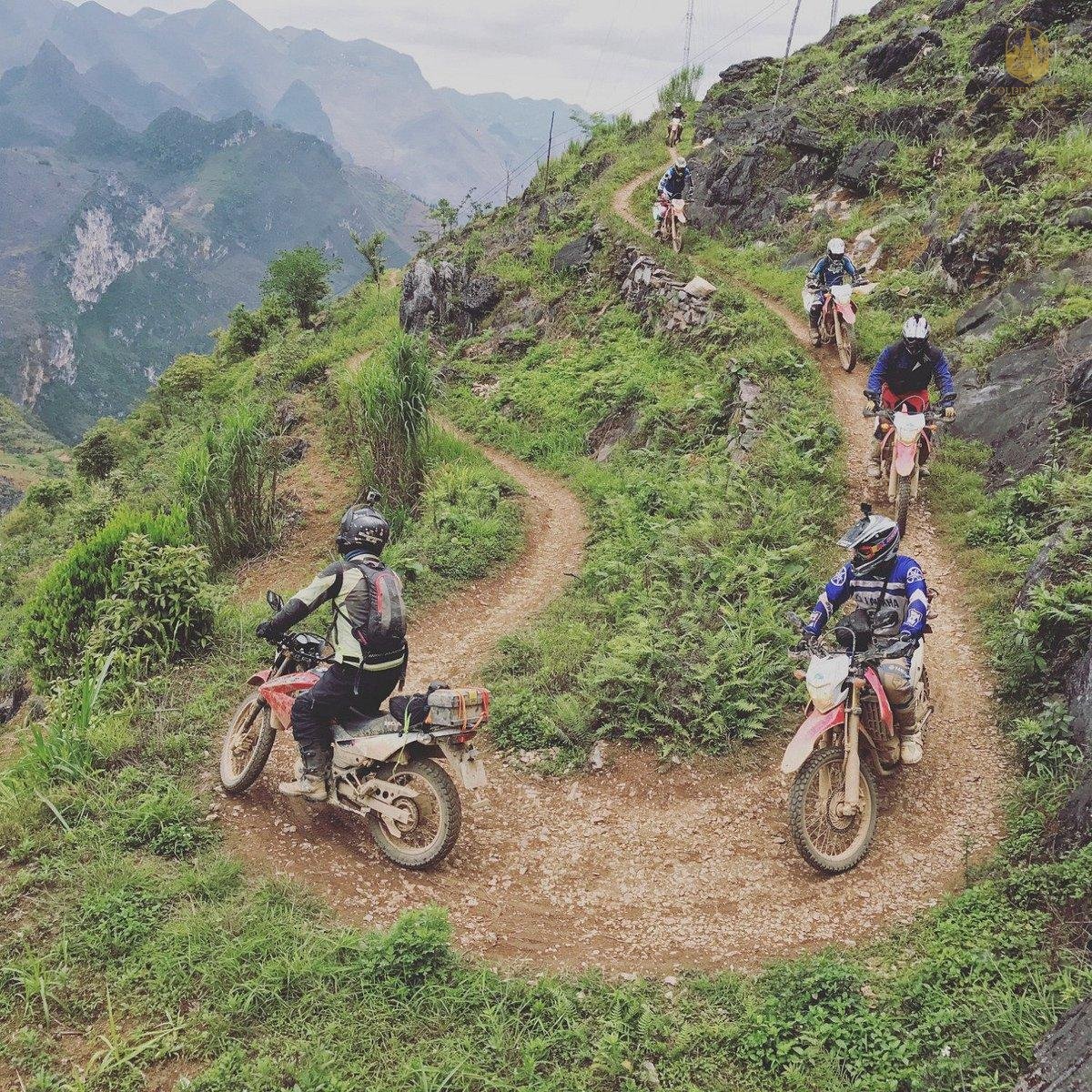
Vietnam mountain bikes, also known as trailbikes are the workhorse category of mountain bikes. An all mountain bike is a mountain bike built to handle almost everything a mountain biker will run into on a full day of riding.
May 28, 2025

I had done my research before sign-ing up for a four day and three night cycling tour in Lao Cai province with Golden Trail Travel. My friends thought I was mad, cycling around one of the most mountains parts of northern Vietnam. But, the trip is well planned, so you’re never on your own. But I didn’t tell my friends that – I liked to think they pictured me huff-ing and puffing on my father’s rickety old Peugeot up and down the hills under a blazing hot sun.
May 28, 2025

The best biking trails for cycling from Hanoi to Luang Prabang, Laos is the north-west Vietnam. After a visit to Hanoi, the capital of Vietnam, you can take the overnight train, usually departs at 21:00 pm in Hanoi and arrive around 5:00 am the following day.
May 28, 2025

If you look for a bicycle hire service in Hanoi, then you have just found the right place. Vietnam Cycling is a Hanoi based tour operator offering both bicycle tours and bike hire service.
May 28, 2025
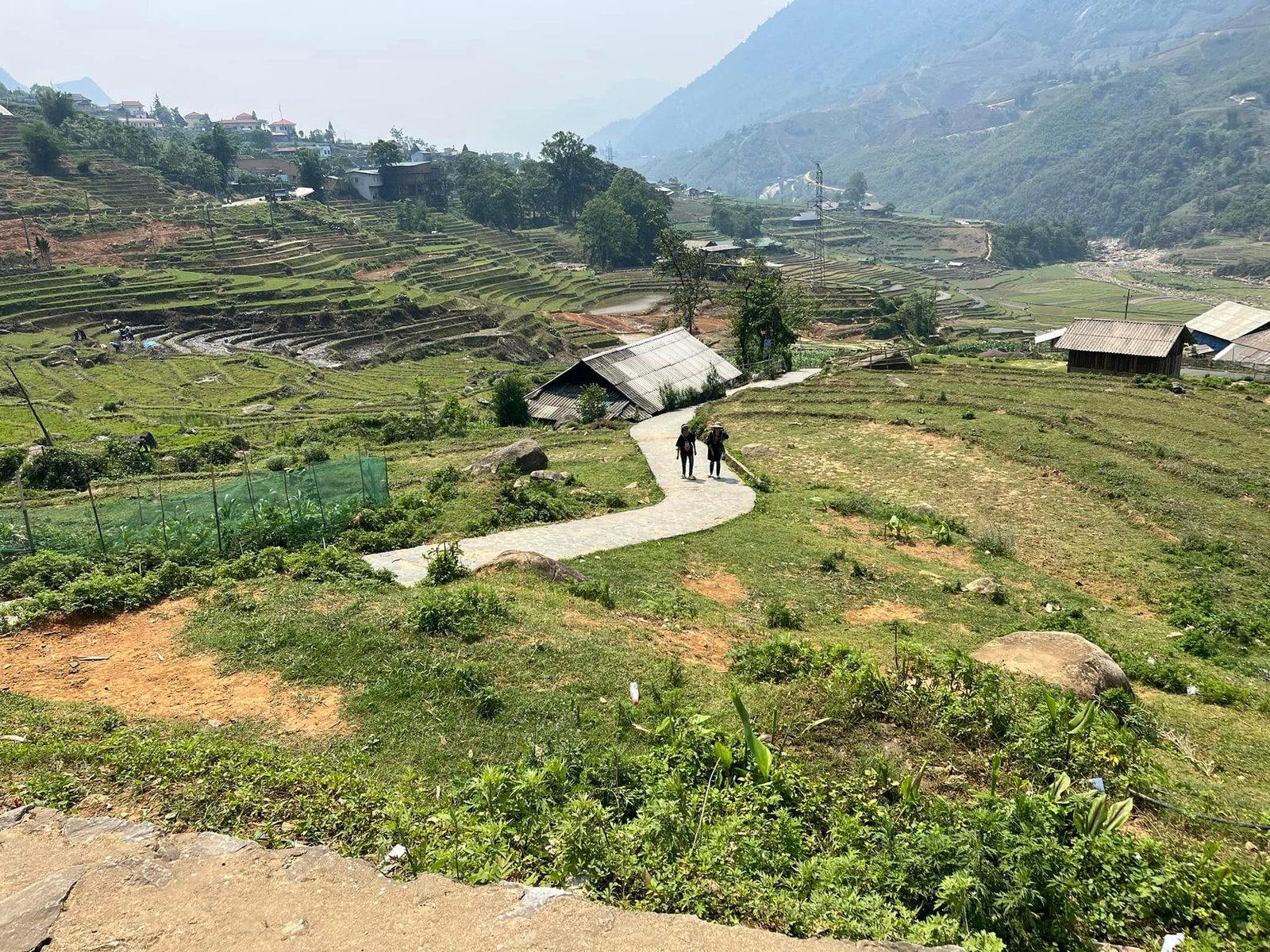
Cycling in Vietnam in March can be a truly unforgettable experience. The country is known for its beautiful natural landscapes, bustling cities, and rich culture, all of which can be explored by bike.
May 28, 2025

April is a great time to visit Vietnam and go cycling, as the weather is generally warm and dry, with temperatures ranging from the mid-70s to mid-80s Fahrenheit (25-30°C). The country is known for its beautiful natural landscapes, bustling cities, and rich culture, all of which can be explored by bike
May 28, 2025

Architectural Digest has ranked Tran Phu Street in Hoi An, known for its century-old homes and monthly lantern festival, as one of the 71 most beautiful streets in the world.
May 28, 2025

There are plenty of hotels, eateries, and homes in Danang that provide views of the International Fireworks Festival, but they are not free.
This evening, June 8, is the opening night of the Danang Fireworks International Festival.
Nearly 10,200 seats, double that of 2023, are available in the festival viewing stands, and all of the tickets for the last night have been sold.
May 28, 2025

Tua Chua, a mountainous district of Dien Bien province offers great fun trekking homestay tours, hiking, walking experience in the north west region of Vietnam. Look for some jungle trek, trekking homestay, hill tribe trek in an off the beaten path destination in Vietnam? Tua Chua might be a perfect choice.
May 28, 2025

Pu Ta Leng Mountain is located in Hoang Lien Son mountain range, at Ta Leng village, Tam Duong commune, Lai Chau province. Its peak, at 3,049 meters above sea level is the second highest peak in Indochina.
May 28, 2025

Ta Chi Nhu mountain is situated in Tram Tau District, in the northern mountainous province of Yen Bai, Vietnam. It is one of top places of mountain climbers and “cloud” hunters.
May 28, 2025

Con Dao National Park is a natural reserve area on Con Dao Island, in Ba Ria Vung Tau Province in coastal southeastern Vietnam. The park includes a part of the island and the surrounding sea. The national park is characterized by a diverse ecosystem. Many species of corals and especially the sea turtles, dolphins, and endangered dugongs are found here
May 28, 2025

Trekking North East Vietnam to discover tropical forest, karst mountains and Tay, Nung, Dzao hill tribes at the north of the Red River Delta, Vietnam.
May 28, 2025

Kon Ka Kinh National Park is located in Kon Pne, Dakrong and Krong communes, K’Bang district, Ha Dong commune, Dak Doa district, and Ayun commune, Mang Yang district, Gia Lai province. The national park is situated on the Kon Tum plateau in the central Annamite mountains.
May 28, 2025
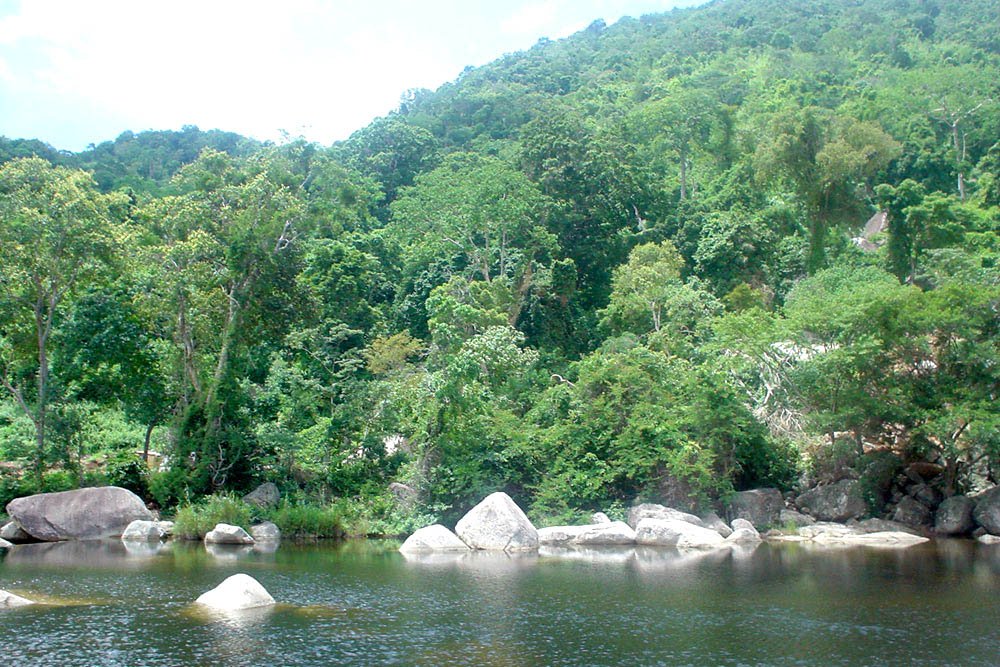
Chu Yang Sin National Park is located in Lak and Krong Bong districts, Dak Lak province, 60 km to the south-east of Buon Ma Thuot city. The national park encompasses a range of high mountains in the northern part of the Southern Annamite Mountains. The national park is centered on Mount Chu Yang Sin, which, at 2,442 m, is the highest point in the southern Annamites. The topography of the national park is characterized by steep slopes and narrow valleys.
May 28, 2025

Chu Mom Ray National Park lies in the two districts of Sa Thay and Ngoc Hoi in Kon Tum Province, central highlands of Vietnam. It is the only national park in Vietnam which shares the border with the two countries of Laos and Cambodia.
May 28, 2025