15 Ng. 100 Đ. Nguyễn Xiển, Thanh Xuân Nam, Thanh Xuân, Hà Nội 100000
15 Ng. 100 Đ. Nguyễn Xiển, Thanh Xuân Nam, Thanh Xuân, Hà Nội 100000
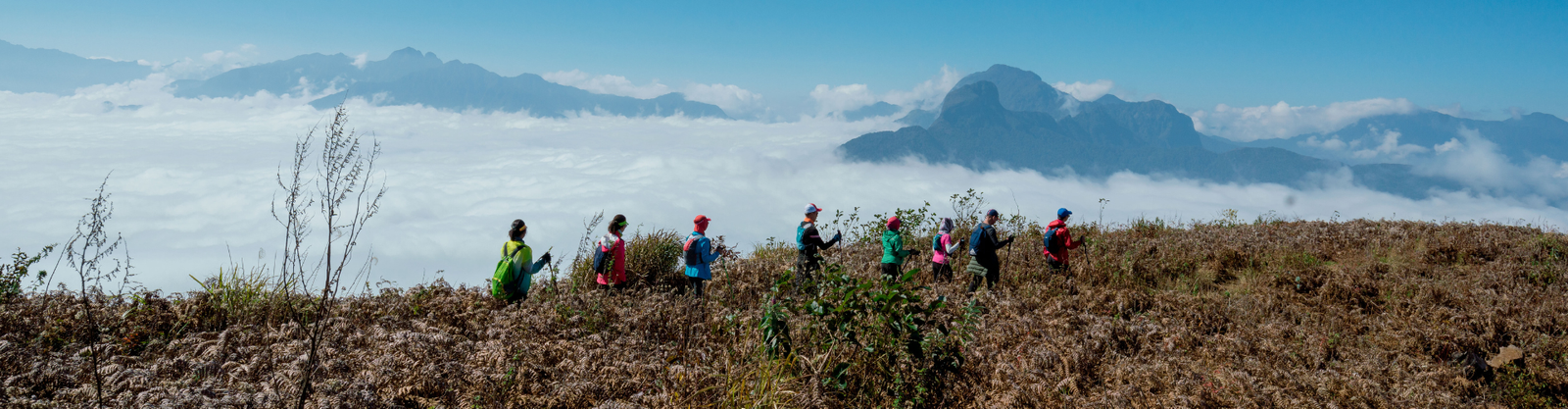
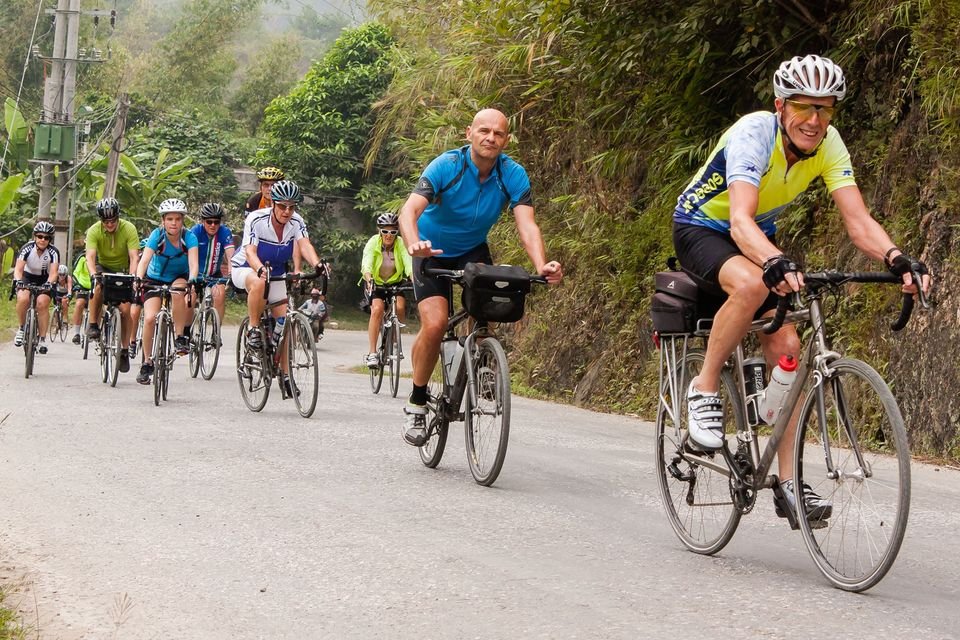
For the global cycling community, there are certain roads that carry a legendary status. The Stelvio Pass in Italy, the Sa Calobra in Mallorca, and the Alpe d'Huez in France are all names that evoke a sense of awe. However, tucked away in the rugged northern tip of Vietnam lies a stretch of asphalt that rivals, if not surpasses, these European icons in both drama and difficulty. This is the Ma Pi Leng Pass. Embarking on a Ha Giang Loop Ma Pi Leng cycling journey is more than just a bike ride; it is a pilgrimage into the heart of the Dong Van Karst Plateau, a UNESCO Global Geopark where the mountains touch the sky and the culture is as deep as the canyons below.
.jpg)
The Ma Pi Leng Pass is often referred to as the "King of Passes" in Vietnam. Connecting the frontier towns of Dong Van and Meo Vac, this 20-kilometer section of the "Happiness Road" (Hạnh Phúc Road) is architectural poetry. Built in the 1960s by thousands of young volunteers and ethnic minority locals—often hanging from ropes on the limestone cliffs—it stands as a testament to human willpower.
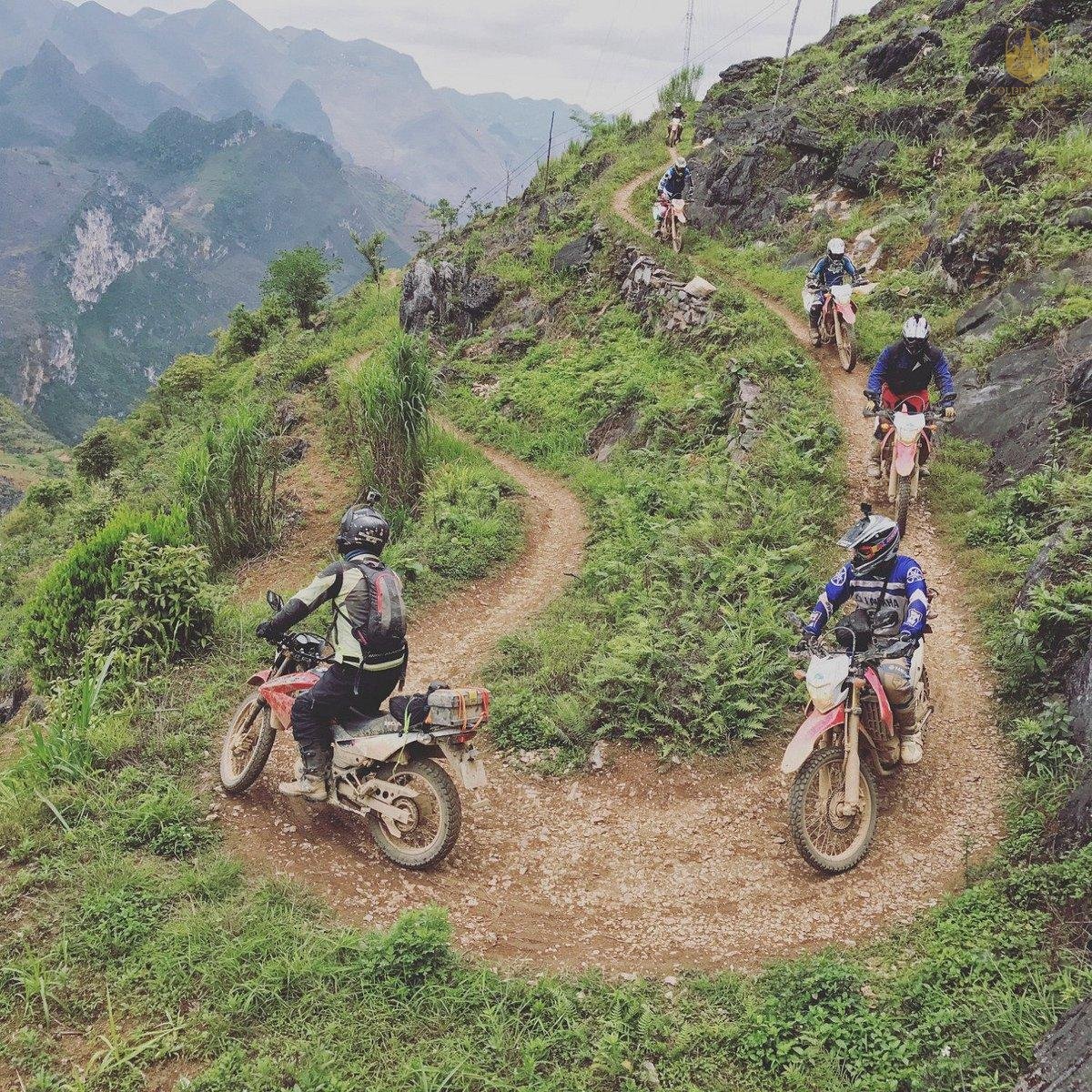
For a cyclist, the allure of cycling Ma Pi Leng lies in its sheer verticality. To your left, limestone peaks rise like jagged teeth; to your right, the earth simply disappears, plunging nearly a thousand meters down to the emerald waters of the Nho Que River. The road itself is a ribbon of gray draped over the mountainside, offering gradients that will test your lungs and views that will steal your breath.
If you are looking for a challenge that combines world-class scenery with high-altitude endurance, exploring our cycling tours is the first step toward conquering this legendary pass.
The Ha Giang Loop is famous for its "M-shape" roads and "S-curves," but the Ma Pi Leng section is the crown jewel. Here is what you need to know about the geography:
Starting from Dong Van at roughly 1,000 meters above sea level, the road climbs steadily toward the peak of the pass before descending into Meo Vac. While the distance is short, the constant undulation and the thin mountain air make every kilometer feel double its actual length.
As you pedal along the ridge, you are looking down into the Tu San Canyon. With cliff heights reaching up to 800 meters, it is the deepest canyon in Southeast Asia. The scale is difficult to comprehend until you see a tiny boat on the Nho Que River below, looking like a mere speck of dust.
Fortunately for cyclists, the road surface is generally well-maintained asphalt. However, the "Happiness Road" is narrow. You will share the path with local motorbikes, colorful "easy riders," and the occasional construction truck. This is why many riders prefer guaranteed tours that provide a support vehicle to act as a buffer and provide safety in high-traffic sections.
A successful Ha Giang bike tour requires meticulous planning. You cannot simply show up and expect a casual ride. This is a frontier region with limited resources.
The Golden Season (September to November): This is the prime window. The harvest season turns the terraced fields into waves of gold, and the weather is dry and crisp—ideal for long climbs.
The Spring Bloom (February to March): Peach and plum blossoms paint the landscape in white and pink. The air is cool, though morning mists can occasionally obscure the views on the pass.
The Summer Challenge (June to August): While the landscape is at its greenest, the heat and humidity are intense. Frequent afternoon rain showers can make descents slippery.
You don't need to be a professional racer, but you do need a high level of "climbing fitness." We recommend at least three months of consistent training, focusing on:
Sustained Power: Being able to hold a steady effort for 60-90 minutes of climbing.
Descending Skills: Learning how to take tight hairpins safely and manage brake heat.
Core Stability: Essential for handling a bike on narrow roads during long days.
Your choice of equipment can be the difference between a triumphant summit and a mechanical nightmare.
A lightweight carbon or high-end aluminum road bike with endurance geometry is preferred for those chasing speed. However, many adventurers choose a gravel bike or a hardtail mountain bike for the extra stability and wider gear range.
Gearing: You will want a "compact" or "sub-compact" crankset (e.g., 50/34 or 46/30) paired with a wide-range cassette (11-34 or even 11-40).
Brakes: Hydraulic disc brakes are non-negotiable. The descents on the Ha Giang Loop are long and technical; you need consistent stopping power that doesn't fade with heat.
Padded Bib Shorts: High-quality chamois is vital for 5-6 hours in the saddle.
Windproof Gilet: Even on hot days, the wind at the top of Ma Pi Leng can be biting.
High-Visibility Gear: Use bright colors and flashing daytime lights to ensure you are seen by motor vehicles.
While the Ma Pi Leng is the highlight, the journey to get there is equally captivating. Here is a curated itinerary designed for active cyclists.
The ride begins with a relatively flat exit from the city before the first major test: Bac Sum Pass. This winding ascent leads you to the "Heaven’s Gate," where you can look back at the zig-zagging road you just conquered.
Highlight: View of the Twin Mountains in Tam Son.
A day of rolling hills and deep valleys. You will pass through quiet ethnic villages where children will run to the roadside to wave and shout "Hello!"
Highlight: The fast, flowing descent through the Yen Minh pine forests.
This is where the landscape turns truly "lunar." You will climb the iconic Chin Khoanh ramp and pass through the Sa Phin valley.
Highlight: Visiting the Hmong King’s Palace, a fortress of history hidden in the mountains.
This is the "Queen Stage." Leaving Dong Van, the road tilts upward immediately. You will spend the next few hours on the edge of the world.
Cycling the Ma Pi Leng Pass: Stop at the "Sky Walk" for a photo, but save your energy for the final push to the monument at the summit.
The Descent: A technical, thrilling drop into Meo Vac town.
The return journey often takes a different route through the M-shaped road and Du Gia, offering a more lush, tropical side of the province.
Highlight: A refreshing dip in the Du Gia waterfall to celebrate your completion of the loop.
To ensure your logistics, permits, and accommodations are perfectly synchronized, consider joining one of our guaranteed tours.
One of the greatest rewards of Ha Giang Loop Ma Pi Leng cycling is the connection with the local ethnic groups, primarily the Hmong, Dao, and Tay people.
Ask Before Photos: Most locals are happy to be photographed, but always ask for permission first with a smile and a gesture.
Support the Local Economy: Buy snacks from small village stalls rather than just big supermarkets in the towns.
Learn Basic Phrases: A simple "Cảm ơn" (Thank you) or "Xin chào" (Hello) goes a long way.
Dress Respectfully: When visiting homes or temples, ensure your shoulders and knees are covered.
At Golden Trail Travel, we don't just sell tours; we curate life-changing adventures. We understand that a cyclist has different needs than a backpacker on a motorbike.
Cycling-Specific Logistics: Our support vehicles are equipped with bike racks, professional tools, and spare parts.
Nutrition: We provide high-energy snacks, electrolytes, and balanced meals designed to fuel athletic performance.
Safety First: Our guides are trained in first aid and bike mechanics, ensuring you can focus entirely on the scenery.
Discover our full range of cycling tours and see why we are the preferred choice for discerning riders visiting Vietnam.
Download Offline Maps: Cell service can be spotty in the deep canyons. Use apps like Komoot or Strava with offline maps.
Watch the Weather: Mists can roll in within minutes on the Ma Pi Leng. If visibility drops to less than 10 meters, stop and wait for it to clear.
Hydration is Key: The mountain air is dry. You will lose more fluid through respiration than you realize. Aim for 500-750ml of water per hour.
It is challenging but not inherently dangerous if you have good bike handling skills and follow traffic rules. The road is paved and has guardrails. However, the elevation gain requires a decent level of fitness.
Yes, a "Border Entry Permit" is required for all foreigners traveling in Ha Giang. If you book with Golden Trail Travel, we handle the entire application process for you.
Absolutely. We can assist with the logistics of transporting your bike from Hanoi to Ha Giang. Alternatively, we provide high-performance rental bikes.
Our guaranteed tours include a "broom wagon" (support van). You can hop in at any time to skip a climb or take a break, then resume cycling whenever you feel ready.
On average, between 50 to 80 kilometers. While this sounds short, the total elevation gain per day usually exceeds 1,500 meters, making it a full day's effort.
"I've ridden the Dolomites and the Rockies, but nothing prepared me for the scale of the Ma Pi Leng. Looking down into the Tu San Canyon while pedaling along that ridge is an out-of-body experience. The support from Golden Trail Travel was world-class." — James L., Canada
"Cycling the Ha Giang Loop was the hardest thing I've ever done and the most rewarding. The Hmong children cheering us on at every turn made the climbs feel half as long. A must-do for any serious cyclist." — Sarah P., Germany
"The attention to detail on the Golden Trail Travel tour was incredible. From the quality of the mountain bikes to the selection of local homestays, everything was perfect. Ma Pi Leng is truly the King of Passes." — Hiroshi M., Japan
The Ha Giang Loop Ma Pi Leng cycling experience is an assault on the senses in the best way possible. It is a journey that asks much of your body but gives back ten-fold in memories and spiritual rejuvenation. As you stand at the monument on the peak of Ma Pi Leng, looking out over the endless waves of limestone, you will realize that you haven't just conquered a road—you've discovered a new part of yourself.
Ready to take on the challenge? Visit Golden Trail Travel to book your adventure cycling tours or check our upcoming guaranteed tours today.
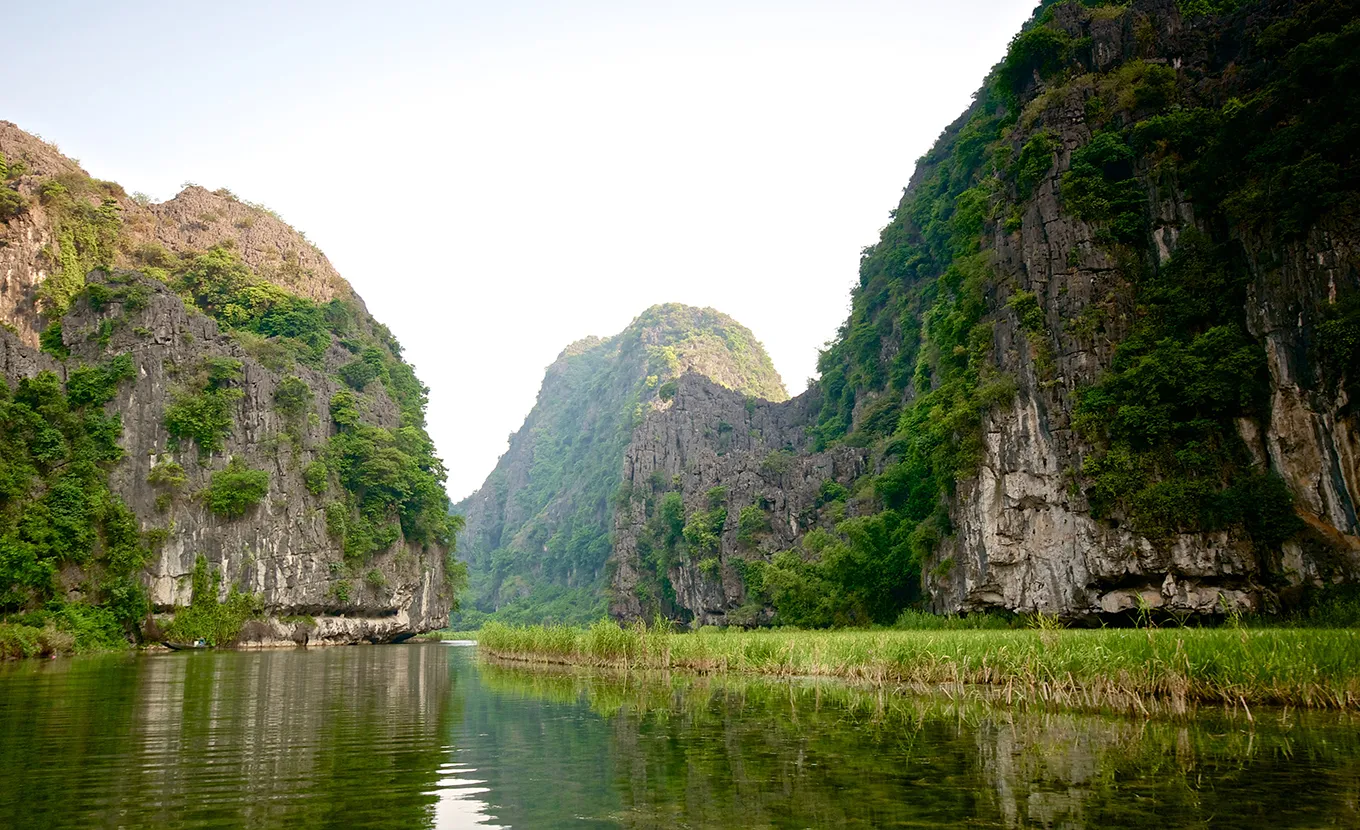
.webp "Discovering the Soul of Vietnam: An Immersive Guide to the \"Halong Bay on Land\"")
.webp "The Ultimate Guide to Tam Coc Boat Tour: A Journey Through Earthly Paradise")
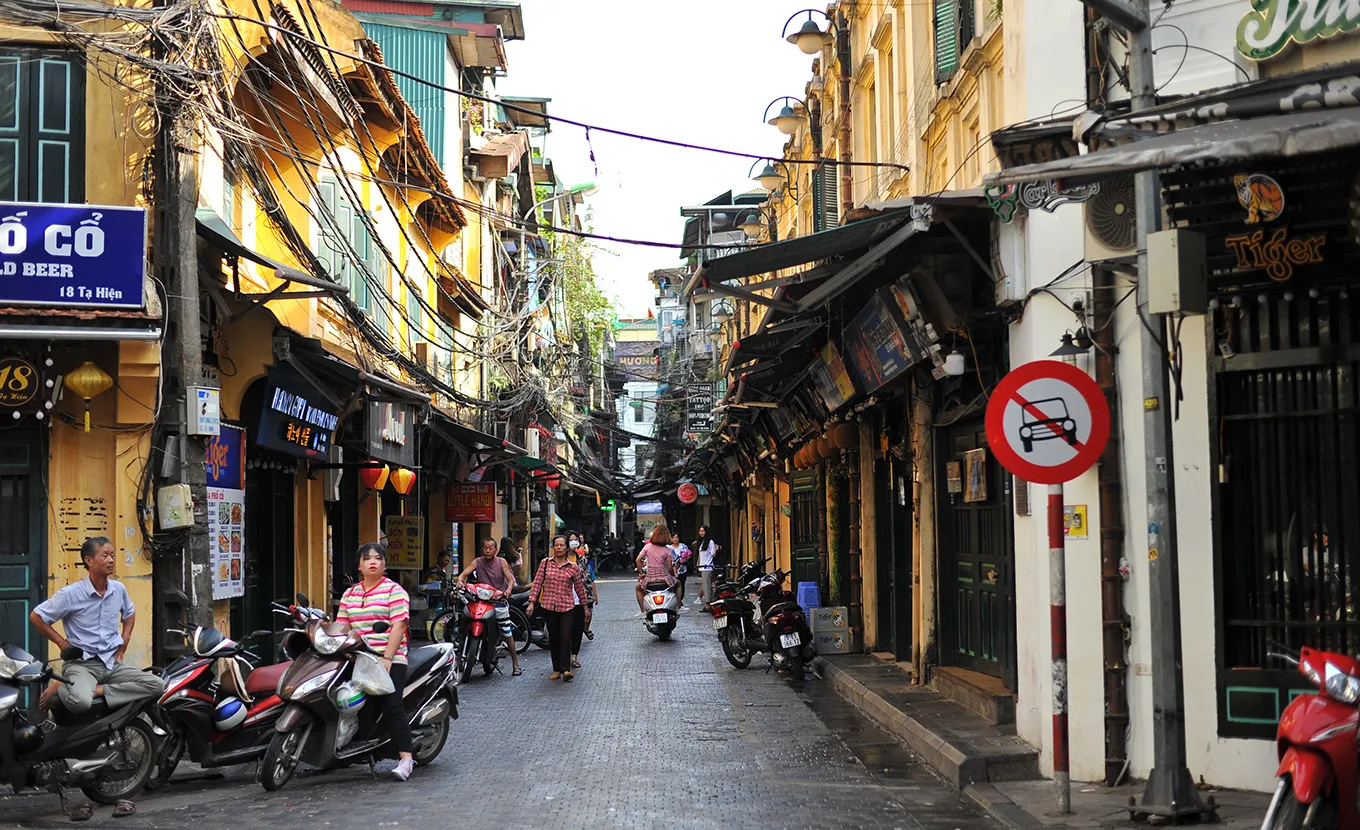
.webp "The Soul of Hanoi: An Immersive Walking Tour Through the Historic Old Quarter")
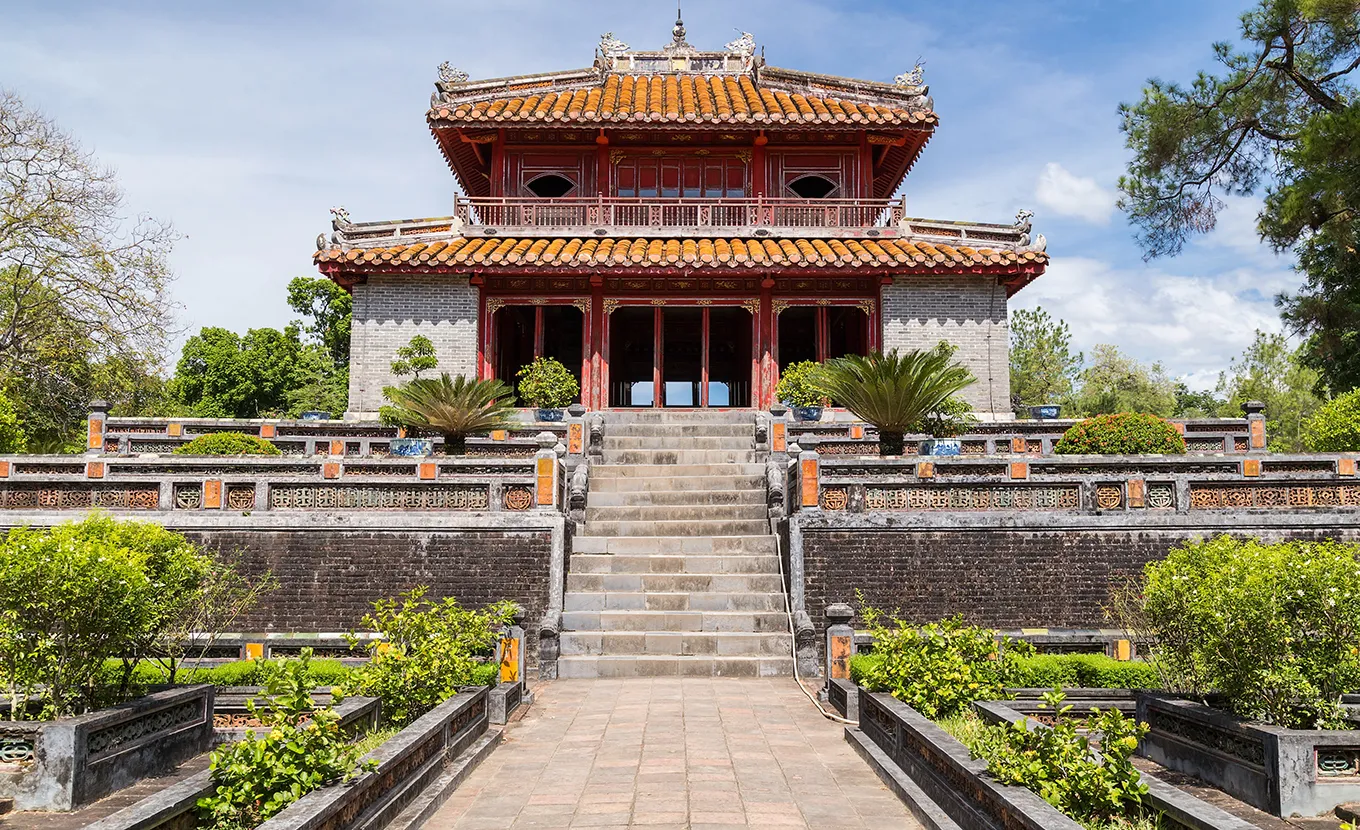
.webp "Hanoi Classic City Tour: A Soulful Journey Through the Heart of Vietnam")