15 Ng. 100 Đ. Nguyễn Xiển, Thanh Xuân Nam, Thanh Xuân, Hà Nội 100000


15 Ng. 100 Đ. Nguyễn Xiển, Thanh Xuân Nam, Thanh Xuân, Hà Nội 100000
Introduction
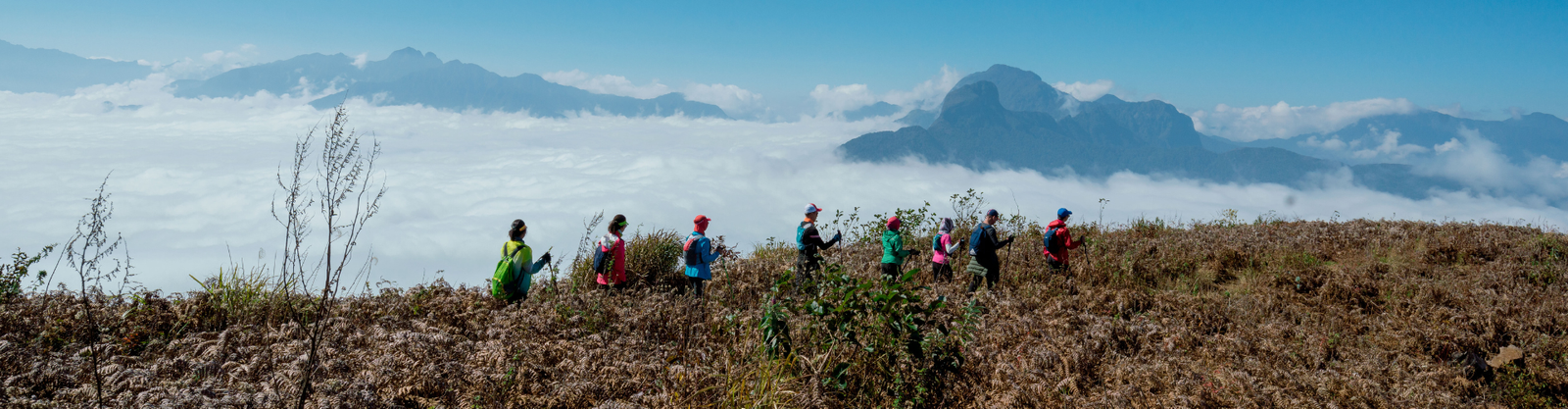
From mist-covered highland passes to lush river valleys, the elevation profile of North Vietnam is as diverse and dramatic as its landscapes. Whether you're planning a multi-day cycling tour, a trekking expedition, or simply want to understand the physical terrain of this rugged region, knowing the elevation changes is key to preparation and performance.
Northern Vietnam is home to the country’s highest peaks, steepest climbs, and most awe-inspiring routes — making it a dream for cyclists, hikers, trail runners, and mountain lovers. In this guide, we break down key elevation zones, iconic mountain passes, and how Golden Trail Travel can help you explore it all with confidence.
The difference between a rolling rice valley and a 2,000-meter mountain pass can make or break your journey. Understanding elevation allows you to plan your pacing, hydration, nutrition, and rest points effectively — especially when cycling or hiking over multiple days.
Higher elevations like Sapa, Y Ty, and Dong Van are cooler year-round and prone to sudden changes in weather. Packing correctly and choosing the right season depends heavily on elevation.
Lowland river deltas are home to different ethnic groups, cuisines, and lifestyles compared to the highland regions, where hill-tribe communities like the H’mong, Dao, and Lo Lo thrive in elevated, remote villages.
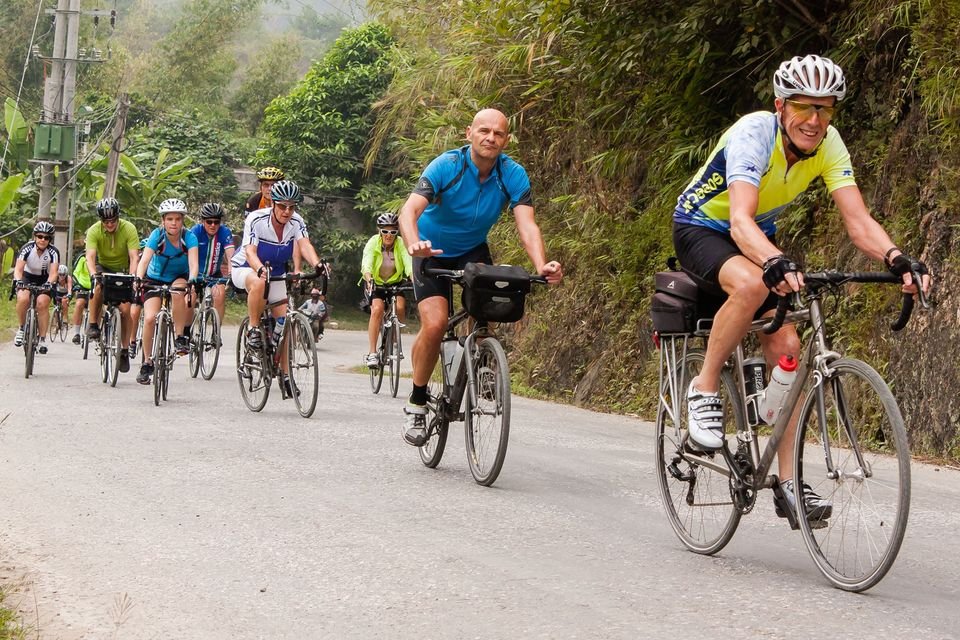
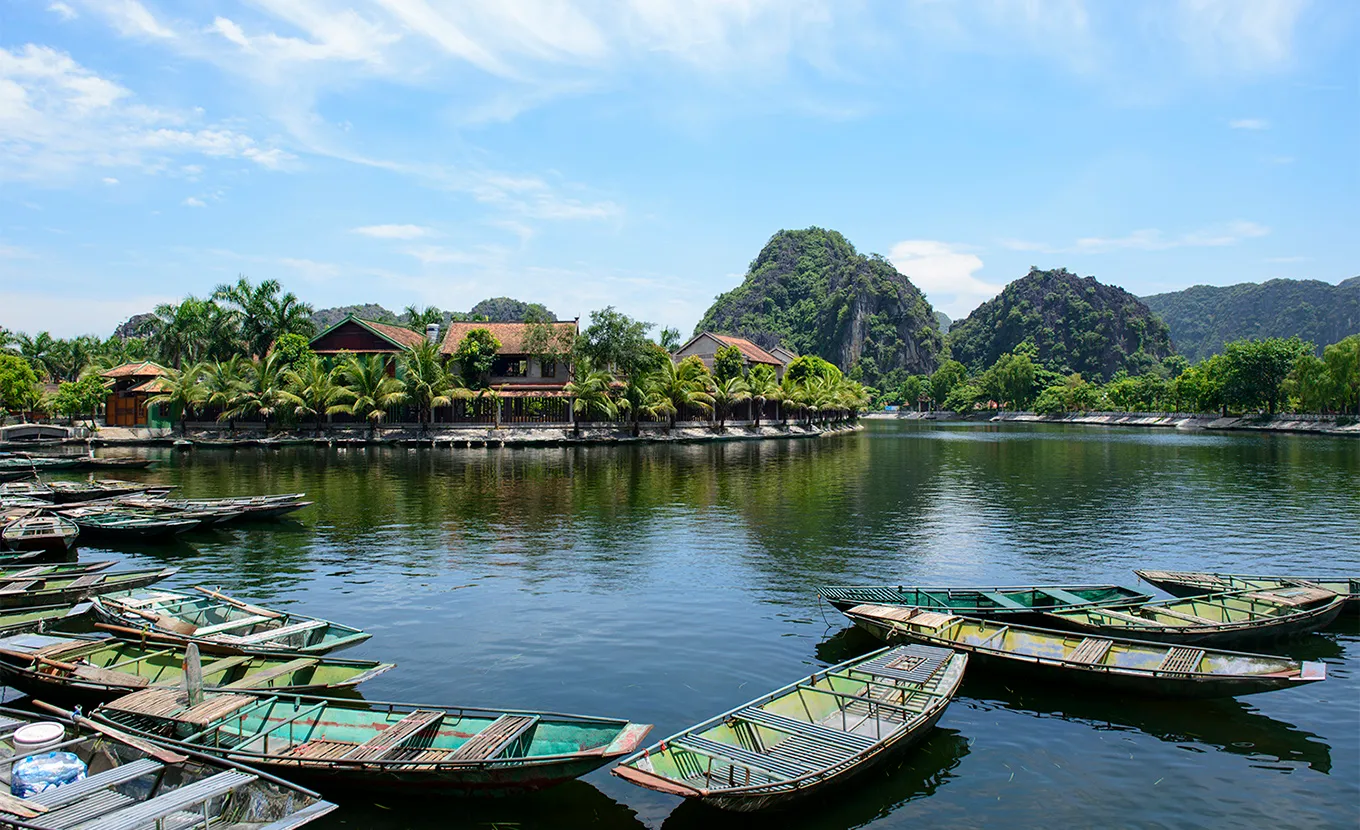
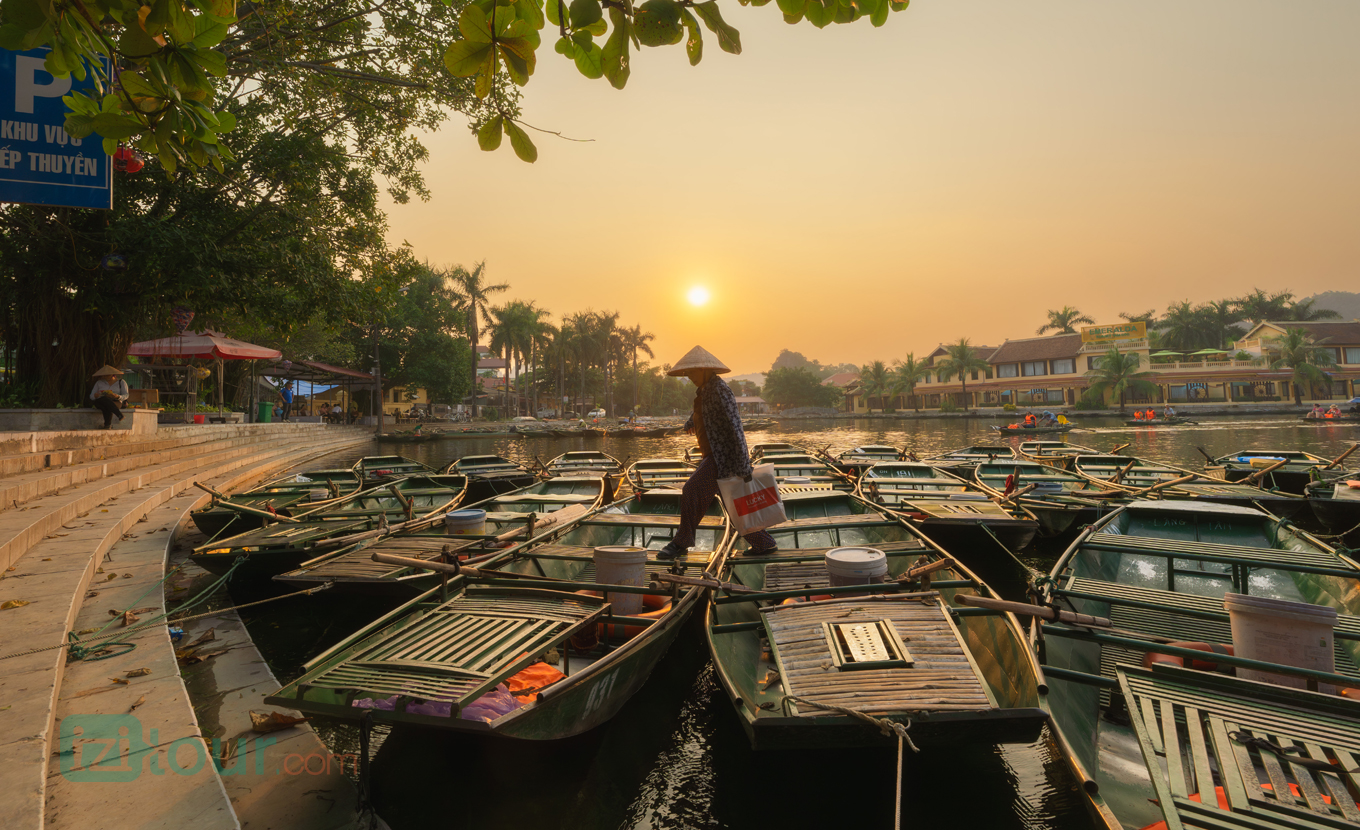
The flatlands surrounding Hanoi, Ninh Binh, and the Red River Delta sit at low elevation. This zone is perfect for beginners and leisure cyclists, offering cultural richness without steep climbs.
Typical Terrain: Flat to gently rolling
Climate: Warm and humid
Activities: Easy cycling, cultural day trips, river cruises
As you move into Mai Chau, Nghia Lo, and Mu Cang Chai, the terrain begins to rise. These regions include beautiful rice terraces, mild climbs, and mid-altitude mountain towns.
Typical Terrain: Rolling hills, rice terraces, mountain valleys
Climate: Cooler than Hanoi; pleasant most of the year
Popular Routes: Nghia Lo – Tu Le – Mu Cang Chai cycling trail
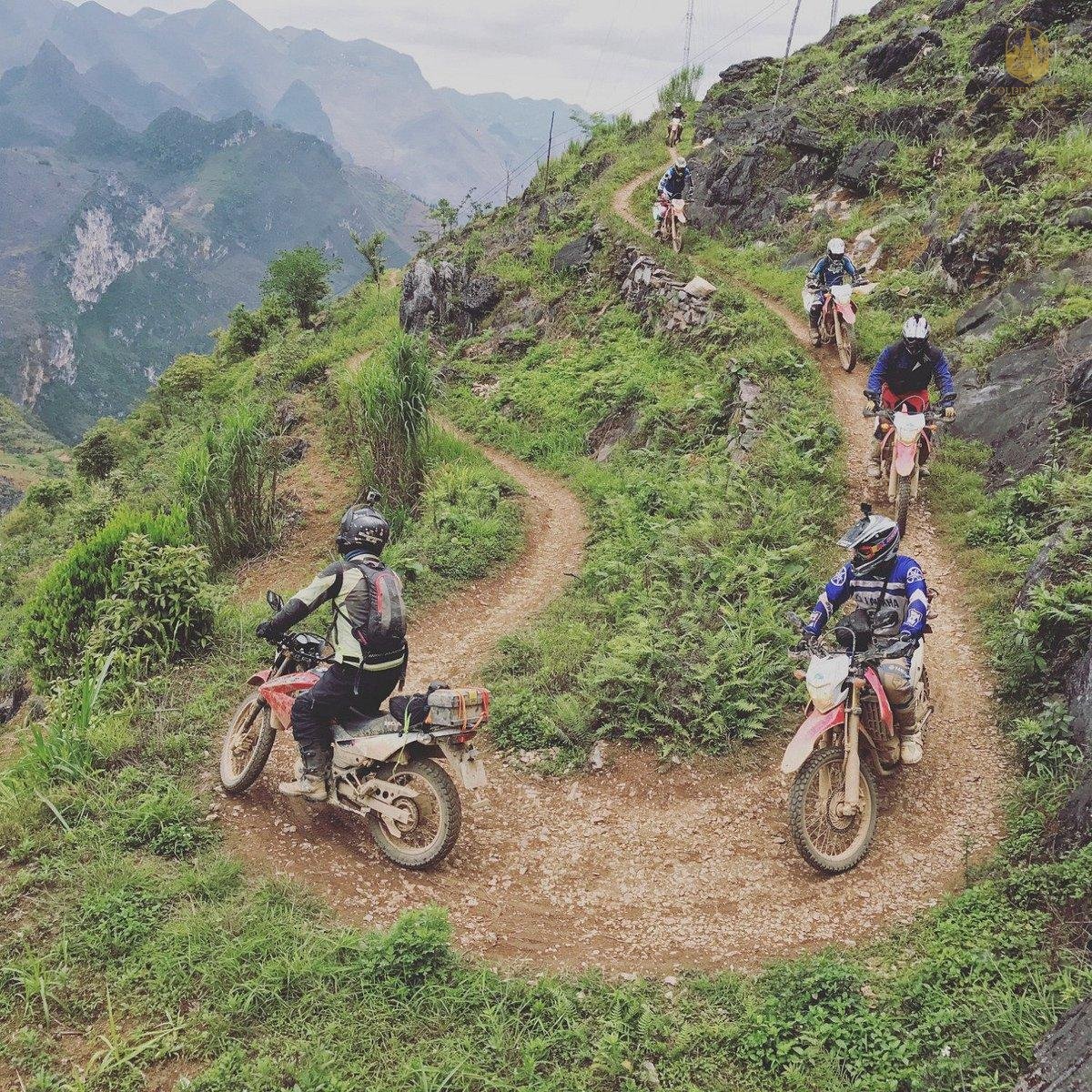
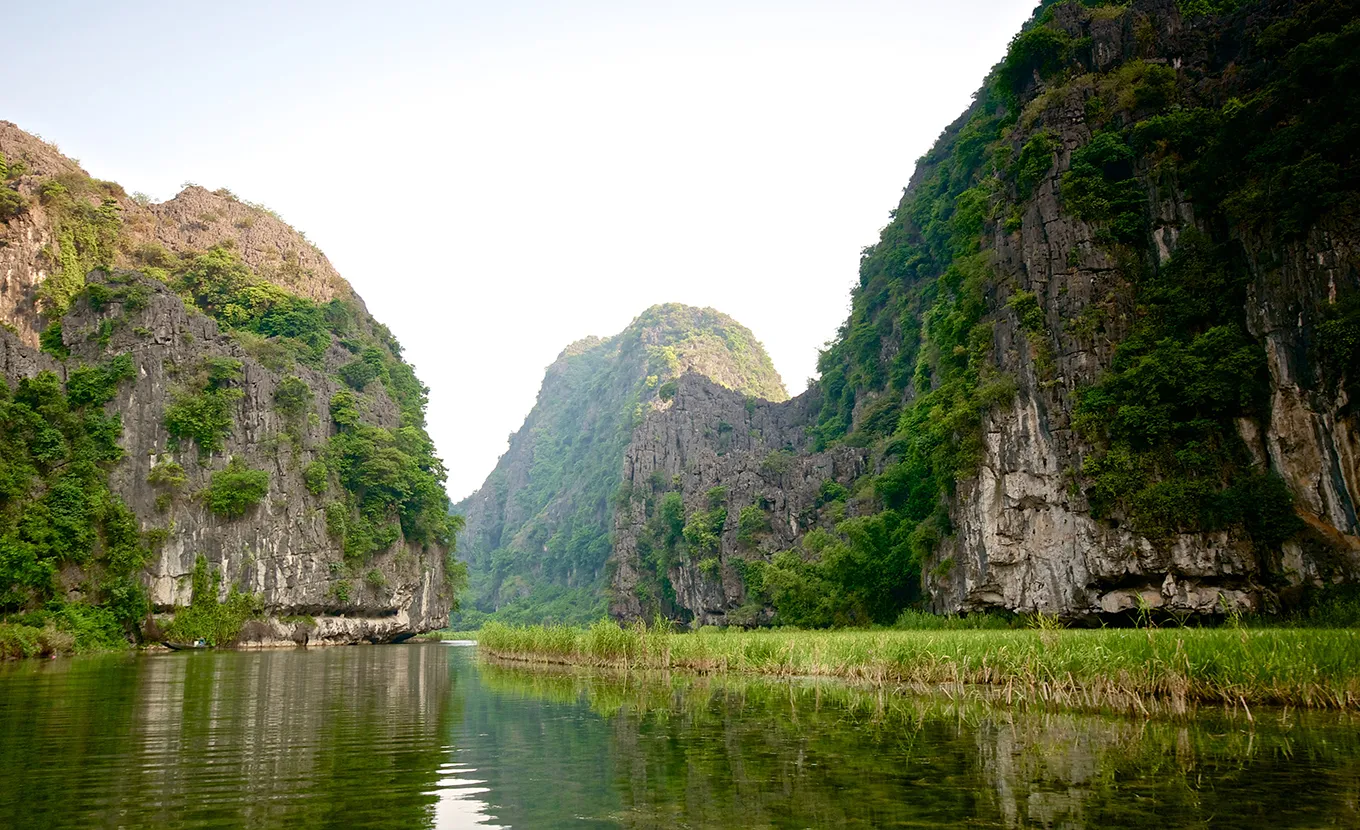
Home to Vietnam’s most extreme elevations, the Tonkin Alps include areas like Sapa, Fansipan, Ha Giang, Meo Vac, and Dong Van. This is where the serious climbing begins.
Notable Passes:
O Quy Ho Pass – 2,035m (Vietnam’s highest road pass)
Ma Pi Leng Pass – ~1,500m (Iconic and steep with panoramic views)
Khau Pha Pass – 1,200m (Famous for paragliding and cycling)
Climate: Alpine; cold winters, cool summers, fog common
Activities: High-altitude cycling, trekking, cultural tours
Fansipan, also known as the “Roof of Indochina,” stands at 3,143 meters and is the tallest peak in Vietnam. Treks to Fansipan or trails in Y Ty and Ban Khoang offer high-altitude adventure in isolated, cloud-covered villages.
Activities: Multi-day treks, summit climbs, technical cycling routes
Best For: Advanced adventurers with altitude preparation
Total Distance: ~250 km
Elevation Range: 50m to 1,200m
Profile: Gradual elevation gain with moderate climbs and wide roads
Total Distance: ~200 km
Elevation Gain: Up to 2,035m at O Quy Ho
Profile: Intermediate to advanced with steep ascents, switchbacks
Total Distance: ~150 km
Elevation Range: 400m to 1,500m
Profile: Legendary mountain loop; technical descents, jaw-dropping elevation gains
Pro tip: Golden Trail Travel provides route maps with detailed elevation data, GPX files, and real-time support for their cycling and trekking tours.
Exploring North Vietnam’s rugged terrain requires more than a map — it demands local knowledge, planning, and reliable support. That’s where Golden Trail Travel comes in.
Professional cycling & hiking guides who know the terrain intimately
Support vehicles for multi-day cycling expeditions
Customized itineraries with altitude training advice
Mountain-ready gear, bikes, and logistics
Deep cultural immersion with homestays at various elevations
Safety-first approach in remote, highland regions
Start planning your elevation-based adventure here: https://goldentrailtravel.com
Train before you arrive: Hill rides or hikes prepare your body for altitude
Hydrate constantly: The air is drier and thinner in highlands
Pack smart: Light, breathable gear for climbs; warm layers for nights
Start early: Mountain weather changes fast — mornings are best for activity
Acclimate: If you're not used to elevation, plan a rest day in Sapa or Dong Van
Not accounting for altitude – It’s not Everest, but elevation affects energy levels
Skipping recovery days – Your legs and lungs will thank you
Assuming phone signal everywhere – Some high passes have no reception
Neglecting nutrition – Bring energy snacks for climbs and long rides
"As a cyclist from Switzerland, I was amazed by how dramatic the Tonkin Alps are. The climbs are real, the views are wild, and the people are so welcoming. Golden Trail Travel handled everything — I just pedaled."
— Marco R., Switzerland
"We trekked from Y Ty to Lao Cai with support from Golden Trail Travel. The elevation changes were intense but rewarding. We felt like we were walking through clouds."
— Emma T., Australia
"I was concerned about the altitude at first, but the itinerary was so well-paced that I adapted naturally. The mountain villages at 1,500m+ are breathtaking in every sense."
— David L., USA
Q1: What is the highest road in North Vietnam?
O Quy Ho Pass, at 2,035 meters, is the highest motorable road in Vietnam.
Q2: Is altitude sickness a concern in North Vietnam?
It’s rare, but sensitive individuals might feel lightheaded at elevations above 2,000 meters. Golden Trail Travel plans itineraries to acclimate gradually.
Q3: Can beginners handle the Tonkin Alps terrain?
Yes, with a support vehicle and properly paced tours. Golden Trail Travel adjusts routes based on fitness levels.
Q4: What is the best time to explore high elevations?
October to April. These months offer cooler temperatures, clearer skies, and better visibility in the mountains.
Q5: Are elevation maps or GPS provided on tours?
Absolutely. Golden Trail Travel offers detailed elevation profiles, GPX files, and live support on guided tours.
In North Vietnam, elevation isn’t just geography — it’s the journey. From gentle deltas to towering peaks, every meter climbed opens up new perspectives, deeper cultural insight, and unforgettable natural beauty.
Whether you're chasing climbs, stunning descents, or cultural encounters perched on mountaintops, understanding the elevation profile of North Vietnam is your first step toward an unforgettable adventure.
Let Golden Trail Travel guide your journey through Vietnam’s most majestic heights.
Explore elevation, discover wonder — start your trip here: https://goldentrailtravel.com





.jpg "The Epic Cycling Adventure: Rediscovering Your Soul on Two Wheels")
.jpg "The Ultimate Trekking Expedition: A Journey Beyond Boundaries")
.jpg "The Ultimate Guide to Trekking Cao Bang Vietnam: Journey Through the Realm of Mountains and Waterfalls")
.webp "Cuc Phuong National Park Day Trip")
.jpg "Pu Luong Nature Reserve: An Ethereal Journey into Vietnam’s Hidden Eden")